By MICHAEL PERKINS
AT THE TIME OF THIS WRITING, November 2018, the world is pausing, all too briefly, to mark the one hundredth anniversary of the armistice between Germany and the Allied powers, the first halting step toward ending what our forebears called The Great War. Such was the scope and scale of butchery in that conflict that more than a few prophets of the time predicted that no such savagery could ever be repeated. So much for mankind’s ability to forecast, or even to learn from, its own folly.

The war was the first armed conflict to be photographed exhaustively both in still and moving images, producing a ponderous archive that, even with the losses of a full century, provides a common legacy of memory that is beyond price. Another such photographic archive is more emotionally immediate, in the snapshots, taken in the field and sent home to mothers and sweethearts, snapped at reunions, shared at funerals. And the third legacy, for photographers, is chronicling the various public works created to honor the fallen. Memorials. Mausoleums. Arches. Dedications. Grave sites. Statues. Every remembrance becomes a kind of history in its own right, with its own origin stories, artists, controversies, legends. We make images of war, create photos of those swept up in them, and take pictorial memorials of….other memorials.
Some of the tributes for one war become casualties of another: others may last long enough to be re-thought or re-purposes. Even more find their story blurred or obliterated, with plaques marking battles that have fallen out of popular memory. One of the things obliterated by all the bombs is context.
Perhaps Lincoln was right: we may not be able to hallow the ground that heroes trod, for all our noble intentions and grand words. It is only in our corrective action that we guarantee that the sacrifices of the few become, please God, the wisdom of the many.





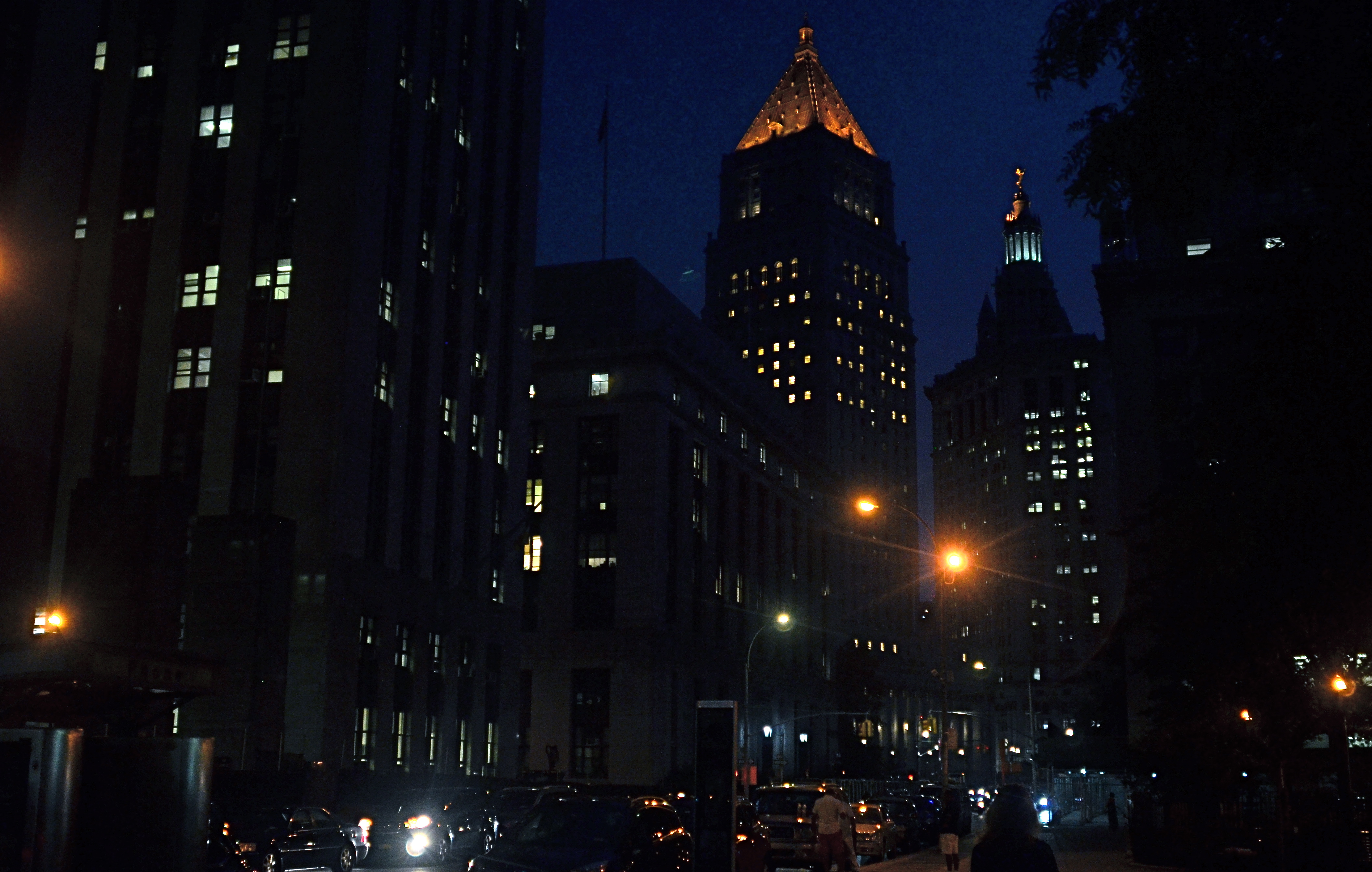
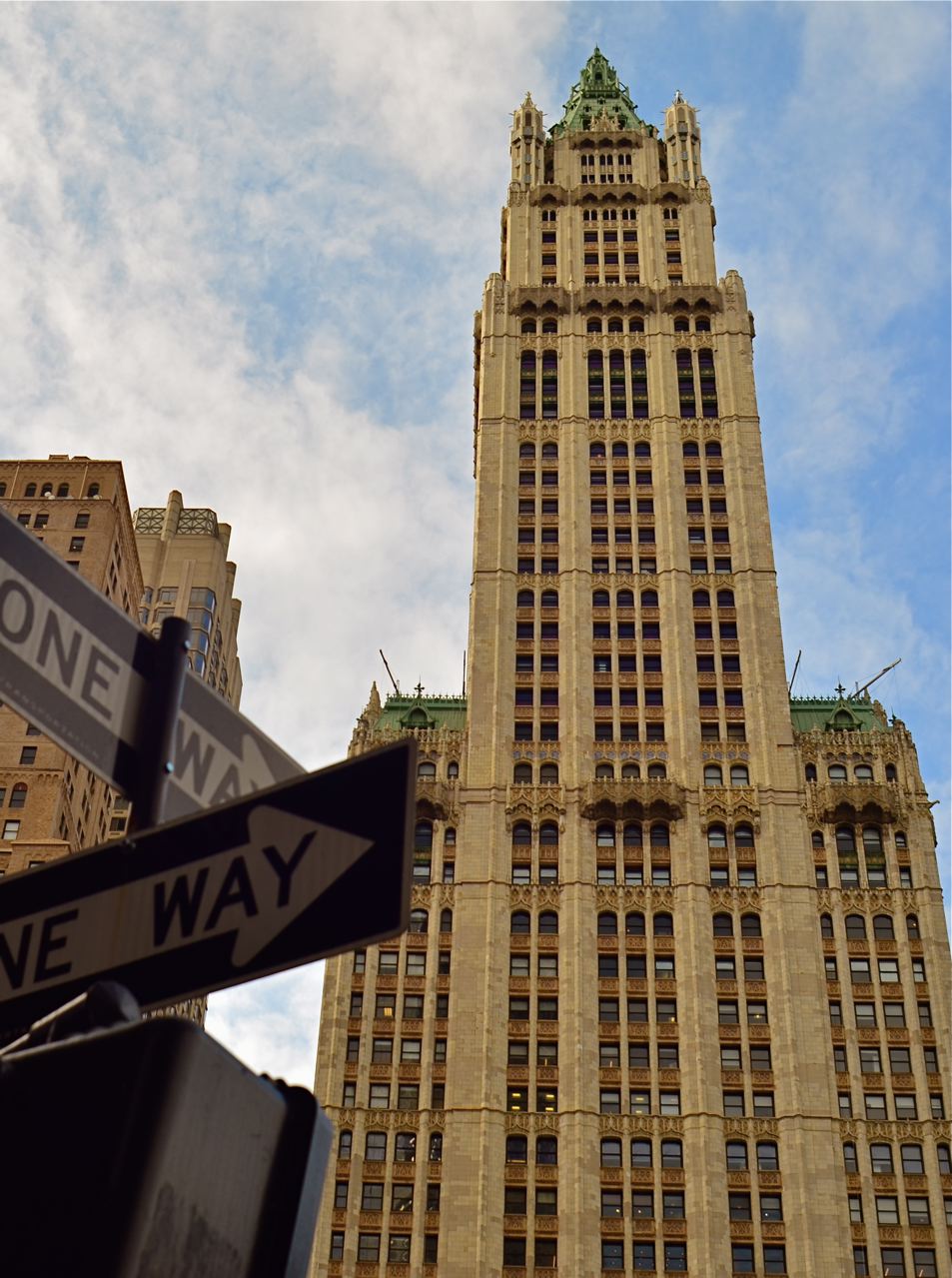










 thenormaleye
EXTRA, EXTRA
BY MICHAEL PERKINS
WHEN THEATRICAL NEWSREELS GASPED THEIR LAST in the late 1960’s, they took with them a set of global habits for receiving visual information that had been in place since World War One, including the regular ritual of filing into theatres twice a week to see fast-moving digests of wars bulletins, scientific advancements, sports highlights, and current fads and foibles. Daily news, prior to the arrival of television, was dominated by newspapers and radio, with newsreels providing a secondary, visual record of world events. Then, nearly seven decades into the tradition, they vanished, and with them, something of the world that produced them.
Several newspaper chains produced newsreel versions of their most photogenic stories, and major film studios, including Fox, MGM, and Warner Brothers, all of which had divisions devoted exclusively to the making of so-called “short subjects”, likewise had newsreel crews within those departments. Better yet, all the studios owned and operated their own chains of theatres, guaranteeing a regular flow of distribution for their products. The public came to expect newsreels as a part of a larger theatrical program which included cartoons, two-reel comedies (hello, Three Stooges) and two full feature films……all for less than a dollar.
Even though the newsreels, unlike the video newscasts that succeeded them, had only one or two “deadlines” per week, they still had to create a slickly coordinated system for getting stories to the local Bijou before the items got too stale. A network of local photographers was paired with a shipping regimen designed to send raw footage to centralized hub studios, where it could be processed, edited, scored, and in selected cases, dubbed for foreign release. The instructions on the shipping case seen here clearly spell out the urgency of time (valueless if delayed!). This particular box belonged to the Hearst chain’s News Of The Day, which competed for eyeballs in a crowded field that included The March Of Time, Universal Newsreel, Fox Movietone News, and the British Gaumont Graphic, among others.
Hearst and Universal amazingly produced newsreels until 1967, the same year that the Beatles issued Sgt. Pepper. By that time, the news had become a daily appointment telecast at home instead of a bi-weekly trot to the cinema. But even in their death throes the newsreels gave the world one more great story, with many libraries inheriting the complete archives of the once-vital features, now used as a twenty-first century research resource for every major event of the twentieth.
Share this:
Posted by Michael Perkins | October 21, 2018 | Categories: Americana, Commentary, Documentary, History | Tags: Movies, Newsreels | Leave a comment