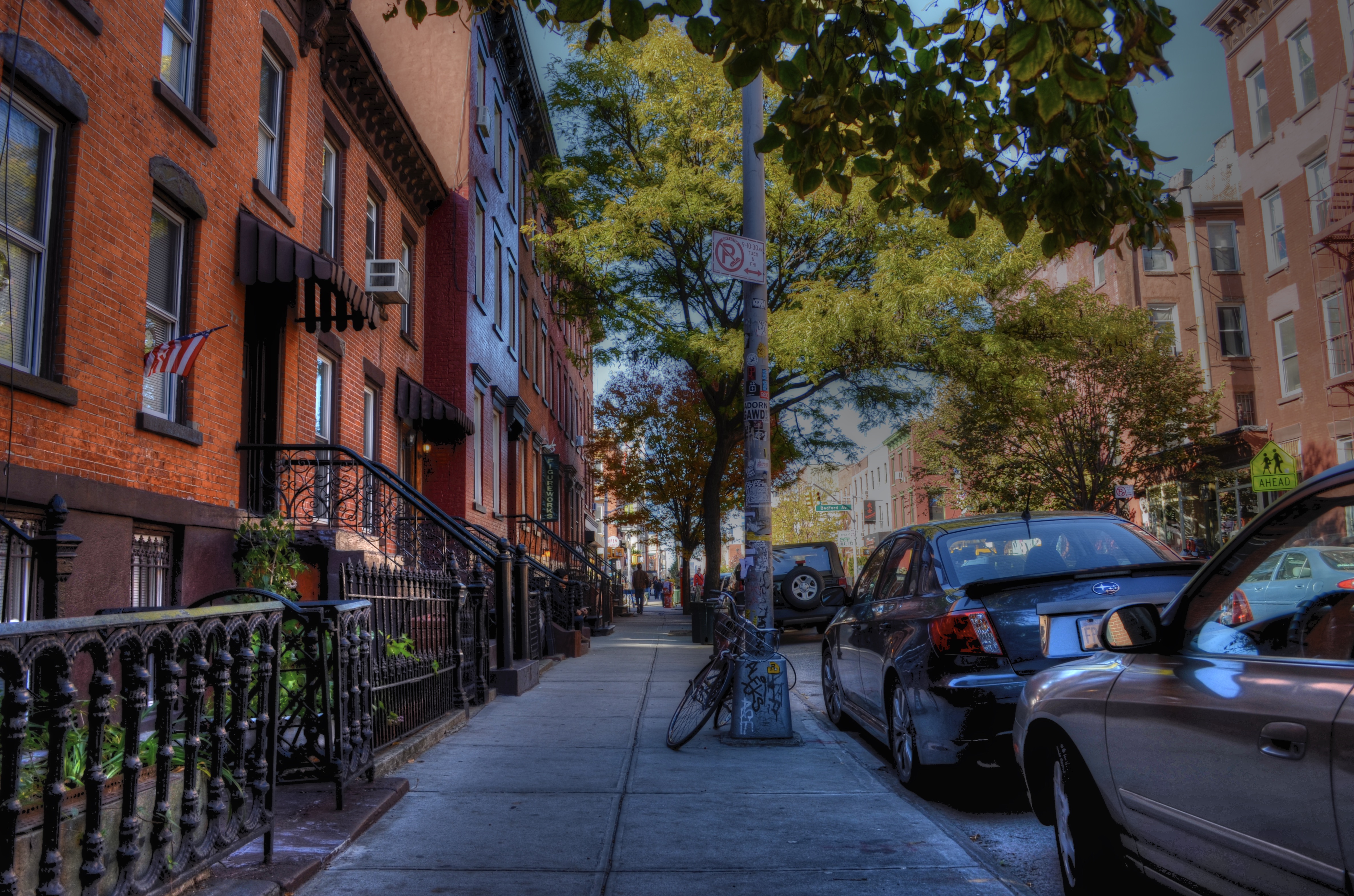
Brooklyn Morning Constitutional, 2011. A typical HDR experiment from earlier in the closing decade.
By MICHAEL PERKINS
THE END OF A DECADE is often used as an arbitrarily mile marker to measure the effects of a particular parcel of time. The requisite lists of “bests” “biggests” and “top” accomplishments or events, trotted out in an attempt to define an era, are as irresistible as they are meaningless. The appeal is understandable: people, including photographers, love trying to make sense of something, especially their own work. But ranking one thing as better than another is not nearly as important as noting contrasts in one’s output over time. Simply put, we produce different work at different periods because we are actually different people.
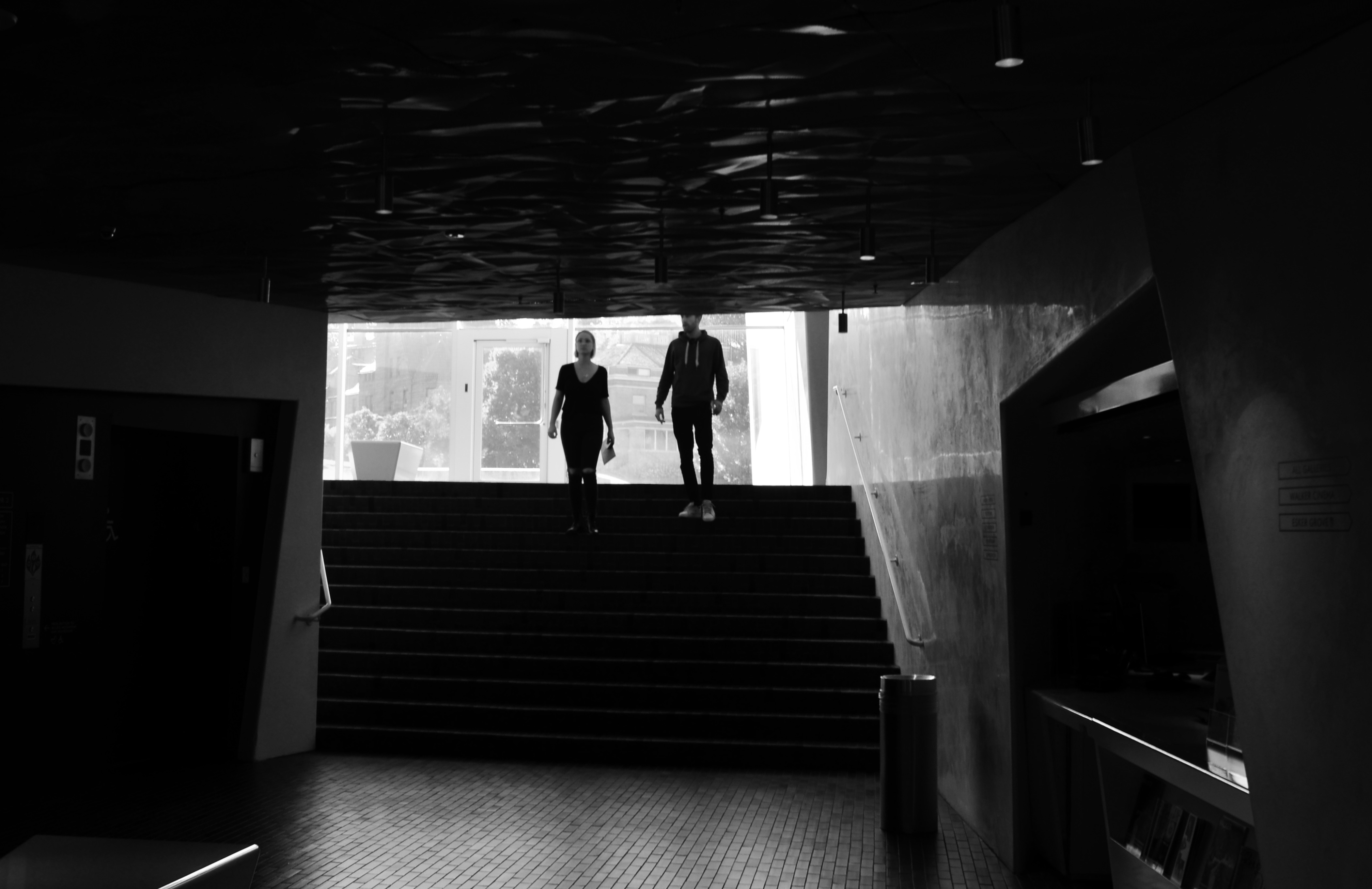
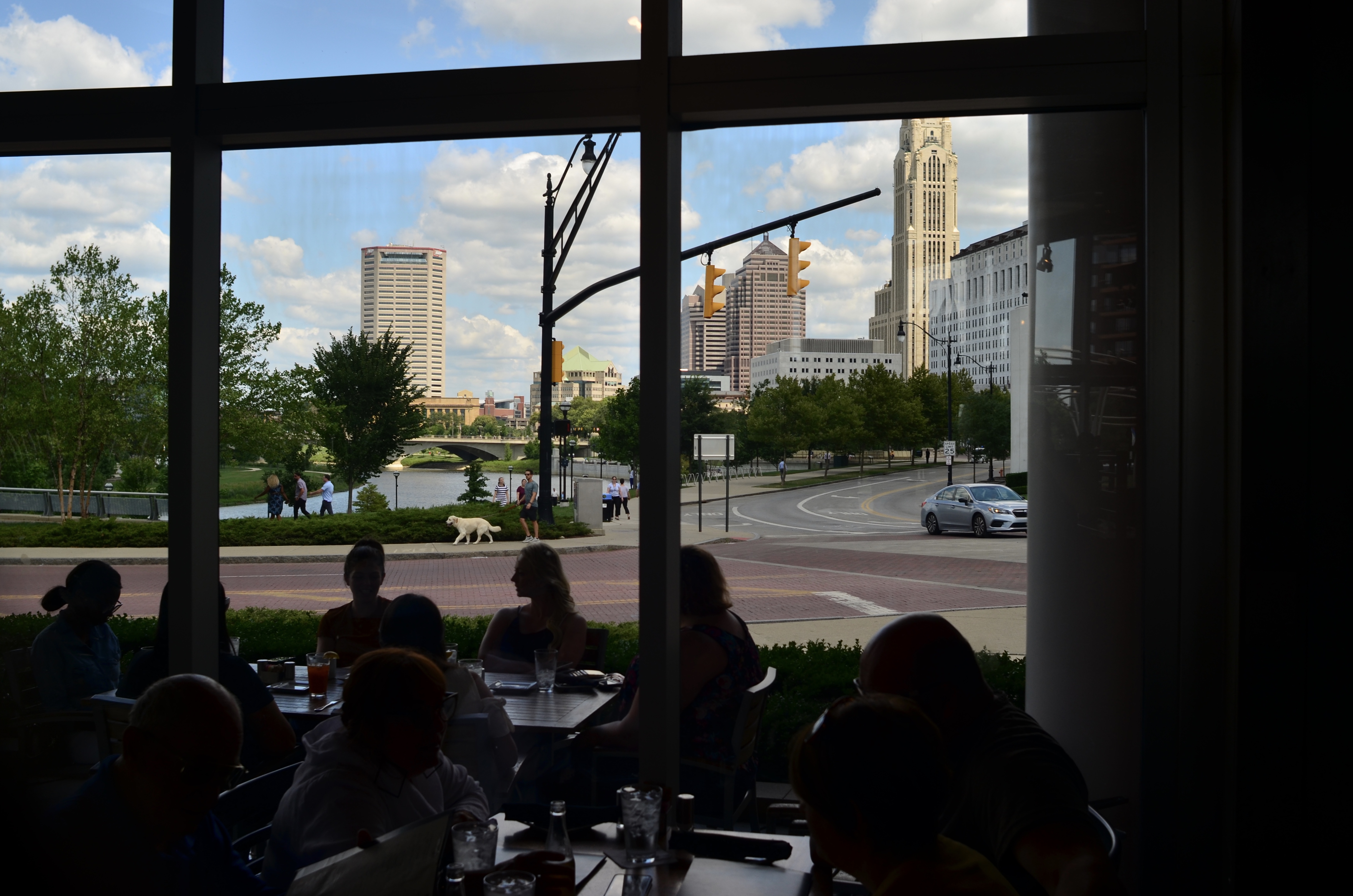
Looking at my own stuff between 2009 and 2019, I can see several shifts in emphasis that have shaped the way I make pictures today. For example, over that period, I re-embraced prime, or single focal-length lenses, which had been a fundamental part of my film years but which temporarily got supplanted by the first kit lenses and moderate zooms of the digital era. I also came to greatly reduce my use of ultra-wide angle glass, settling on 24mm as about as wide a frame as I would ever shoot. Also, after flirting with auto and semi-auto shooting modes with my first DSLRs, I resumed another old school habit, that of shooting on full manual. Along with millions of others, I saw my work with cel phone cameras evolve from “just in case” or “emergency” shots to images that I would purposefully plan, preferring some of the results over those from my “real” cameras. And, overall, I tried to stop just short of a full-on minimalist approach to gear, trying to do more and more with less and less. That meant eschewing flash almost completely, and choosing in-camera technique over post-processing whenever possible. For me, the real magic still happens inside the box, one momentary impulse at a time.
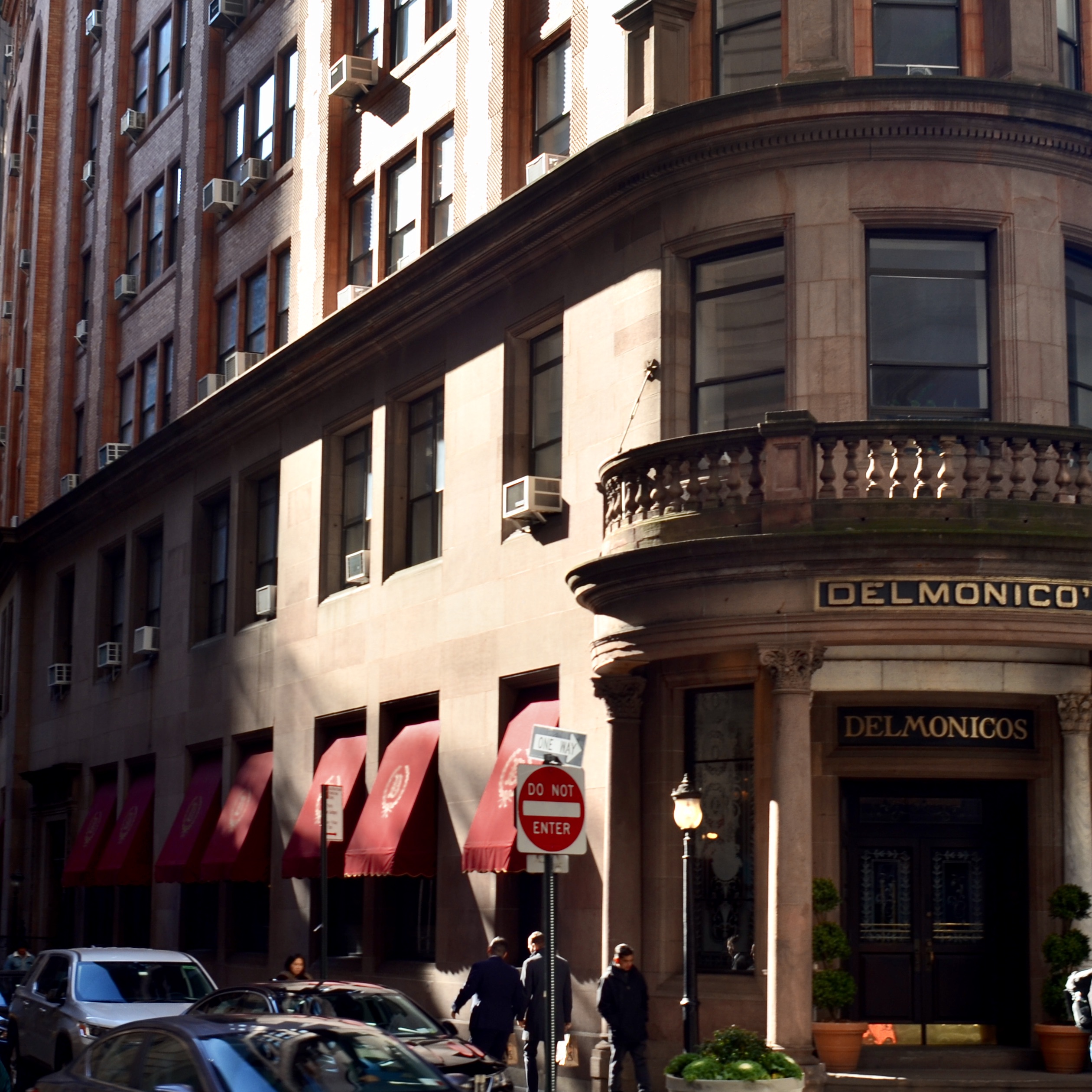
The biggest change for me over the last ten years, however, was far more fundamental, as I seem to have completely reprioritized what I look for in an “acceptable” picture. As the decade began, aware as I was of the contrast limits of the first digital sensors, I sought a way to rescue every single iota of detail from the darker portions of my pictures, even as I accented sharpness and focus with near-religious zeal. That led me to work heavily with the HDR platform Photomatix, taking multiple exposures of single subjects which were then blended to amp up every grain of sand and woodgrain. The pictures looked dramatic in their “equalizing” of all tones, from dark to light, but which could often result in an over-cooked, glowing surreality. A slightly more restrained 2011 example of my HDR “period” is shown above.
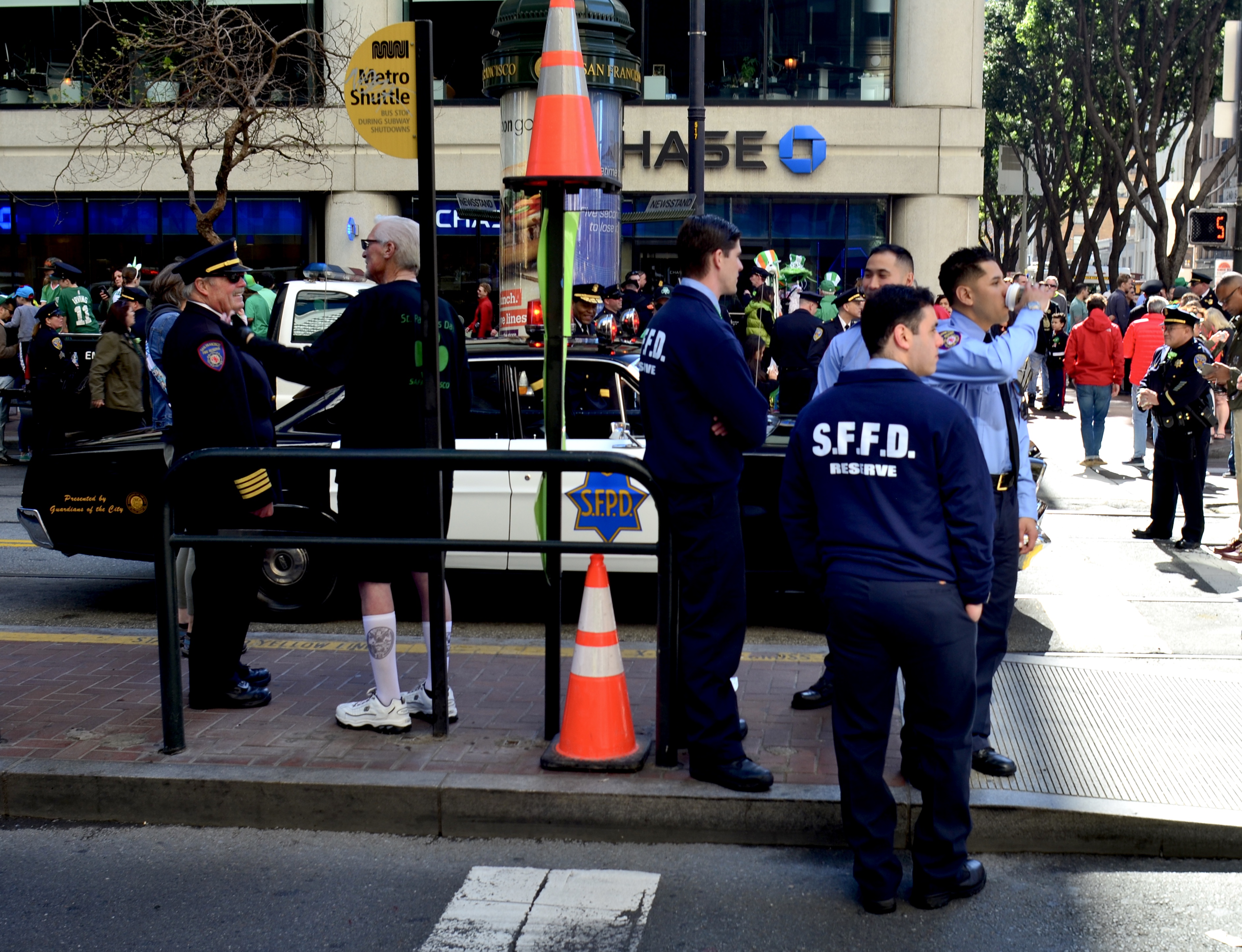
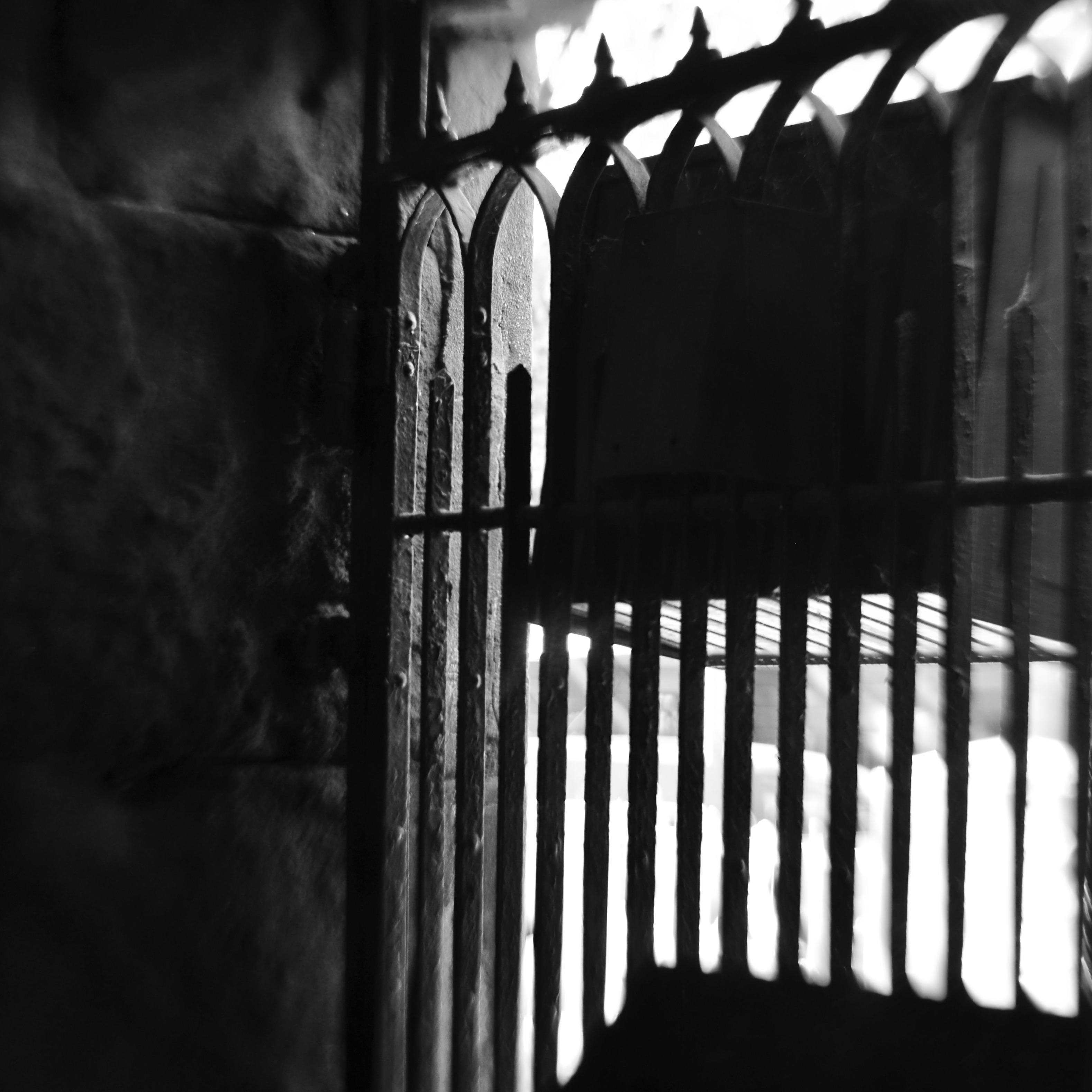
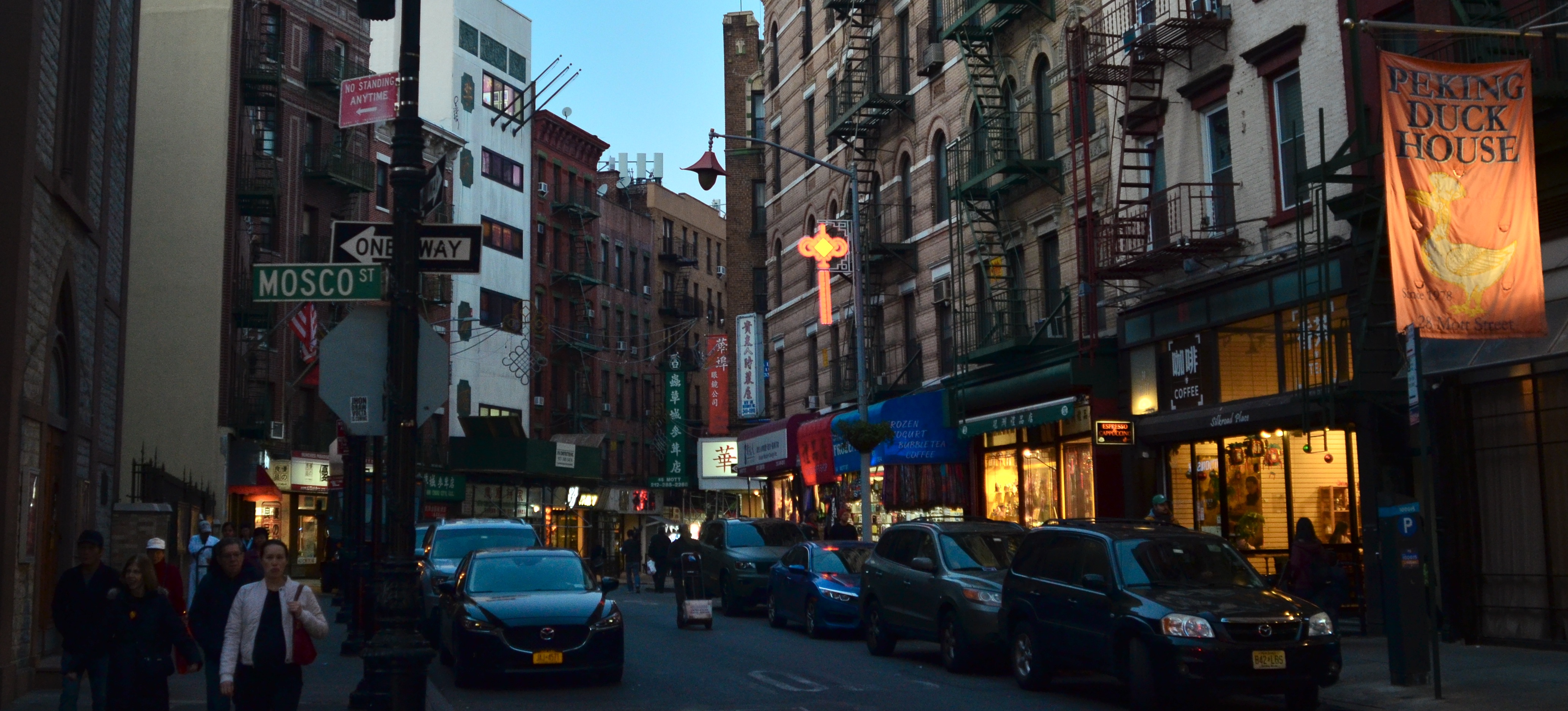
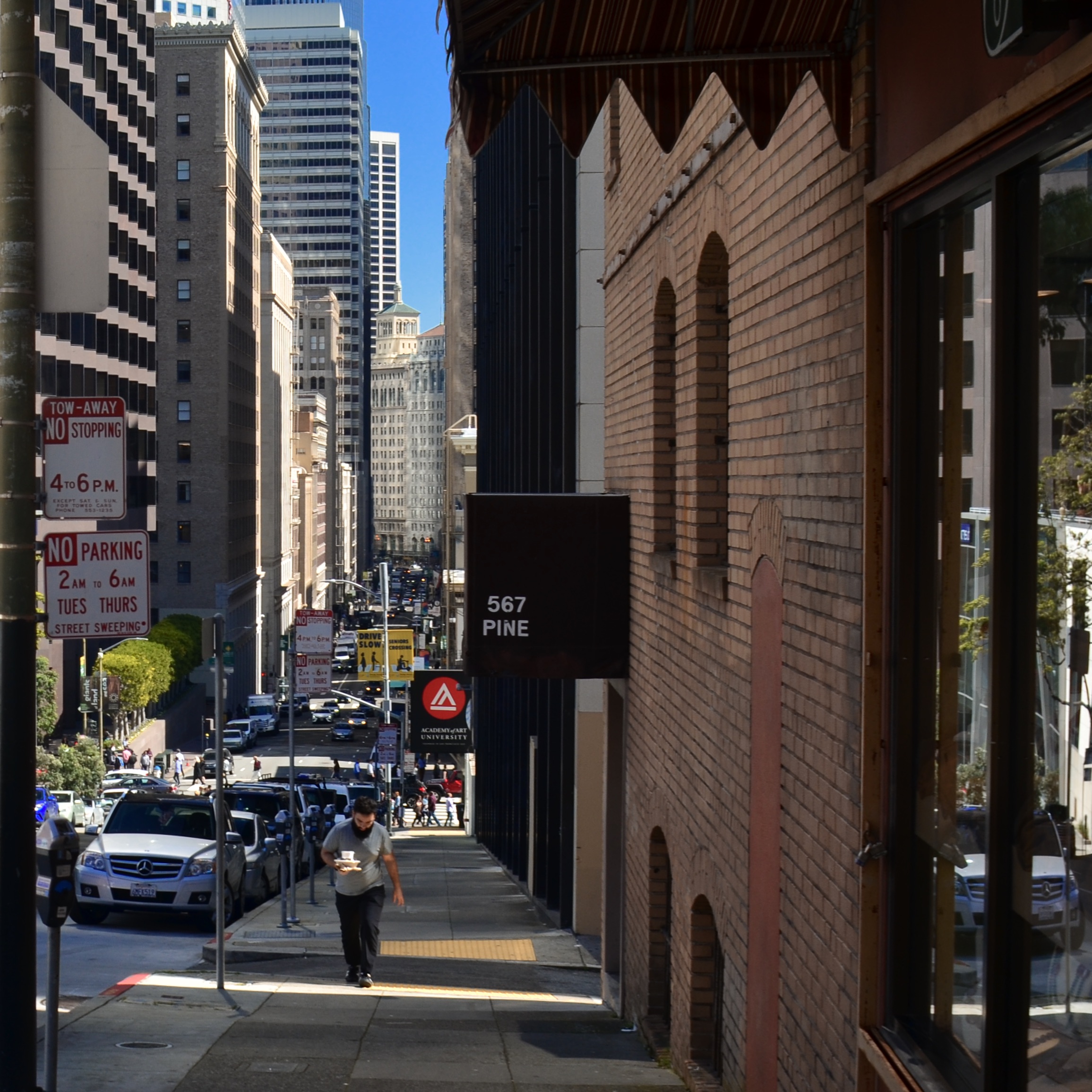
By contrast, around the middle of the decade, I began to value subjects for a different kind of narrative impact, things that were allowed to be softer or even selectively underexposed. In a sense, I started to regard sharpness and focus as negotiable for certain pictures, not merely allowing backgrounds to fuzz out in contrast to foregrounds, but using Lensbaby and other “art” lenses to select things within a single foreground plane that could be softened in reference to others in that same plane…assigning additional focus priorities within the overall focus strategy. An example of this approach is seen here, in a crowded San Francisco street scene from earlier this year.
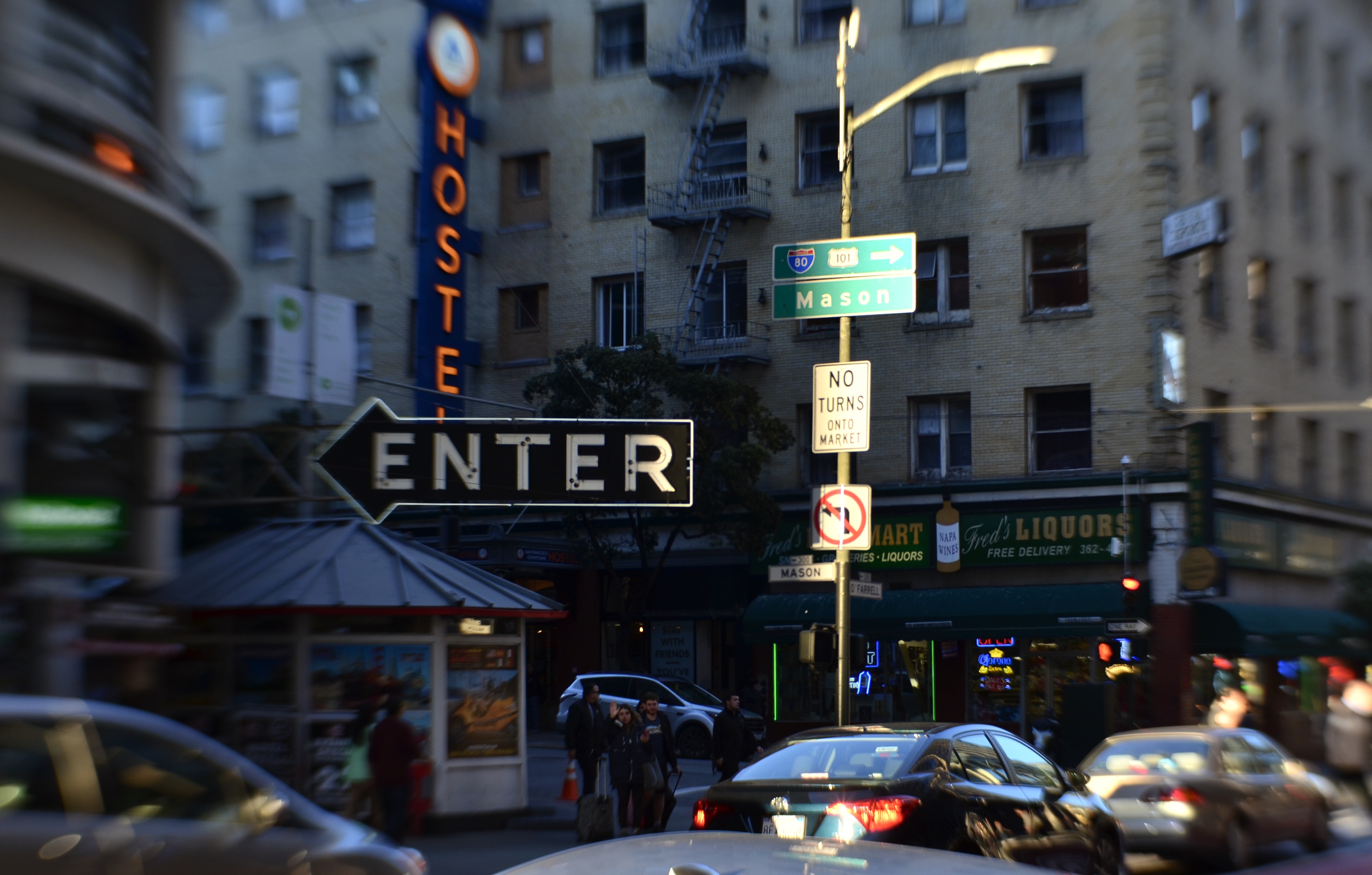
Hurtling Toward Everywhere, 2019. Shot with a Lensbaby Sweet 35 tilt-shift lens, which can place the focal “sweet spot” variably within the frame.
Over the last ten years, my images, especially the urban scenes, have gradually taken on a looser look, a more dreamy, if less “realistic” aspect. These new pictures are not just “captures” of things that pass in front of me, nor are sharpness and perfect exposure the only objective in photographing them. Instead, I like to hope that their non-specific quality will invite a more interpretive look from the viewer. Since everything isn’t spelled out or recorded in such photographs, there’s breathing room in them for anyone to supply his or her own detail (or not). I don’t always produce pictures like this now, but I am far more open to the idea of relinquishing control than I was ten years ago. Progress? Who knows? End-of-decade lists don’t really make a statement about “better” or “worse”. They are only reflections that, as the mind is always in flux, so, too, must any products of that mind be.
Happy New Year.
Happy New Pictures.
Happy New Adventures.

 thenormaleye
FINDING THE RIGHT FACE
Mother Courage, 2019
By MICHAEL PERKINS
HISTORY DOES NOT HAPPEN WITHIN THE STORMY SURGE OF A CROWD, but with the quiet, agonized turning of individual hearts. One heart at a time, that’s how the world is turned…..or overturned.
Protests and demonstrations are a natural magnet for photographers. They appeal to the journalist in all of us, as street photography meets street theatre in a roiling mix that maybe, just, maybe will allow us to trap history inside our magical boxes. Thing is, certain surface elements of marches and public gatherings are dismayingly uniform: the sea of signs, the crush of bodies, the speaker’s rostrum….and masses of angry/jubilant faces. Photographers realize that world-changing events are really about faces, more than any other visual element. We look for features that record the raw essence of those events: pity, fear, exhilaration, relief, anger. Finding the right face within a mass gathering is the toughest assignment for anyone hoping to use a camera to record the over-large mash-up of sensations within a movement. A solid wall of people with signs isn’t the real story: what brought individuals to the site is the only message that can be trusted. You must fan past the mass of noise to find the quiet at the center.
You need not pick a side in a struggle to record what it costs people to invest their energy in having picked one themselves. The woman seen here, standing near an improvised speaker’s platform, may never have seen herself as a force to change the world. She is not triumphant: she is not a bomb-hurler: she doesn’t share in the giddy me-tooism of youth: she may actually wish she were somewhere else, even as something has told her she must be only here, right now. The parade/protest will rage on in big waves of zeal, but her emotion, at least in this moment, is not one of celebration. She is not having a good time. But written in her apprehension is something universal, eternal.
The human race seems, age after age, to be in search of the same basic things. The drama in our lives is defined by the path we choose to reach those things. And all of our quests force their way up into our features. Our faces betray what path we’re on, and why. There is no wisdom in the mob, unless it is in the wisdom of one face after another, all of whom, on the same day, strangely found themselves standing in the same spot.
Share this:
Posted by Michael Perkins | December 18, 2019 | Categories: America, Commentary, Editorial | Tags: Candids, Street Photography | Leave a comment