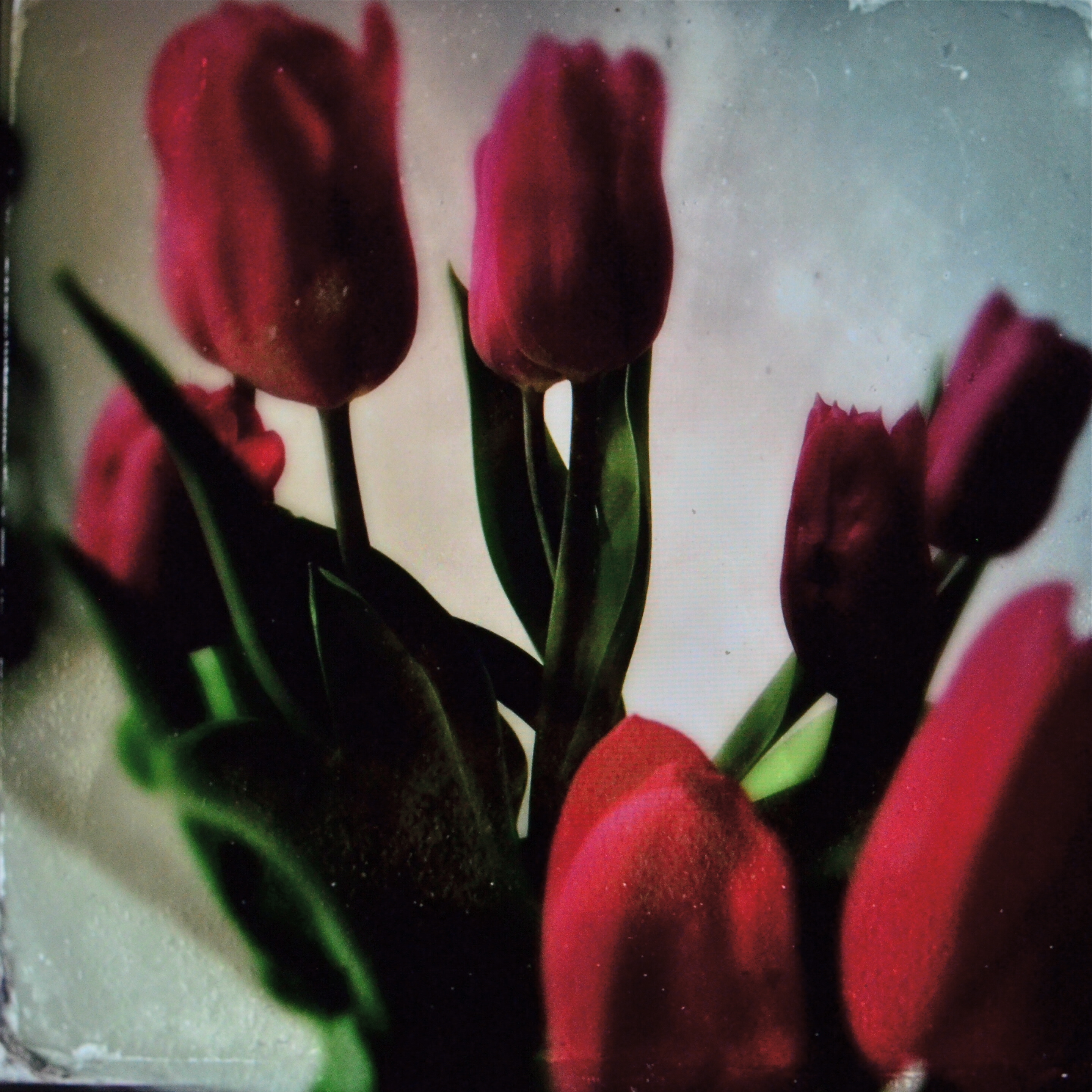
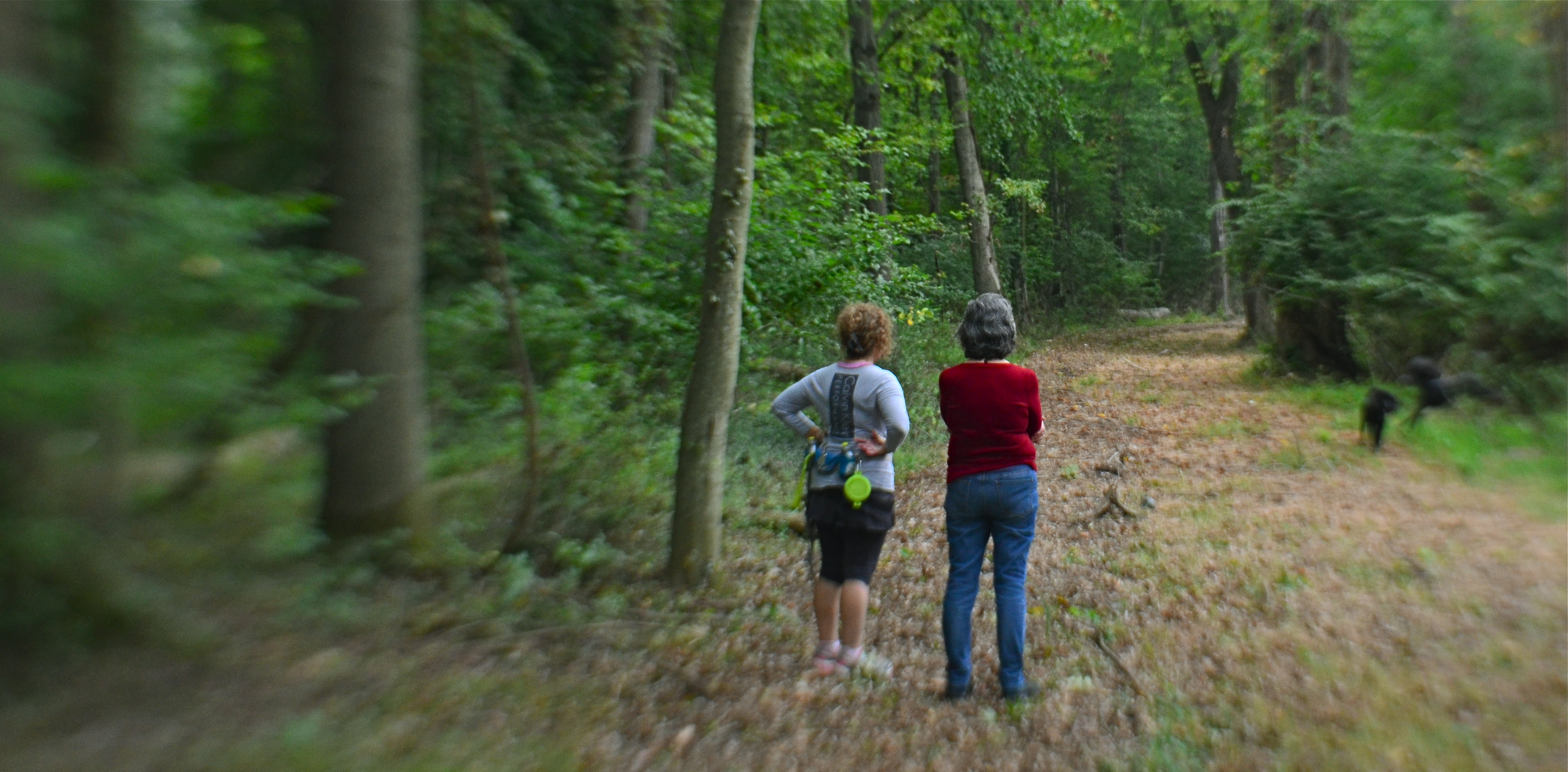
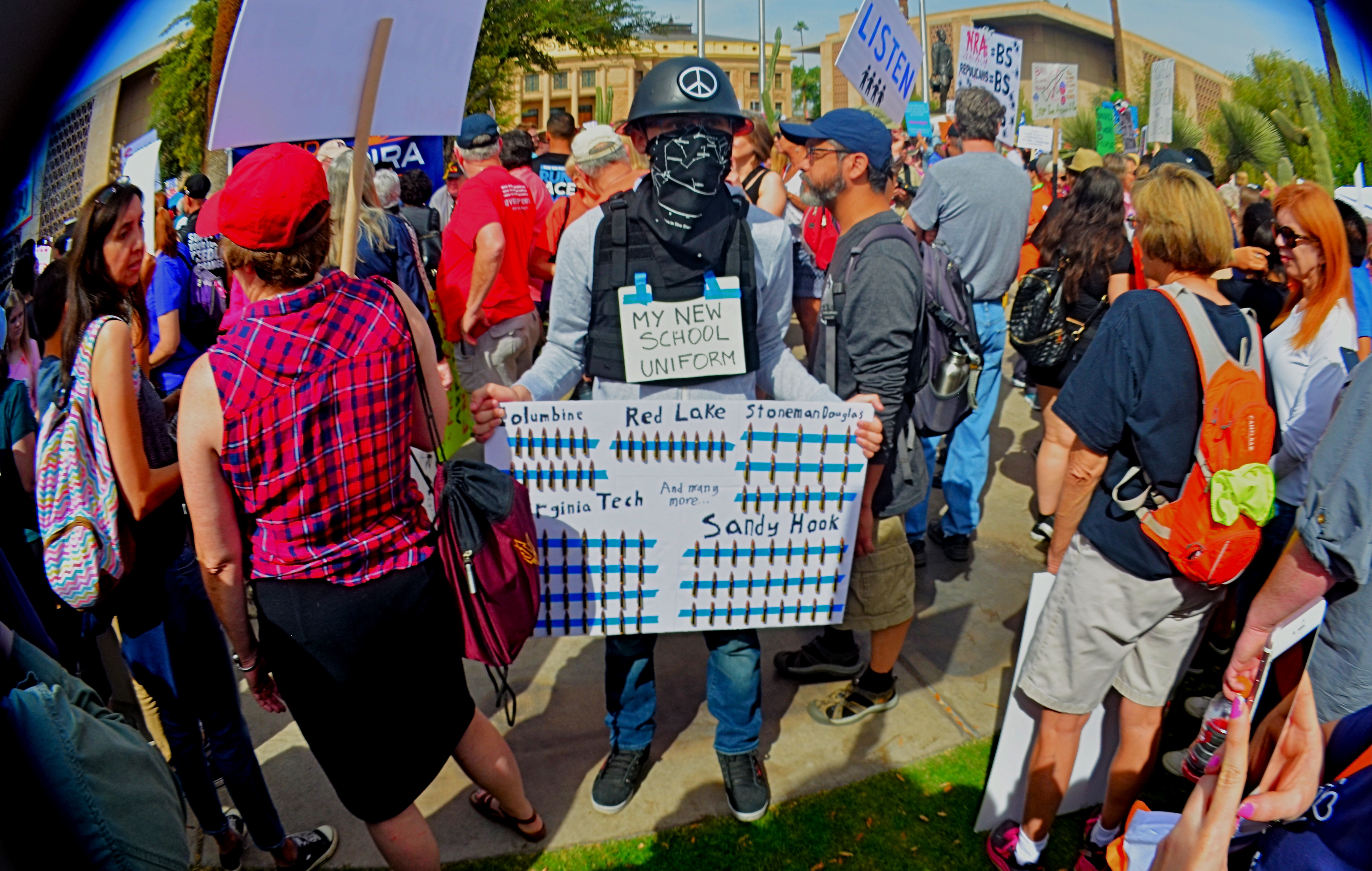
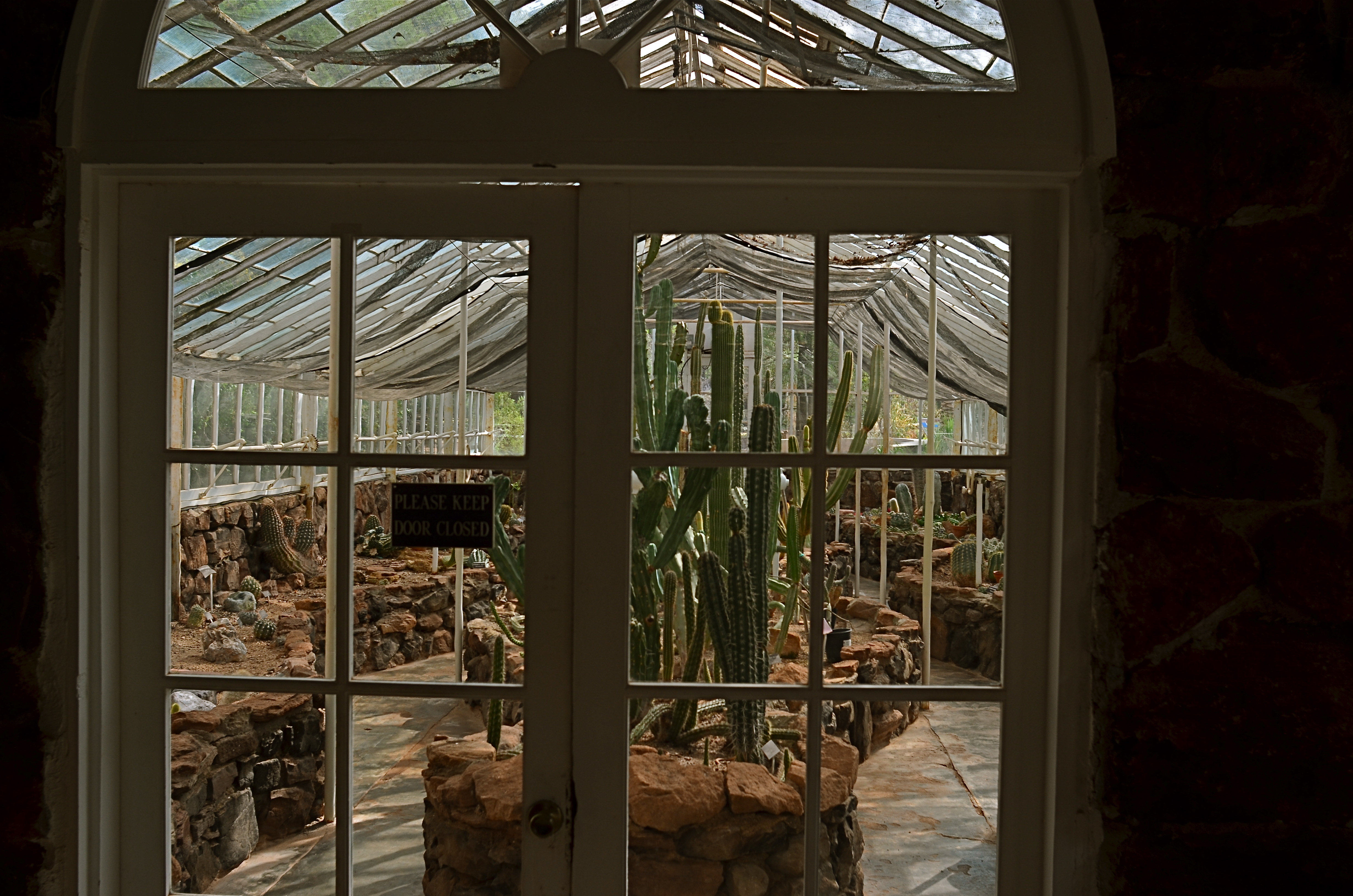
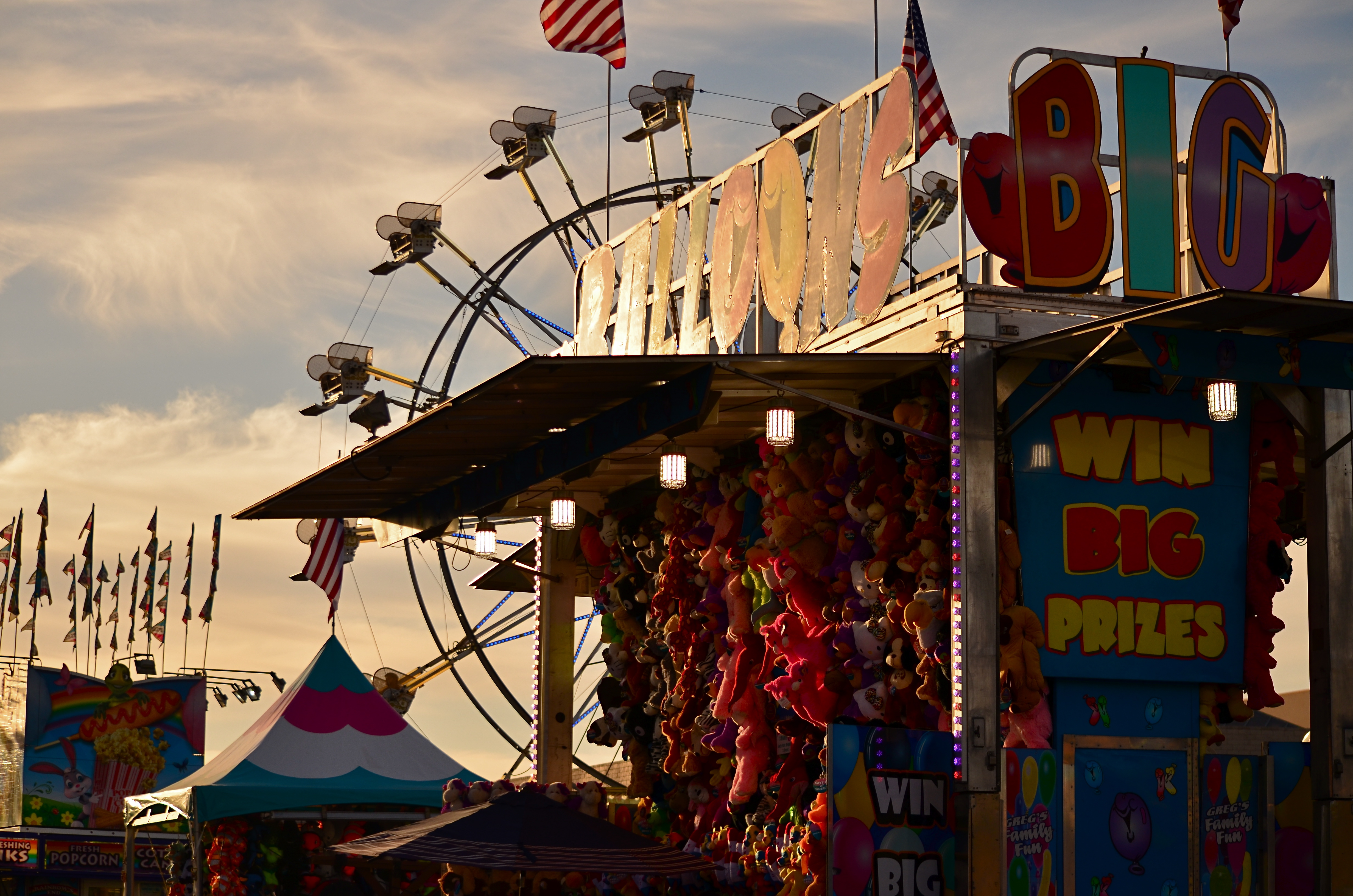
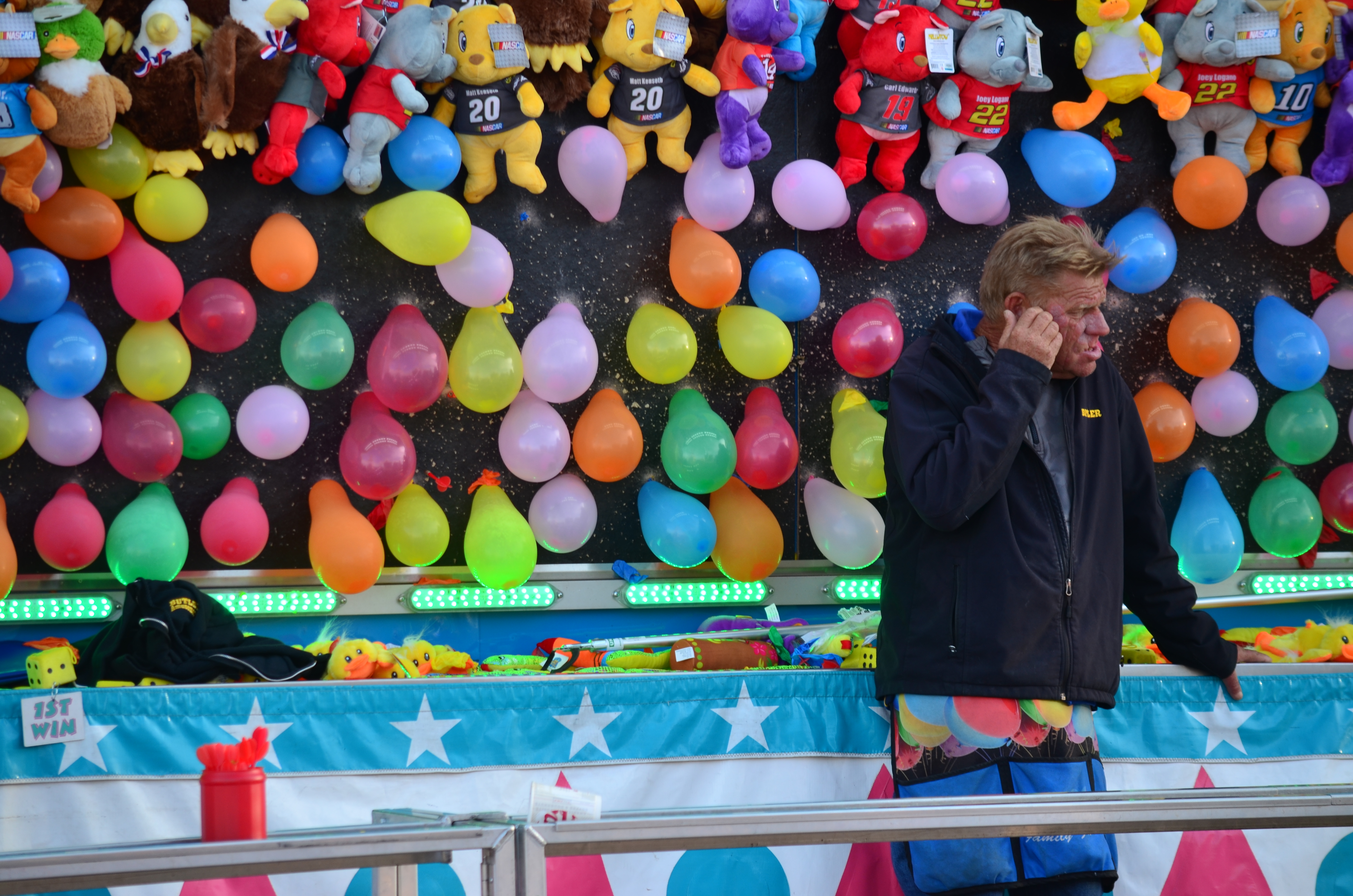
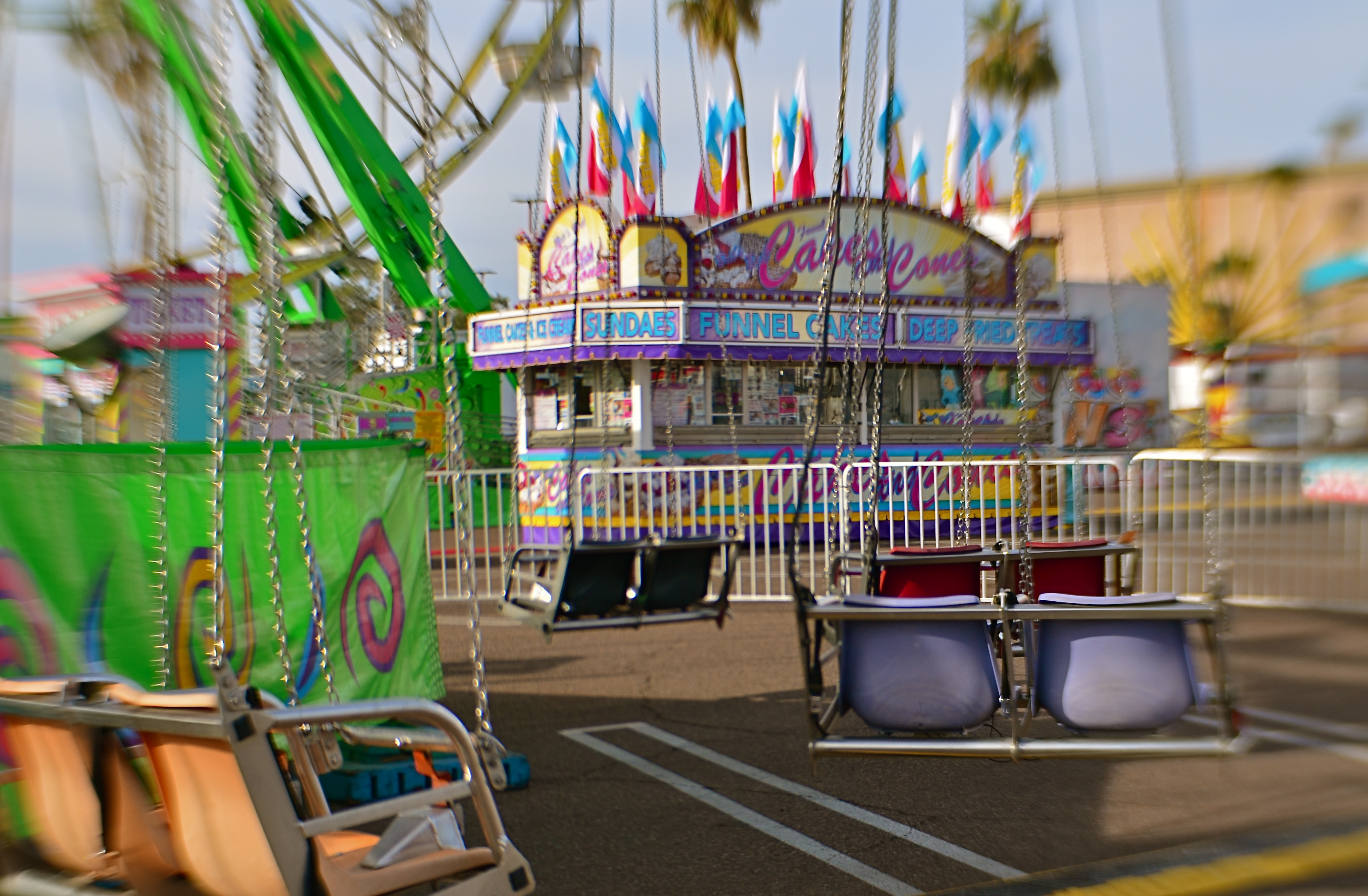
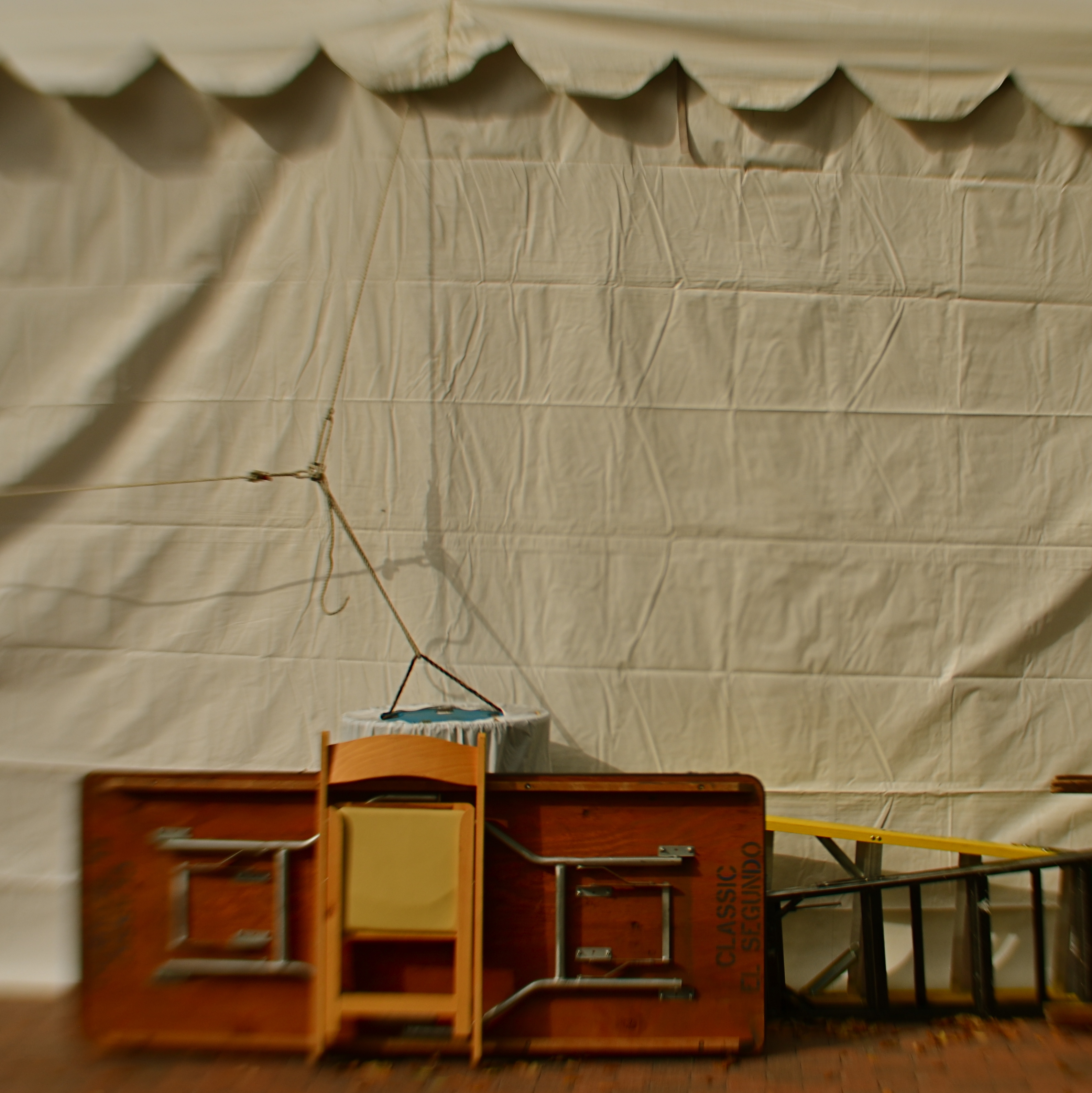
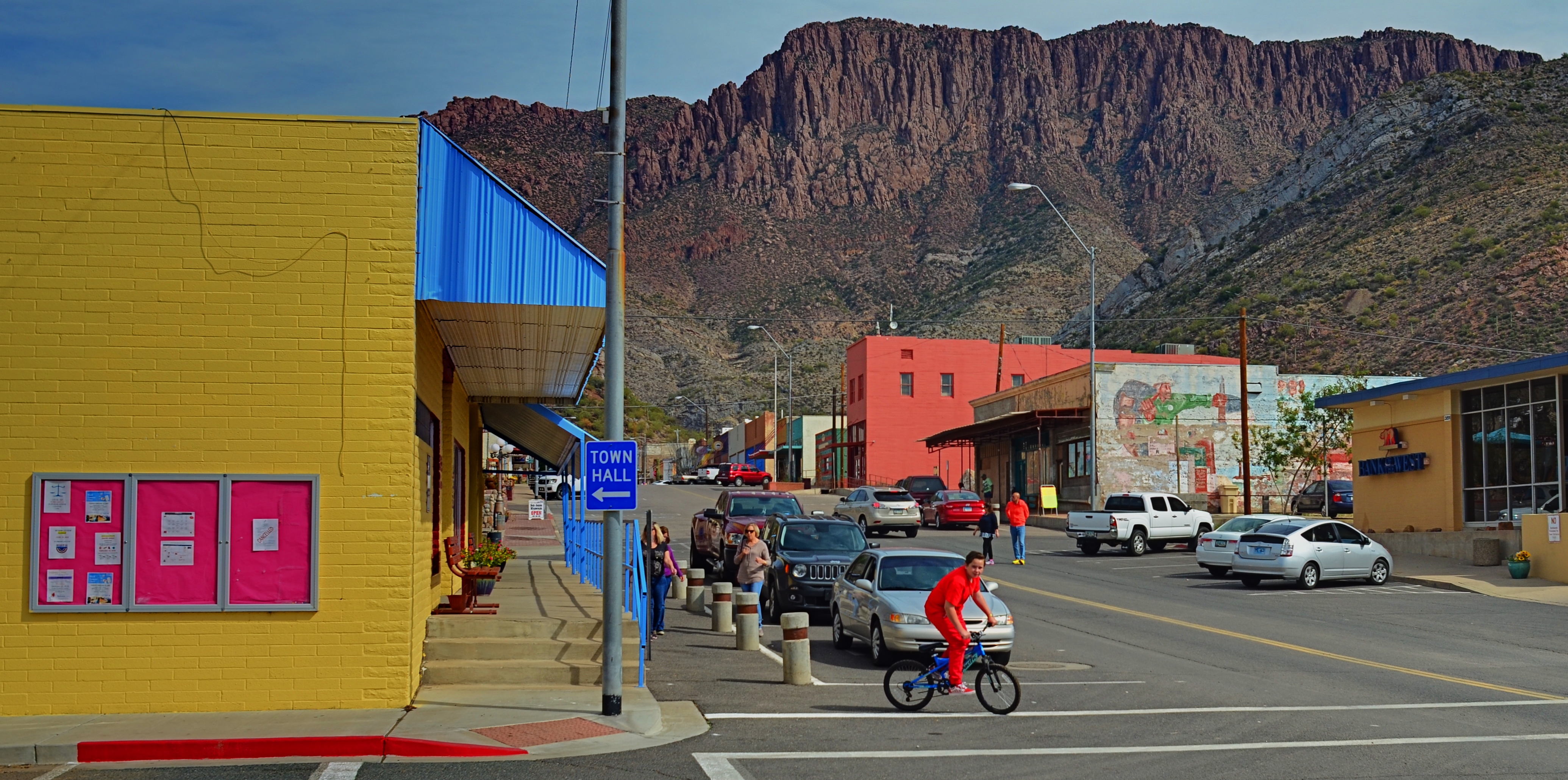
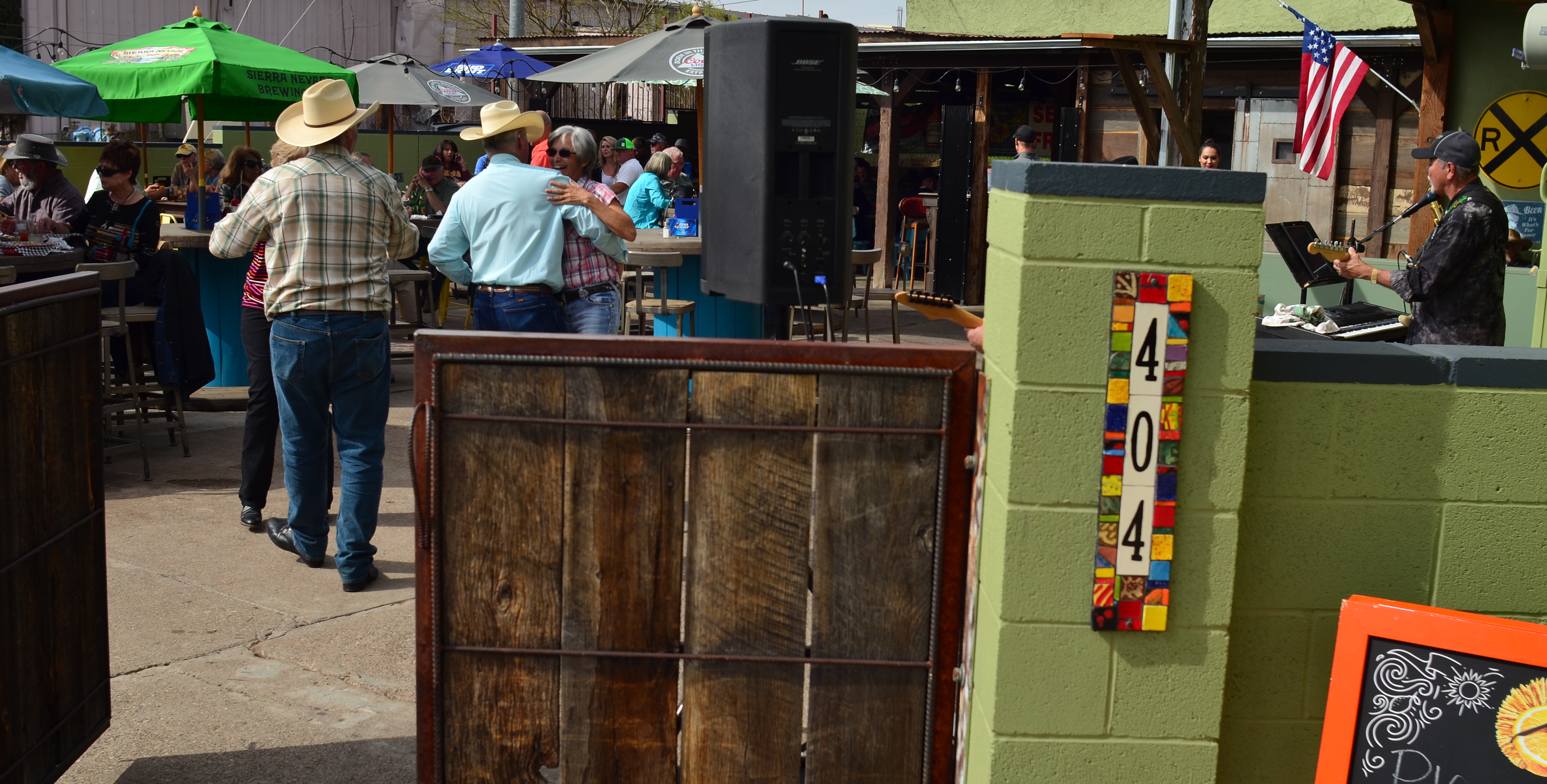
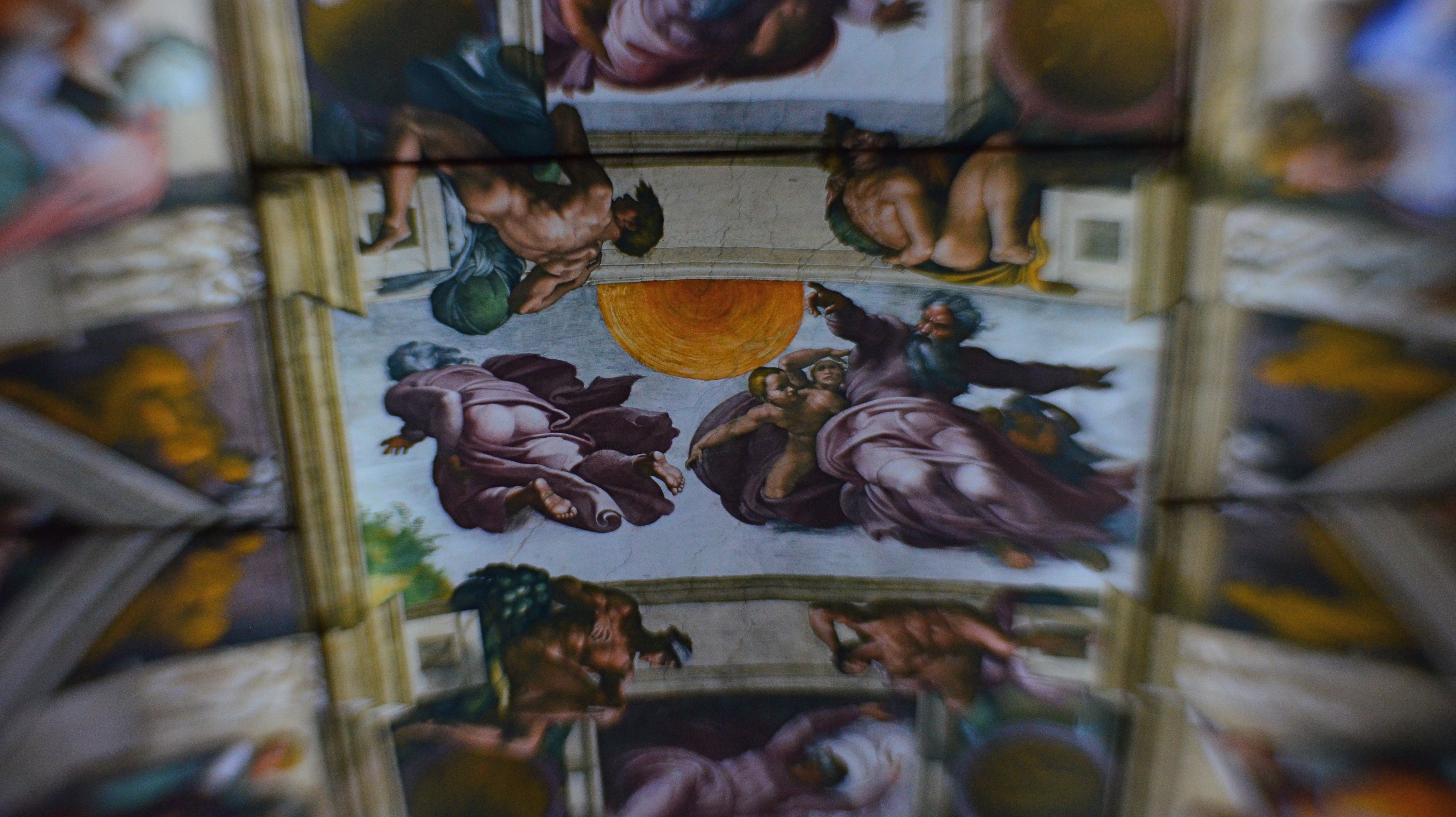
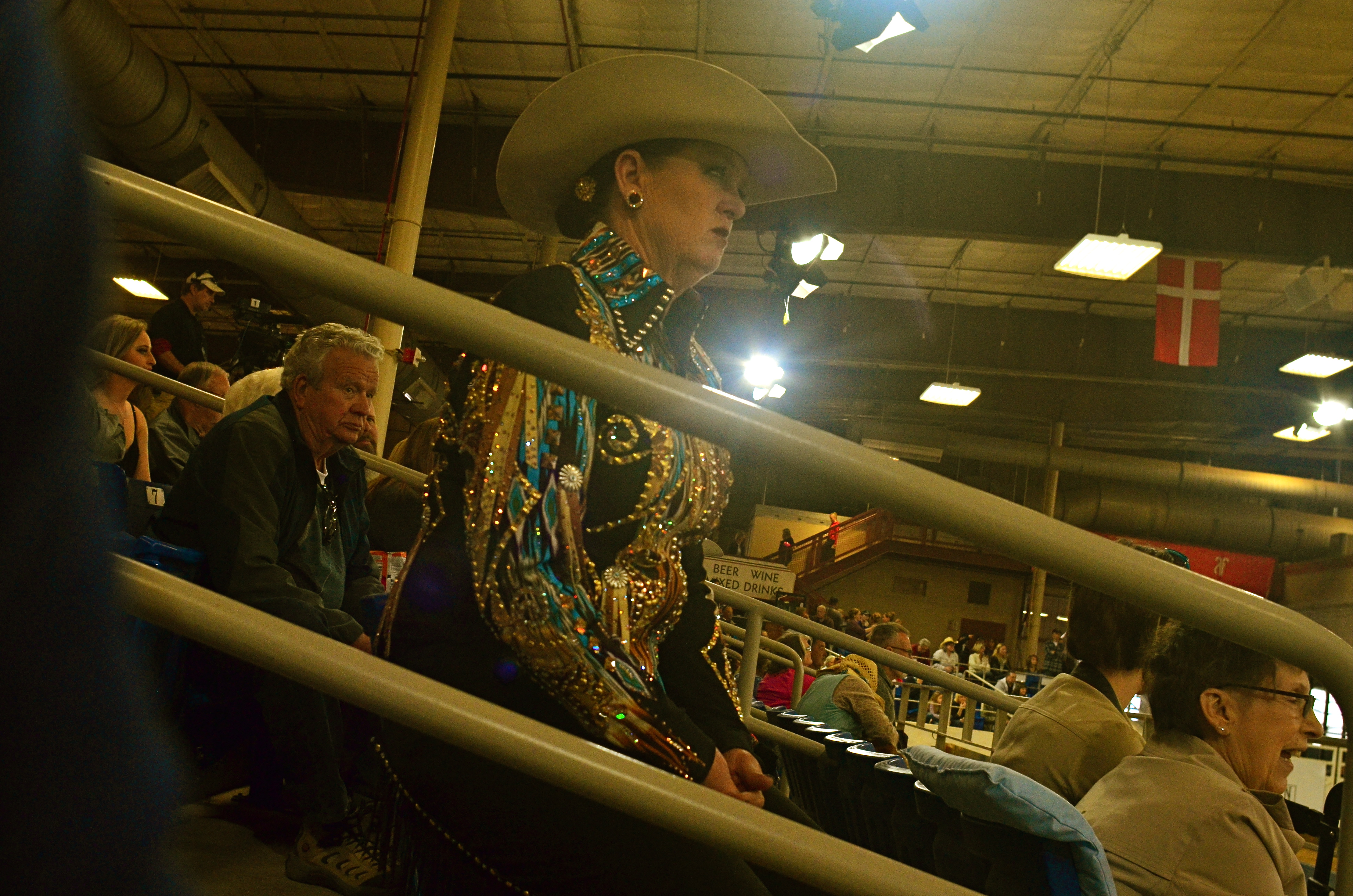
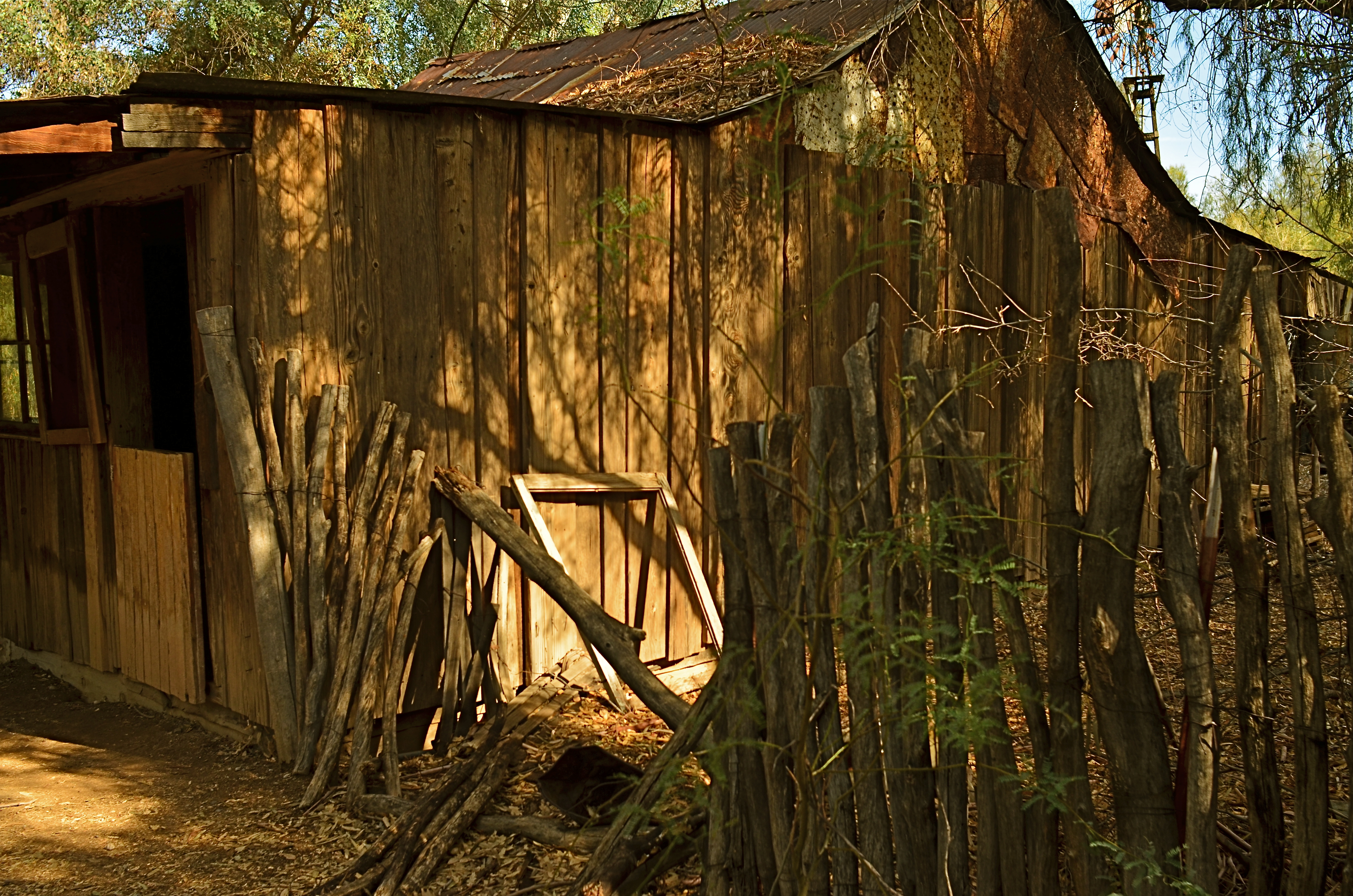
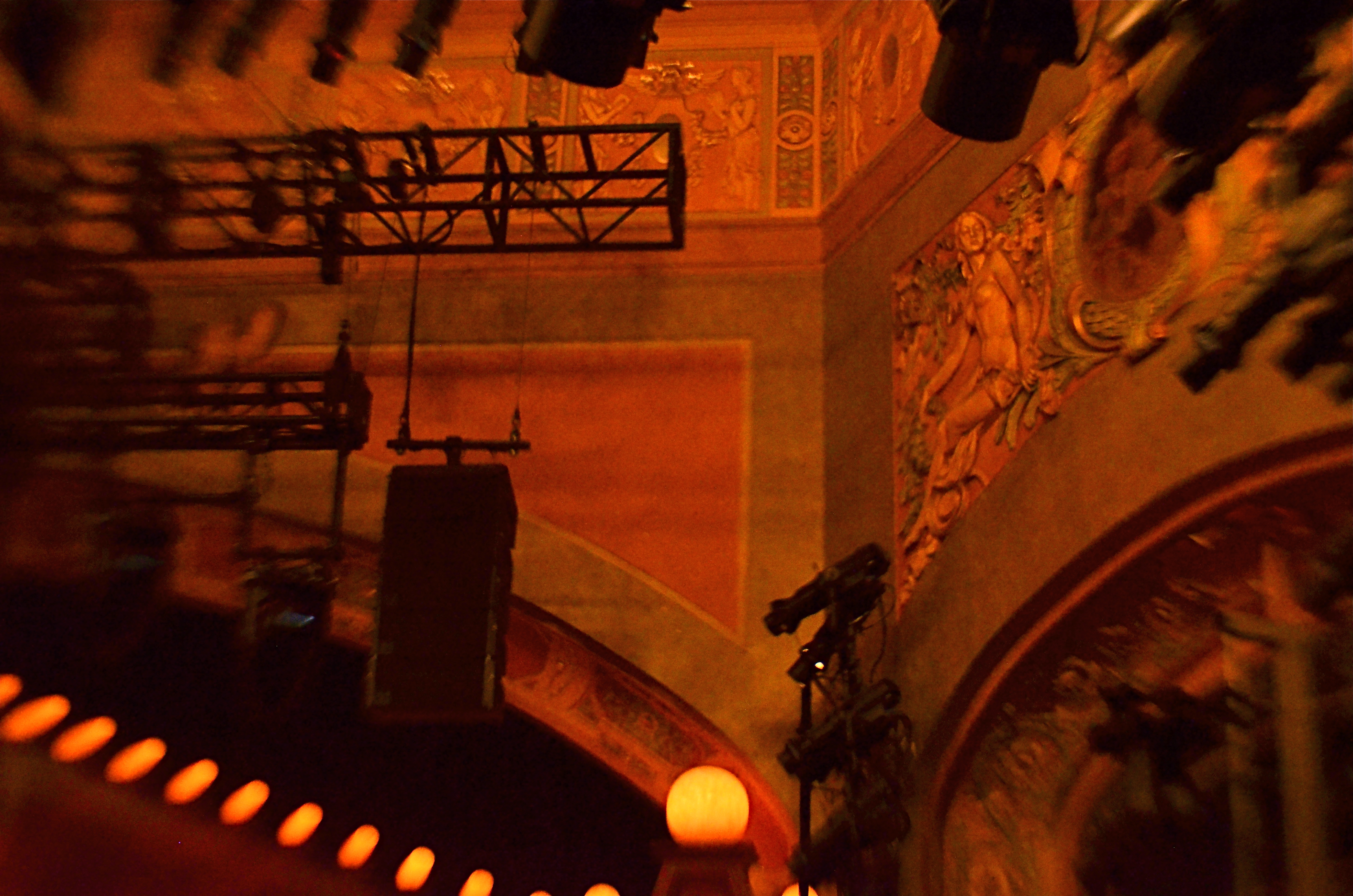
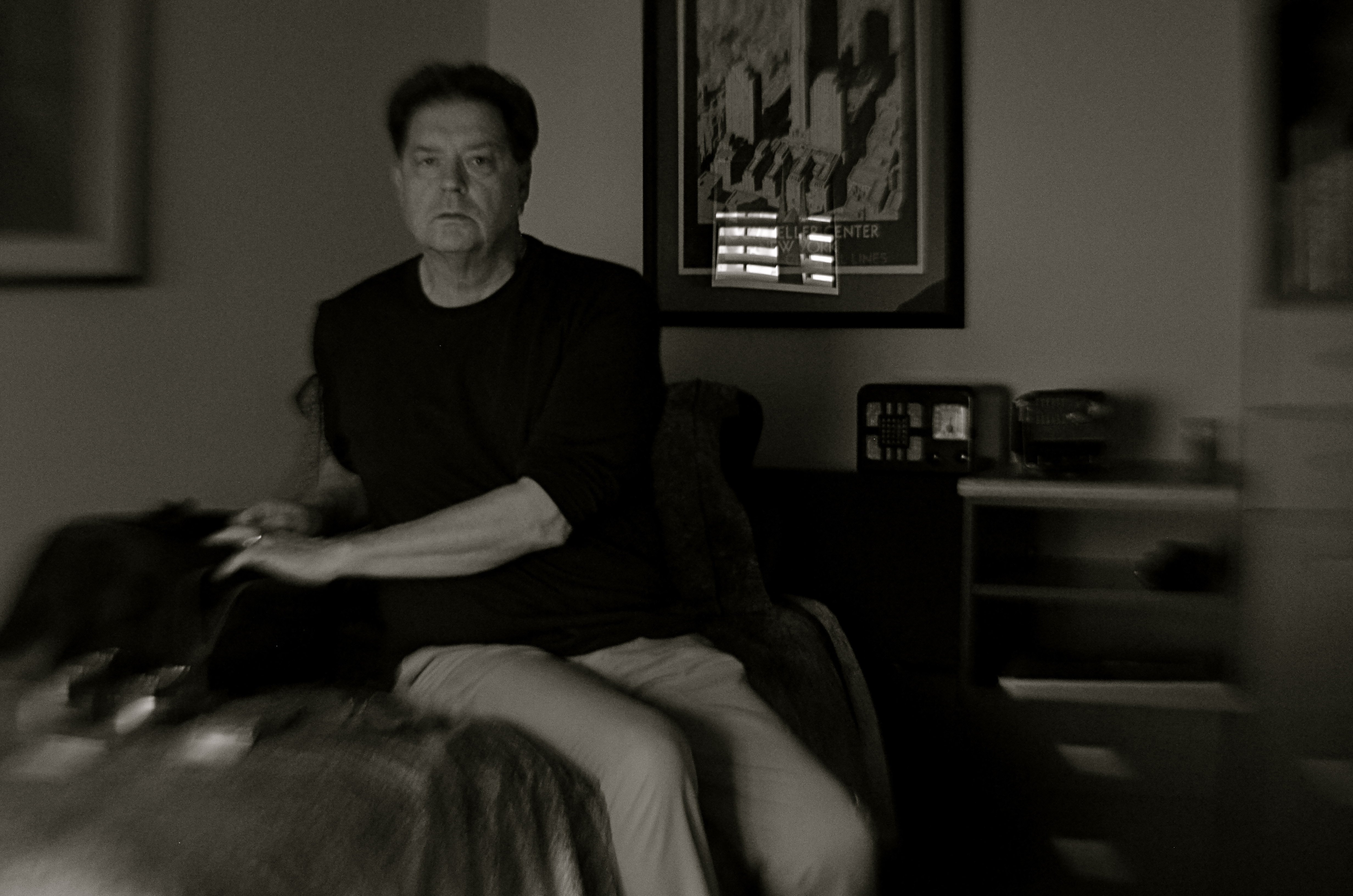
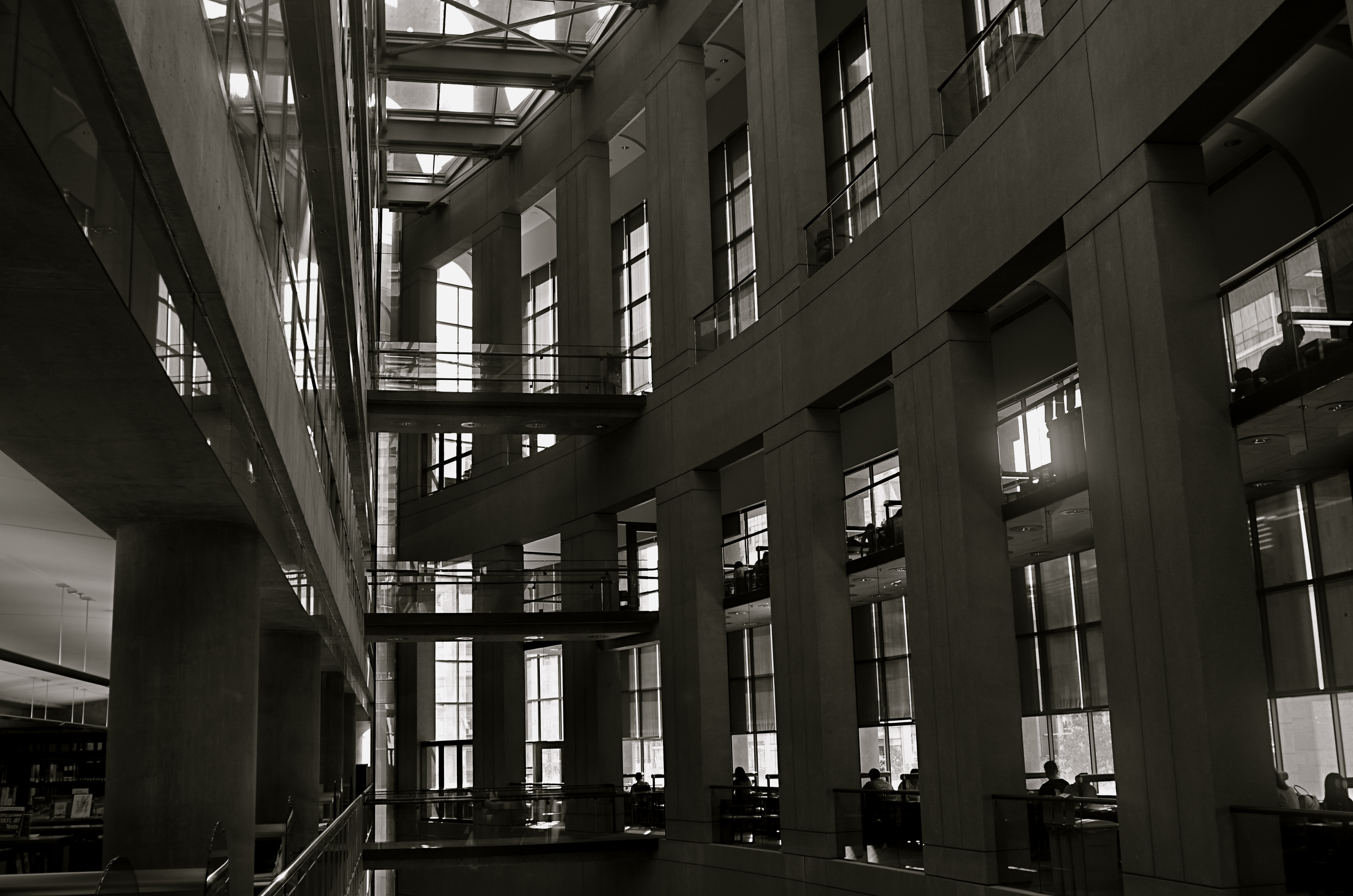
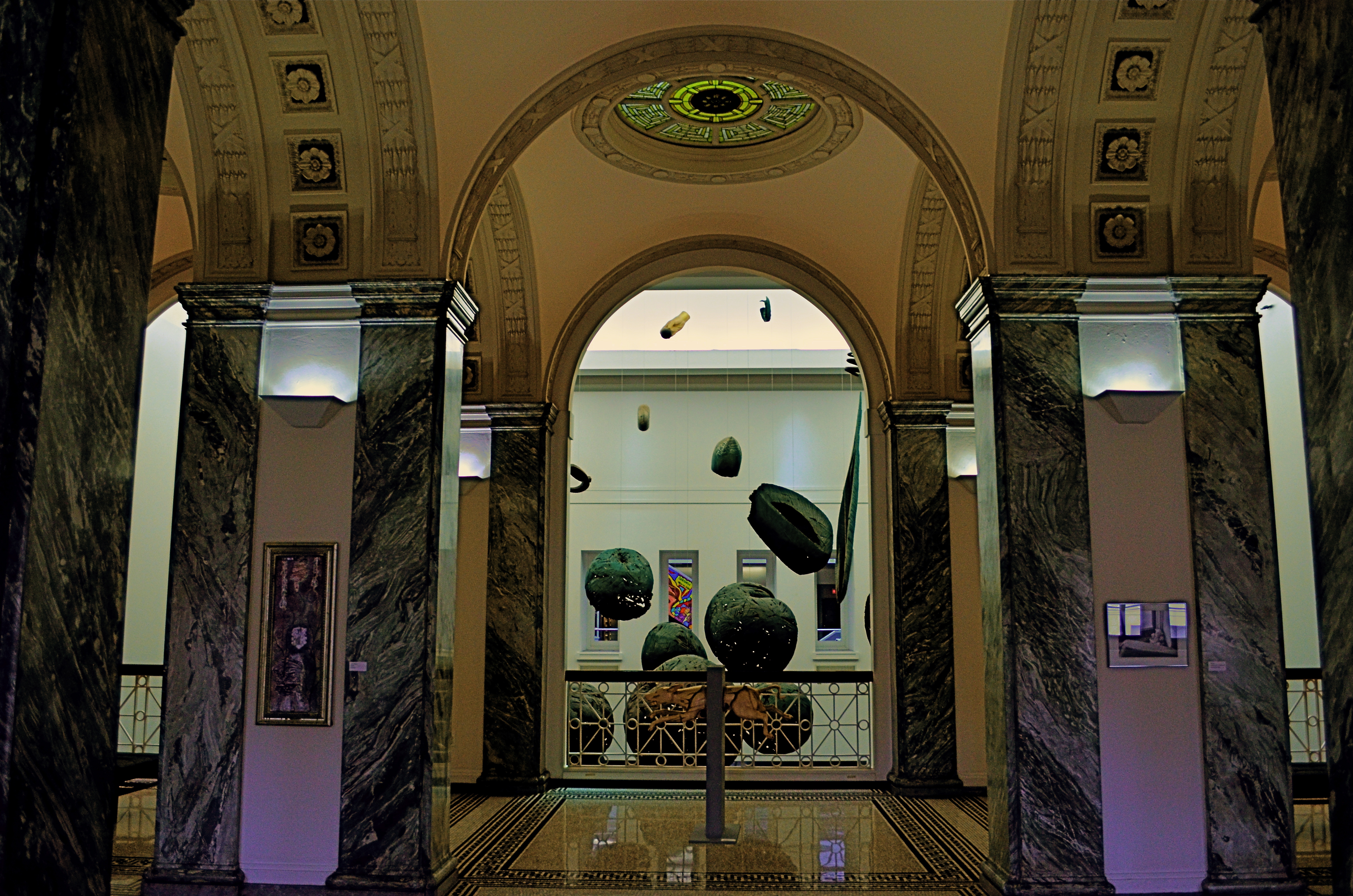
A cellphone shot modified with Hipstamatic’s dedicated “Tintype” app.
By MICHAEL PERKINS
GEORGE EASTMAN’S INTRODUCTION OF ROLL FILM onto the world camera market in 1884 became the biggest single factor in the mass popularization of photography. But it was not the first process to make pictures fast, easy, portable, or affordable. That honor must go to the humble tintype.
All of photography’s earliest processes were slow, inefficient in their use of light, and extremely perishable. Daguerreotypes, which recorded pictures as a positive developed on a chemically treated glass slide, created crisp, almost three-dimensional images, but they produced no negatives and were fragile, expensive one-of-a-kinds.Their long exposure times kept photography a prisoner of the studio, as well as pricing it out of the average person’s technical and financial reach.
The 1850’s saw the first appearance of the tintype, a process which recorded pictures on treated steel (no tin was ever used, ironically). This was something else again: itinerant shutterbugs at fairs and festivals could be trained to make them with a minimum of technical skill, and at a fraction of the time per exposure, with a finished portrait delivered to the customer within minutes. Better still for the tintype was its durability and portability. Thousands of servicemen posed for them before enlisting for the Civil War, and thousands more carried “counterfeits” of their sweethearts into battle. Tintypes became the everyman’s first personal photographic keepsake. They were Polaroids before Polaroid.
Like the daguerreotype, the tintype was irreplaceable, since it also produced no negative. Each image was also marked by its own visual tattoos, as uneven application of emulsion on the metal or surface irregularities in the plates”baking” errors into the pictures. Like diamonds, tintypes were beautiful partly because of their flaws: their imperfections lent them an unworldly quality, an unspoken time machine cue to the brain, an airy something that purely digital emulations have now brought back, as they have many other classic looks.
Hipstamatic, the most widespread lens and film simulator of the cell phone age, sells its own dedicated Tintype app, a cute faker that generates artificial plate grain, the random edges that occur with well-worn souvenirs, the random sharpness, even the option of decorating the conversion of your full-color original photo with the appearance of the hand-tinting of the early 1900’s. A useless toy? Perhaps, if all you do with it is to make a snap of your lunch look “retro”. But this is the world we live in: that which was once the leading edge of an art has become our plaything. Or, more precisely, tintype technique can only become either toy or tool, goldmine or gimmick, depending on whoever’s at the helm.



 thenormaleye
INTIMATE STRANGERS
Colin Patrick Perkins, December, 2017
By MICHAEL PERKINS
AT THIS STAGE OF MY LIFE, I find myself playing two conflicting games of “who’s there” as regards my identity in the context of generations. On one hand, in front of the shaving mirror, I can clearly see my grandmother’s face pushing its way forward through my own. On the other, I now can see echoes of the “serious” younger man I thought I was being inscribed across the features of my adult children.
It is too late for me to explore my grandmother’s face for further clues, beyond studying the images others made of her. Sadly, as a photographic subject, she was amazingly opaque. I can’t think of a single image of her that reveals or explains an iota of what I know emotionally of her. Looking down into her soul through a photograph is as unlikely as trying to see through a lead-lined wall. As for myself and my three legatees, we seem not only to be facial re-interpretations of each other, but occasionally, a glimpse into what she was as well. Strange.
My children are all serious contenders, in that they believe that life is to be gotten on with, no dilly-dallying, if you please. They are, in that way, far better agents of change and action than I was. Time has begun to burn childhood’s last traces from their features, but the remaining faces are those of big, deep livers, of striver-survivors. Their own legends are now inscribed on them: they are, focused, intentional, resolute, courageous. I see the concern and apprehension I once wore on my own face: I read the uncertainty of their contending in this world. But I also see every laugh, every explosion of joy, every haywire vision and dream that I knew in myself: I see their first giggles, their earliest amazements.
And so, although my camera can only see a fraction of these things unaided, I am now able to provide that aid: I see now with ever-new eyes. These intimate strangers are my teachers, not my students. My grandmother, cipher of raw endurance that she was, might even have recognized herself in these new iterations of old star-stuff. She speaks to me in the mirror, as if to remind me, get it right, boy. Similarly, my children speak to me in pictures, enjoining me to do the same thing.
Share this:
Posted by Michael Perkins | April 15, 2018 | Categories: Commentary, Conception, Documentary, Uncategorized | Tags: Candids, portraits | Leave a comment