By MICHAEL PERKINS
ANYTIME I HEAR A PHOTOGRAPHER EXPLAIN HIS TECHNIQUE in sentences that start with “I always”, my hackles raise…just a little.
You’ve heard people point to stylistic routines that they never break, as if that rigidity were itself a guarantee of consistent excellence. I always shoot in natural light. I always shoot RAW. I always use a red filter…. you get the idea. Let’s agree that there is no gear or procedure which works wonderfully all the time. Every choice we make as photographers means, well, unchoosing other choices. Sometimes that’s a winning strategy. Sometimes it just bespeaks our insecurity or inflexibility.
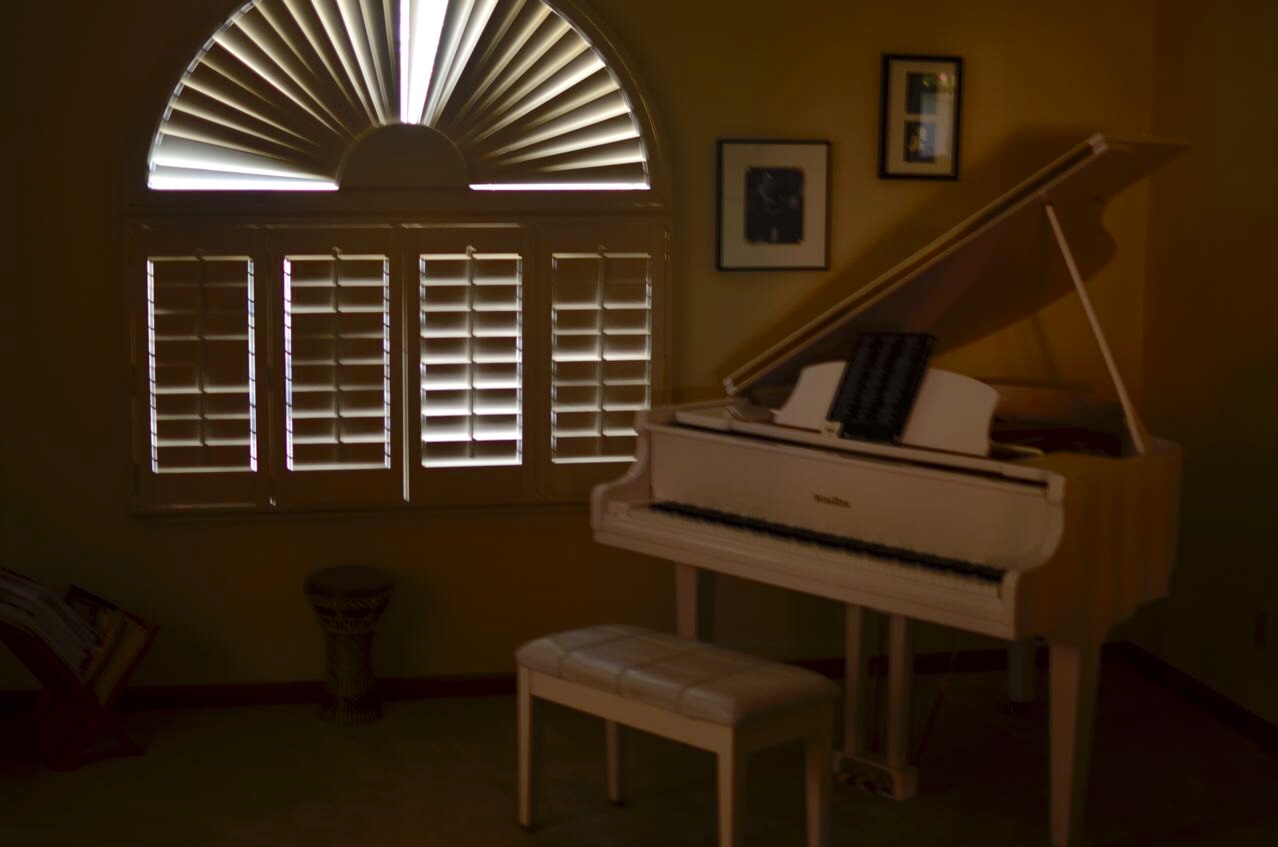
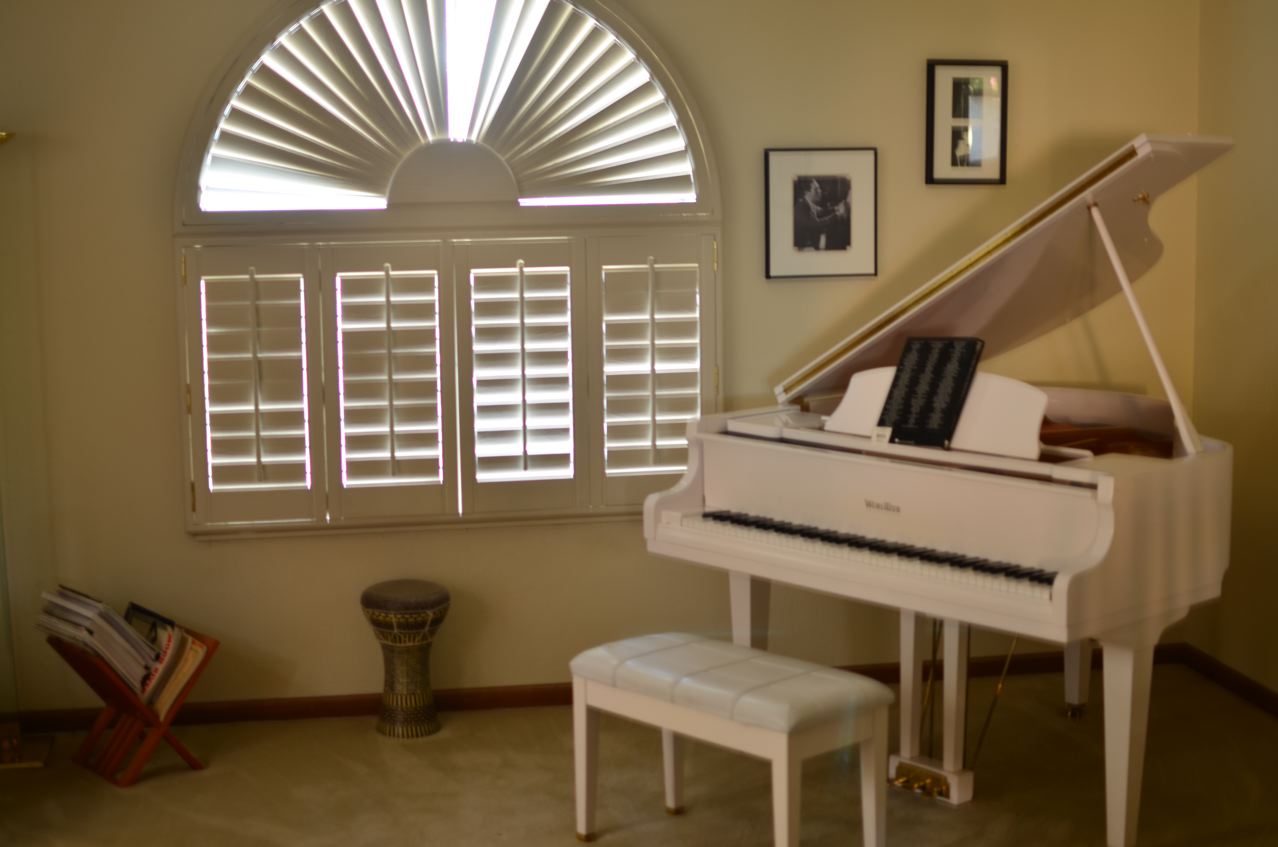
One of the “always” boasts that’s prominent among users of very fast lenses is, “I always shoot wide open” (at the largest possible aperture), as if that’s some miracle prescription. In terms of exposure range, If you’re shooting at around f/2 (or wider, if you’ve laid out a small fortune), you’ve certainly elected to suck in as much light as your lens will allow, and often, that can give you a tremendous advantage over slower lenses. But it comes at a cost.
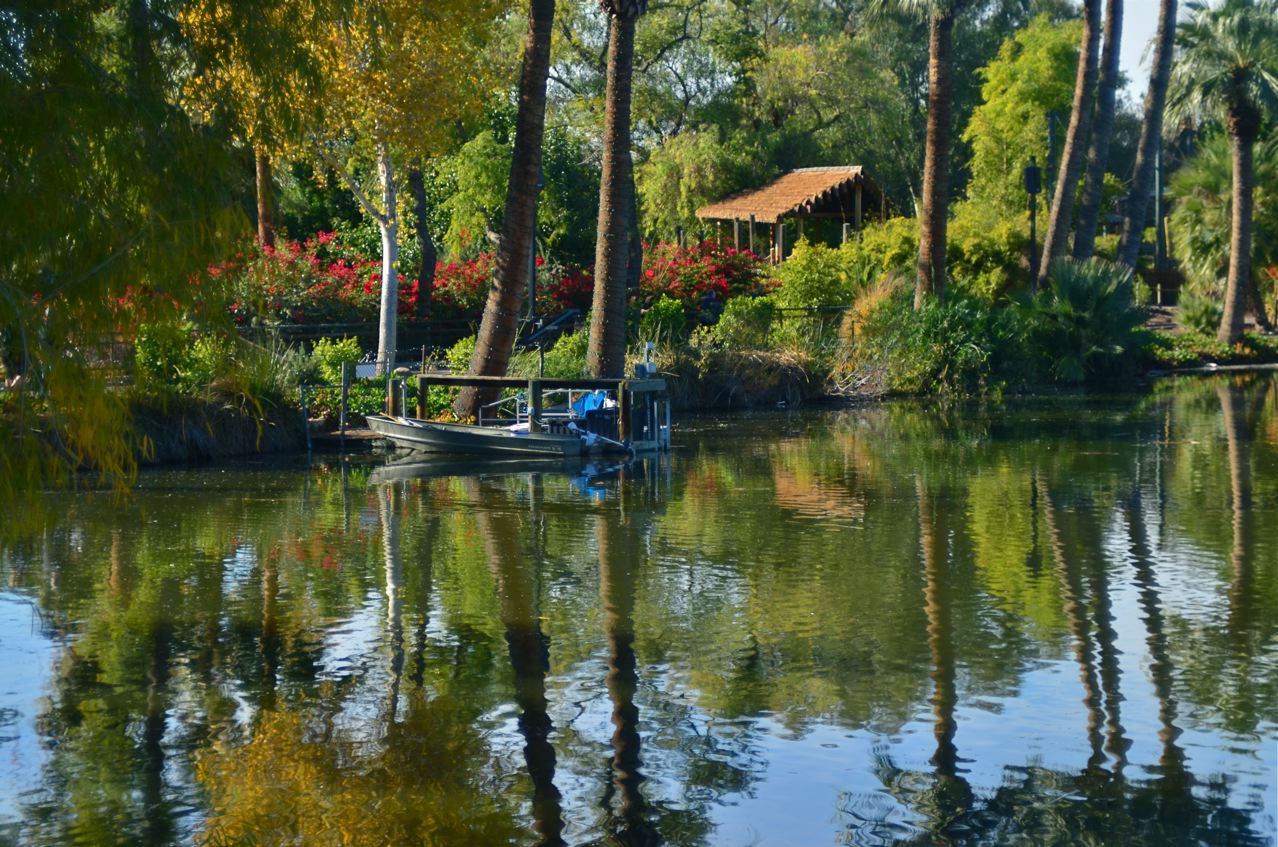
Distant subjects shot at the widest apertures will be decidedly softer.
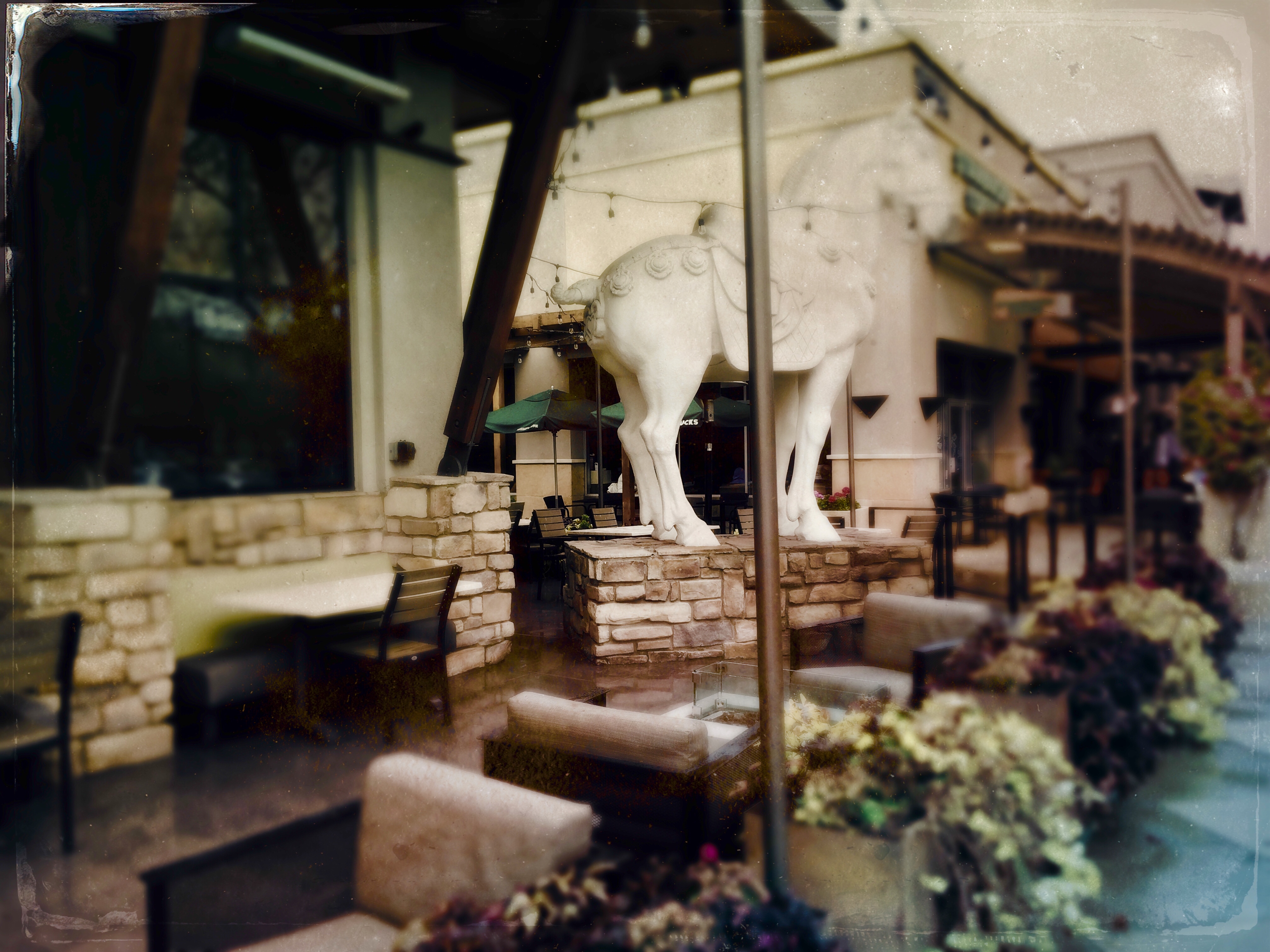
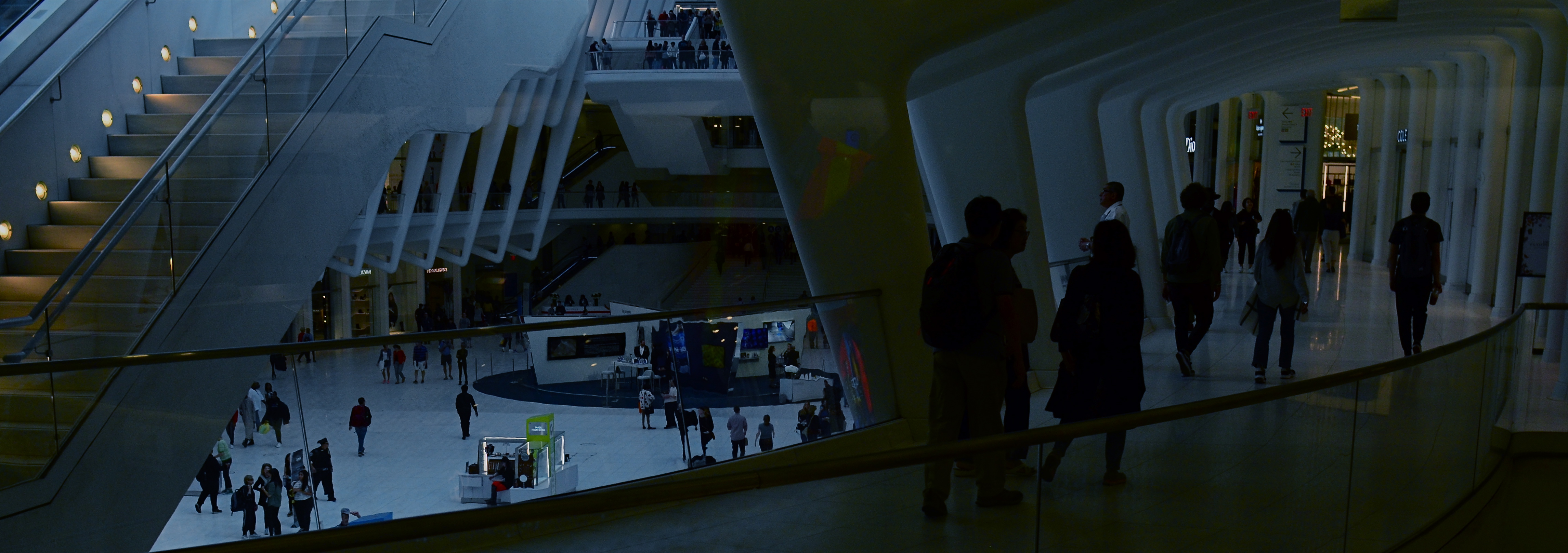
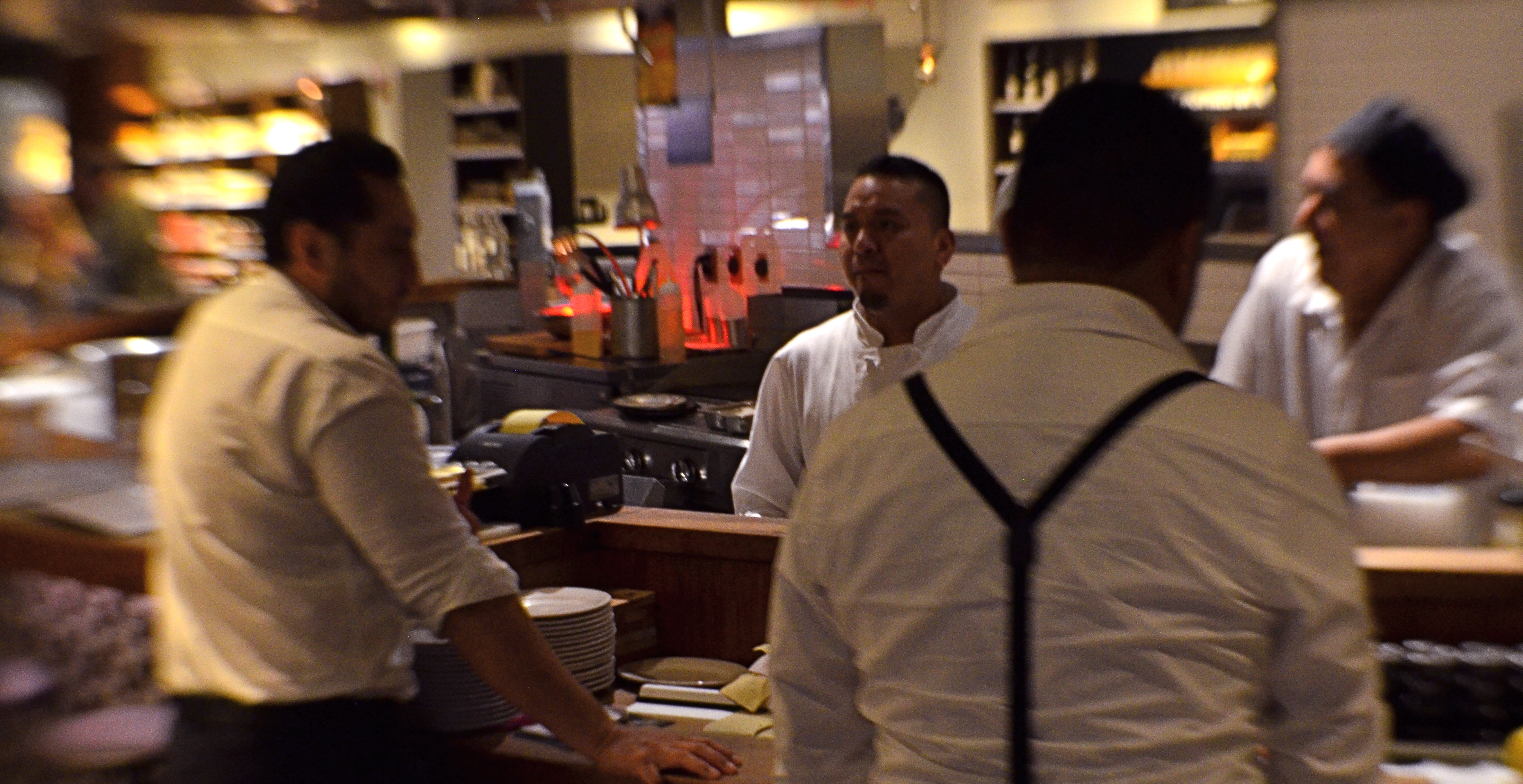
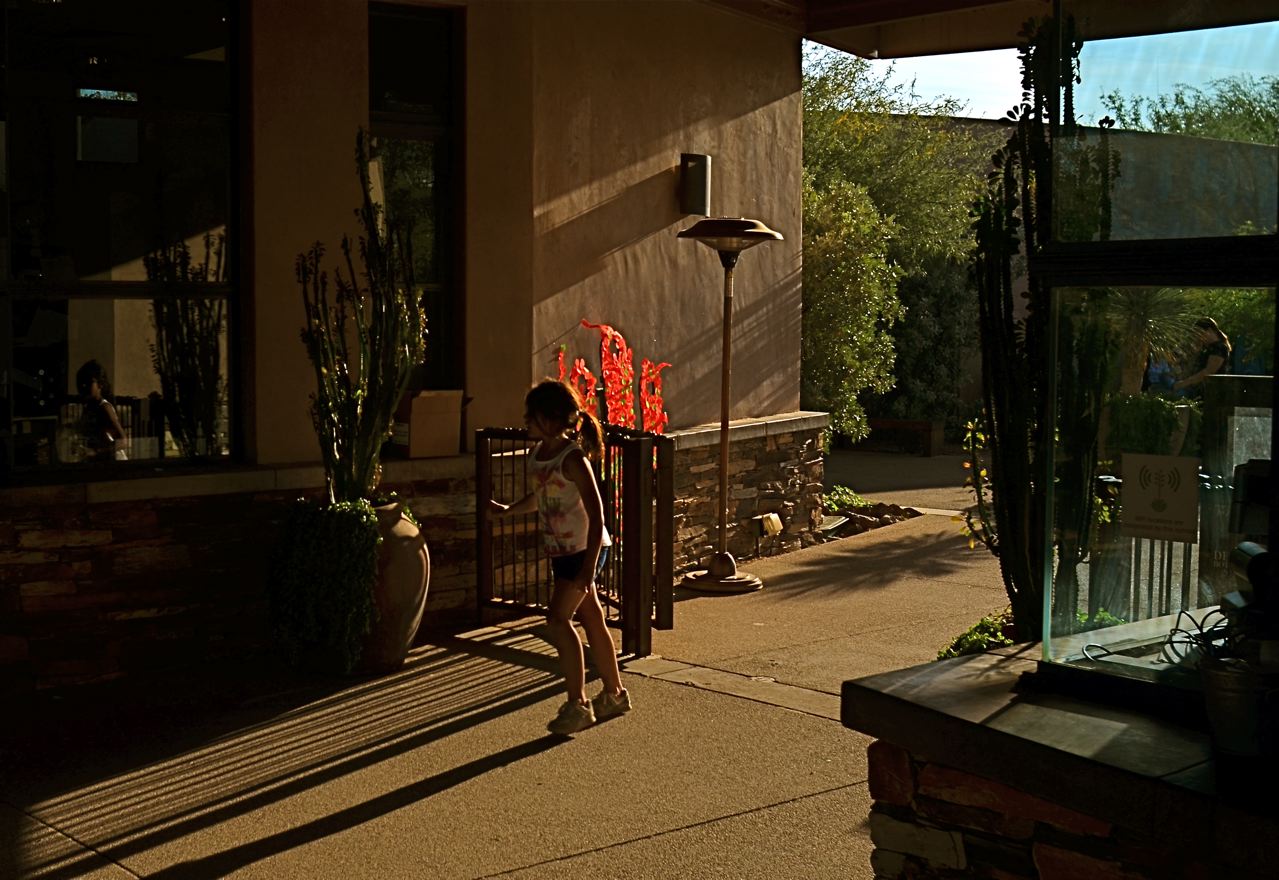
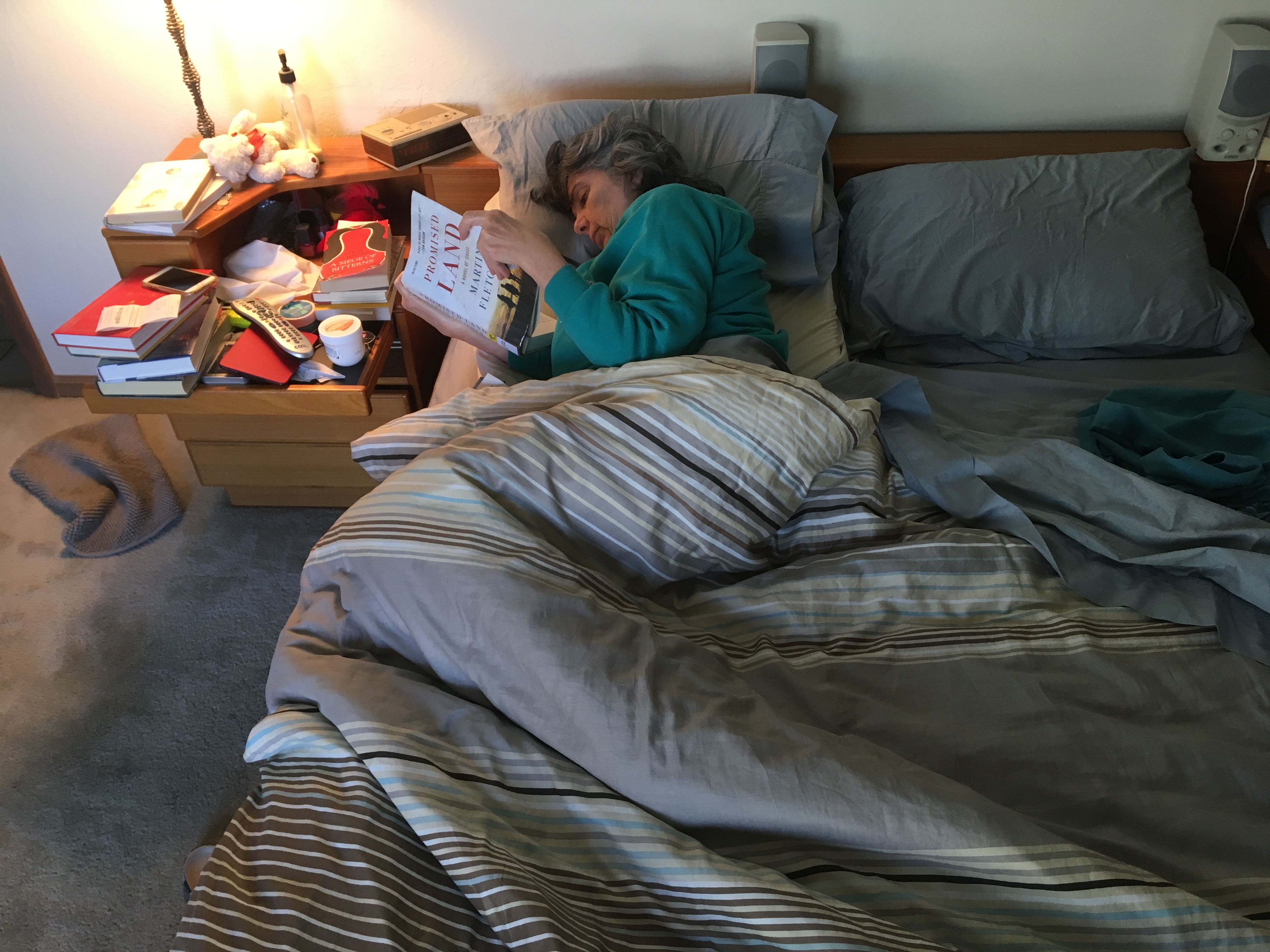
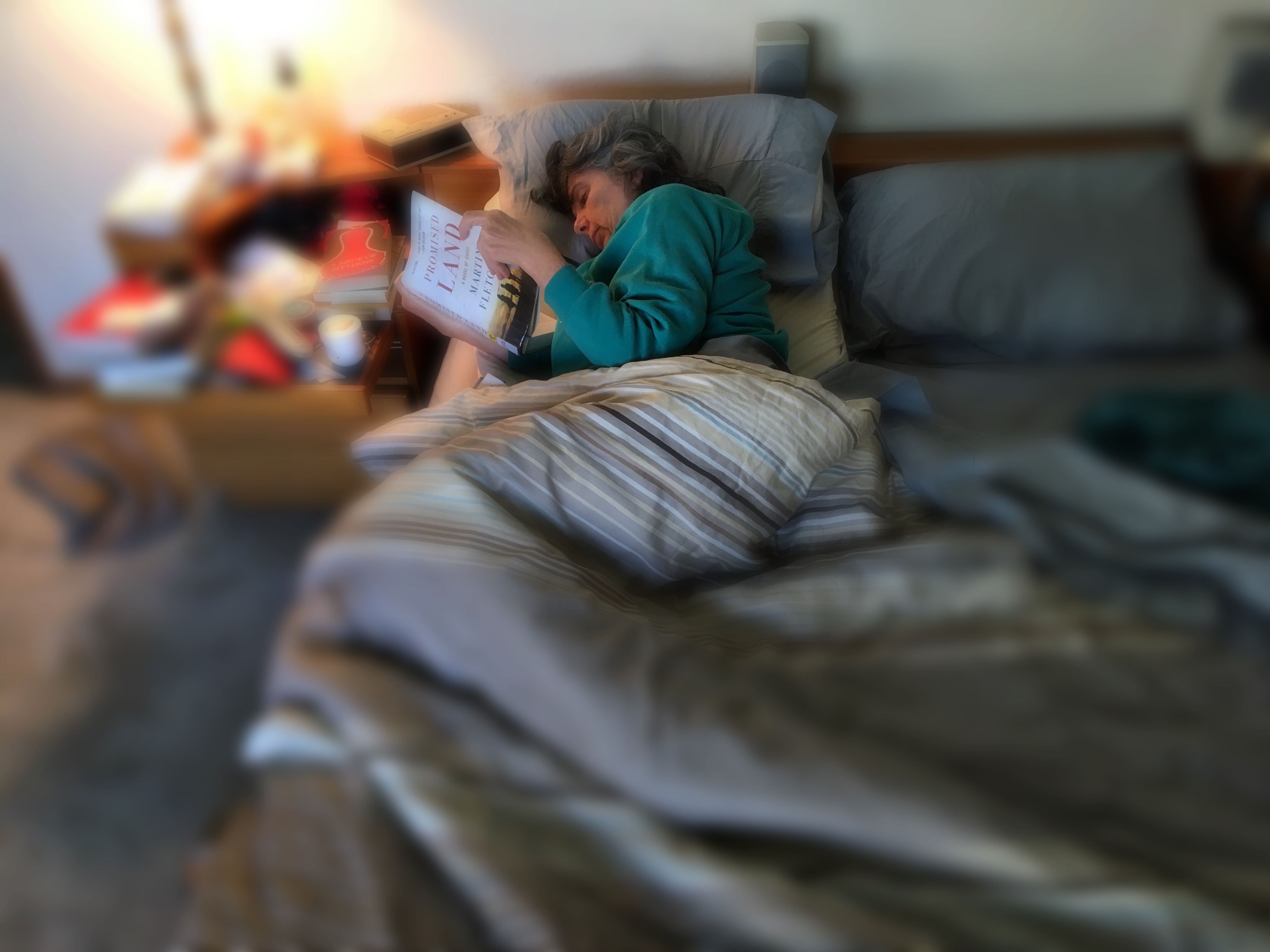
At widest apertures, your depth of field, the area of sharpest focus, will be extremely shallow. Now, if you are shooting a portrait at close range and are okay with your background registering as a blur, this can be great, but if the mountain in the background is as important as the girl in the foreground, f/2 will not get that done. Another thing to factor into a shallow DOF shot is manual focusing (in case your autofocus throws a hissy fit). That will require even more time and patience to nail the shot…..which is okay in a casual setting but impractical in fast-moving situations, like street work or sports.
But let’s talk upside. Like mountain ranges? Wide open at F/2, our theoretical lens will, at around 250 feet from the nearest part of a landscape subject, be effectively sharp to infinity. However the result will be measurably softer than, for example, a telephoto shooting at f/8 or slower. One last caveat: using f/2 for everything could also generate additional chromatic aberration or color fringing, in case either of those are deal breakers for you.
The point here is that no setting, no lens, no trick can cover every situation with equal results. If that were true, someone would have already devised a universal high-end point-and-shoot that we could all buy, and the golden age of Gear Wars would end. Till that day, all we have is judgement….creative decisions weighed against all available options.
It means making pictures on purpose, an intention that is the dead opposite of “I always…..”



MY WHITE WHALE
By MICHAEL PERKINS
PERHAPS THE GREATEST SINGLE MOTIVATOR, FOR PHOTOGRAPHERS, is the eternal attempt to narrow the gap between what is seen and what can be shown, a permanent sense of one’s pictures coming up short, doomed to mere actuality versus the grand visions dancing in our heads. We shoot, we lament having “missed it”, and we shoot again. Lather, rinse, repeat.
I’ve written before, here, on the most frustrating, if tantalizing, subjects within that overall challenge….scenes or objects that we are free to repeatedly, endlessly re-shoot in hopes of “getting it right”, chasing the same things year after year, camera after camera, lens after lens, like Ahab chasing the White Whale round the world’s oceans.
These inexhaustible things are usually a staple of our immediate environment, part of our daily drives or walks, our standard routines. The maddening thing is that such hyper-familiar things should, eventually, submit to our art, should finally be captured in some final, completed fashion. But, in many cases, they remain studies, rehearsals, sketches. Unfinished business.
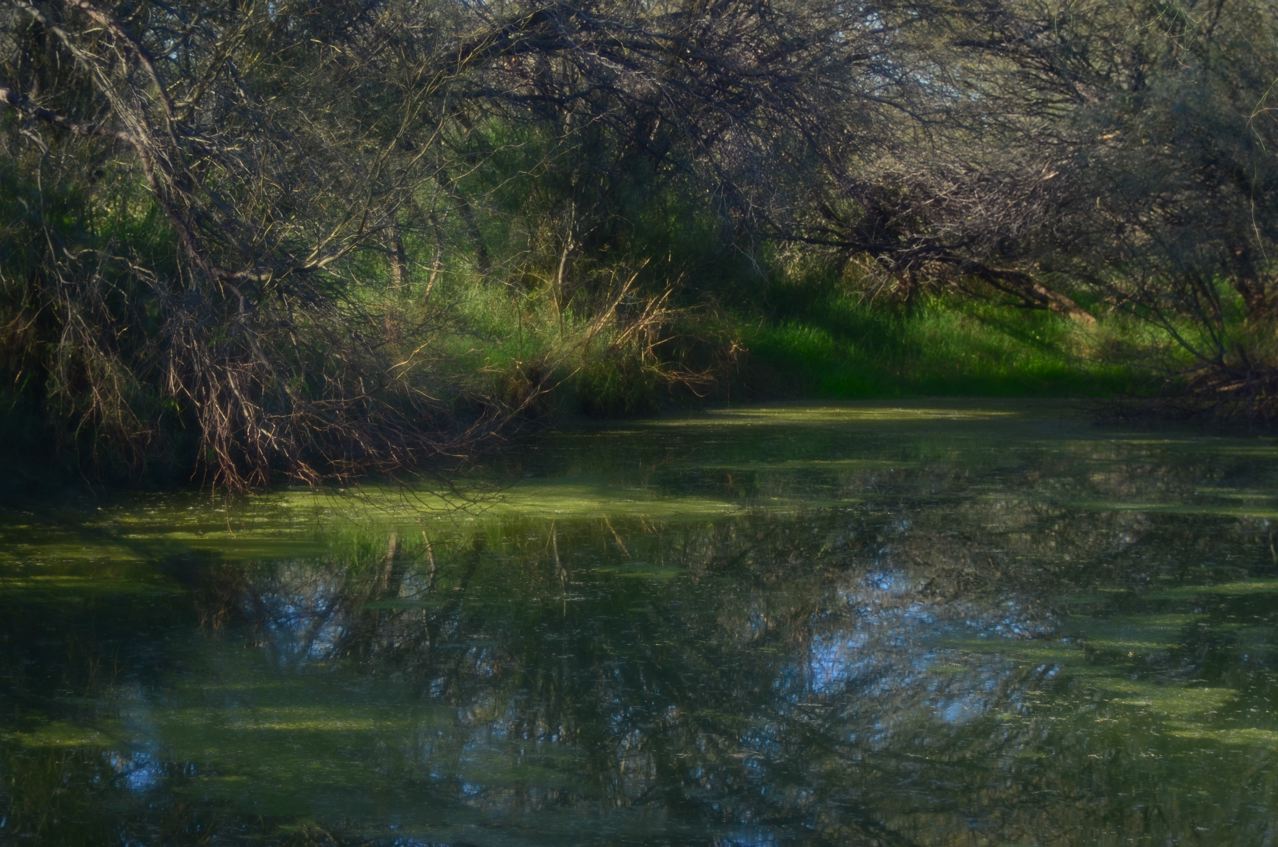
The tree you see here is one of my personal White Whales. I must drive past it at least five times a week, mostly in a quick glimpse out the window of my car. I have seen it in every season, every type of light, every mood filter within my own head. I have thrilled as it billowed to its fullest flower and mourned when groundskeepers judged it too wild and rangy, pruning it in ways that threaten, for a time, to obliterate the tree’s identity. I have parked and stepped over to pay it closer tribute with this lens or that, shooting full-on, in macro mode along trunk grain or branch lines, in fisheye, sharp detail, selective focus, monochrome and color. Each rendition gives me something; no one image delivers all.
Your particular tree (or house, or face, or river, or..) can both energize and enervate your photography. Even your failures can be seen as a prelude to inevitable success, as rehearsals toward a final, finessed performance. That feeling of being on a conveyor belt to Paradise is the essence of art, with the journey teasing us that there is, actually, a destination. If you have no White Whale of your own, I recommend heading out to sea, and scanning the horizon until you see one spout. Then grab a camera and try to tell someone about it.
Share this:
Posted by Michael Perkins | December 26, 2018 | Categories: Commentary, Composition, Conception, Experimentation | Tags: Interpretation, Technique | Leave a comment