By MICHAEL PERKINS
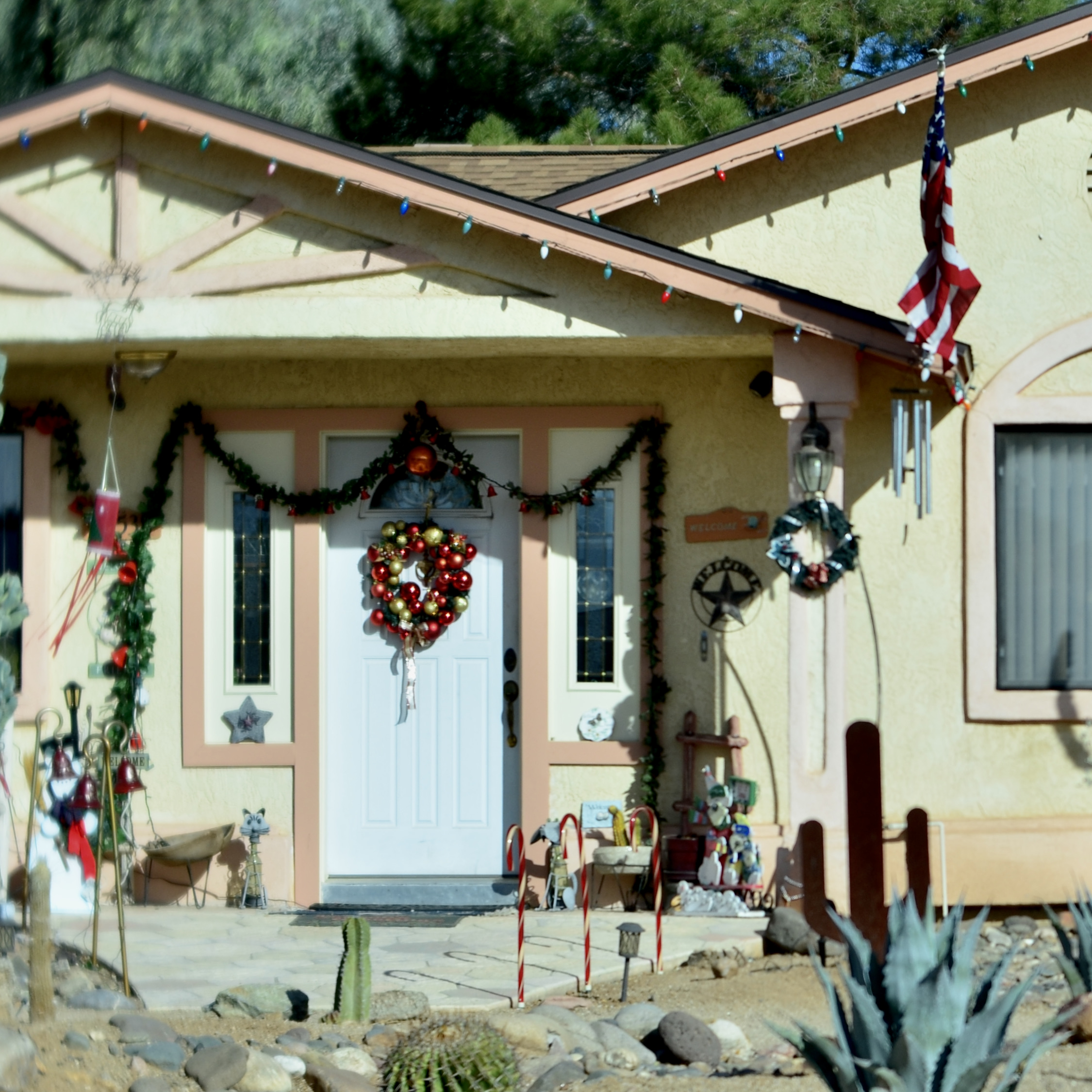
2020, IN ADDITION TO BEING THE EMOTIONAL EQUIVALENT of a meteor shower for many of us, has also packed a lot of cruel ironies into the overall mix of horrors. Observe; electronically, we are closer to some than we have ever been, while also being geographically more distant; we can’t go out for our favorite foods, but have connected with our inner sourdough baker; and, most poignant, to me at least, we have seen photographs exalted from random markers of time and place to essential messengers, proxies to represent us to those we love.
Pictures of the holidays pack an extra dollop of emotional freight in a good year. In a horrific one, everything that comes out of a camera is weighted with extra heft. Everyday tasks become art; mundane events are promoted to major milestones. That means that seasonal images, already doing a lot of heavy lifting, impart, in pandemic times, even greater import. Things are both sad and happy, hopeful and despairing. Pictures measure both joy and loss in ever more profound ways.
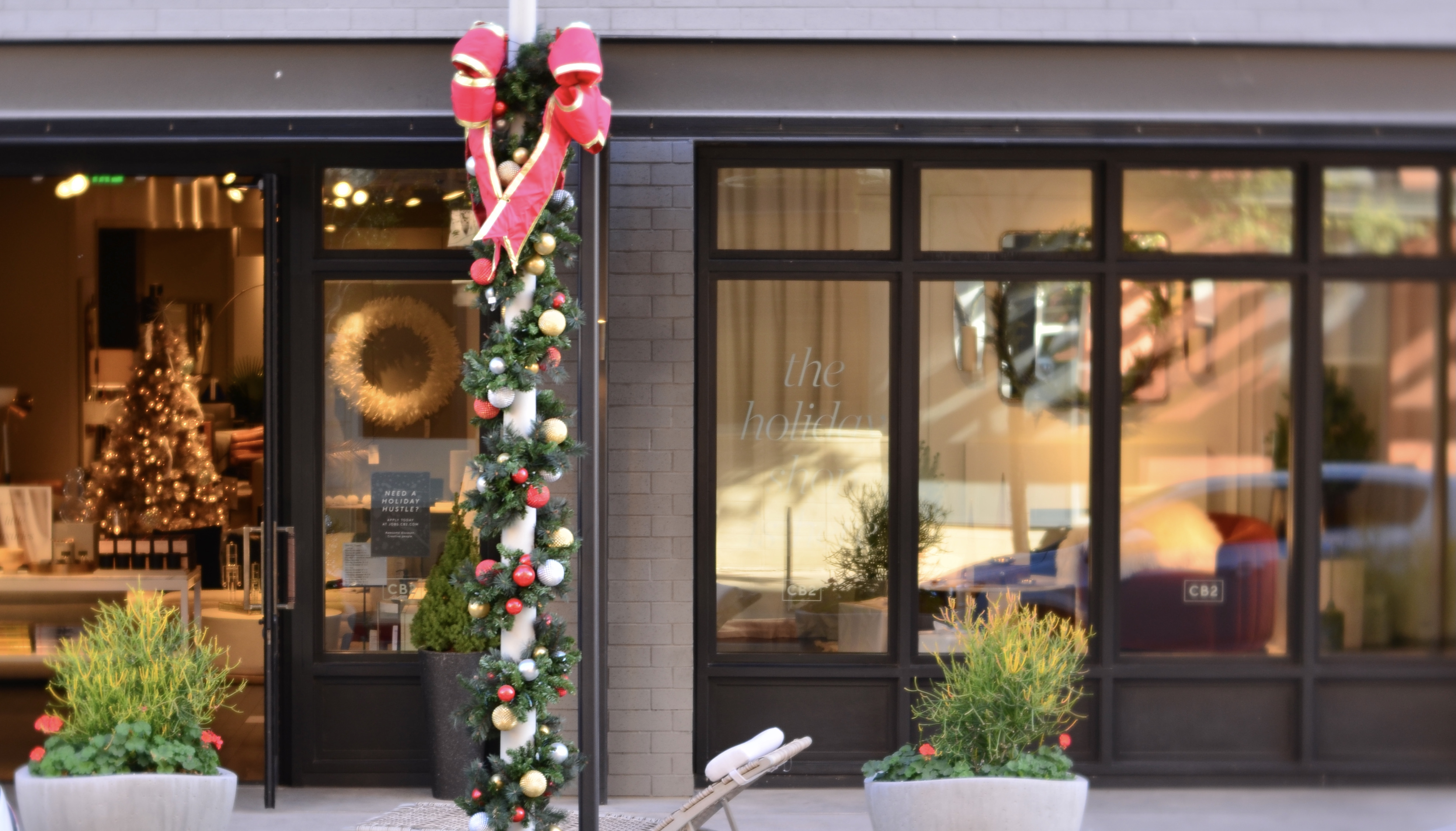
Take the simple idea of the front entrances to our homes. During the holidays, we decorate them to amplify the concept of home, safety. And yet, this year, the welcoming message is a hollow one. The front door is not so much an invitation as the final barrier between the outside world and the people within, who must, for this time, barricade themselves behind it. The bells, balls, tinsel and lights say, “Come on in” even as our wiser minds tell us to say “Stay away.” The third-degree burn of this irony has made me reduce my usual wide tide of seasonal shots to almost exclusively focus on front doors. The warmth they project remains visually unchanged from that of years past. It’s our own emotional context that makes us feel the pictures differently. They are images of conditional welcomes, as the entire holiday season, as it must, becomes one big exercise in delayed gratification.
As with so many other things, photographs have become repurposed in the Year Of The Plague. How could they not? And yet, as My Happy Home is temporarily recast as My Brave Face, the photographs we take during the final stretch of this global nightmare may, in time, be among our most prized possessions, because half of “bittersweet” is still, after all, “sweet”.

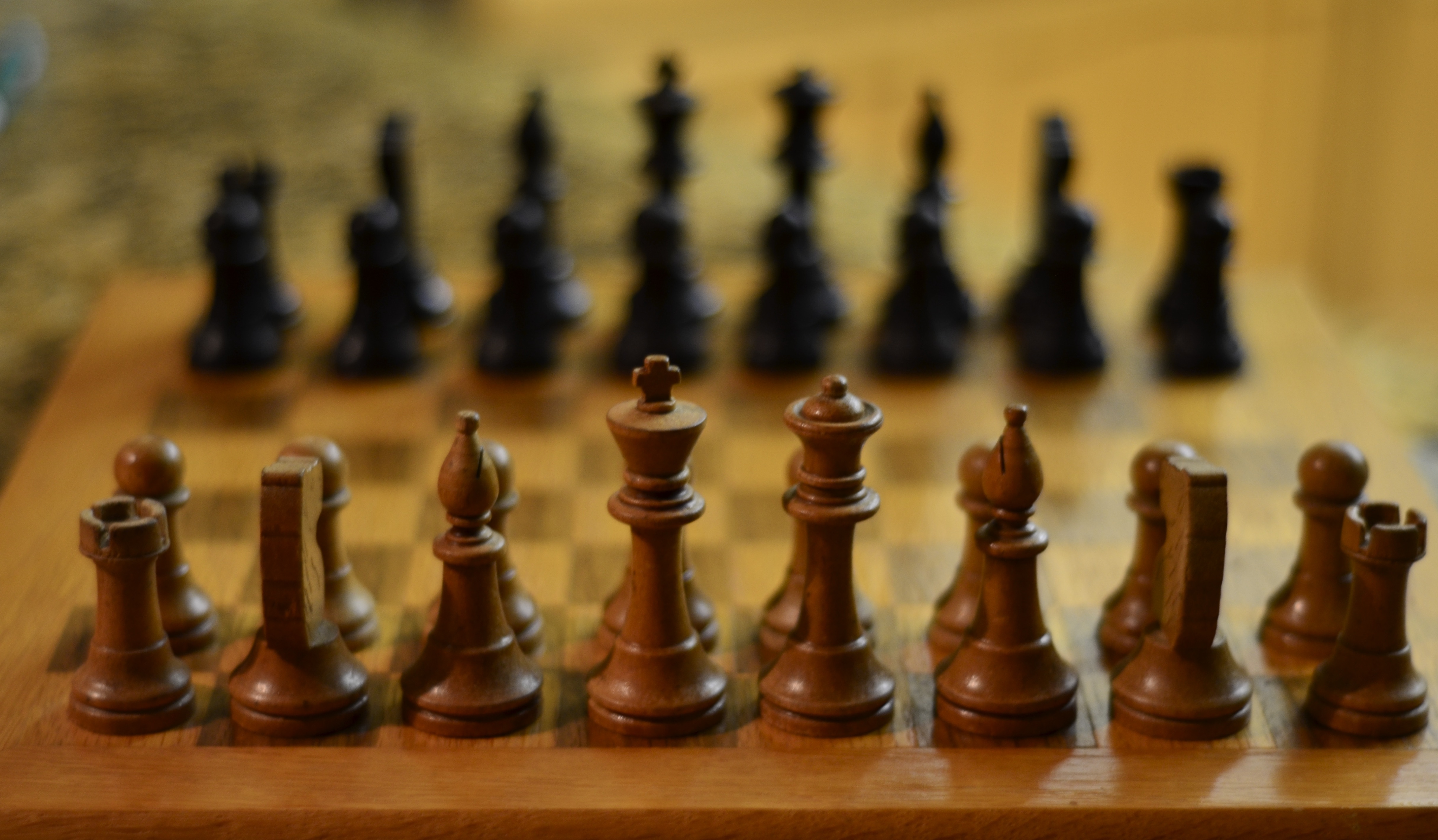
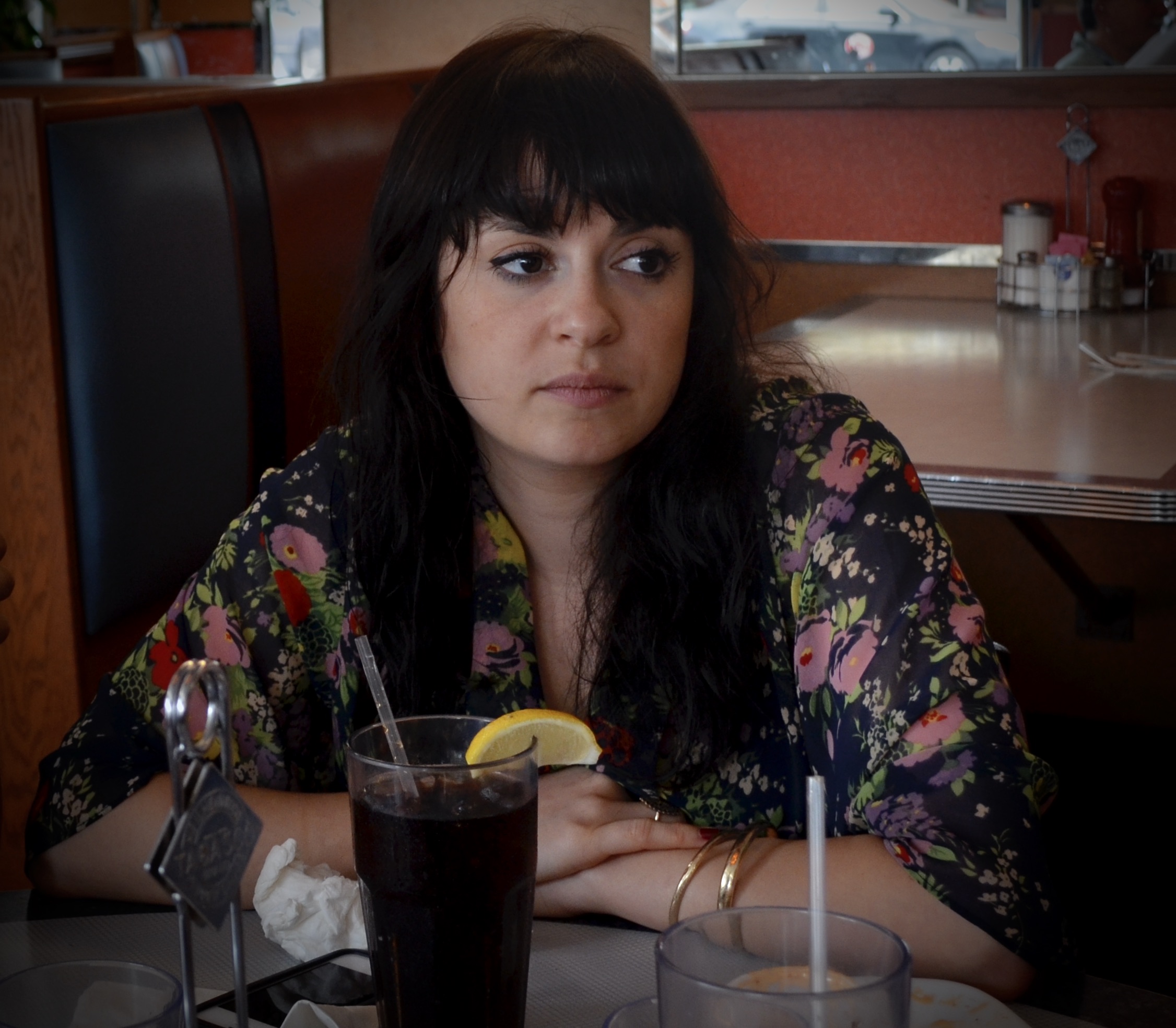
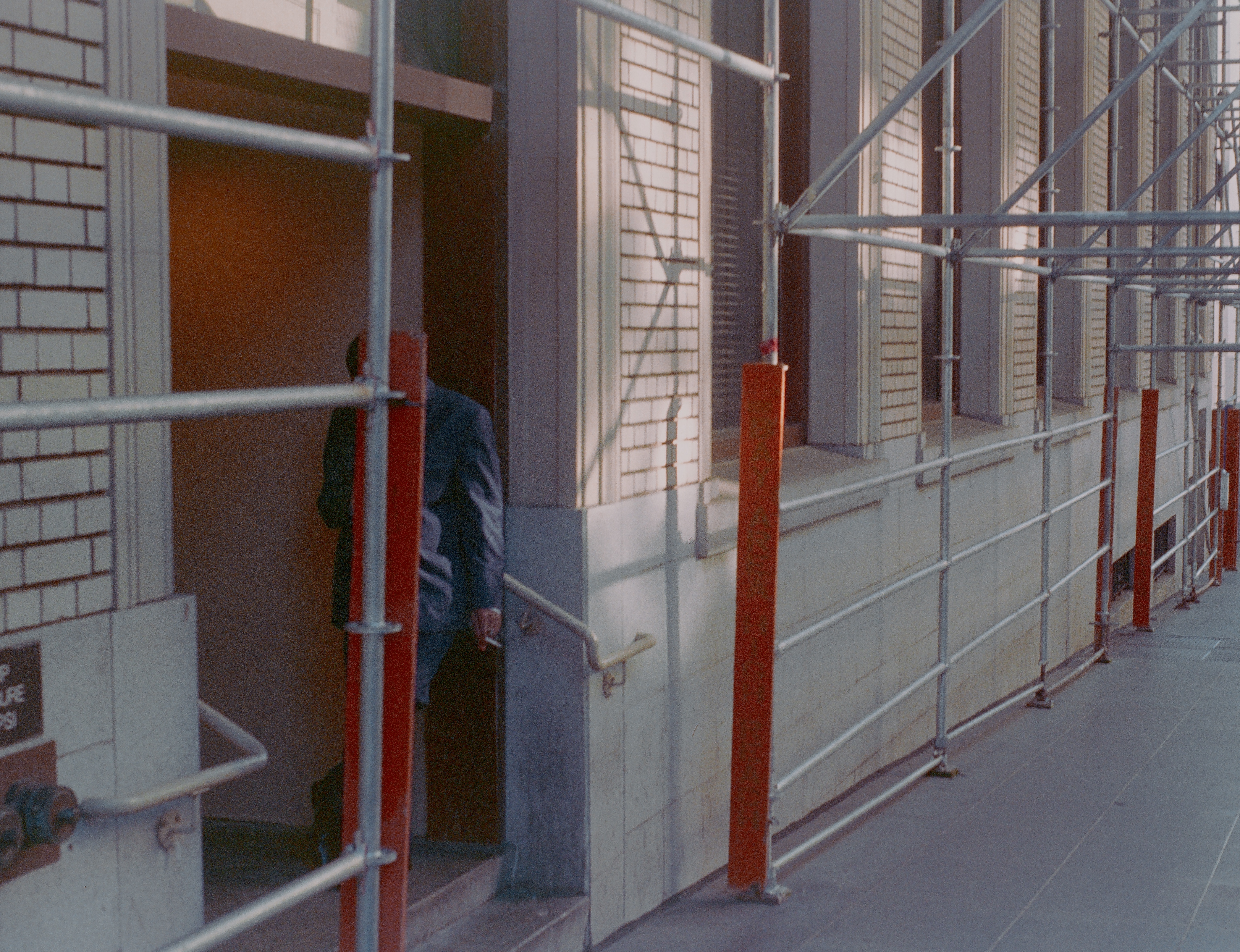
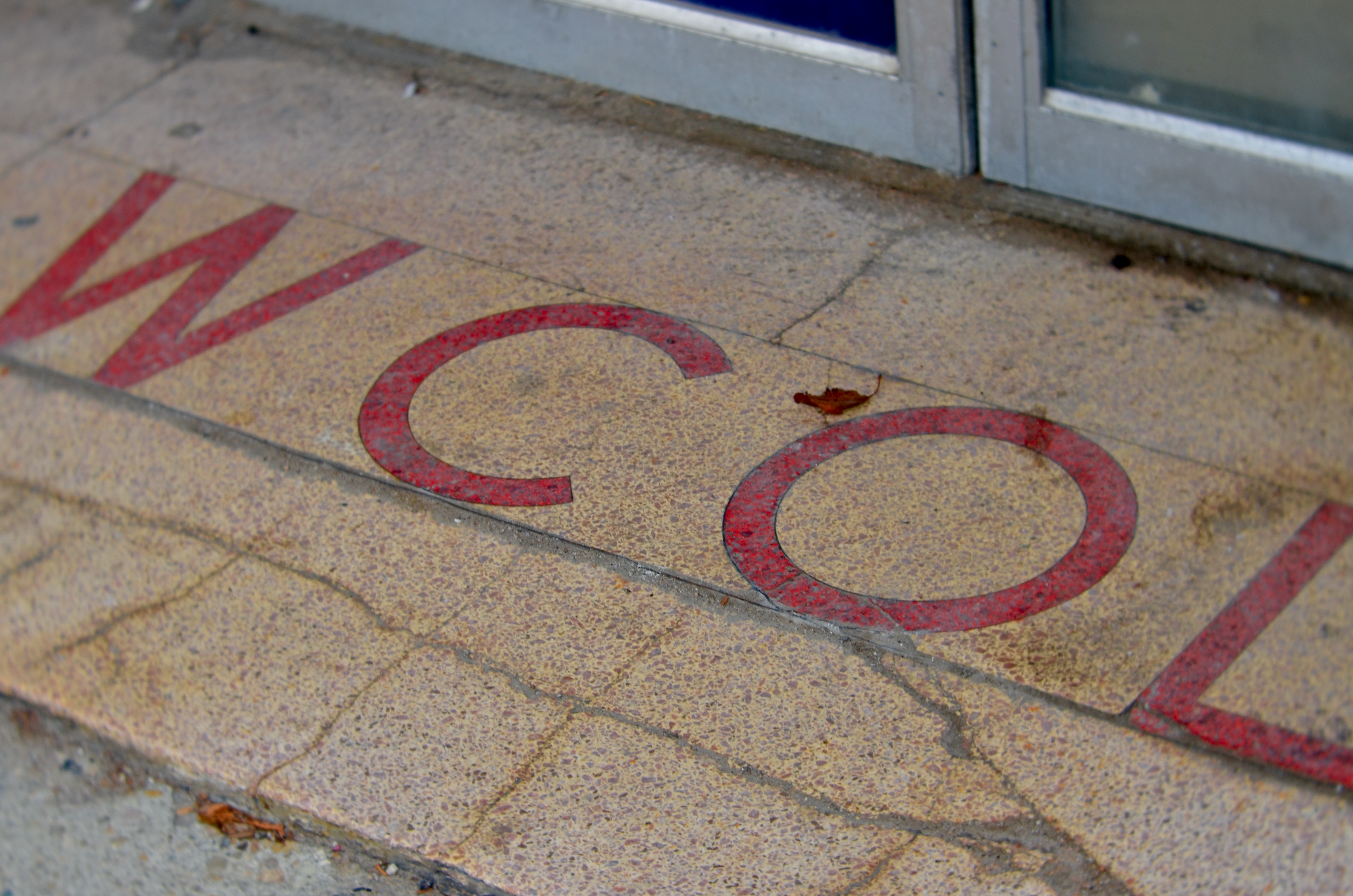
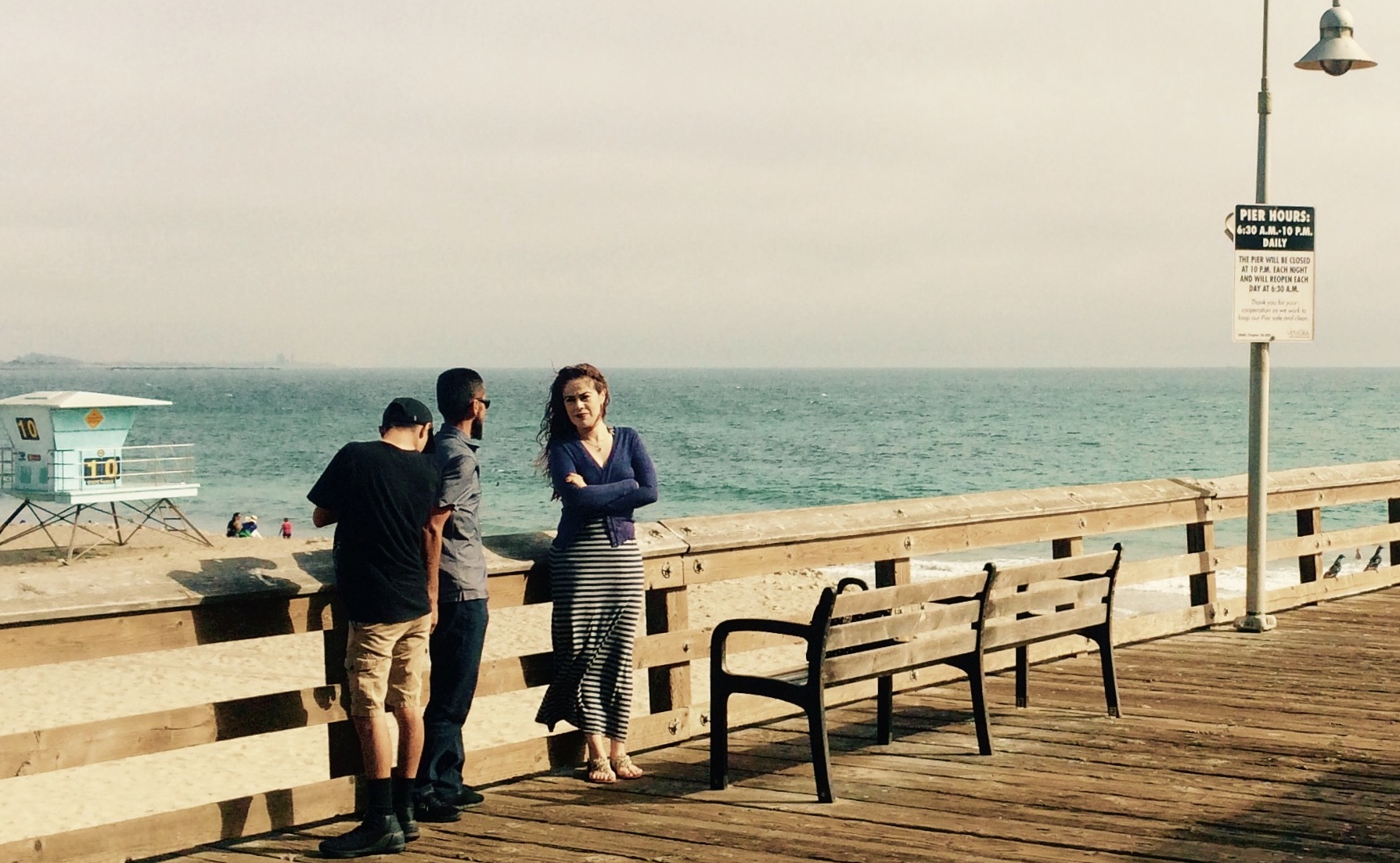
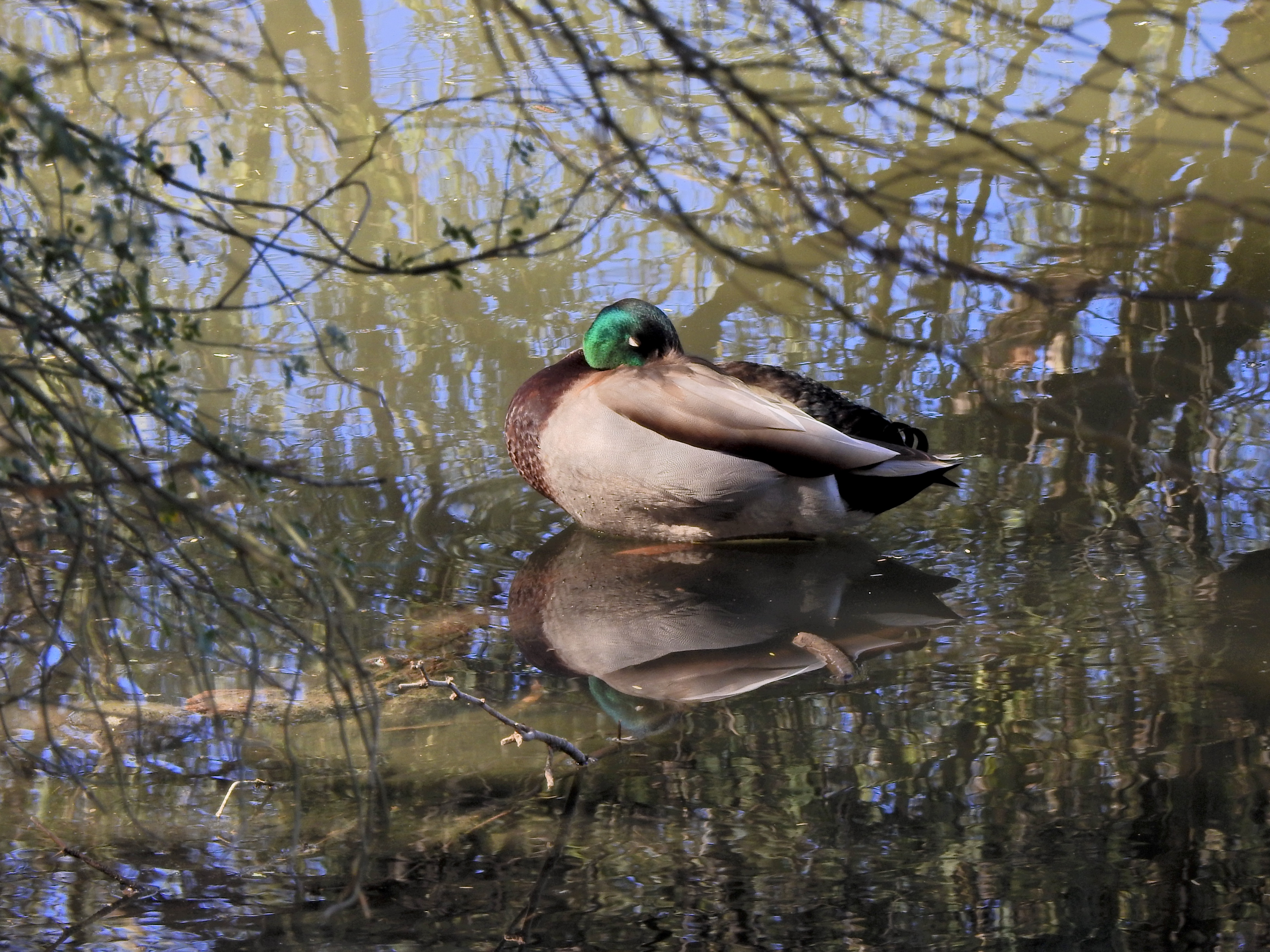
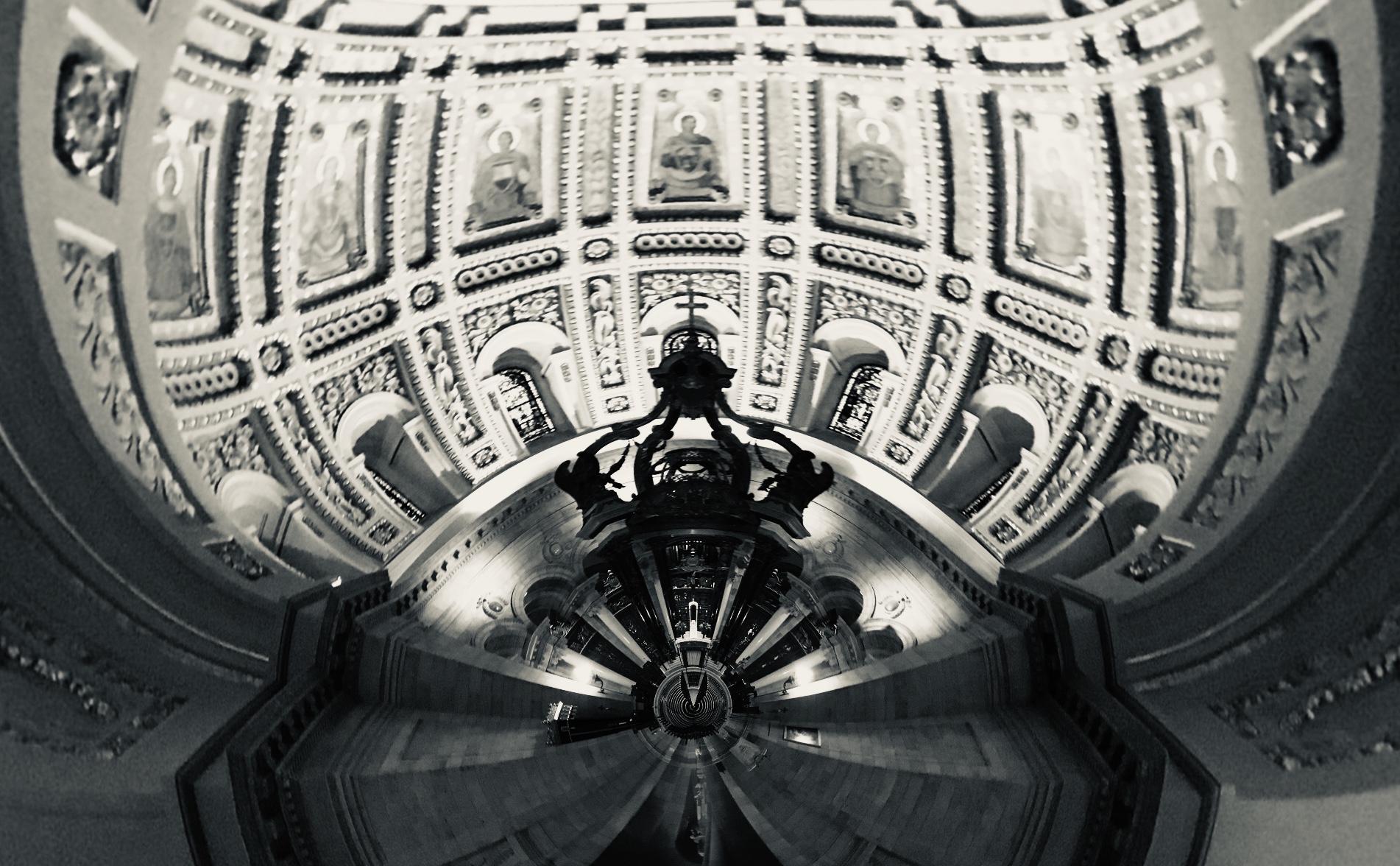
 thenormaleye
COLLISIONS OF CONVENIENCE
By MICHAEL PERKINS
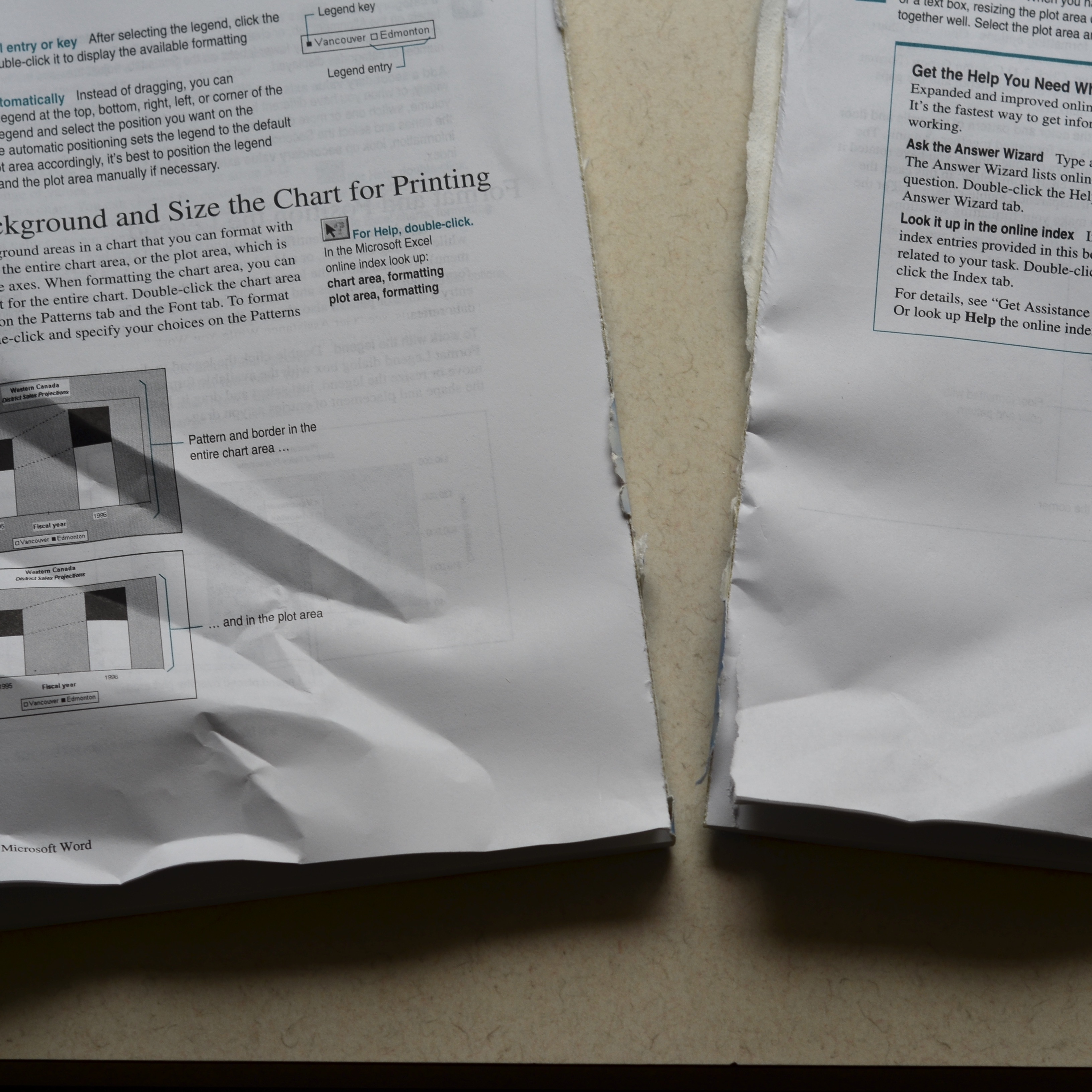
UNLIKELY JUXTAPOSITIONS are the very essence of photography. We use the camera to extract the mood from one time of day and paste it over the atmosphere of another. We put light in places where once was only darkness. We take the colors of joy and superimpose them over somber scenes. We shove the past up against the present and force the two of them to become BBFs. And so, as picture makers, we should be comfortable when elements that seem to have nothing in common co-exist comfortably within a single image.
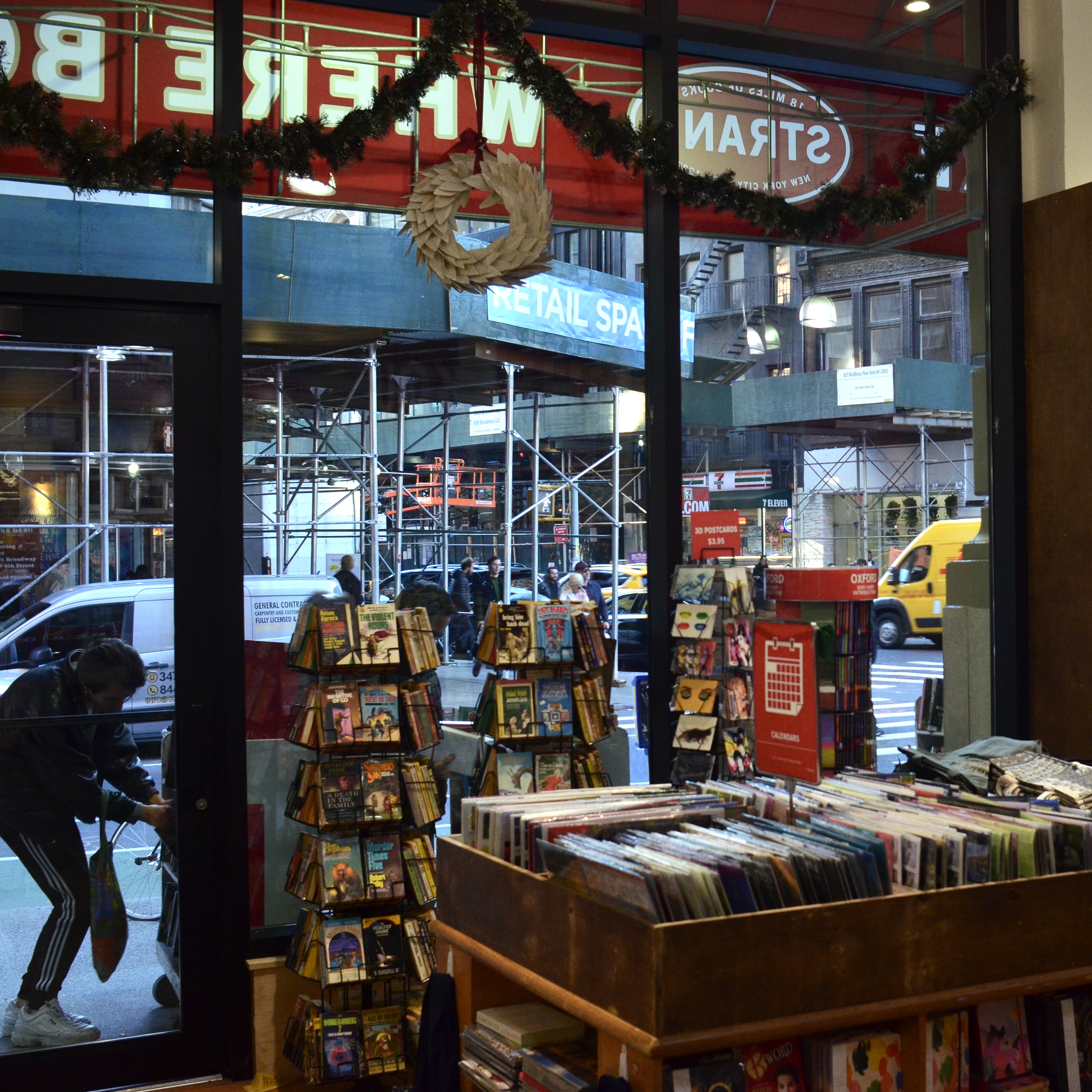
That said, this picture, which pretty much fell into my lap last year, feels very much like the kind of improvisation that informs the re-imagining of practically every rite and routine right now, rather than a “fun” idea from 2019. That is, in the present state of affairs, observers might understandably react to, say, a wedding rehearsal inside a bookstore with a big, “um, sure, why the hell not?” In this way, the great hibernation has made more of us think like, well, photographers.
Here’s why: shoot enough photos and you will inevitably become more limber in your idea of what fits or doesn’t fit within a single frame. Quite simply, the randomness of life will force you to look at seemingly exclusive realities and admit that, yes, they actually do justify each other in your final composition.
And just as so many non-shooters have learned, in plague times, to accommodate plans “B”, “C”, “D”, photographers must stay in the game, stay loose, and conclude that, yes, all things considered, holding a wedding in a bookstore is a pretty dope idea.
Share this:
Posted by Michael Perkins | October 18, 2020 | Categories: Americana, Composition, Conception | Tags: Commentary, Street Photography | Leave a comment