
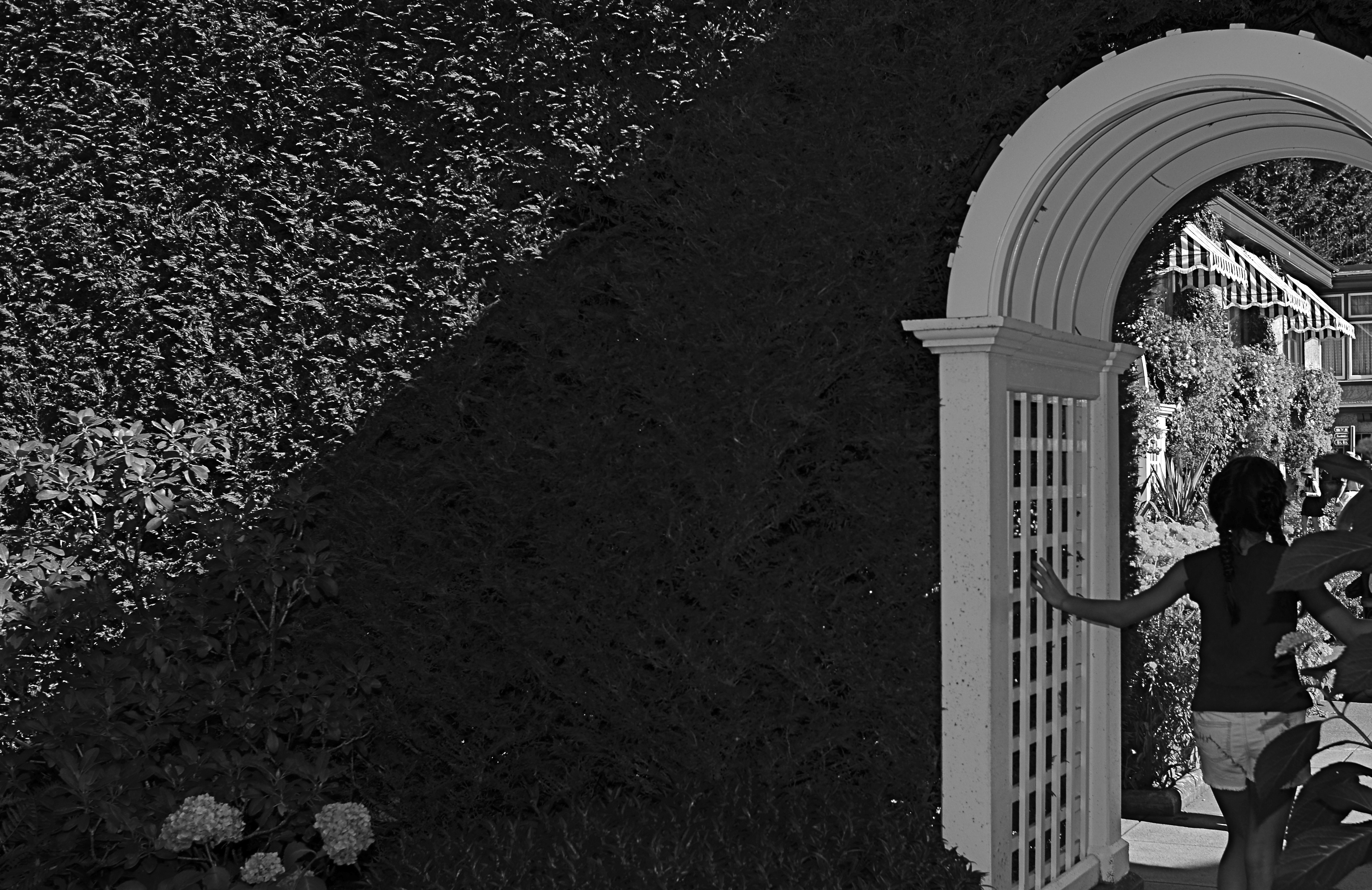
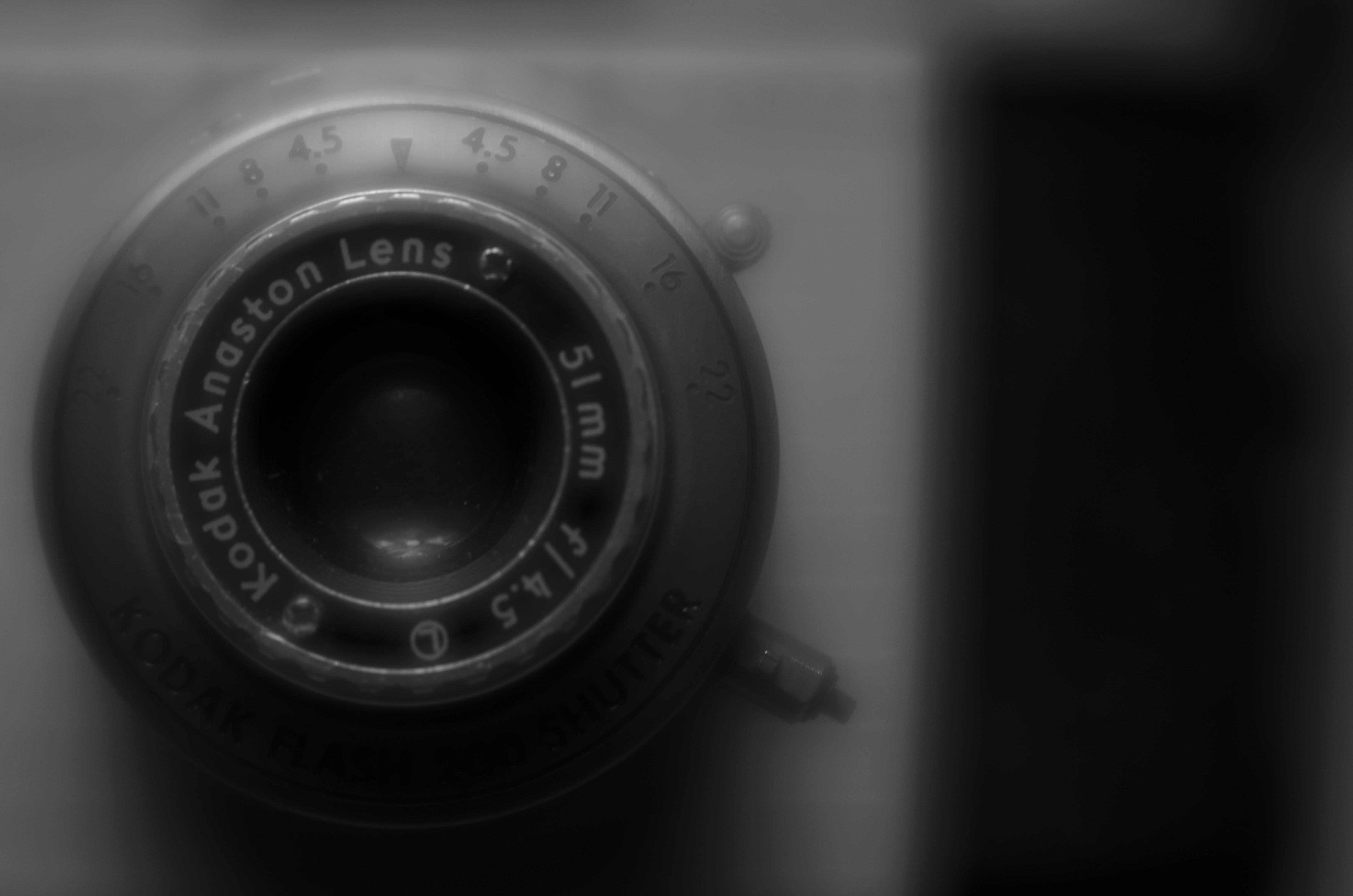
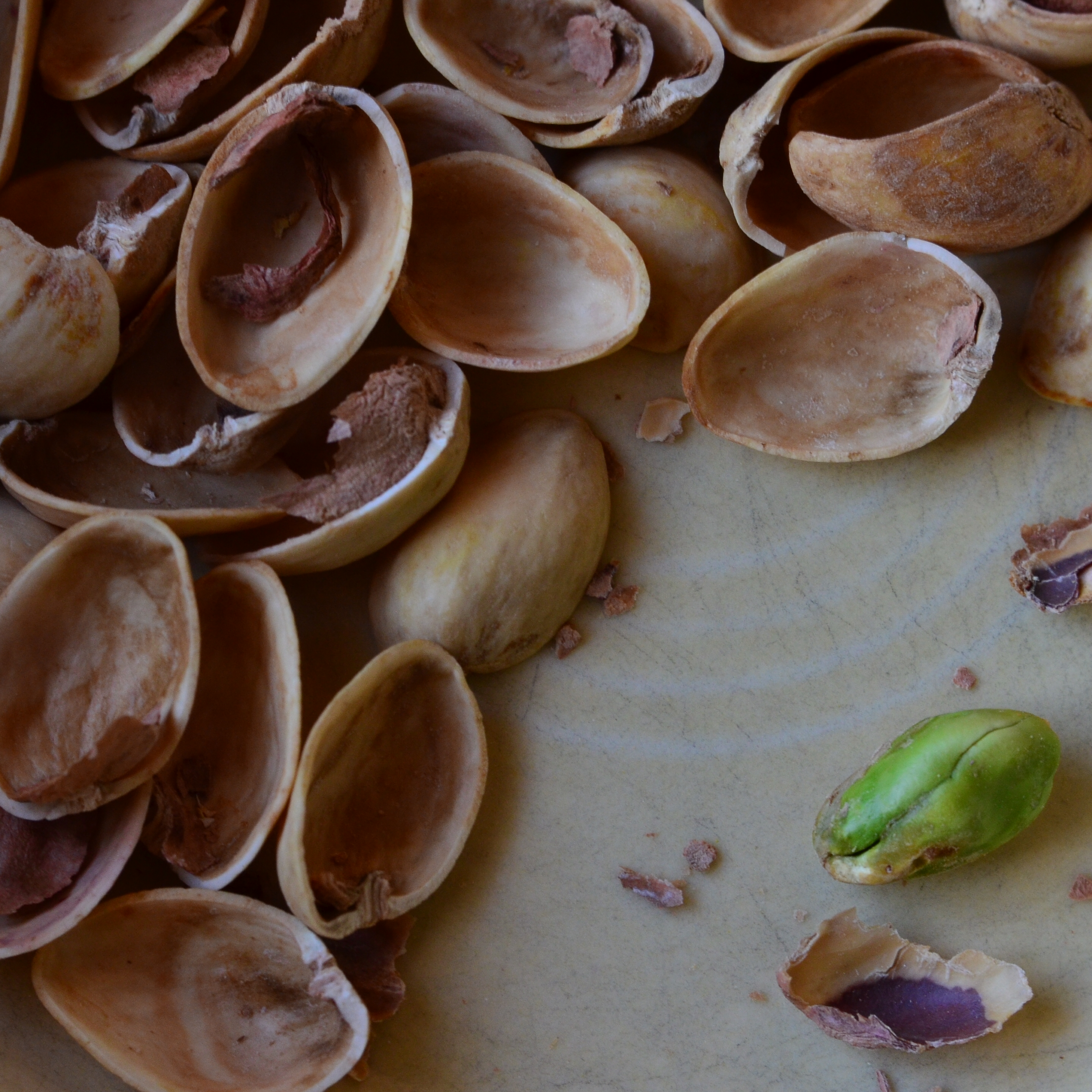
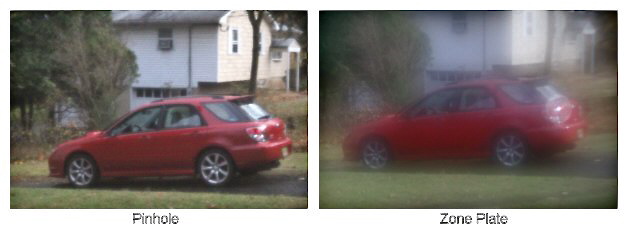
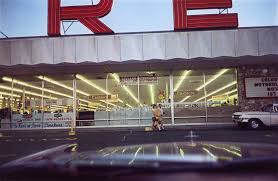
Conventional focus with a standard optical zoom lens.
By MICHAEL PERKINS
ONE OF THE GREATEST BONUSES OF THE APPS ERA IN PHOTOGRAPHY is how fast certain effects and processes in picture-making have moved from proprietary functions to discretionary ones. Certain “looks” which were the sole domain of well-funded professionals in the film era have been democratized to an insane degree, allowing many more of us to make images that required expensive gear or exhaustive training (or both) just a heartbeat ago.
Selective focus is but one such area. Manipulating sharpness within sections of an image used to be the stuff of cunning calculation and infinite patience…in both shooting and post-processing. Now it’s yours for the flick of a button. The app installs, you click the picture, and you massage the results. Minutes from start to finish. And manufacturers of conventional cameras have had to react to the immediacy of effects available in the mobile market, re-introducing art lenses and specialized optics (think Lomo and Lensbaby) that allow shooters to add “artifacts” or “classic film looks” to their work as they are shooting. At this rate, it’s only a matter of time before these proprietary (think expensive) art lenses become more discretionary (easier to use and cheaper).

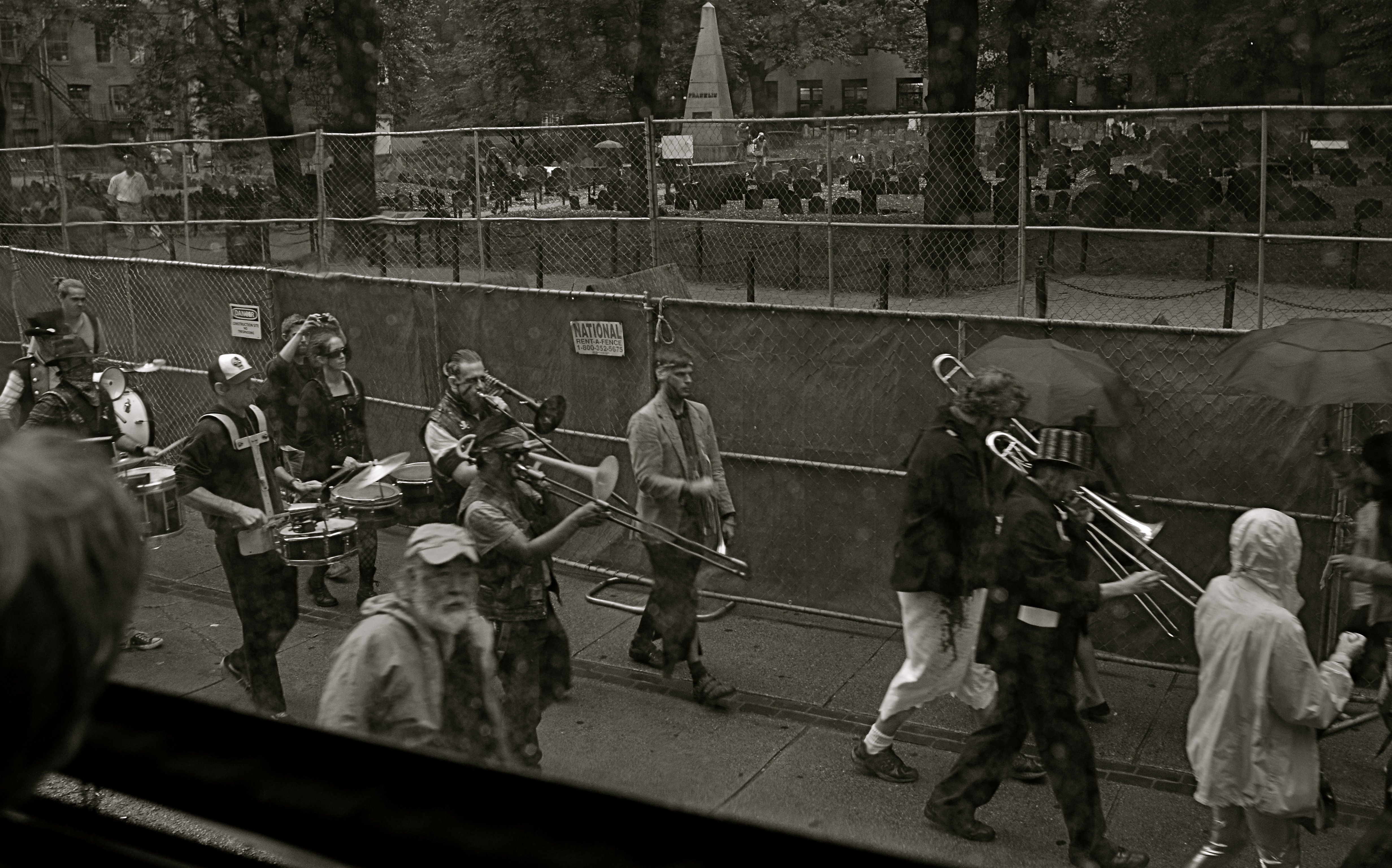
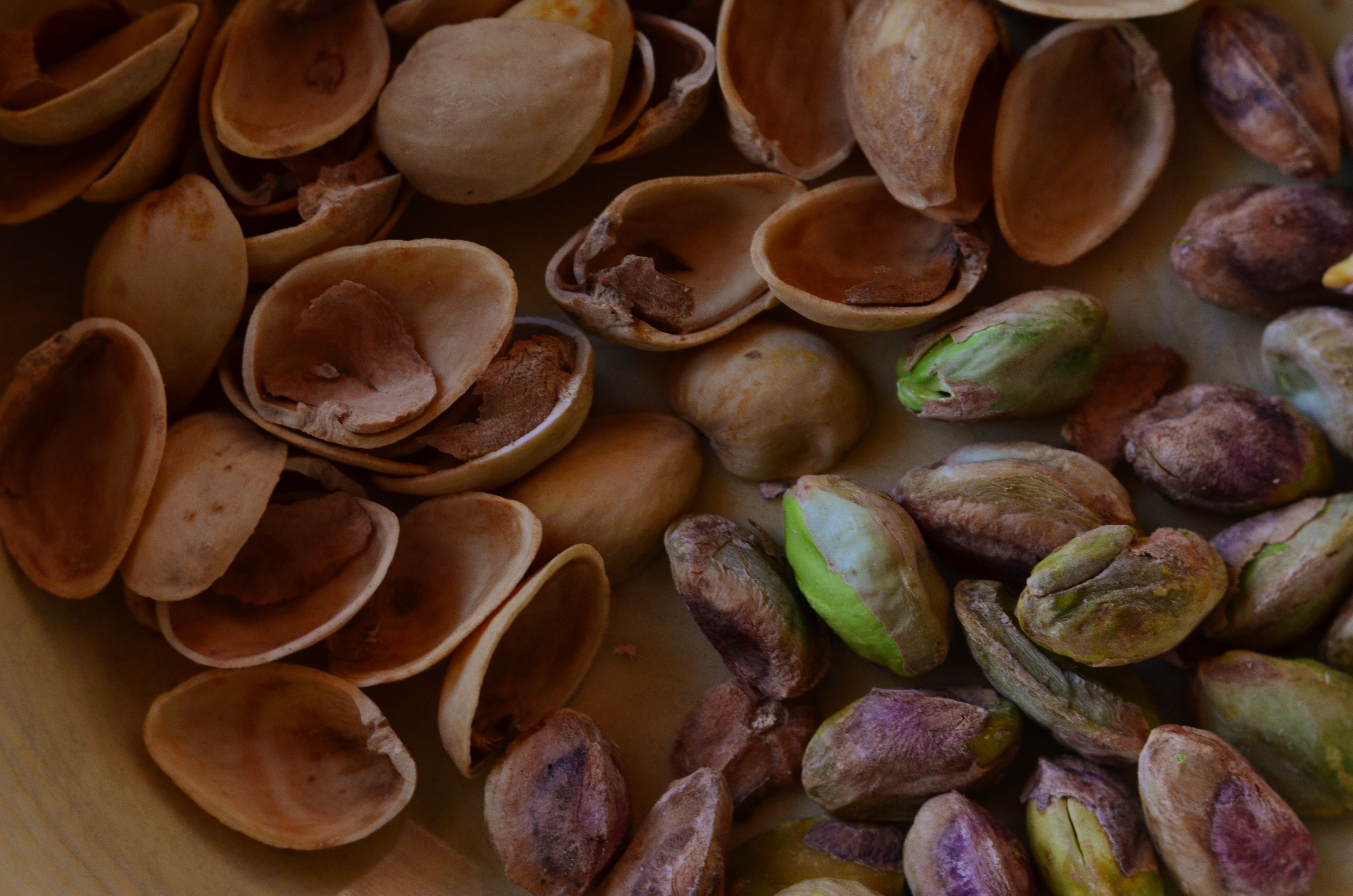
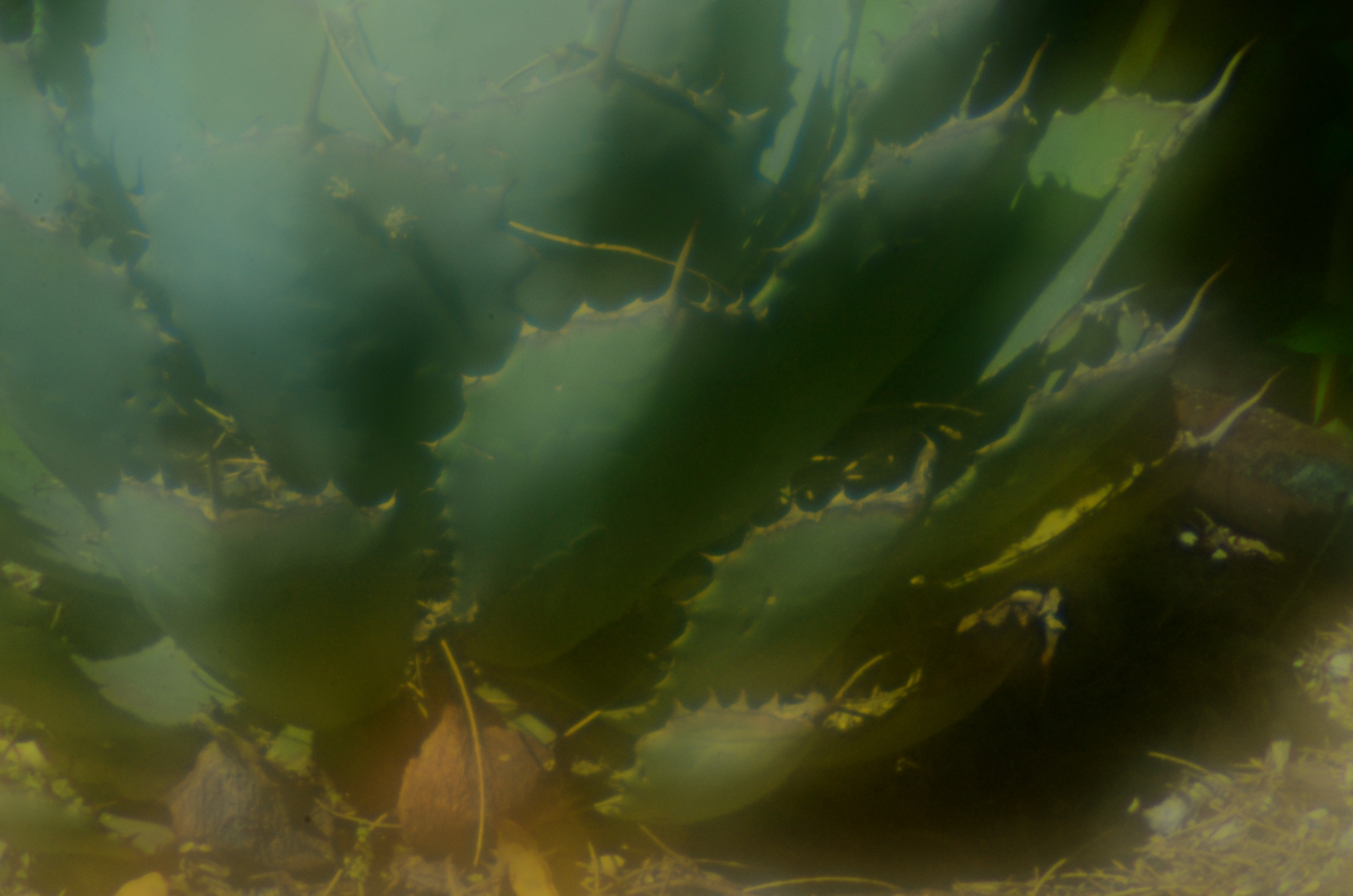
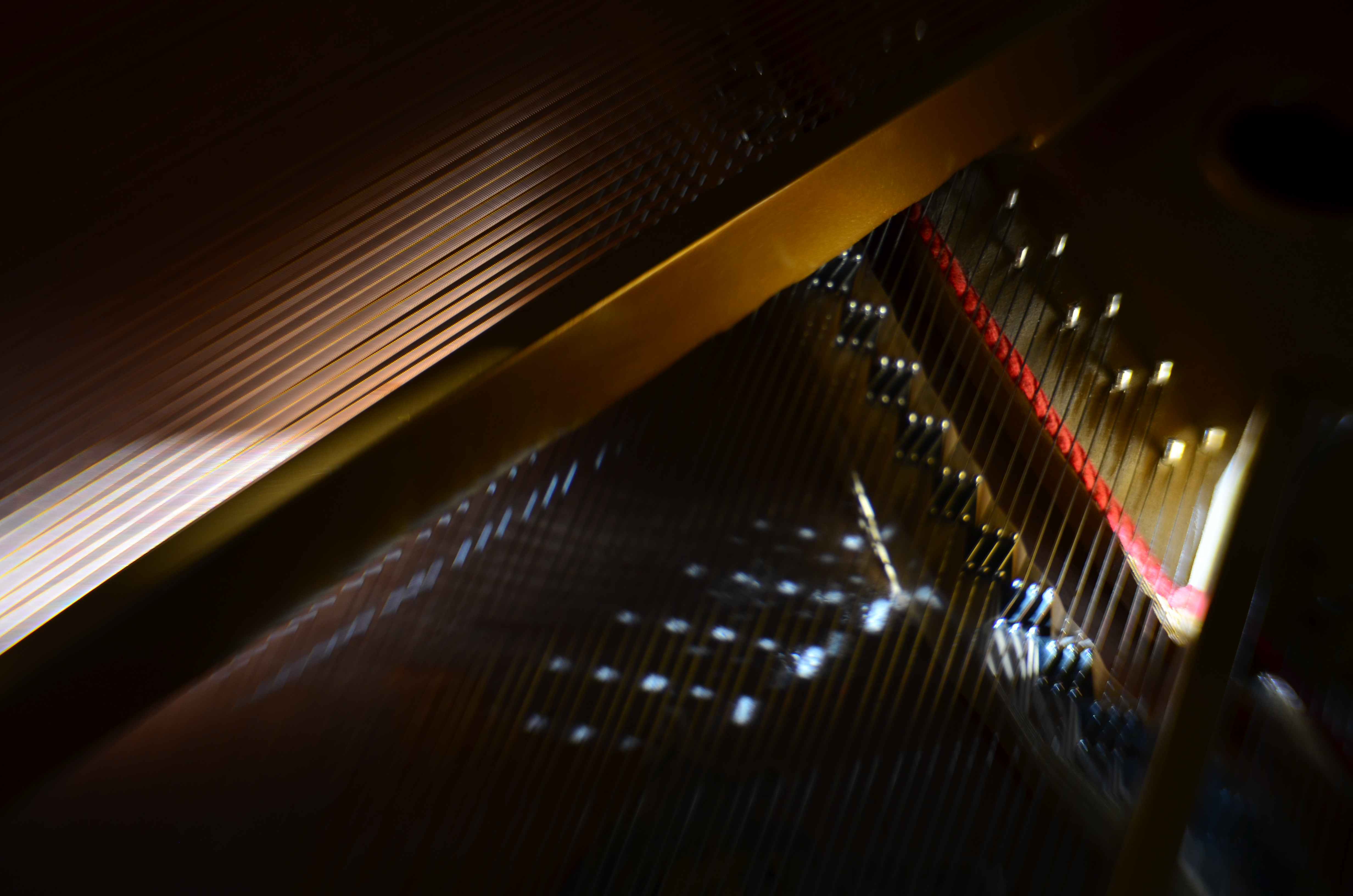
Same subject, five minutes later, with a selective-focus “art lens”.
When focus or any other main element in picture-making becomes more flexible, people experiment more and more. That, in turn, increases the number of average shooters who produce more sophisticated work. It’s part convenience, part economics: once the ability to do something on an occasional whim is granted to more people through innovation or pricing, the exotic becomes the normal, and the entire art advances. Photography began as a tinkerer’s hobby, costly and clunky in its execution. However, once it solved those problems, it went viral (or whatever one went in the 1800’s). And now digital apps are leading the entire market toward another level of ease and affordability.
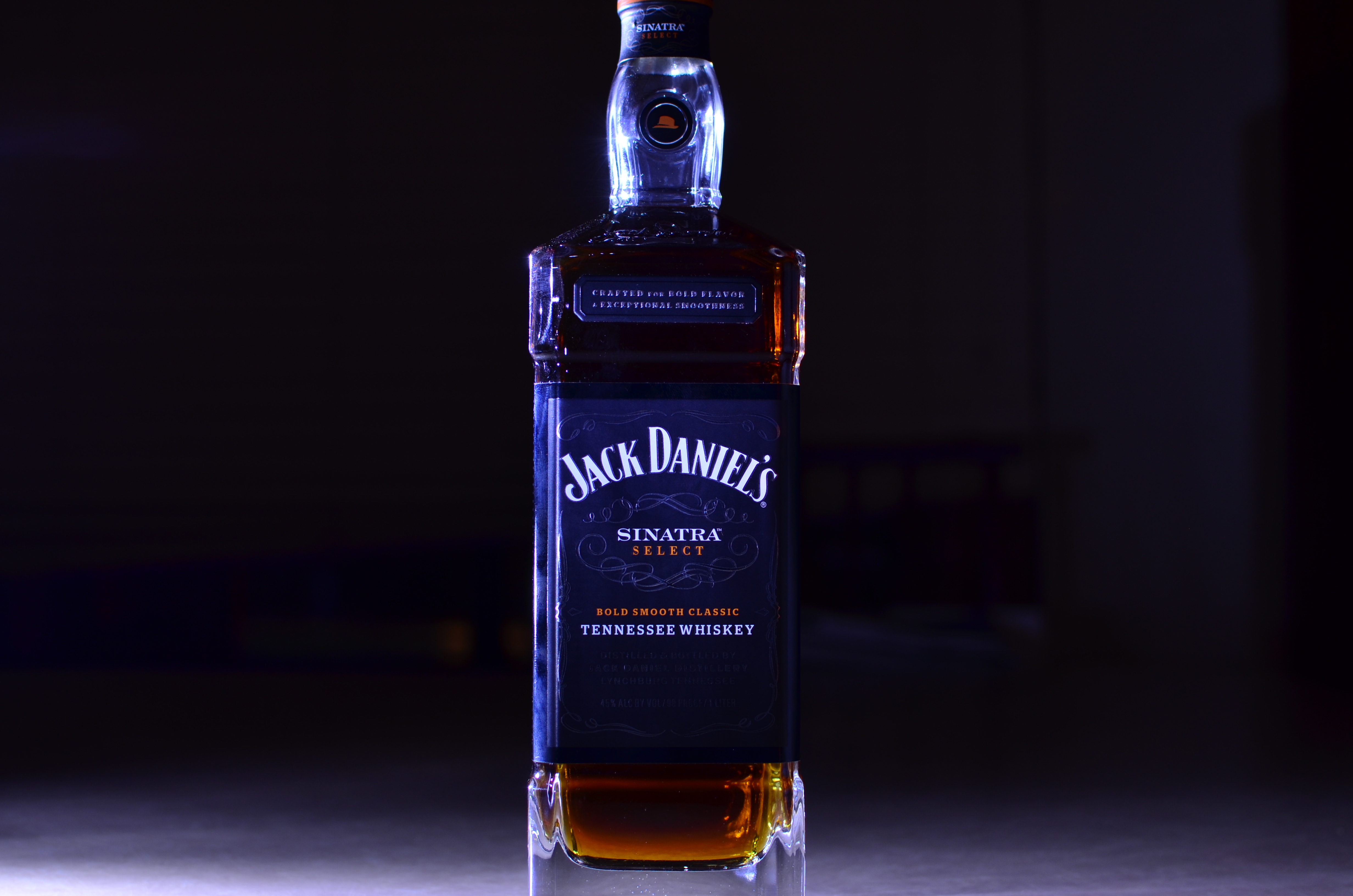
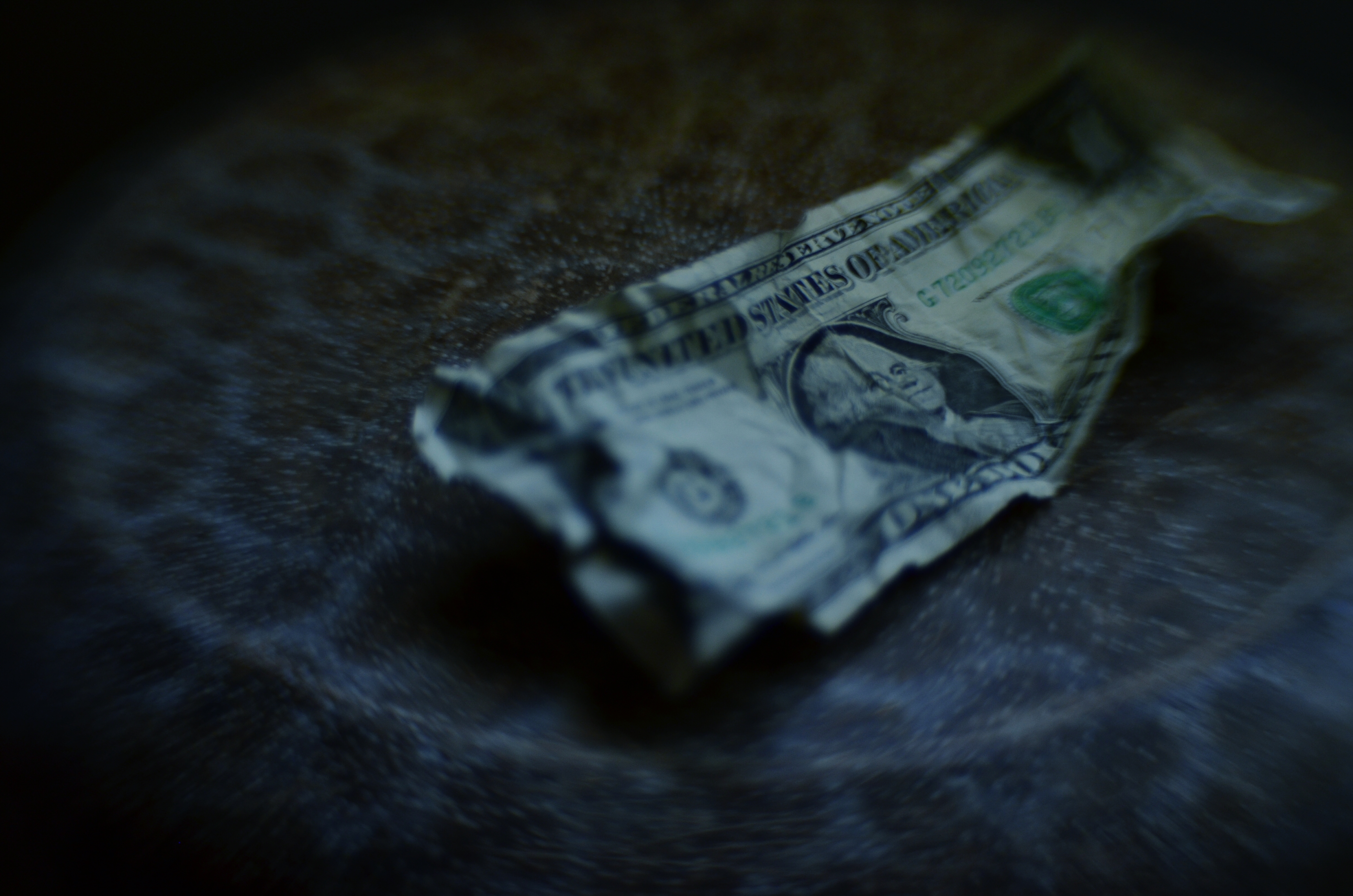
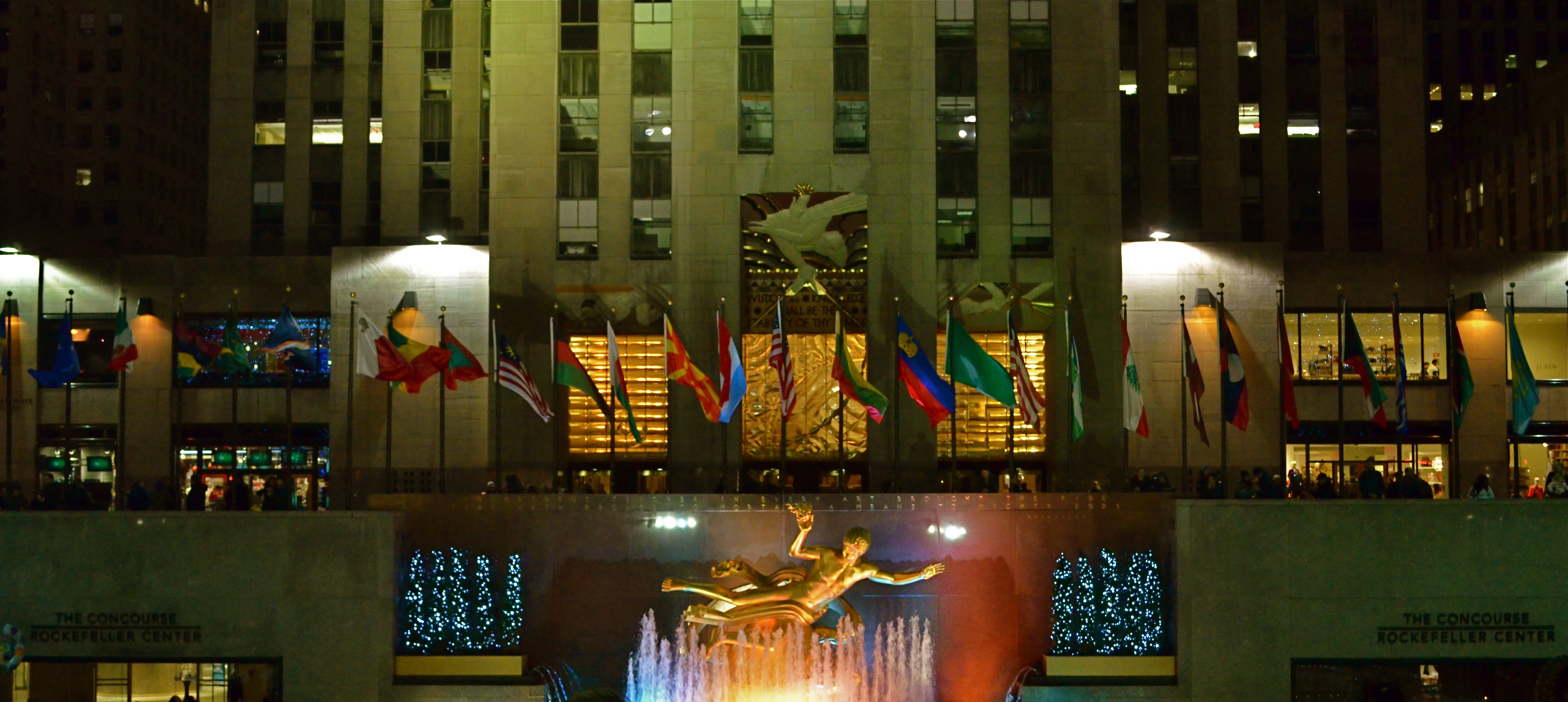
The two pictures you see here were both, in fact, taken with camera-based lenses….but, those lenses are both infinitely more affordable to me today than they might have been a generation ago…something driven in part by the digital apps revolution. That means I had the option of trying two vastly different focal approaches on the same subject with little more effort than it took to swap one lens out for another. I used standard optics for this exercise because, frankly, the acuity and control in most mobiles is still less than I’d prefer. But that will change, and quickly. In just a few evolutionary clicks from now, I will be able to do this exact same study within my phone….cheaper, faster, and with less baggage to lug around. Will I abandon my traditional lenses at that point? I honestly can’t say. But if I don’t, I hope I have a better reason than “that’s not the way we used to do it.”






 thenormaleye
EYES ON THE PRIZE FOR THE EYES
By MICHAEL PERKINS
THE INTERNET SCREECHED ITSELF HOARSE in 2016 when the Nobel Prize committee announced its intention to award one of its coveted awards for Literature to Bob Dylan, the first popular songwriter so honored. There were acrimonious screeds on both sides of the issue, as hands were wrung and garments were rent over whether Mr. D. was a poet or just a scribbler of post-beat pap. My initial reactions ranged from “really?” to, well, “really???“. But then I figured that, far from stretching the idea of “literature” too far, the Nobel gang hadn’t taken it far enough.
That is to say, it’s way past time for photographers to be invited onto the Nobel podium. As creators of visual literature.
Dorothea Lange’s Dustbowl image Migrant Mother is the Library of Congress’ most requested image.
Founded as an attempt by Alfred Nobel to expiate his guilt for having invented dynamite, the awards were designed to reward those whose work enriched or enlivened the human condition in the areas of chemistry, economics, physics, physiology/medicine, peace, and, yes, literature. As compared to the Pulitzer prize, which confers news value on both the printed word and photographic images, and is awarded for a singular piece of work within a single year, the Nobels are awarded for a body of work. With that standard in mind, it would actually be easier to judge the value of a photographer over a lifetime, versus the potential for a lucky or instinctual snap to be taken in the recording of a brief moment. But photography is a visual art, and a young one at that, and, even though no one still argues against its importance or impact, it is a sticky wicket to compel the powers that be to confer the “L-word” upon it.
Considering that the slight jump from literary poetry (Seamus Haney) to commercial song lyrics (Dylan) nearly caused Nobel critics to hemorrhage, proposing that photographs could also meet the definition of literature must sound, to some, like reciting dirty limericks during High Mass. Further, word “originalists” will point to the fact that literature is strictly defined as a written work of permanence. And yet it’s the permanence part that matters. Pictures have, in fact, changed arguments, minds and history, just as paintings have. And, if literature is that art which endures, something which defines the human experience, then a photograph is certainly as big an influence upon culture as a play or novel. A document is a document.
In accepting his Nobel prize, author John Steinbeck declared, “the writer is delegated to declare and celebrate man’s proven capacity for greatness of heart and spirit..for gallantry in defeat…for courage, compassion, and love.” Now go from the general to the specific, considering Steinbeck’s amazing chronicle of the Oakie odyssey of the 1930’s, The Grapes Of Wrath. As a contrast, how does Dorathea Lange’s picture Migrant Mother, with its graphic depiction of the dust bowl era’s desperation and despair, have any less impact than Steinbeck’s glowing account of the Joad family’s trek to California? In my estimation, both works magnify and certify what it means to stand tall in the blowing gale of ill fortune. And that is a literary idea.
Migrant Mother, like Grapes, is no mere “one-off”, but a small part of an enormous oeuvre, a vast portfolio filled with eloquent testimonies that delineate humanity. The Nobel has slowly begun to mature with the awarding of Bob Dylan’s literature award. Now it’s time to regard the visual arts as part of that larger, and widening discussion.
Share this:
Posted by Michael Perkins | May 18, 2017 | Categories: Commentary, Essay, Journalism, Opinion | Tags: Literature, Nobel prize, visual arts | Leave a comment