By MICHAEL PERKINS
SHOOT ENOUGH PHOTOGRAPHS AND YOU’LL ESTABLISH SOME KIND OF STANDARD of acceptability for your images….the inevitable “keeper” and “failure” piles by which we measure our successes (or lack thereof).
Now, we could fill pages with reflections on just how rational we all are (or aren’t) when it comes to editing ourselves. It’s a learned skill, one that’s practically a religion to some and a virtually unknown process to others. Be that as it may. Let’s assume for the purposes of this exercise that we are all honest, conscientious and humble when it comes to dividing our pictures into wins and losses. Even granting us all that wisdom, we are often less expert about whether a photograph is “worthy” than we think we are. You’d think that no one would know whether we took a bad image that we ourselves. But you’d be wrong, and often, wrong by a country mile.
Just as we are never so purely objective that we can be certain that we’ve generated a masterpiece, we can be just as unreliable in declaring our duds. I was reminded of that recently.
I have a lot of reasons to regard a given picture as “failed”. Some have to do with their effectiveness as narratives. Some I disdain because they’re nothing more than the faithful execution of a flawed idea. But the pictures of mine that the waste can catches the most of are simple technical botches….pure errors in doing. I’m old enough to hold certain rules of composition, exposure or focus as sacred, and I’m quick to dump any image that contravenes those laws.
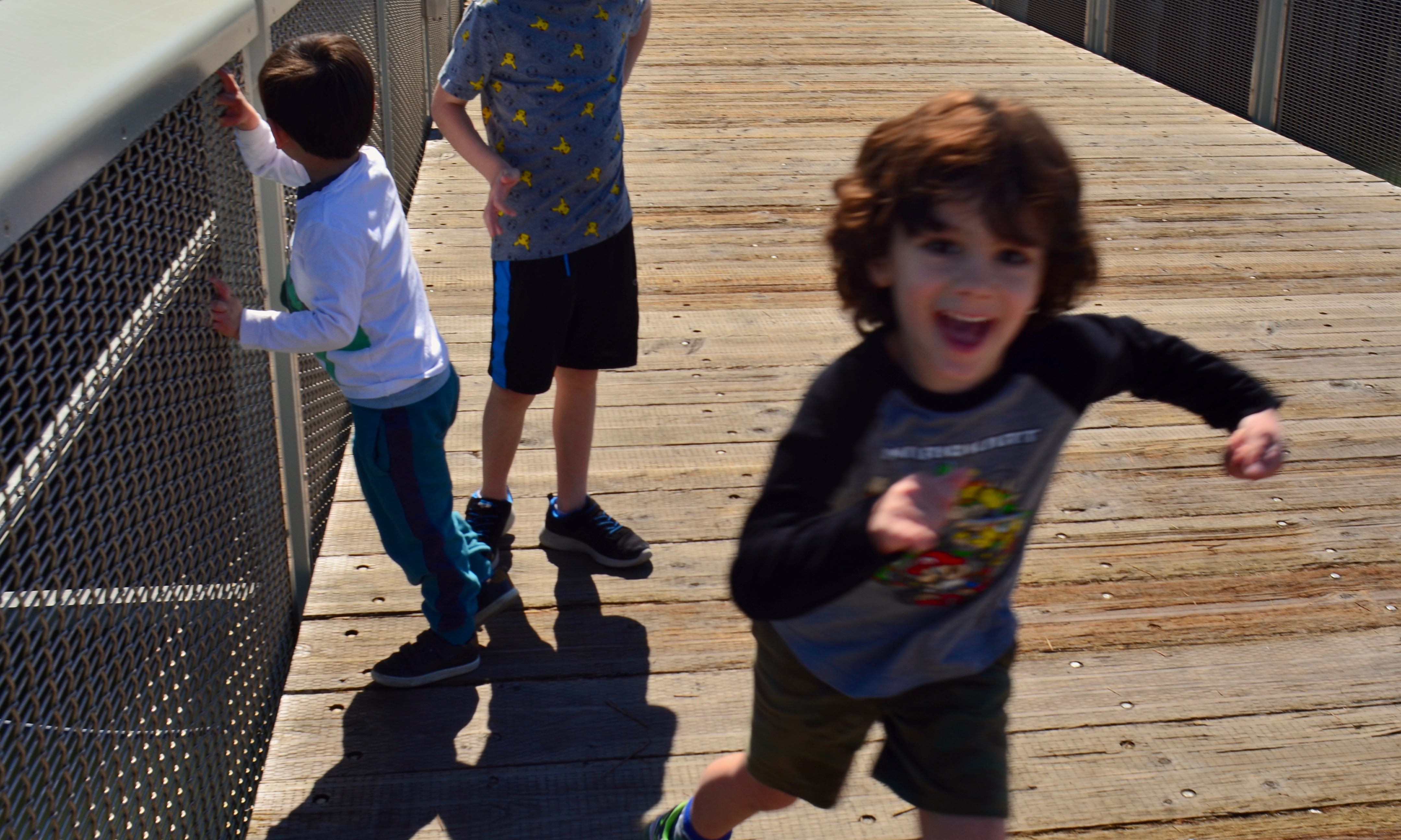
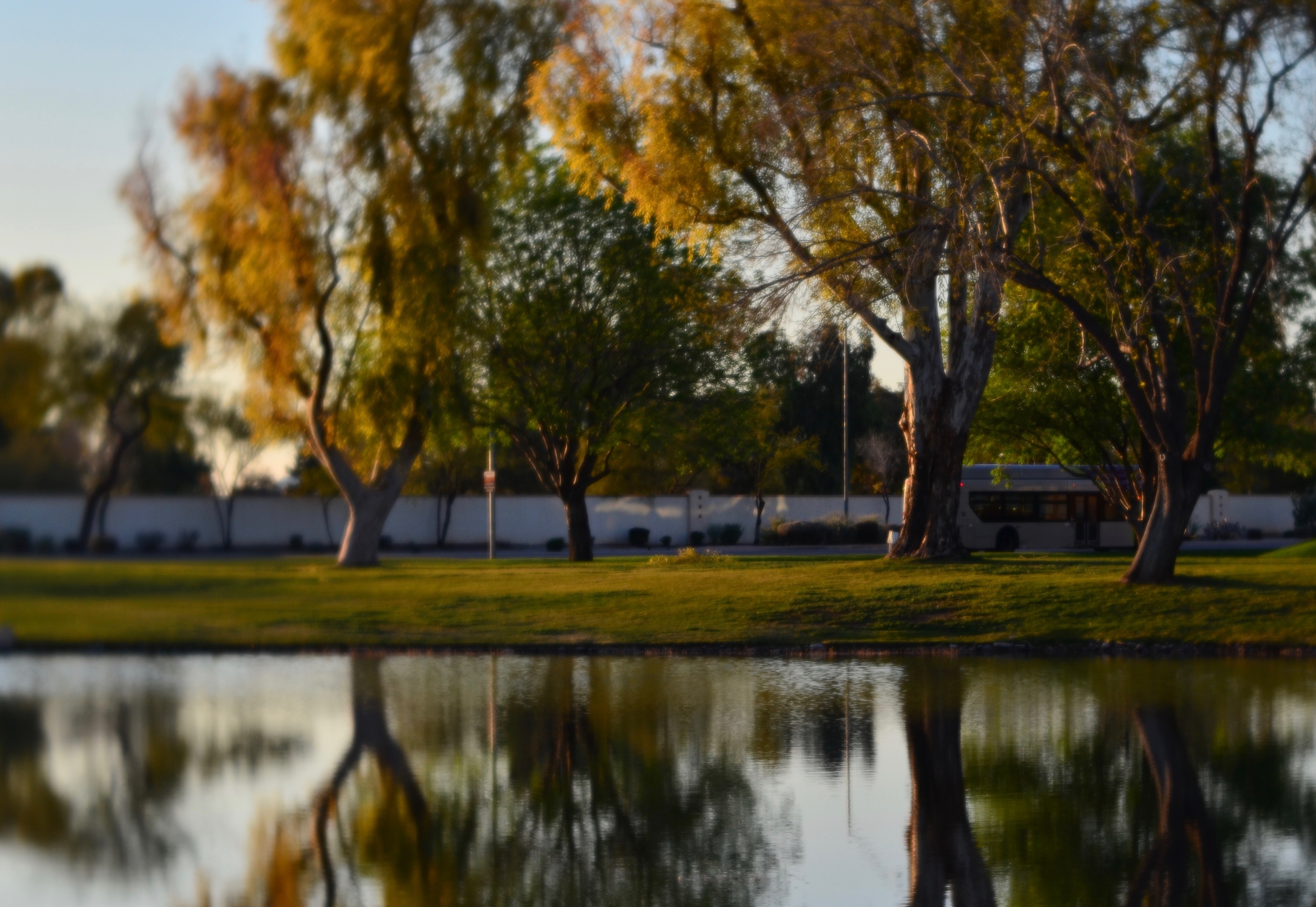
Here Comes Trouble, 2019
That’s why the picture you see here was originally something I had intended to hide from the mother of the manic young man in the foreground. I had attempted, one afternoon, to use a manual focus lens to track four very energetic boys, and in one shot their ringleader had made a sudden lunge at the camera that threw him into blur. Seemed like a simple call. I had blown the shot, and I was naturally eager to show his folks only my best work.
But the impact of the picture on the boy’s family was much more positive. Blurry or not, the picture captured something very true about the boy. Call it zest, enthusiasm, even a little craziness, but this frame was, to them, more “like him” than many of the more conventional shots I had originally chosen to show them. The real-ness of his face had, for his family, redeemed the purely operational imperfection that so offended me. To put it another way, my “wait, I can do it better” was their “this is fine just as it is.” Sadly, it was my wife who brought me to my senses and convinced me to move it to the “keeper” pile.
Which circles back to my first point. None of us absolutely know what our best pictures are. We do absolutely know the ones that connect to various audiences, but that may be a completely different pile of images from the ones we label as “right”. Passing or failing a photo largely on technical grounds would, over history, disqualify many of the most important pictures ever made. We have all emotionally loved things that our logical minds might regard as having fallen short. But, in photography as in all other arts, we’re often fortunate that logic is not the sole yardstick.




 thenormaleye
GONE GATEWAYS
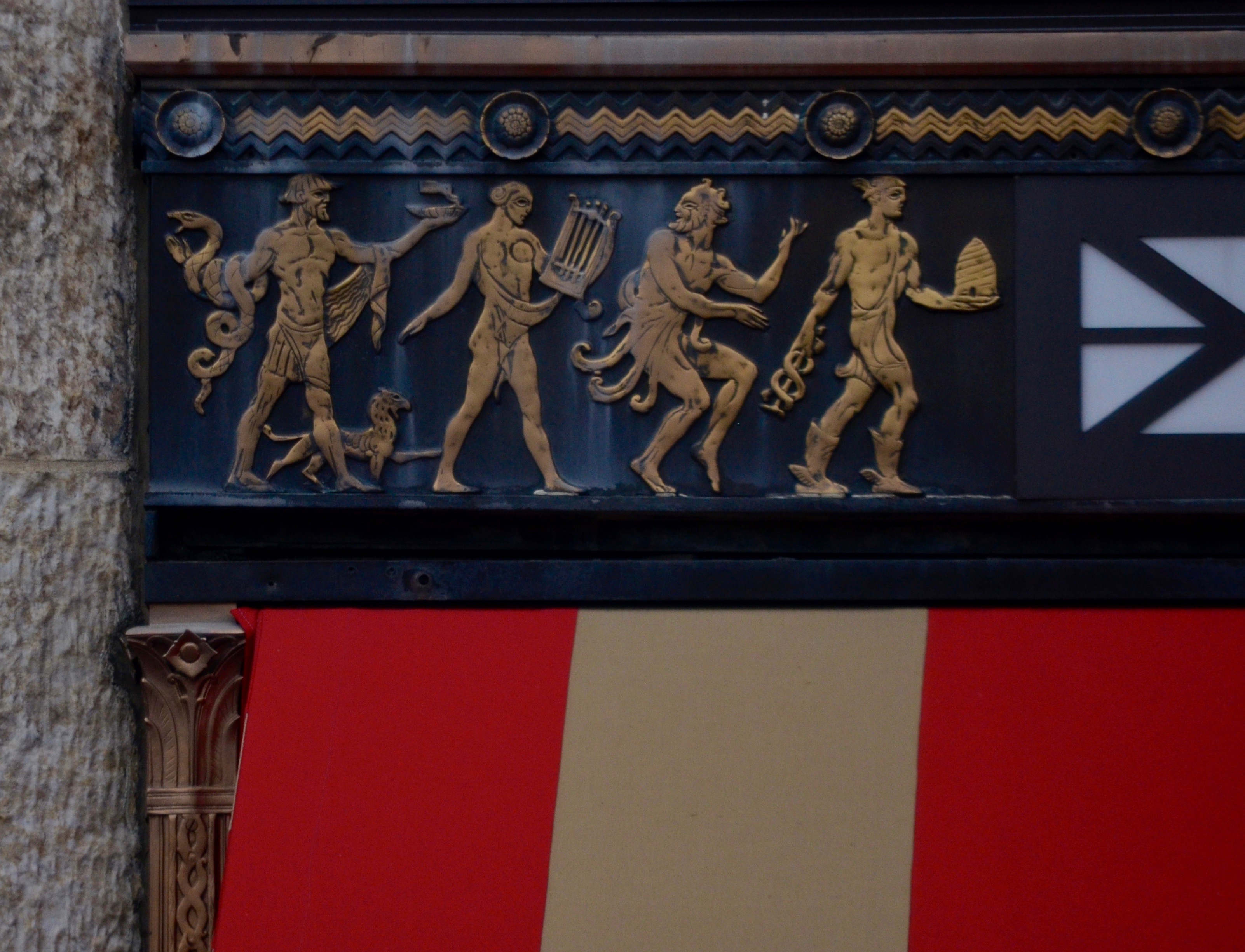
Ticket Kiosk (Ohio Theatre, Columbus, Ohio, opened 1926)
By MICHAEL PERKINS
PHOTOGRAPHERS ARE TRAINED TO REACT QUICKLY, the better to keep crucial moments from perishing unpreserved. We generally teach ourselves to measure, within an instant, what is fleeting and what deserves to be preserved. But there are times when important things actually disappear slowly, over years or decades, giving us a more generous window of time to record their passing. Cities, for example, don’t burst forth, grow, and die with the speed of mayflowers. They fade gradually, shedding their traditions and signature traits in a slow-motion oblivion that allows us to linger a little longer over the proper way for our cameras to say goodbye.
It’s the quotidian, the shared ordinary, in our world that is peeled off with the least notice. The boxy computers that give way to sleek tablets: the percolator that becomes the coffee maker: the paper billboard that morphs into the animated LED: or the movie theatre that changes from elegant palace to stark box to streaming video. All such passages are marked by physical transformations that the photographer’s eye tracks. The ornate gives way to the streamlined, function revising fashion in distinct visual cues.
The grand ticket kiosk seen here, which still graces the 1926 Ohio Theatre in Columbus, is now part of a vanished world: we don’t associate its details with elegance or “class” anymore. We don’t look to dedign elements of the old world to frame the new, as we did in the age of the flapper and the flivver. Images made of these disappearing gateways are poignant to the old and bizarre time machines for the young.
Most importantly, images are records. Once the familiar becomes the antique, our own memories suffer dropouts, missing bits of visual data that the camera can retrieve. Thus the making a picture is more than mere memory…it’s the logging of legacy as well.
Share this:
Posted by Michael Perkins | March 17, 2019 | Categories: Americana, Architecture, Commentary, Conception | Tags: Commentary, history, popular culture | Leave a comment