By MICHAEL PERKINS
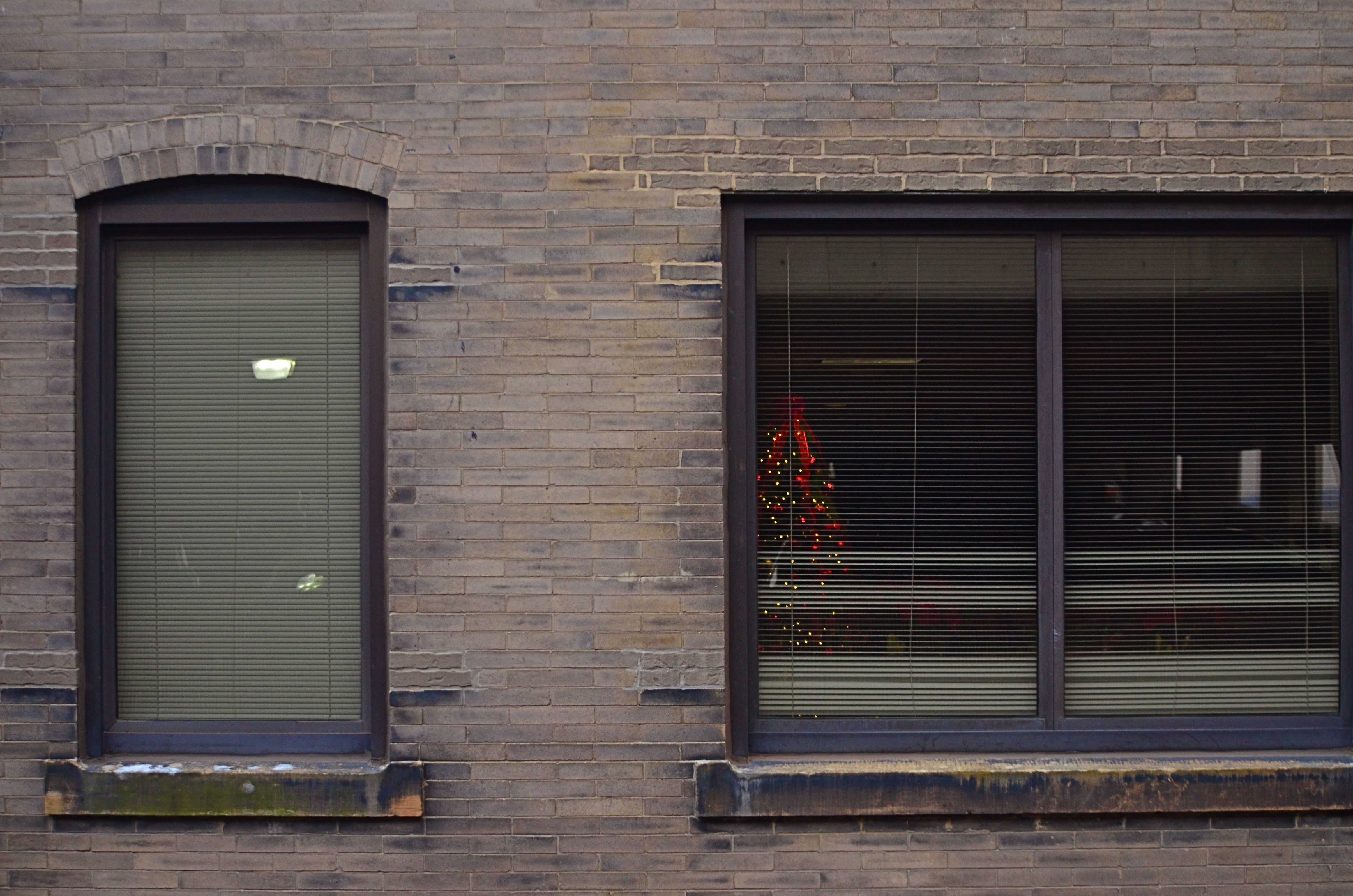
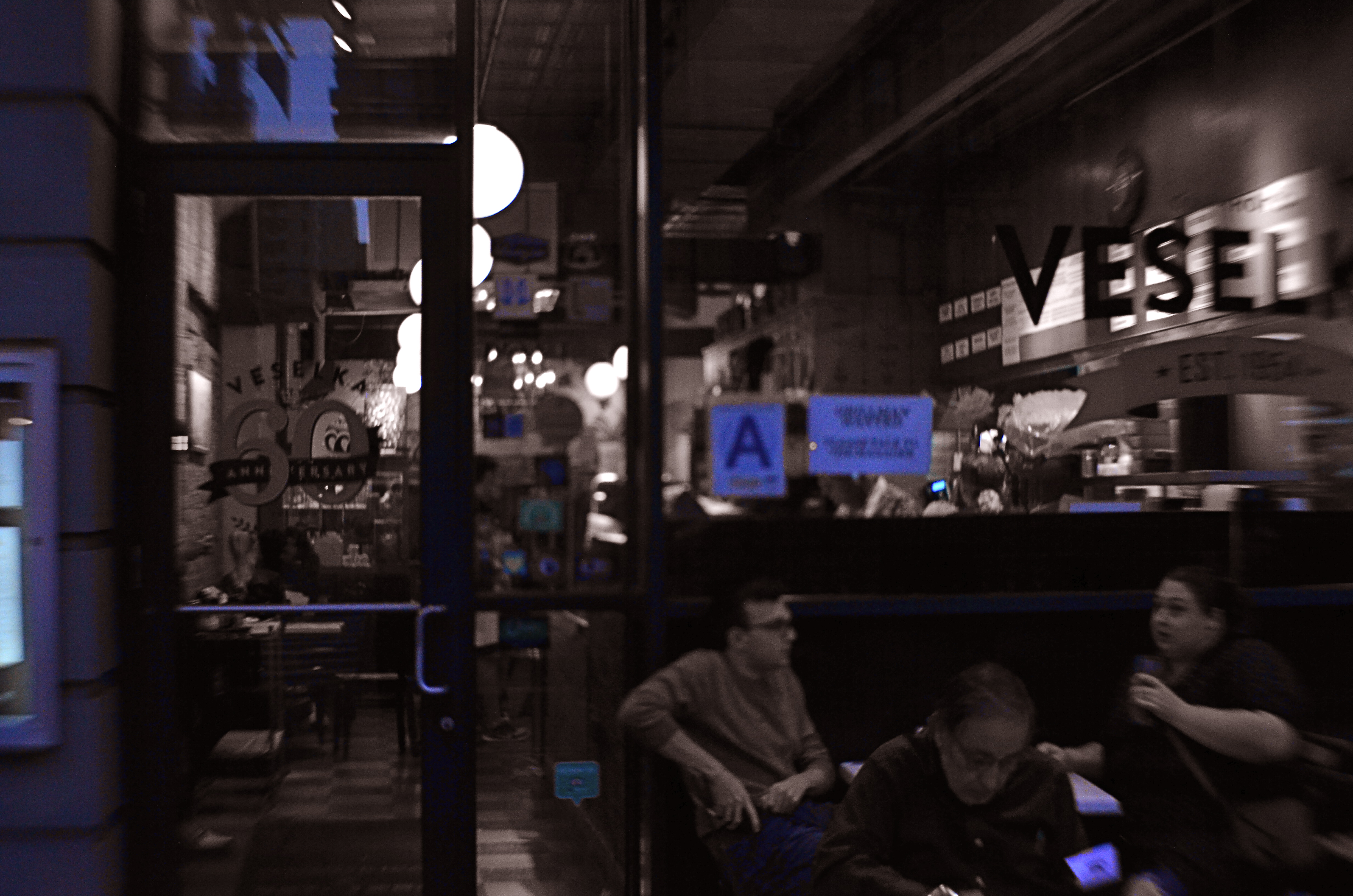
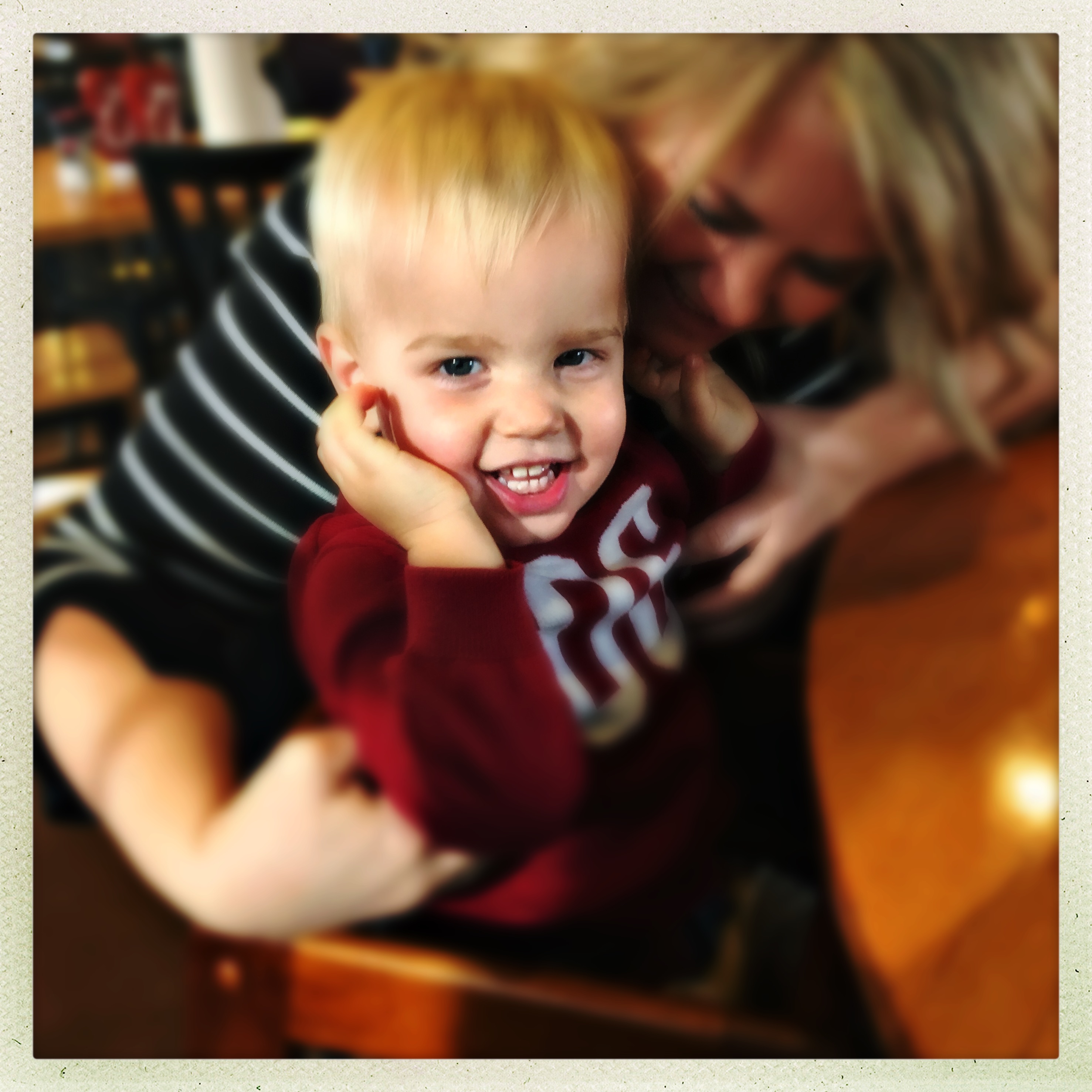
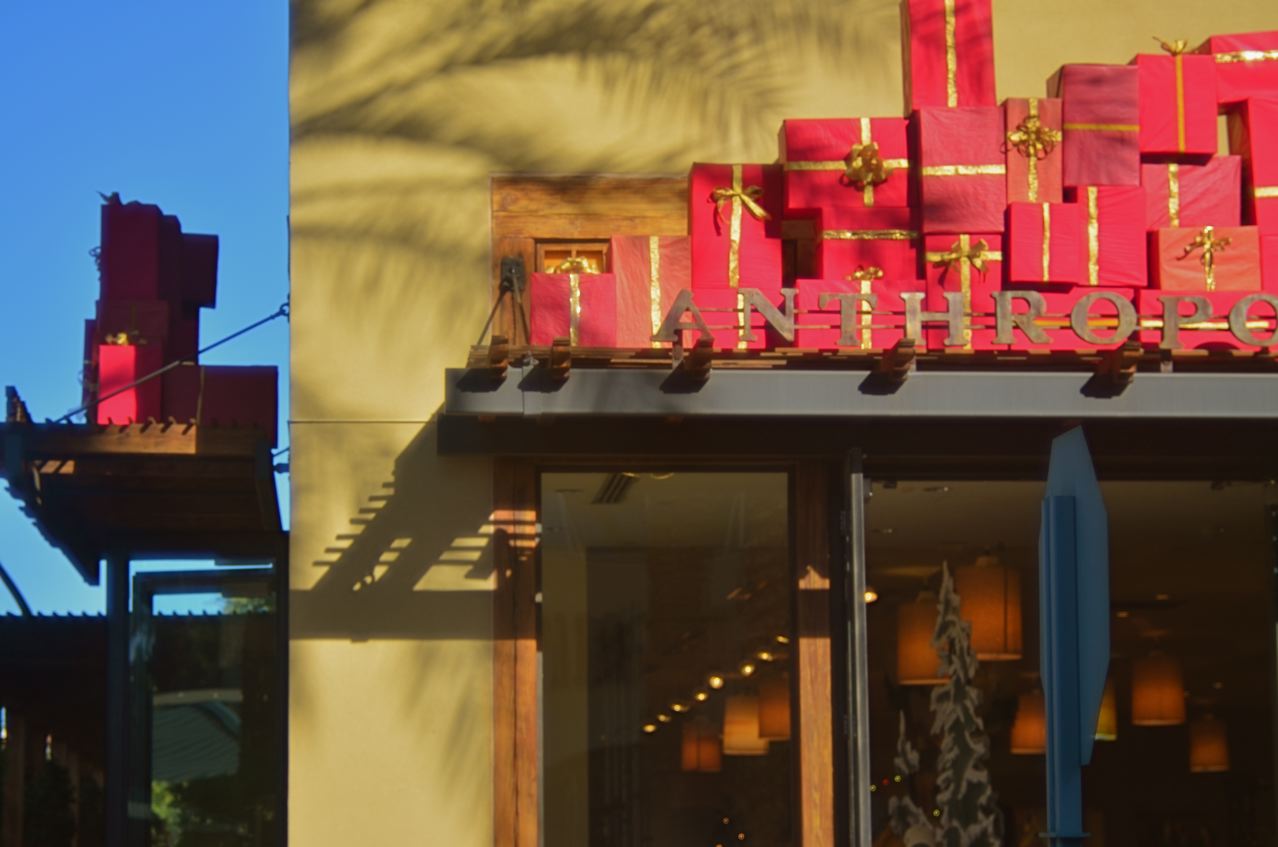
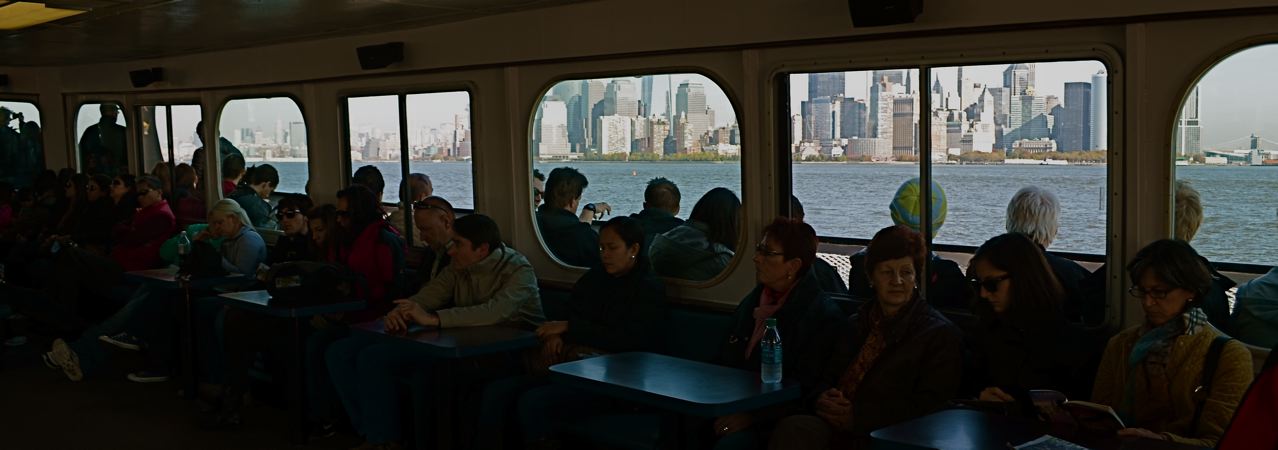
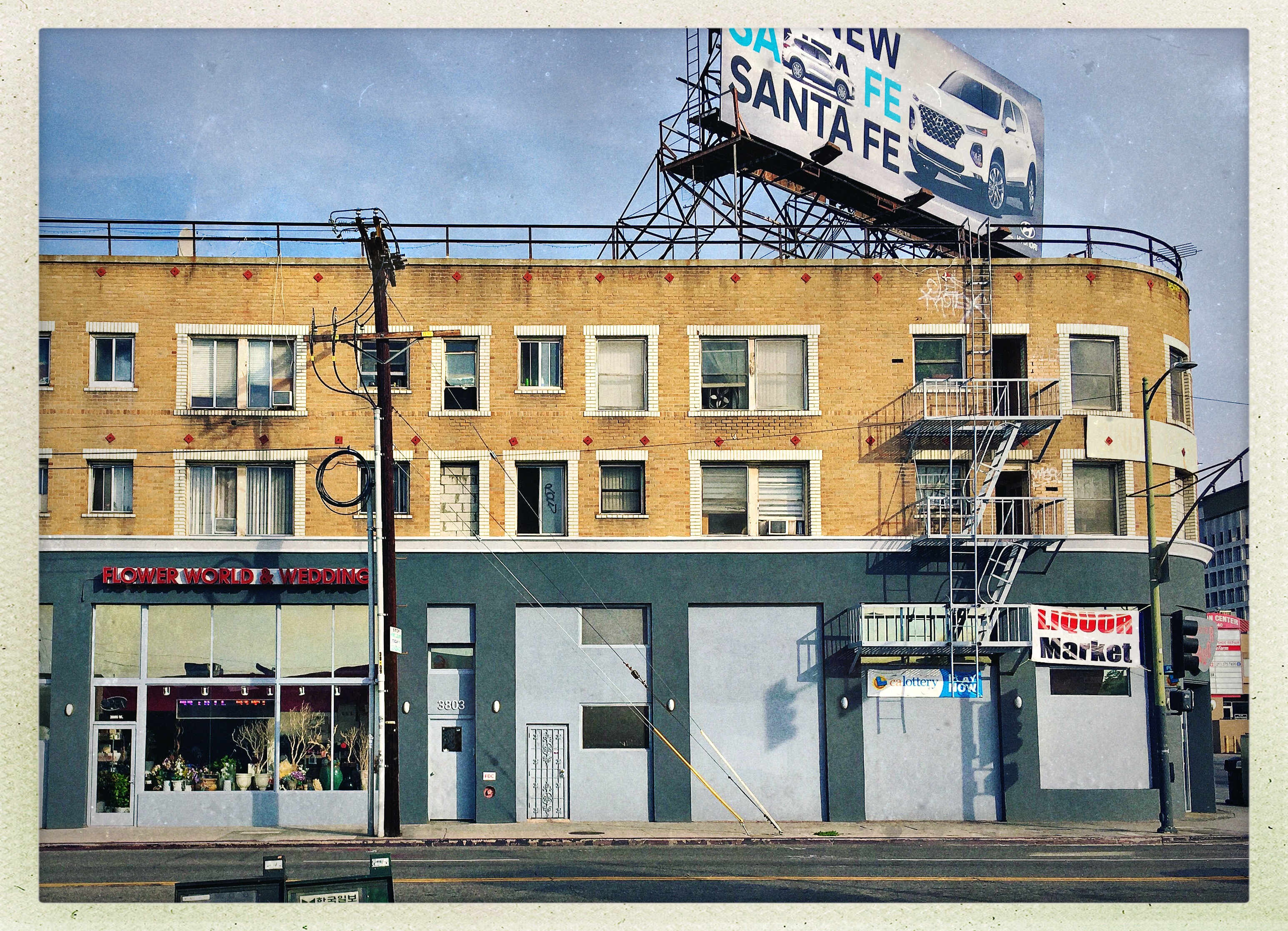
PHOTOGRAPHY AT ITS MOST EFFECTIVE, is a pure and wordless kind of storytelling, virtually limitless and astoundingly efficient. Using a visual shorthand, that is, the static image stolen in an instant, we can suggest any narrative, past, present or future. Our tales not only feed off the storyteller’s intent but also off of what the viewer interprets. We can make anything mean anything. If stories are a constantly moving parade, we determine where the “hop on” and “hop off” points in it will be.
We do this by controlling the frame.
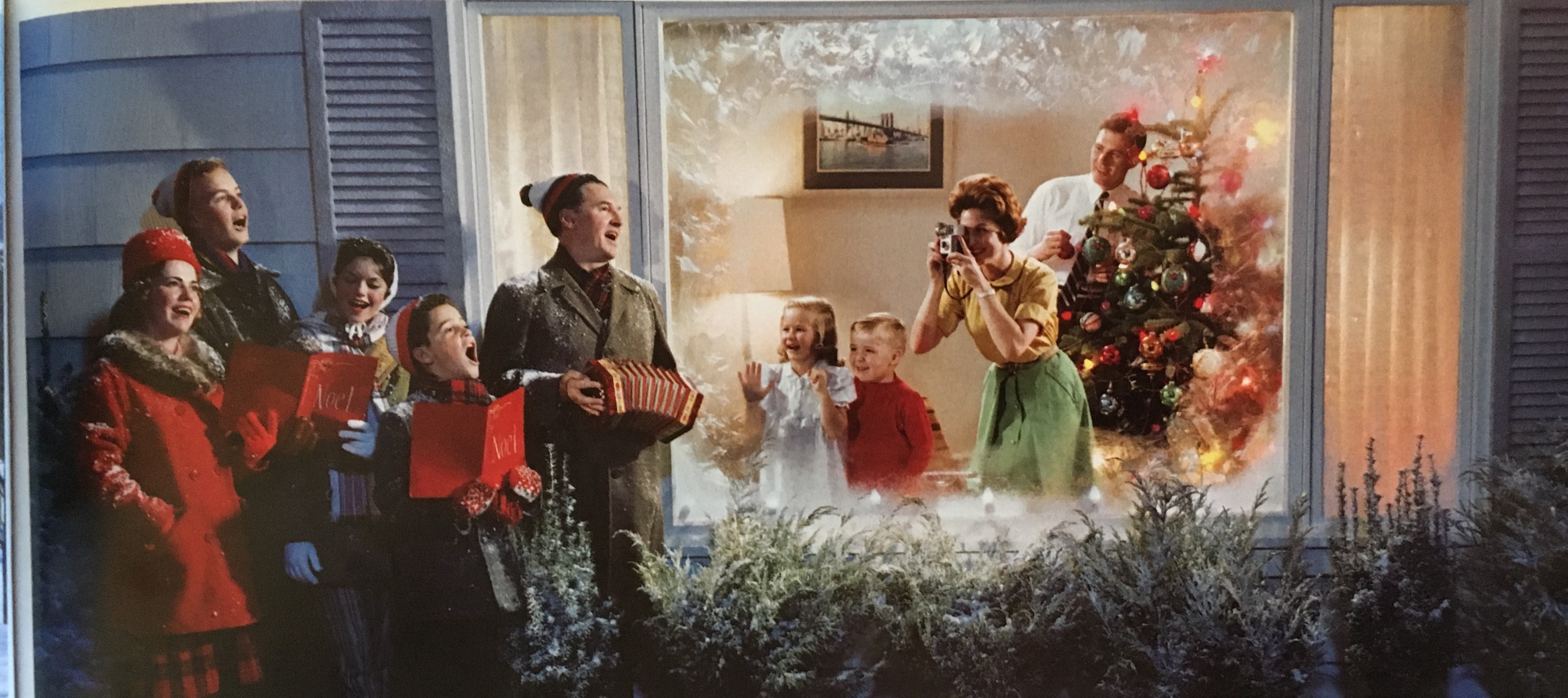
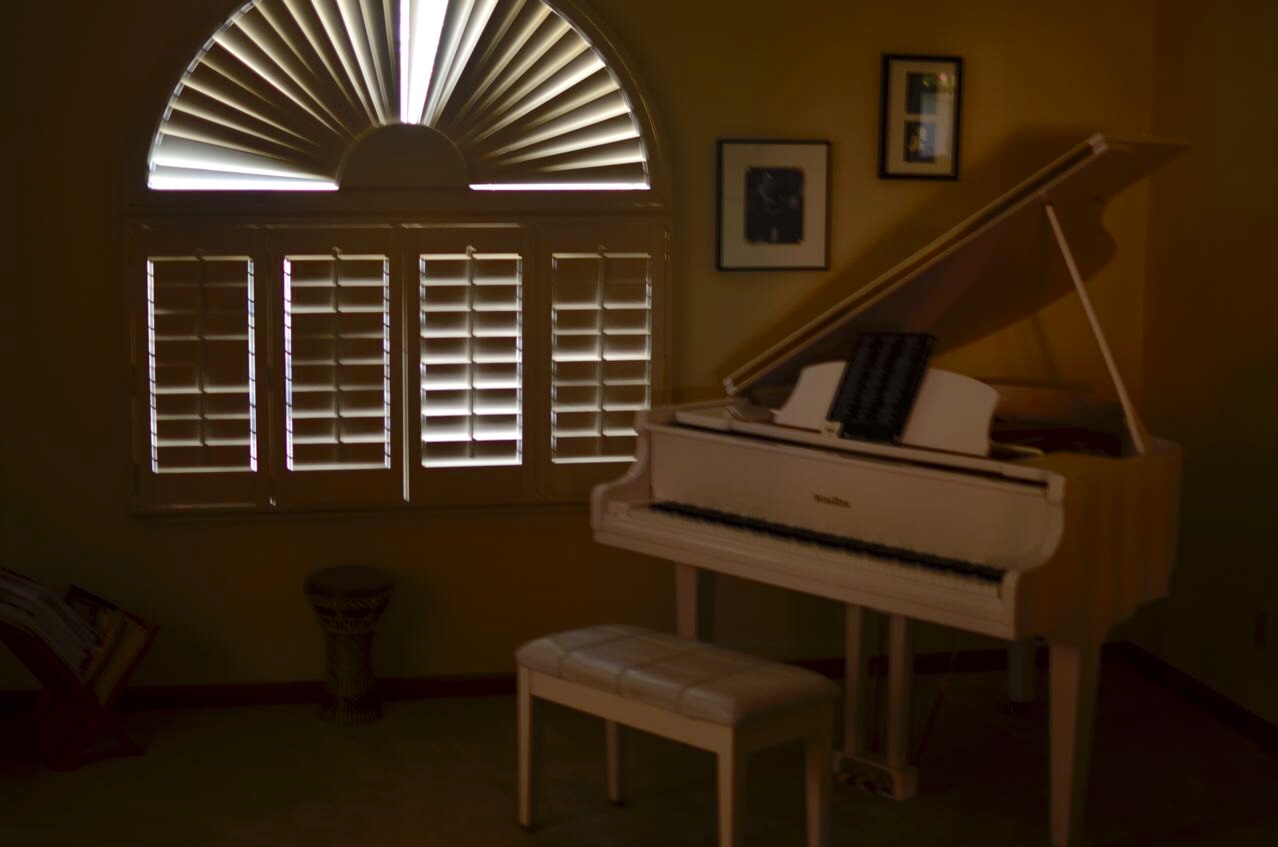
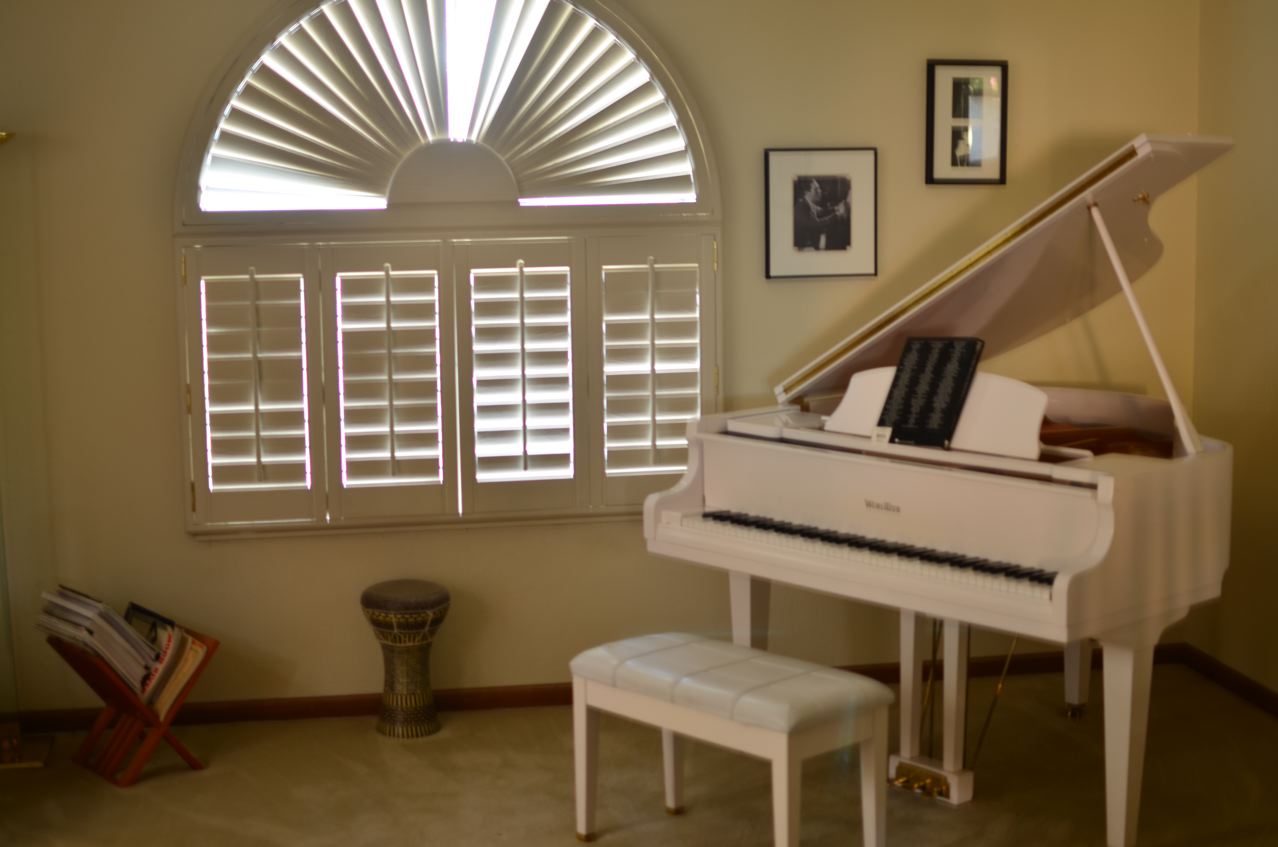
We make very intentional choices in a photographic frame. What is included is vital, but so is what is deliberately excluded, since both choices spark the imagination. We are, in effect, having a conversation, a debate over those choices with our audiences. Why did we show this and not that? Is this thing important because it naturally occurred in the picture, or am I making it important because I placed it there? And what do I think about what the photographer decided to leave out?
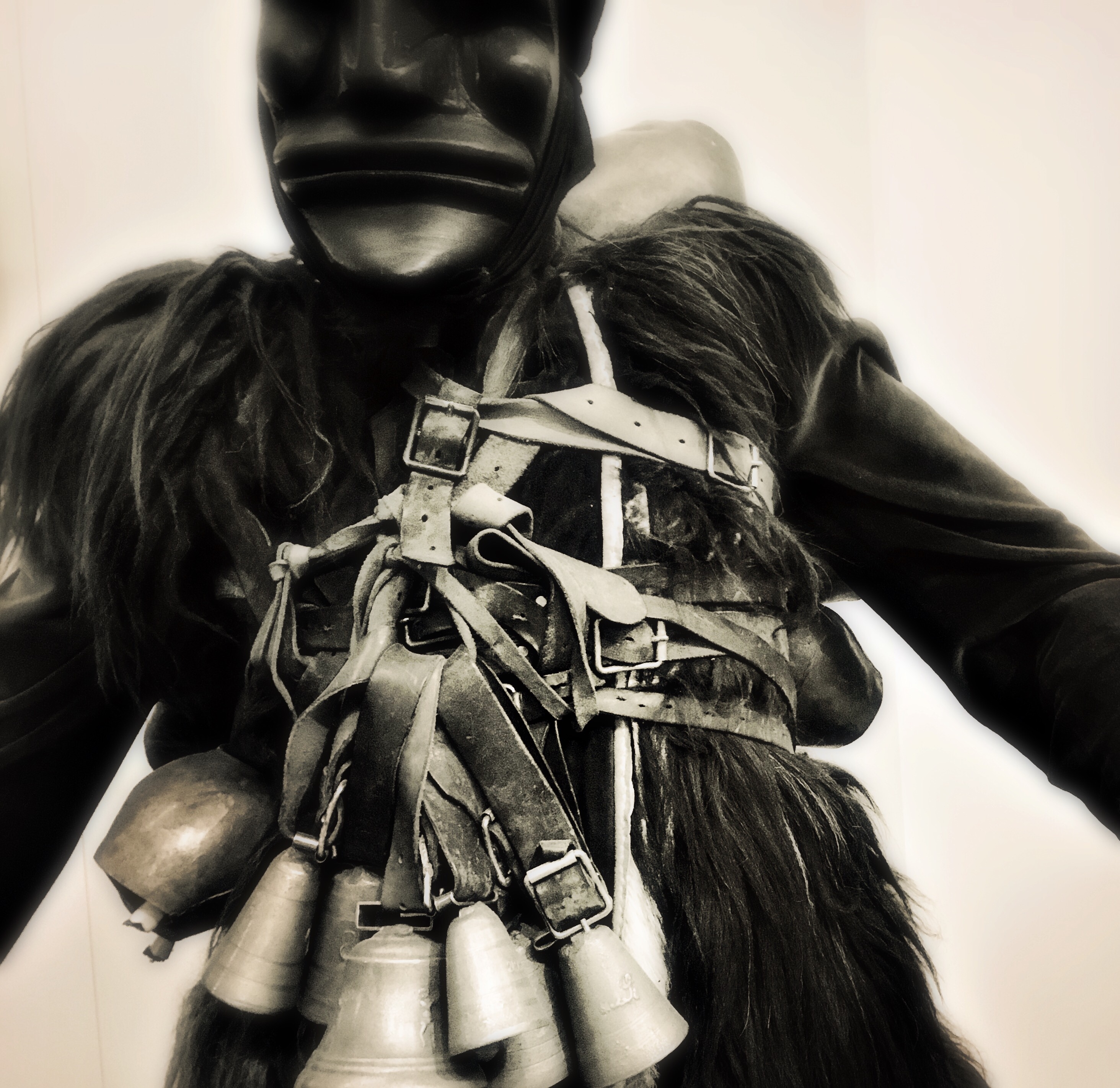
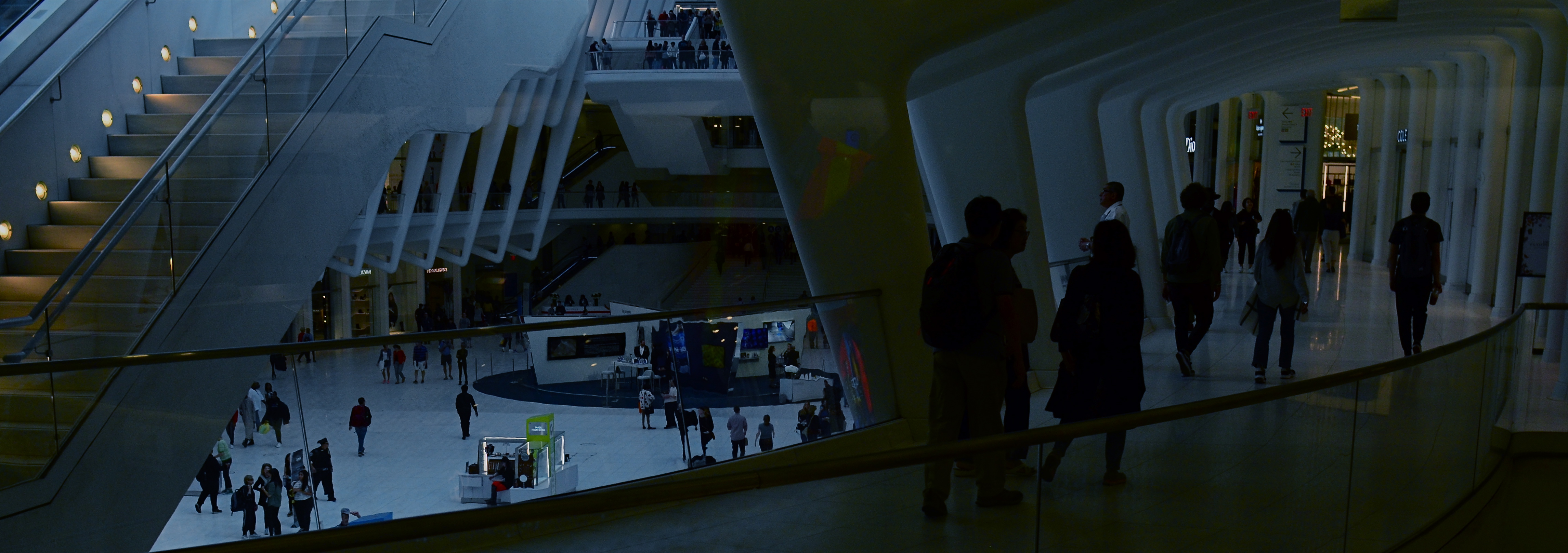
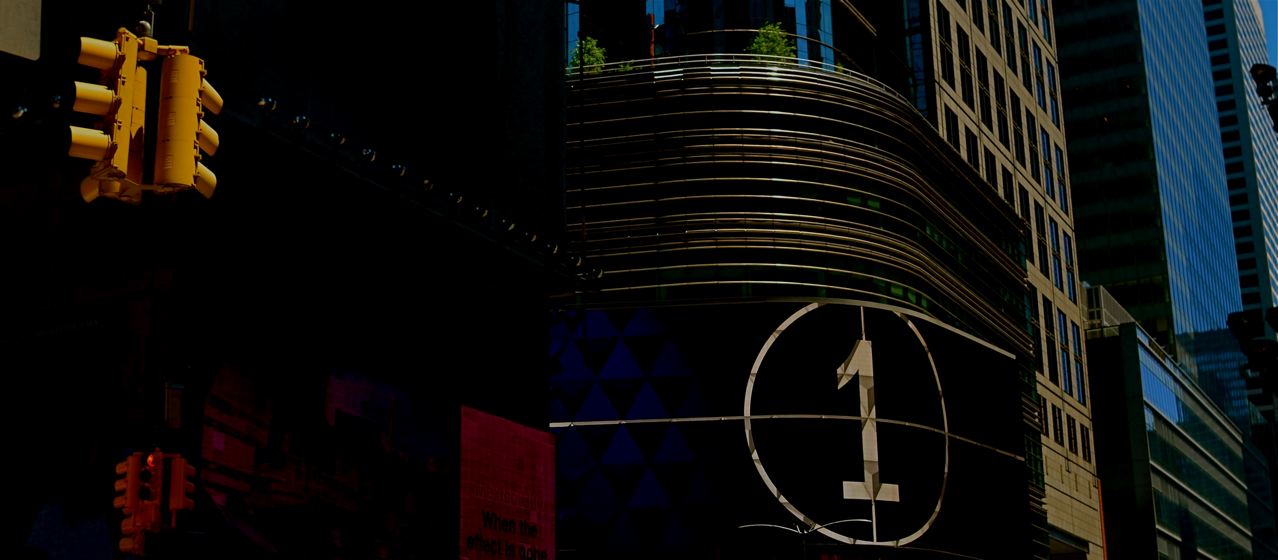
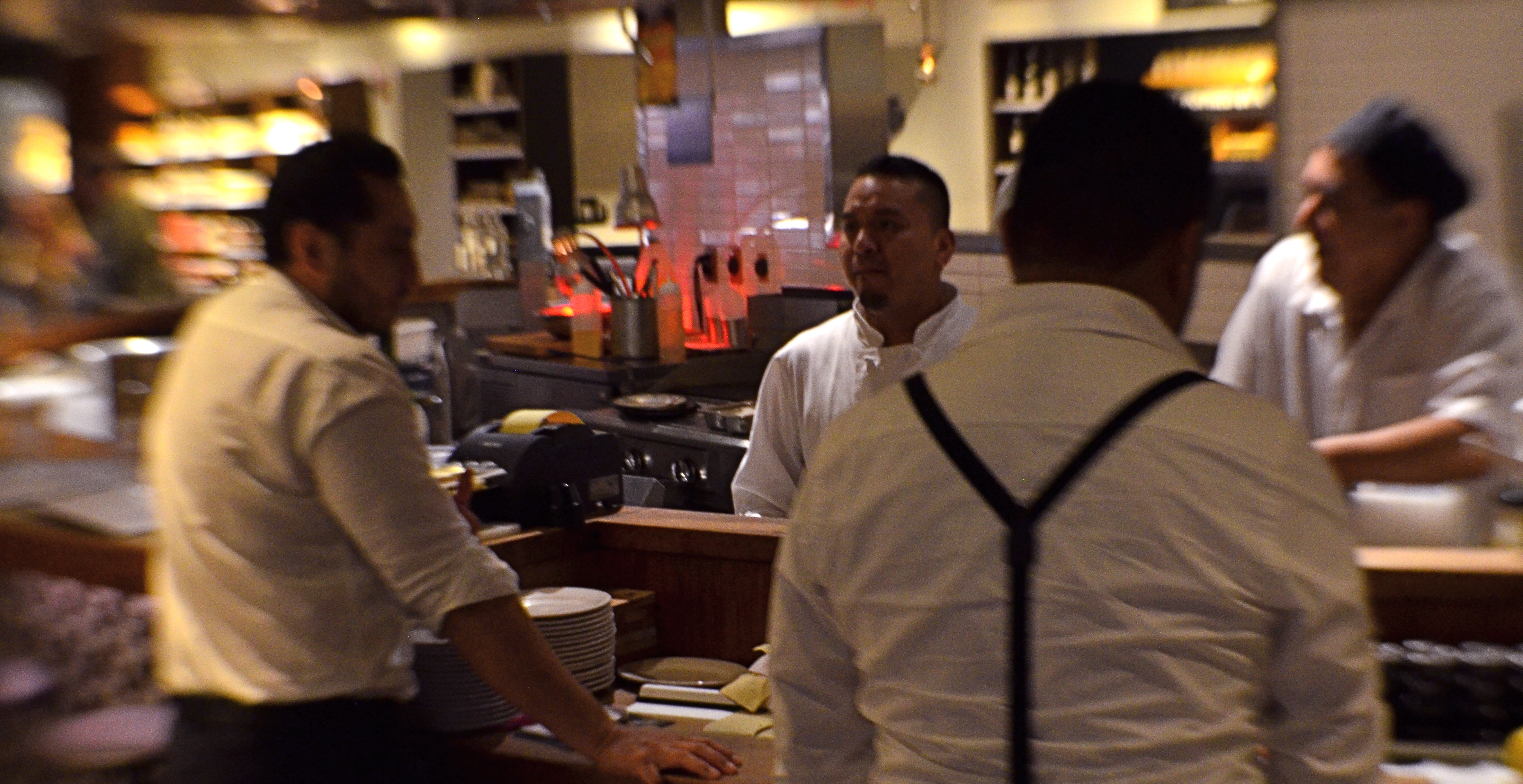
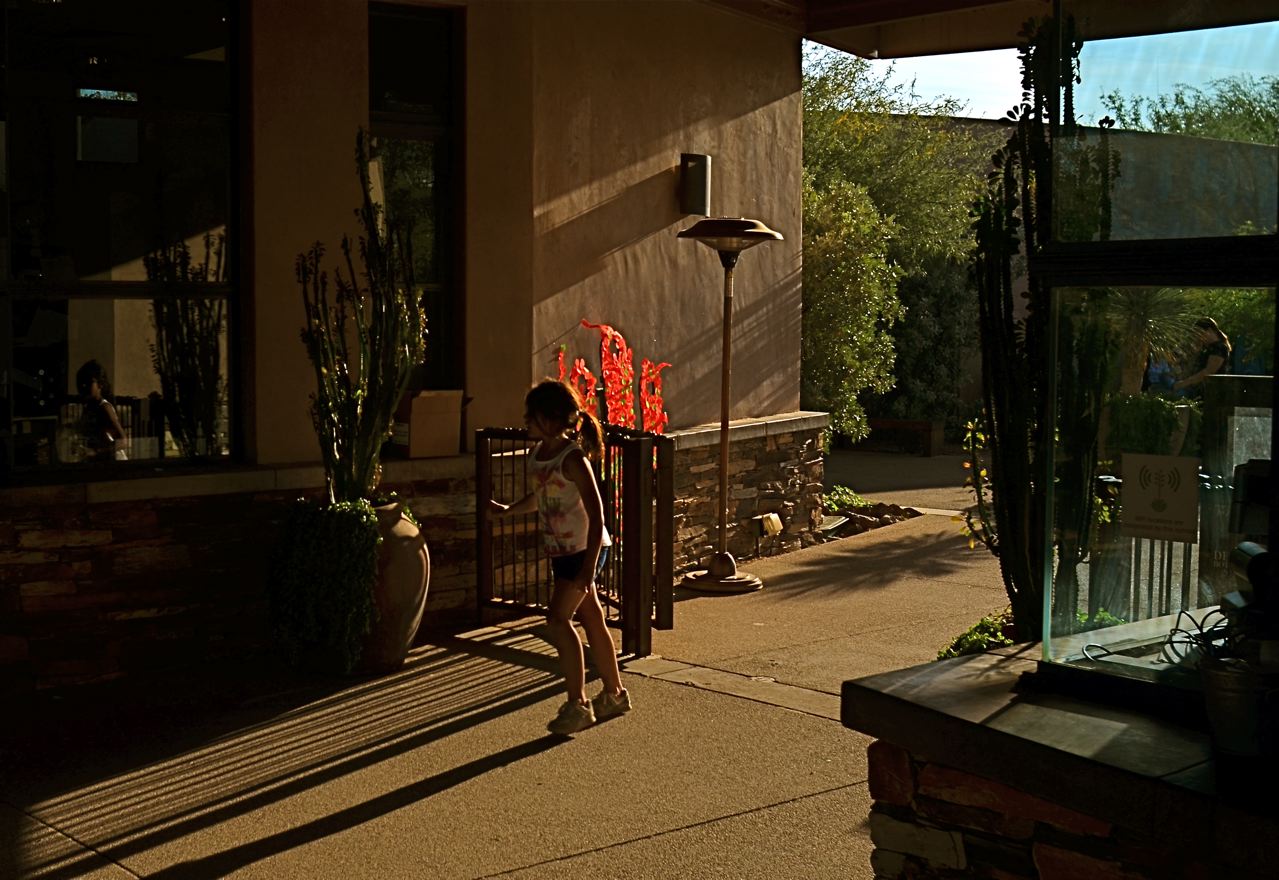
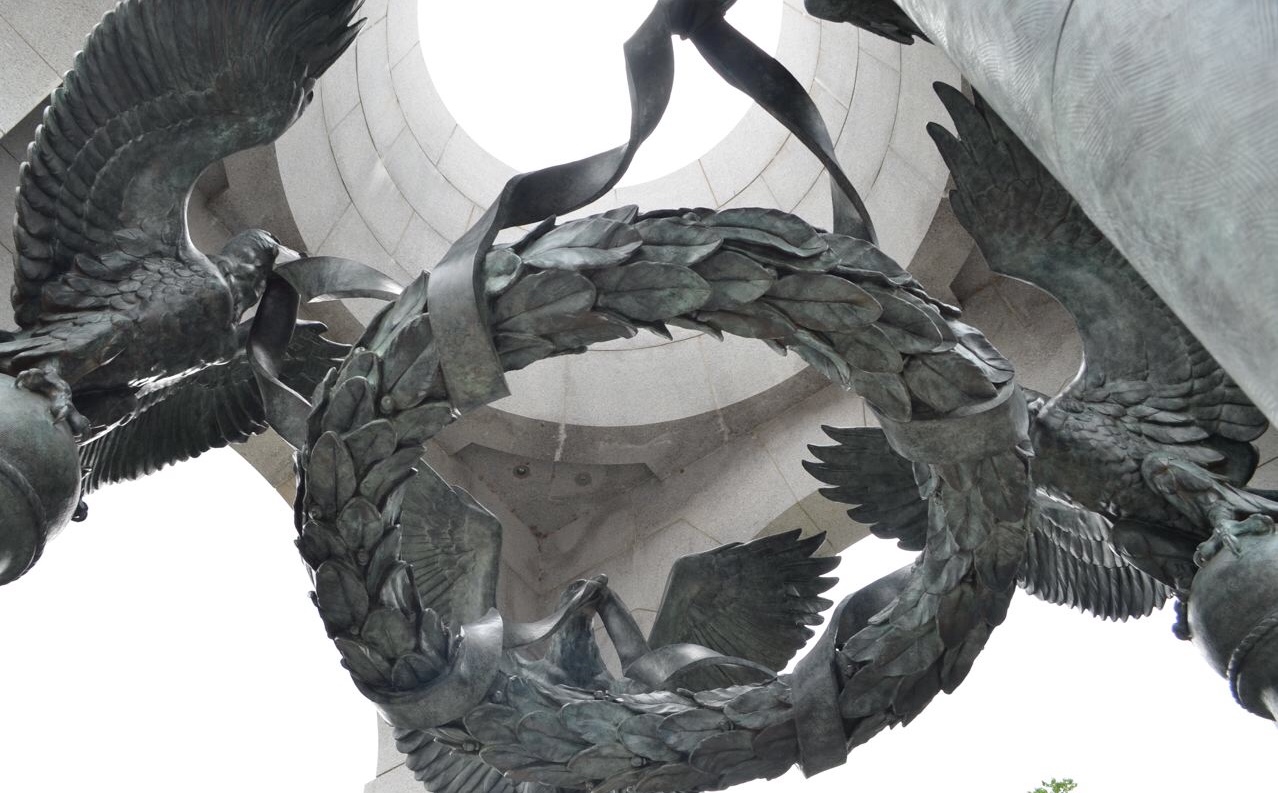
As the aforementioned parade of existence passes, the photographer’s hop-on point for the eye can supply context, showing connection between one thing and another…..or it can editorially destroy context, forcing us to see a thing in isolation, on its own terms. Consider, for a moment, the….. thing in the above image. Where did I get it? What was its purpose versus other things in its “world”? Can you, the viewer, assign it a new association that, for you, works just as well as the original?
All this discussion, all this interpretation, all these individual conceptions of what a thing “is”…all abetted by assembling the frame and than adding and subtracting within it. We talk a lot in these pages about the various sciences of photographic measurement…..exposure, light, apertures…. but I think composition outranks them all. Sure, know how to harness the tools that will help you record your message. But first, figure out what the hell you’re talking about.
And where you want your passengers to hop on.

 thenormaleye
MY WHITE WHALE
By MICHAEL PERKINS
PERHAPS THE GREATEST SINGLE MOTIVATOR, FOR PHOTOGRAPHERS, is the eternal attempt to narrow the gap between what is seen and what can be shown, a permanent sense of one’s pictures coming up short, doomed to mere actuality versus the grand visions dancing in our heads. We shoot, we lament having “missed it”, and we shoot again. Lather, rinse, repeat.
I’ve written before, here, on the most frustrating, if tantalizing, subjects within that overall challenge….scenes or objects that we are free to repeatedly, endlessly re-shoot in hopes of “getting it right”, chasing the same things year after year, camera after camera, lens after lens, like Ahab chasing the White Whale round the world’s oceans.
These inexhaustible things are usually a staple of our immediate environment, part of our daily drives or walks, our standard routines. The maddening thing is that such hyper-familiar things should, eventually, submit to our art, should finally be captured in some final, completed fashion. But, in many cases, they remain studies, rehearsals, sketches. Unfinished business.
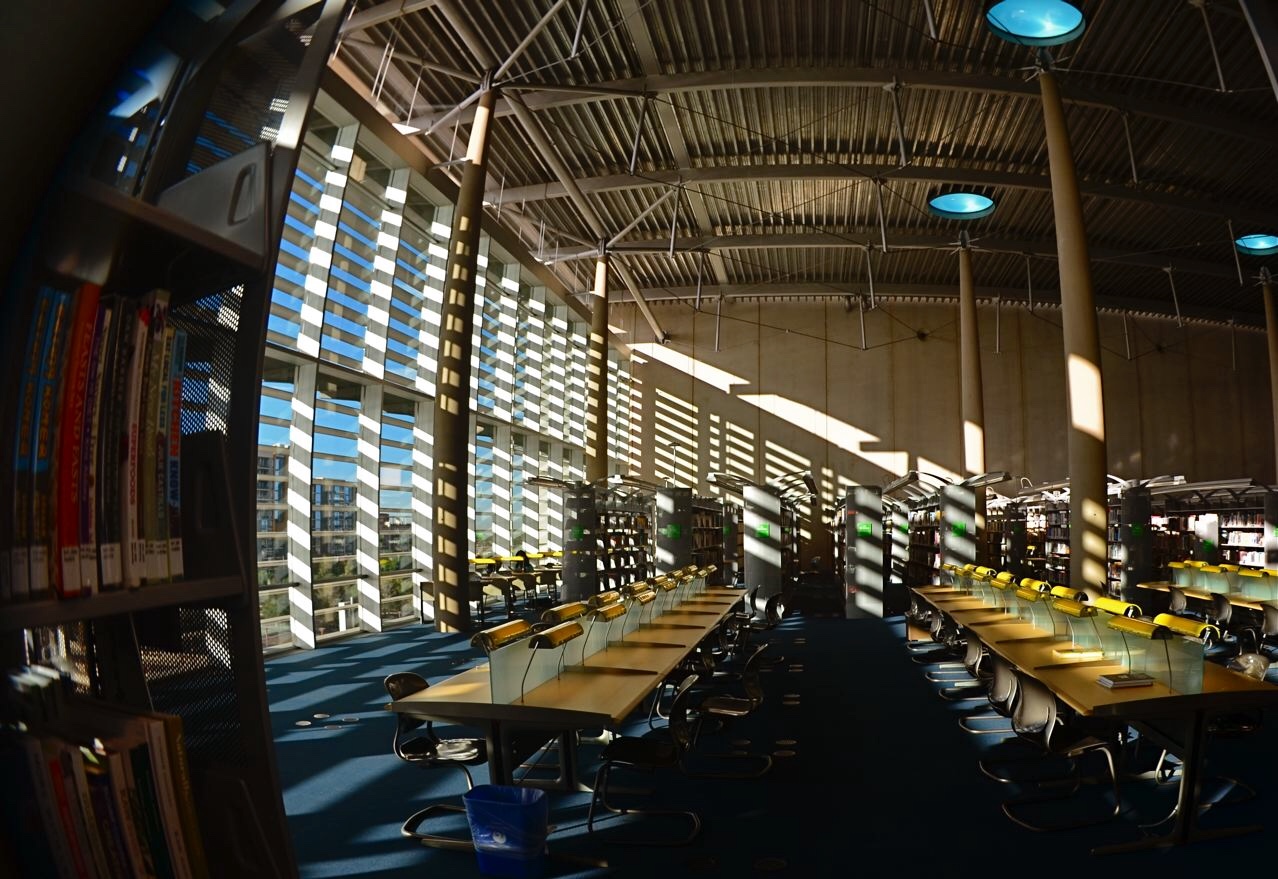
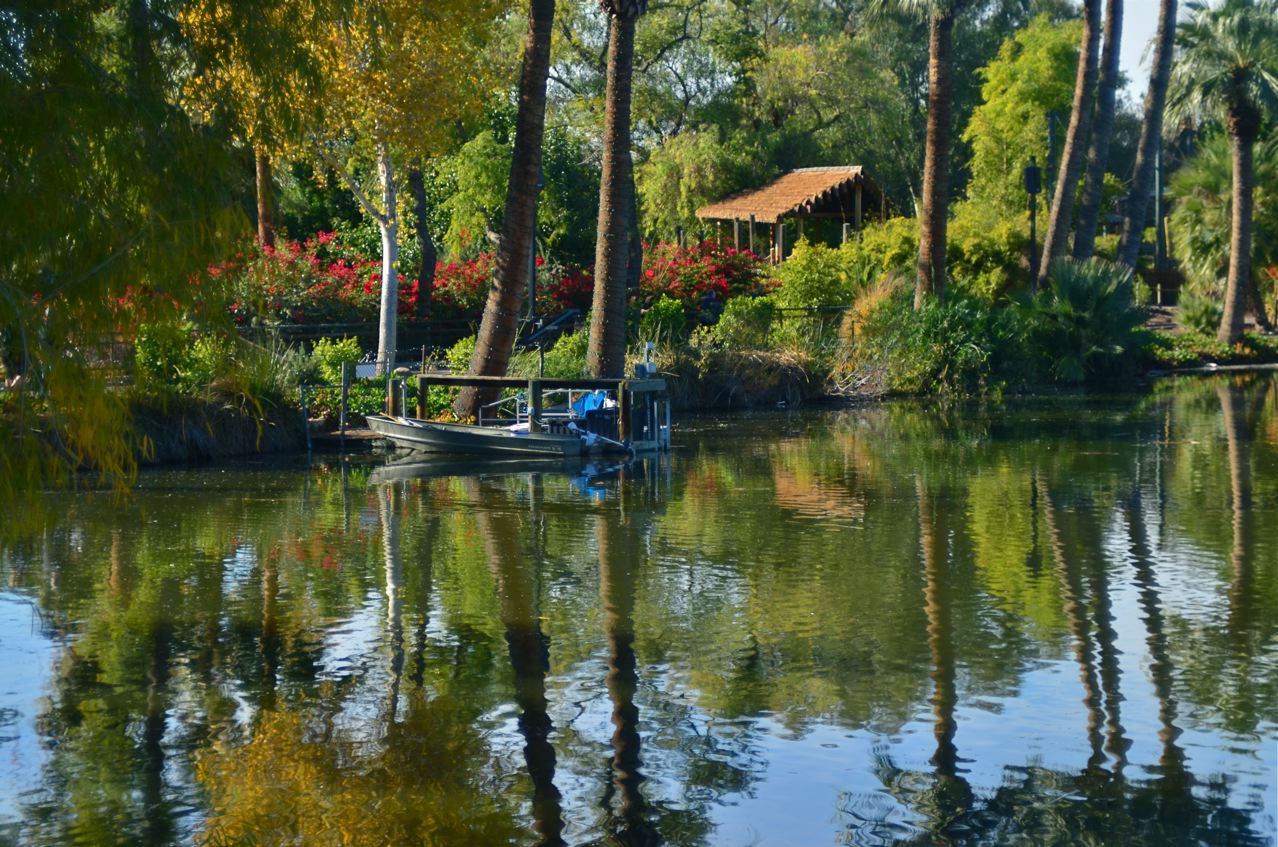
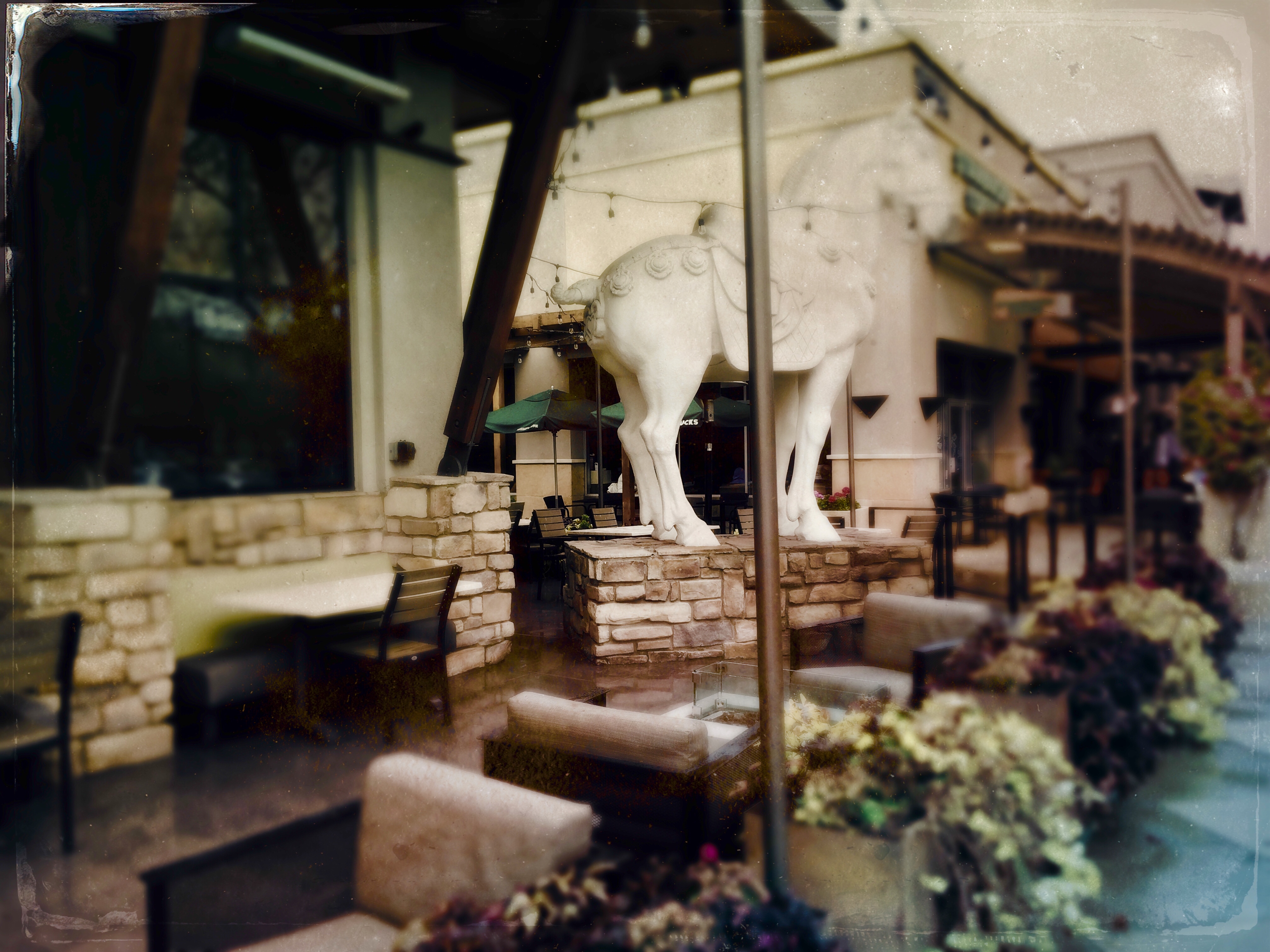
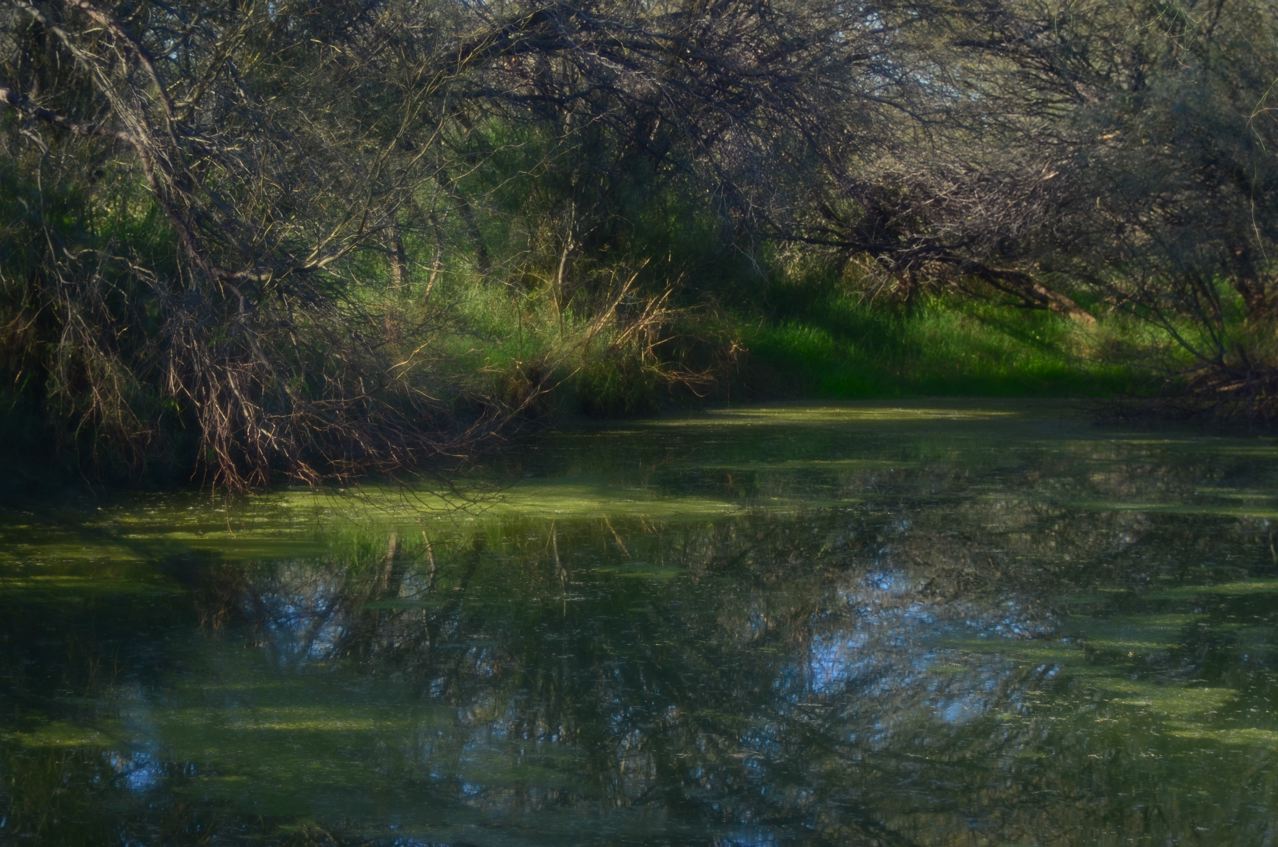
The tree you see here is one of my personal White Whales. I must drive past it at least five times a week, mostly in a quick glimpse out the window of my car. I have seen it in every season, every type of light, every mood filter within my own head. I have thrilled as it billowed to its fullest flower and mourned when groundskeepers judged it too wild and rangy, pruning it in ways that threaten, for a time, to obliterate the tree’s identity. I have parked and stepped over to pay it closer tribute with this lens or that, shooting full-on, in macro mode along trunk grain or branch lines, in fisheye, sharp detail, selective focus, monochrome and color. Each rendition gives me something; no one image delivers all.
Your particular tree (or house, or face, or river, or..) can both energize and enervate your photography. Even your failures can be seen as a prelude to inevitable success, as rehearsals toward a final, finessed performance. That feeling of being on a conveyor belt to Paradise is the essence of art, with the journey teasing us that there is, actually, a destination. If you have no White Whale of your own, I recommend heading out to sea, and scanning the horizon until you see one spout. Then grab a camera and try to tell someone about it.
Share this:
Posted by Michael Perkins | December 26, 2018 | Categories: Commentary, Composition, Conception, Experimentation | Tags: Interpretation, Technique | Leave a comment