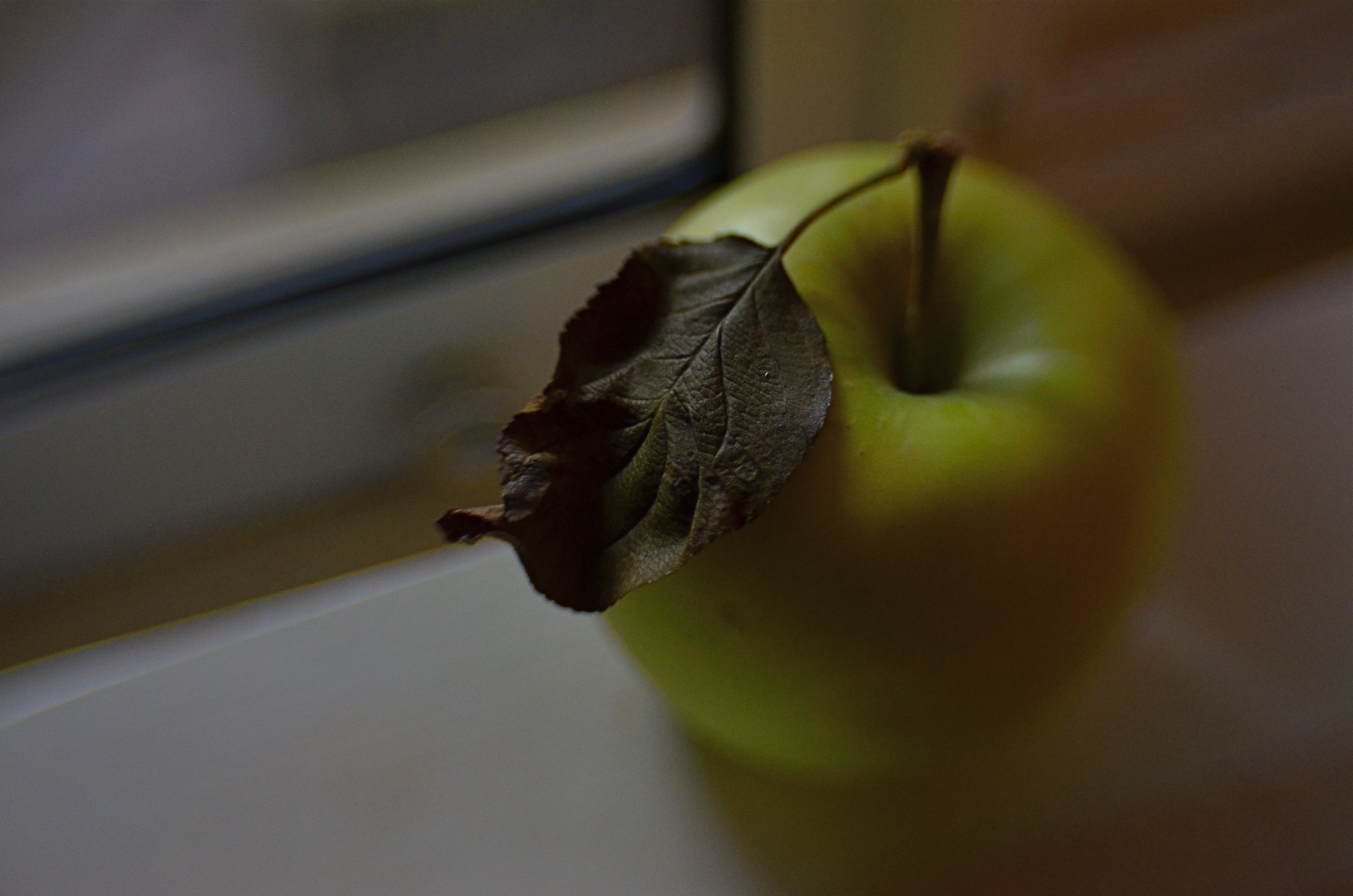
Just an apple. Or is it?
By MICHAEL PERKINS
IN ONE OF HIS EARLIEST SILENT FILMS, legendary director D.W. Griffith, one of the first cinematic pioneers to use tight shots to highlight vital narrative details, drew fire from theatre exhibitors, who objected to his new-fangled “close-up” or “iris” technique. “We have paid for the entire actor”, one wrote, apparently of the opinion that showing only a player’s hand or face, even in the interest of a good story, was somehow short-changing the audience. Griffith knew better, however. He was using his compositional frame to tell his viewers, in no uncertain terms, what was important. Outside the frame was all the other stuff that mattered less. If I show it, you should pay attention.
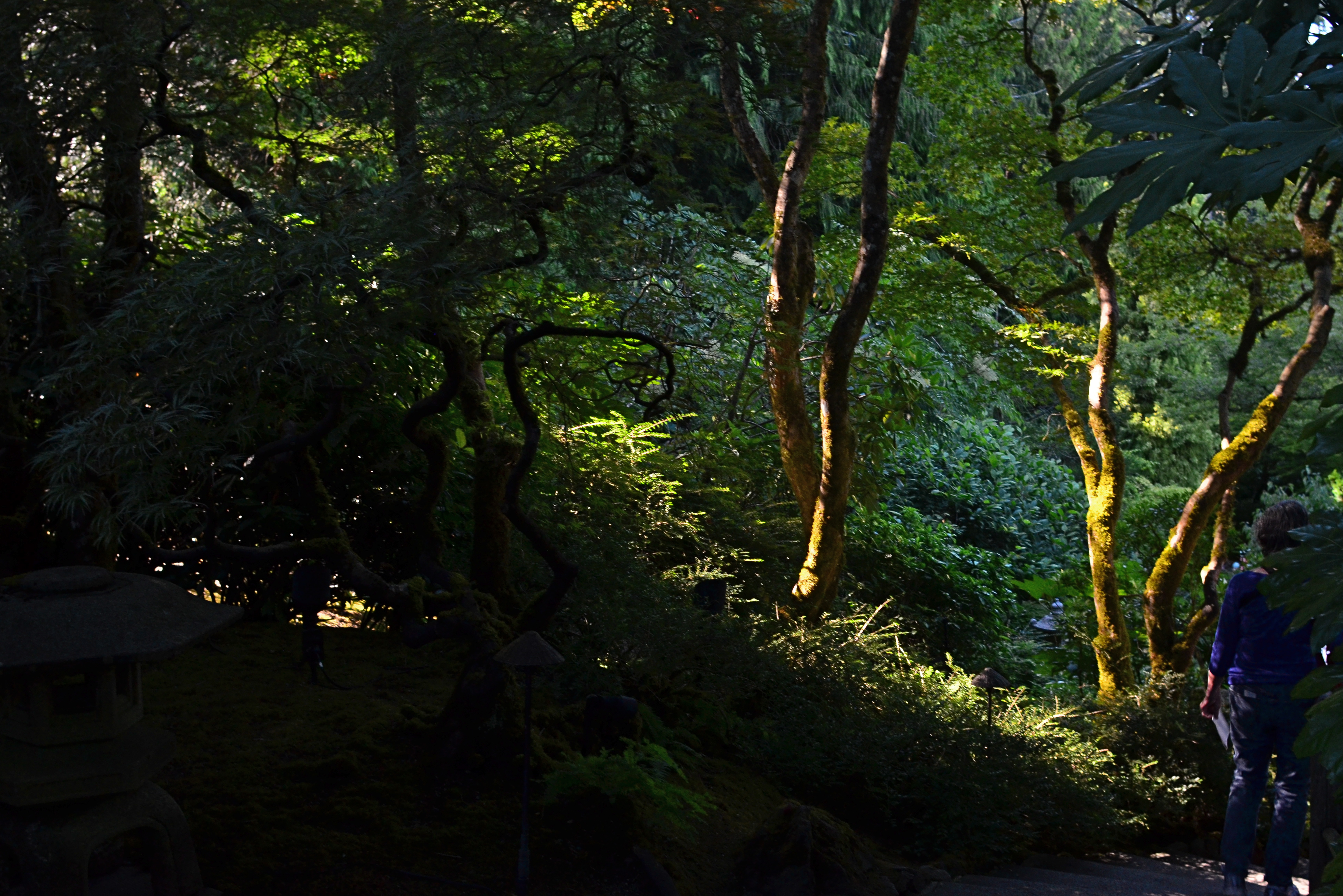
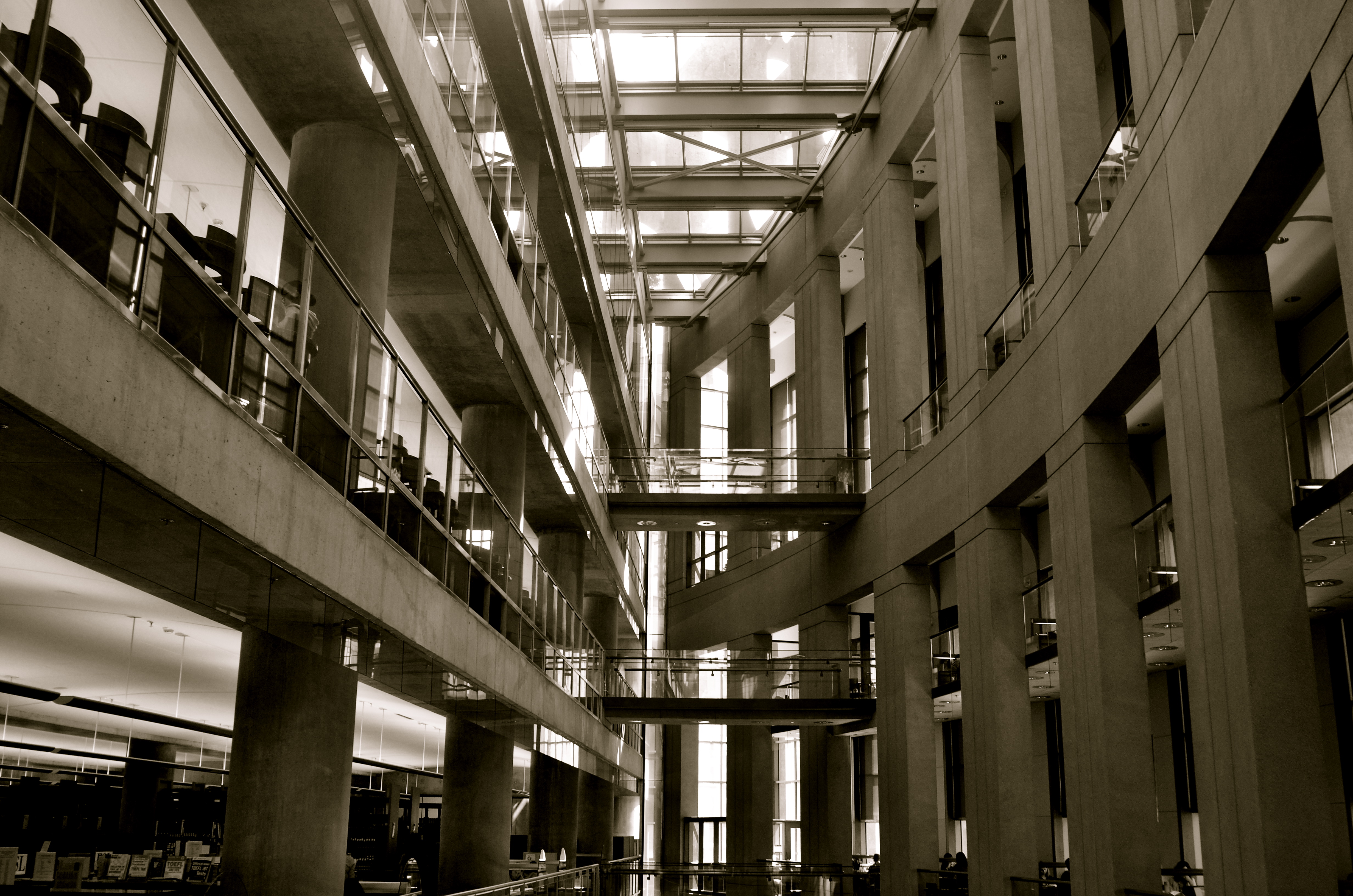
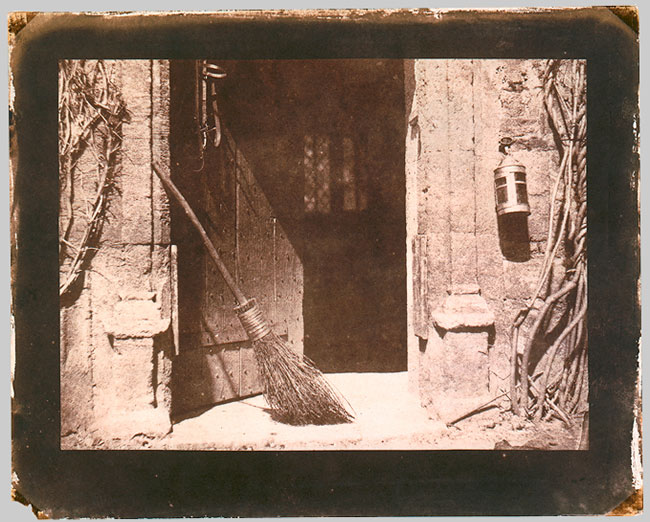
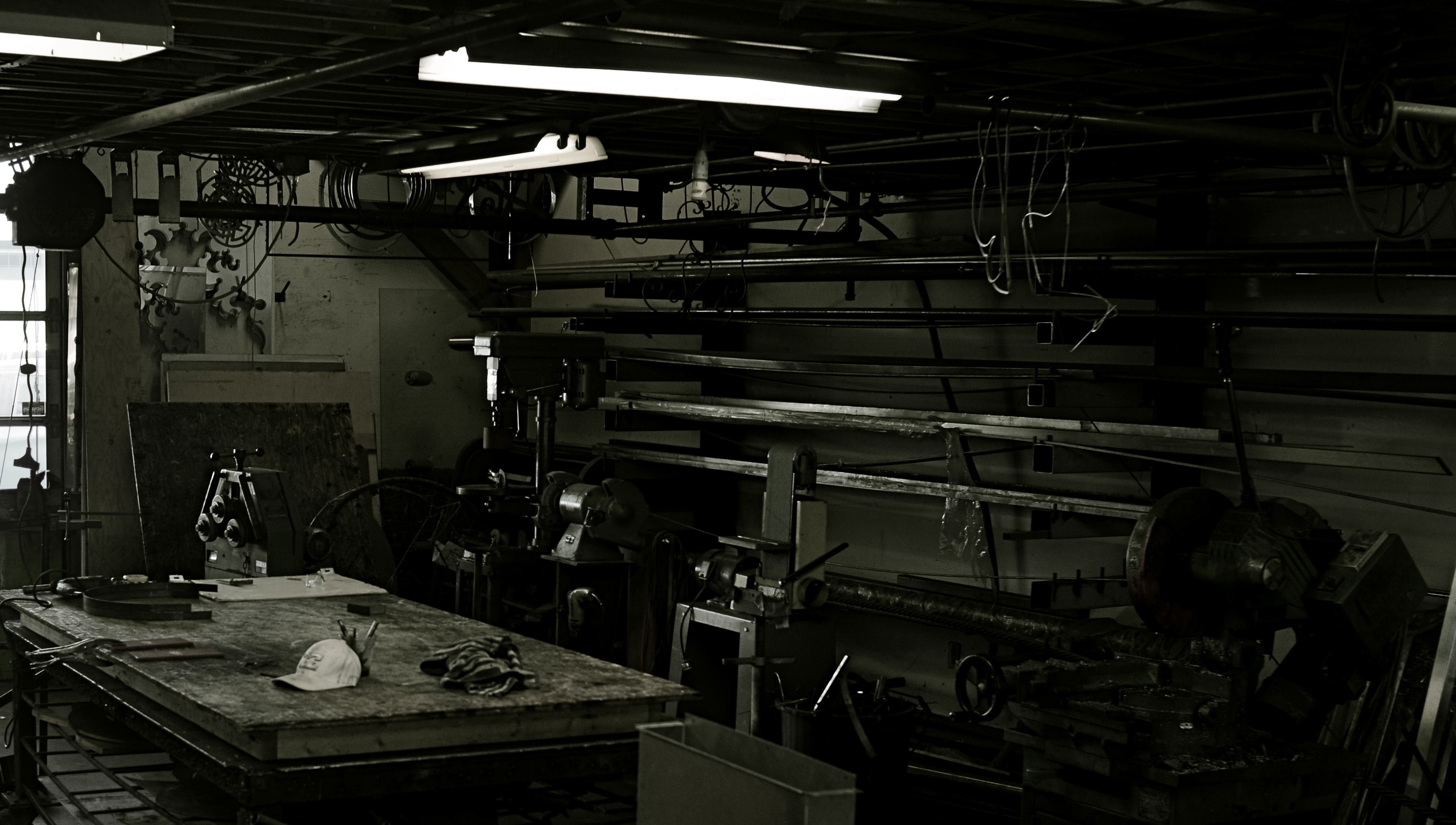
Photography is not so much about whether a subject is intrinsically important (think of the apple in a still-life) but whether an artist, armed with a camera and an idea, can make it important. At the dawn of the medium, painters pretty much dominated the choices about which images were immortalized as emblematic of the culture. The subject matter often ran to big targets; war, portraits of the elite, historical and religious events. And, indeed, the earliest photographs were “about something”, the “somethings” often being documents of the world’s wonders (pyramids, cathedrals) fads (politicians, authors) and foibles (crime, the occasional disaster). Subjects were selected for their importance as events, as leaves of history worthy of preservation.
In the 20th century the same abstract movements that engulfed painting allowed photography to cast a wider net. Suddenly that apple in the bowl was a worthy, even a vital subject. Light, composition, angle and mood began to weigh as heavily as the thing pictured. We made images not because the objects looked right, but because they looked right when made into a photograph. Pictures went from being about what “is” to being about what could be….evoking, like poetry, music or literature the magics of memory, dream, potentiality, emotion.
This is really the ultimate freedom of not only photography, but of any true art; the ability to confer special status on anything, anywhere. That doesn’t mean that all photographs are now of equal value; far from it. The burden of proof, the making of the argument for a particular subject’s preservation in an image, still rests squarely on the shooter’s shoulders. It’s just not necessary to wait for a natural disaster, a ribbon cutting, or a breathless landscape to make an amazing photograph. The eye is enough. In fact, it’s everything.








INVITATION TO THE DANCE
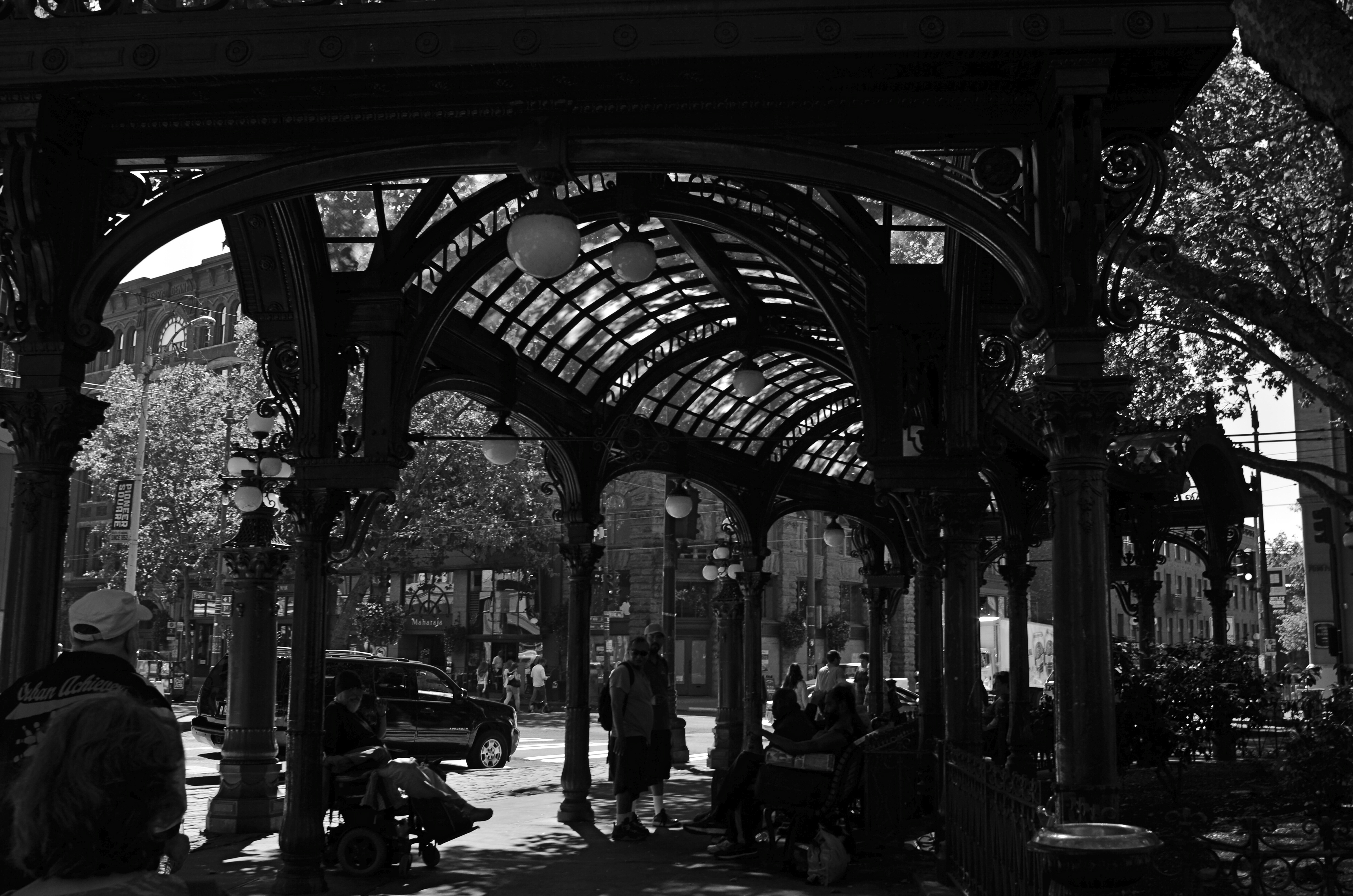
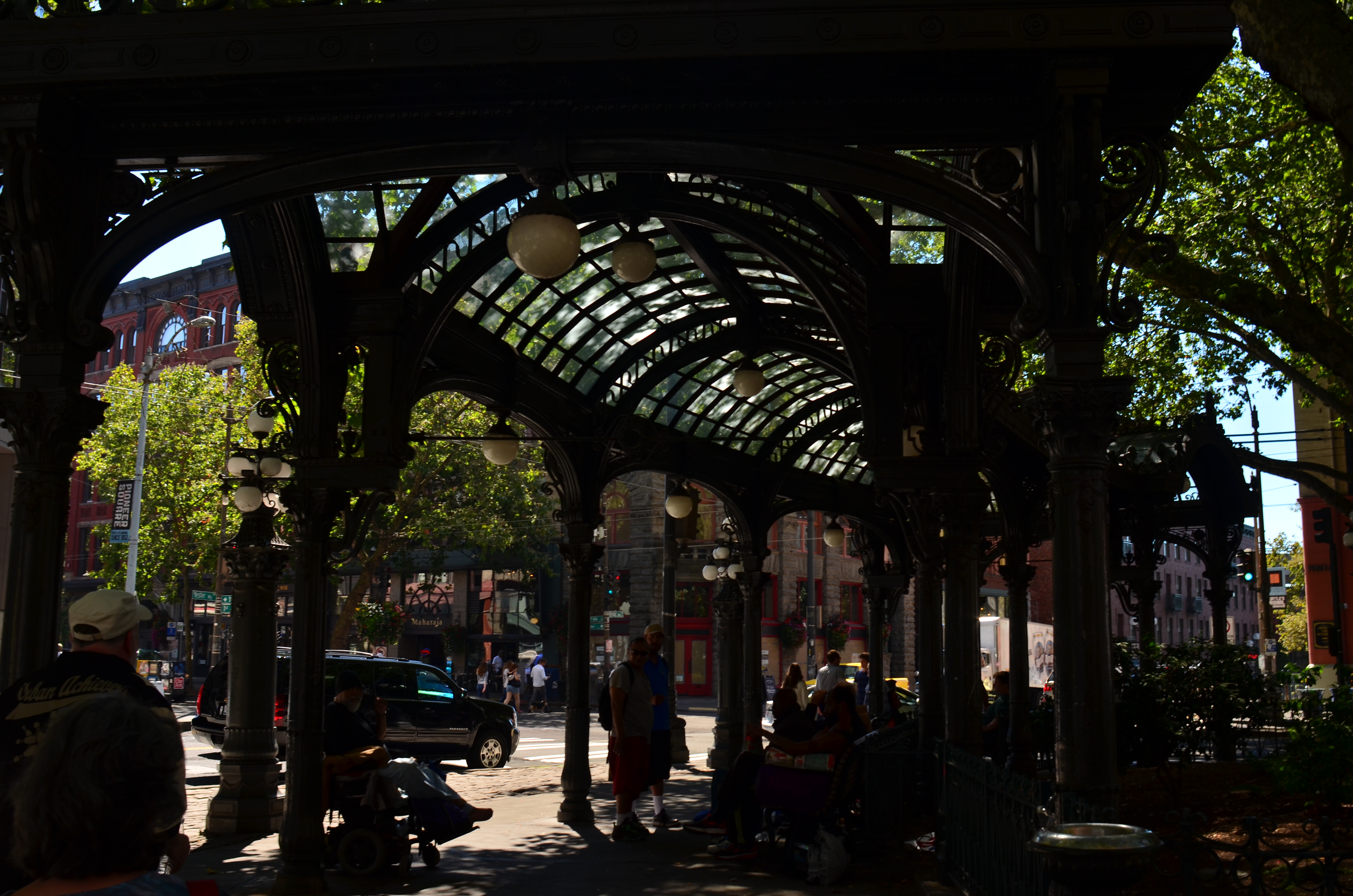
Seattle Street Stomp, Sunday Night (2016)
By MICHAEL PERKINS
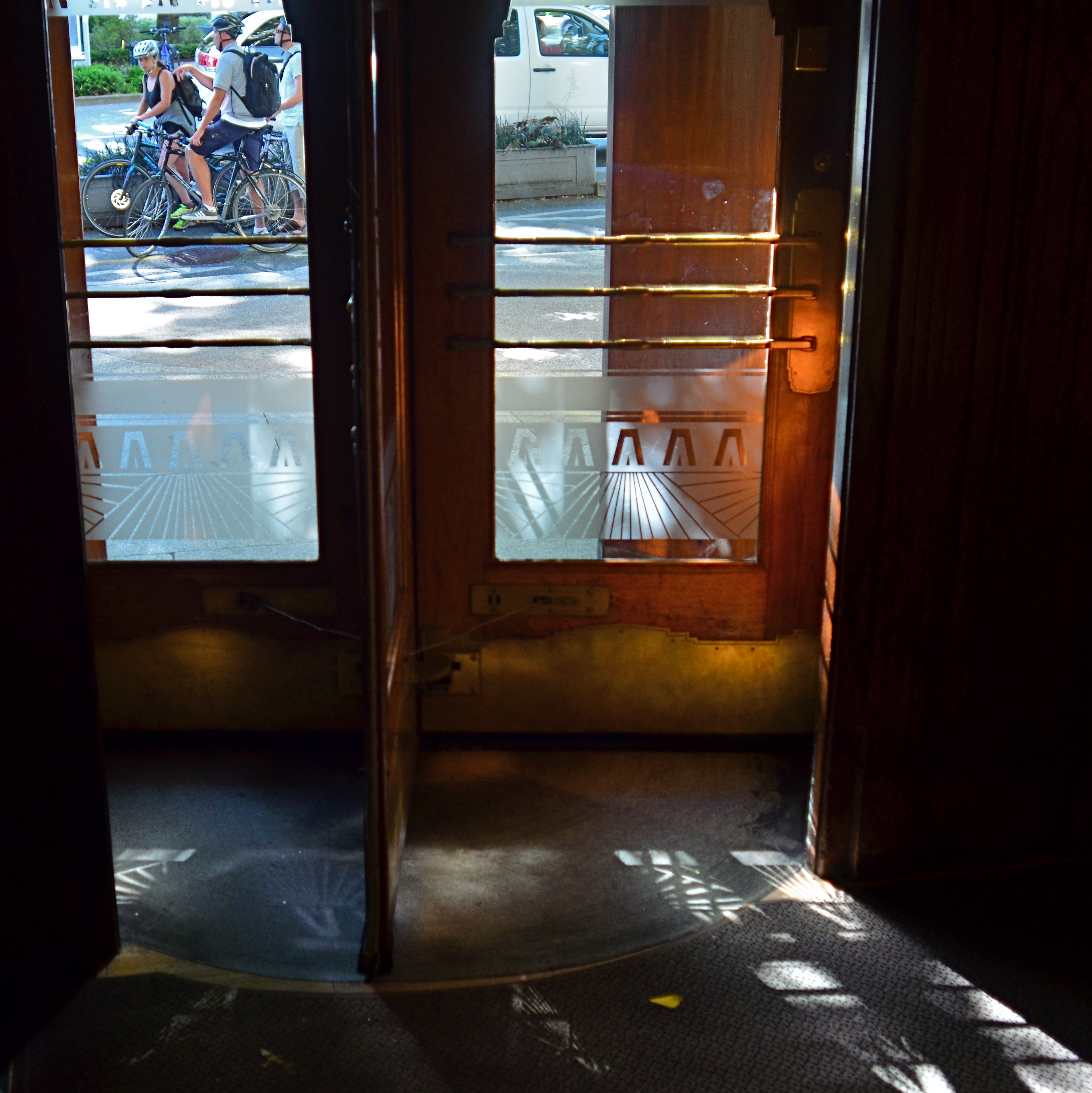
PHOTOGRAPHY REACTS TO SHIFTS IN HUMAN BEHAVIOR, in that it both reports and creates the news. Let people surge or sparkle in any particular direction, and the camera will shift with them, for good or ill. Photographers are camp-followers by nature, and instinctively sniff out the Next Big Thing, the Next Medium Thing, even the next Is This A Thing? in search of subject matter.
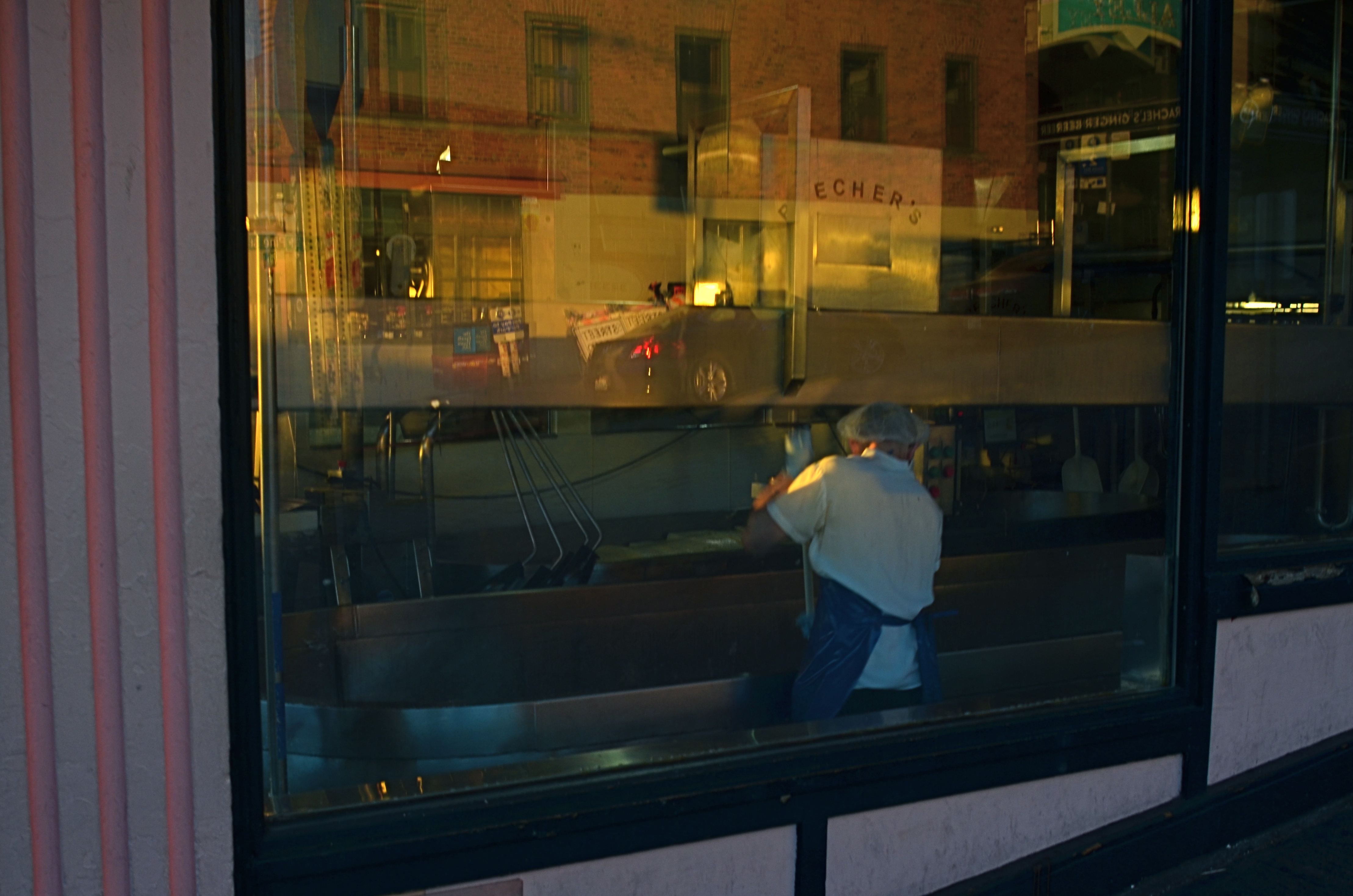
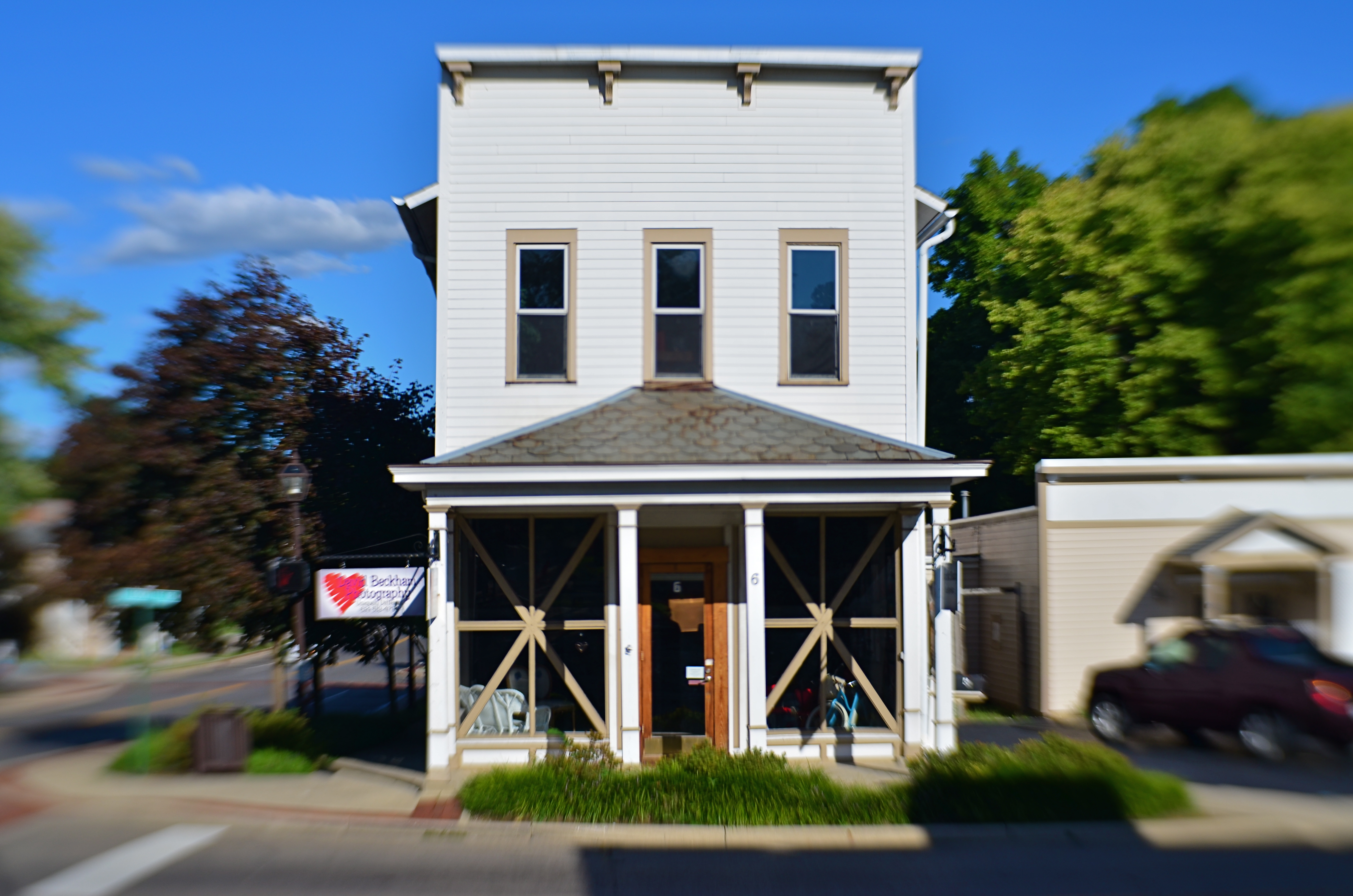
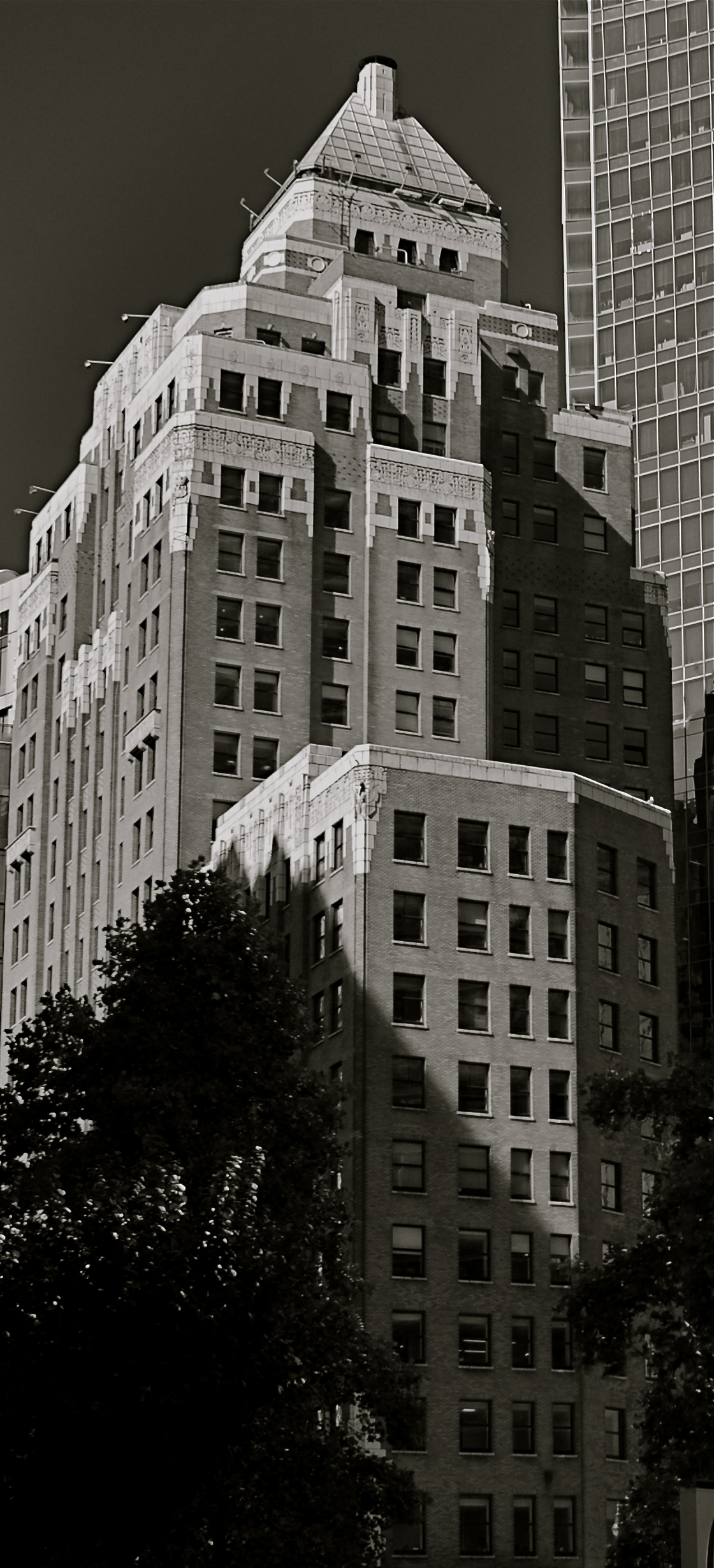
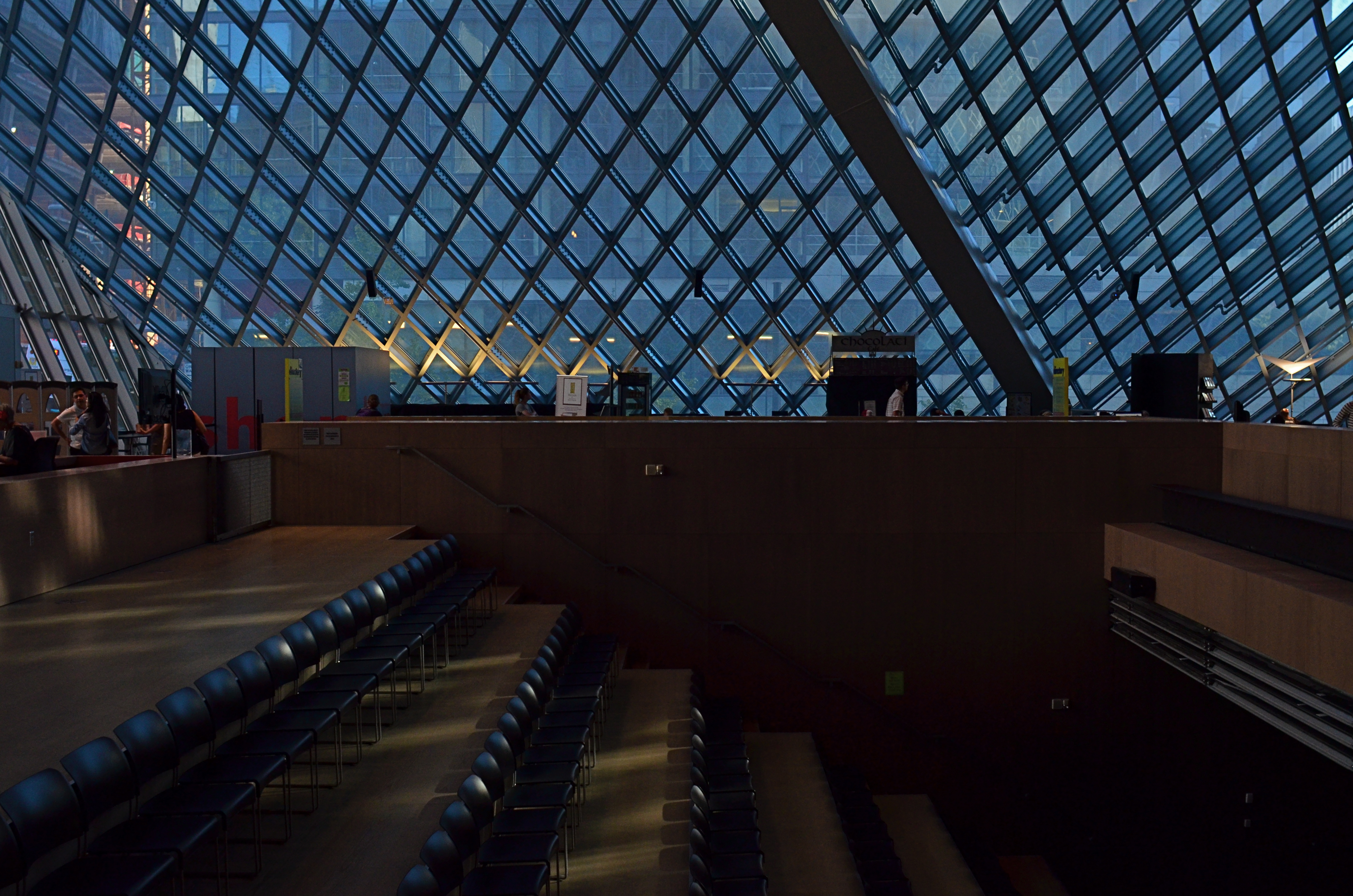
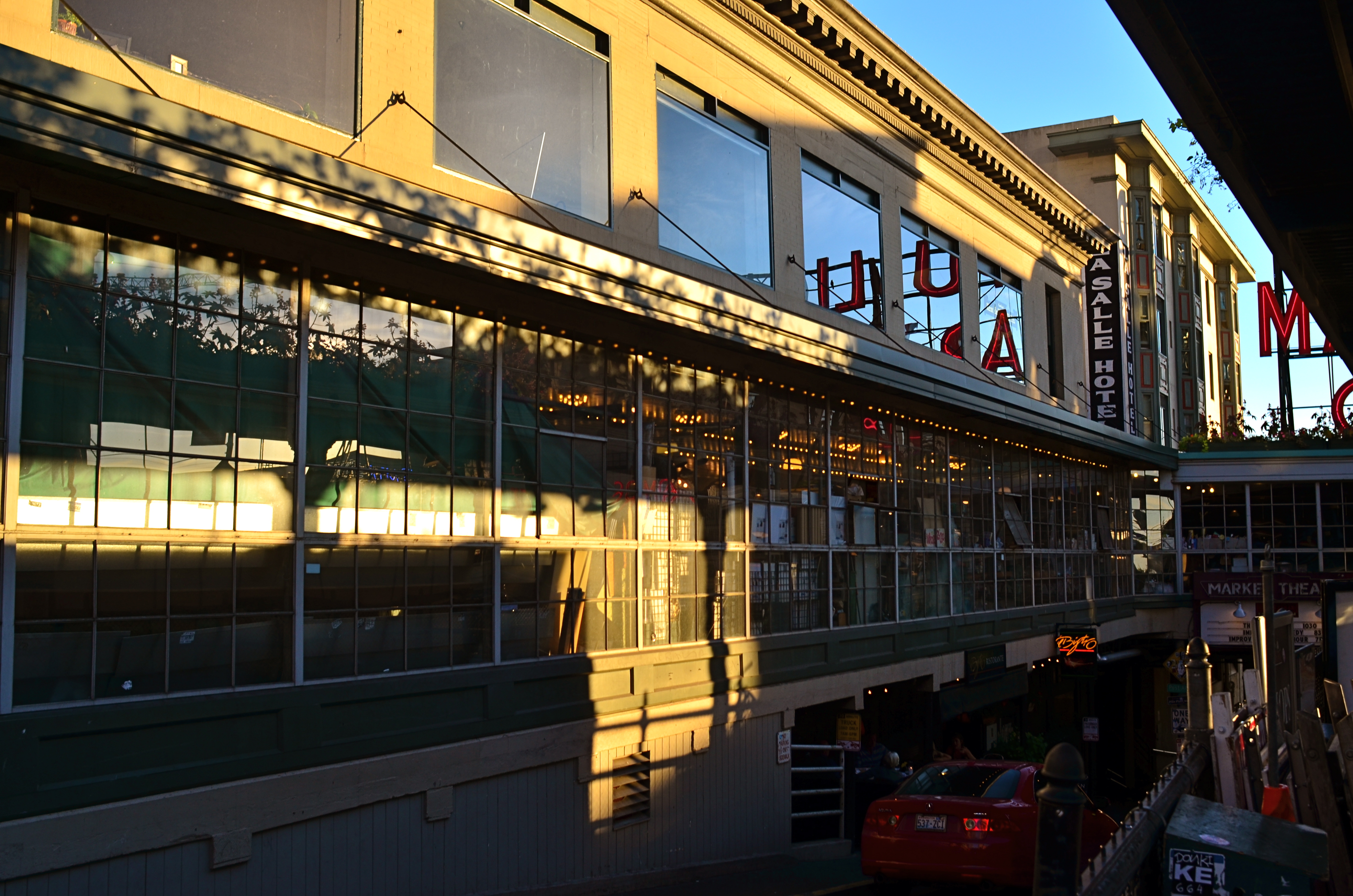
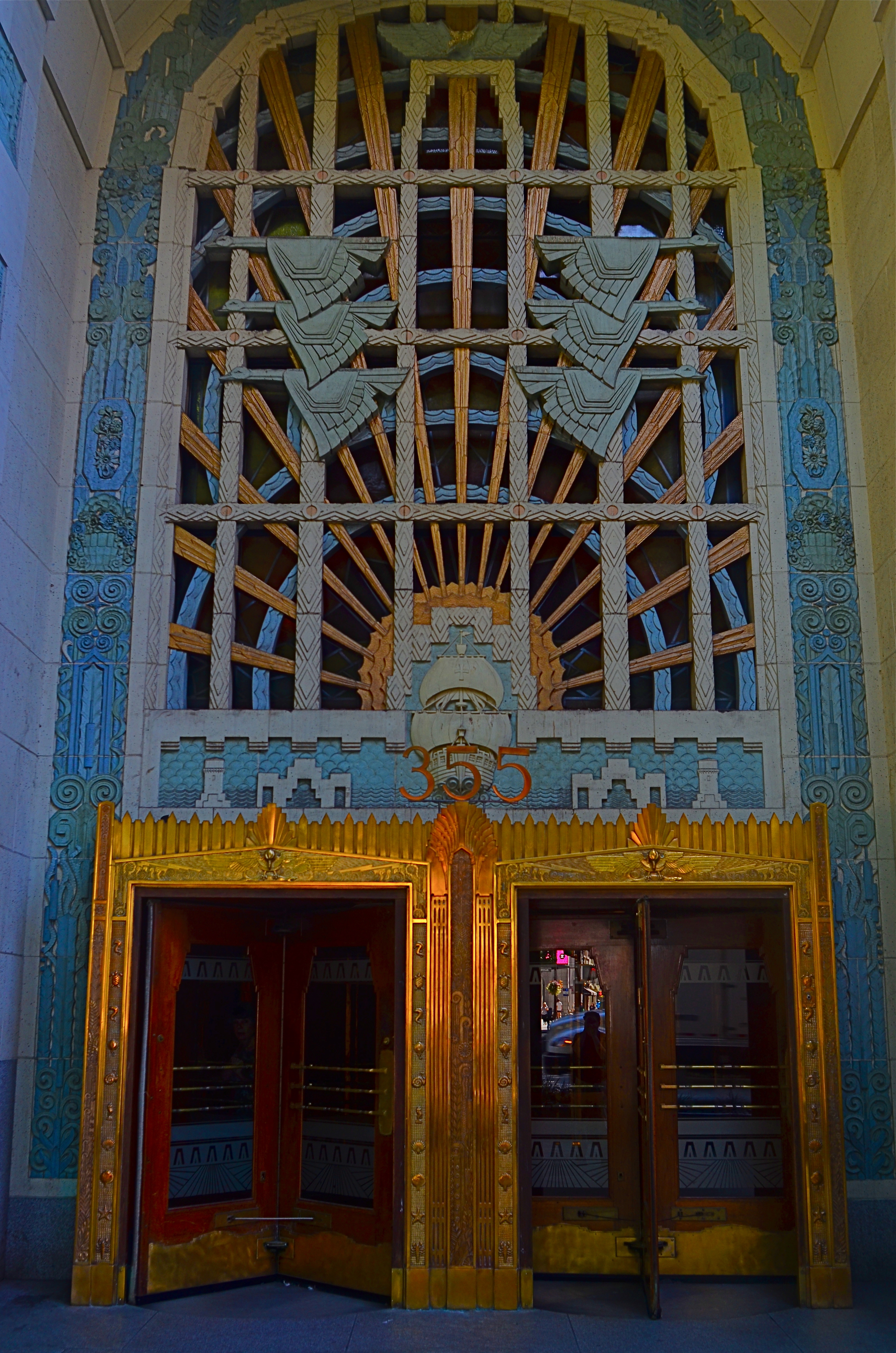
There is, at this writing, a wealth of story-telling to be done in the rebirth of American urban centers, and it’s more than just stopping by the hottest new part of town. Suddenly, it’s about the complete reversal of the systemic desertion of cities that began right after World War II, with a new generation sizing up thousands of Spielbergian burbs and finding them wanting. Moreover, urban cores are being not just renovated but embraced, not merely as this year’s megatrend but as this age’s new answer. In city after city, we are coming home, transforming our idea of “a life” to define walkable neighborhoods, an explosion in the arts, dense diversity, and locally owned businesses. It’s a great time for cities, and a great time to be a photographer.
All of human activity, from ritual to celebration, social interaction to creativity, is being re-cast in urban terms, with block after block being claimed in the name of re-use and re-purpose. It’s greener, it’s groovier, and it is rich with visuals, as the barn dance becomes the street stomp and the dead warehouse becomes the very alive coffee-house. Most importantly, children are being born into places where they can walk to real shops versus driving to unreal chains. Something is up, and it’s not merely generational, and the camera has a role in all of this.
A role and a say.
Share this:
Posted by Michael Perkins | September 25, 2016 | Categories: Americana, Cities, Commentary, Neighborhoods | Tags: City Life, Street Photography, Urban Trends | Leave a comment