BOUNTY
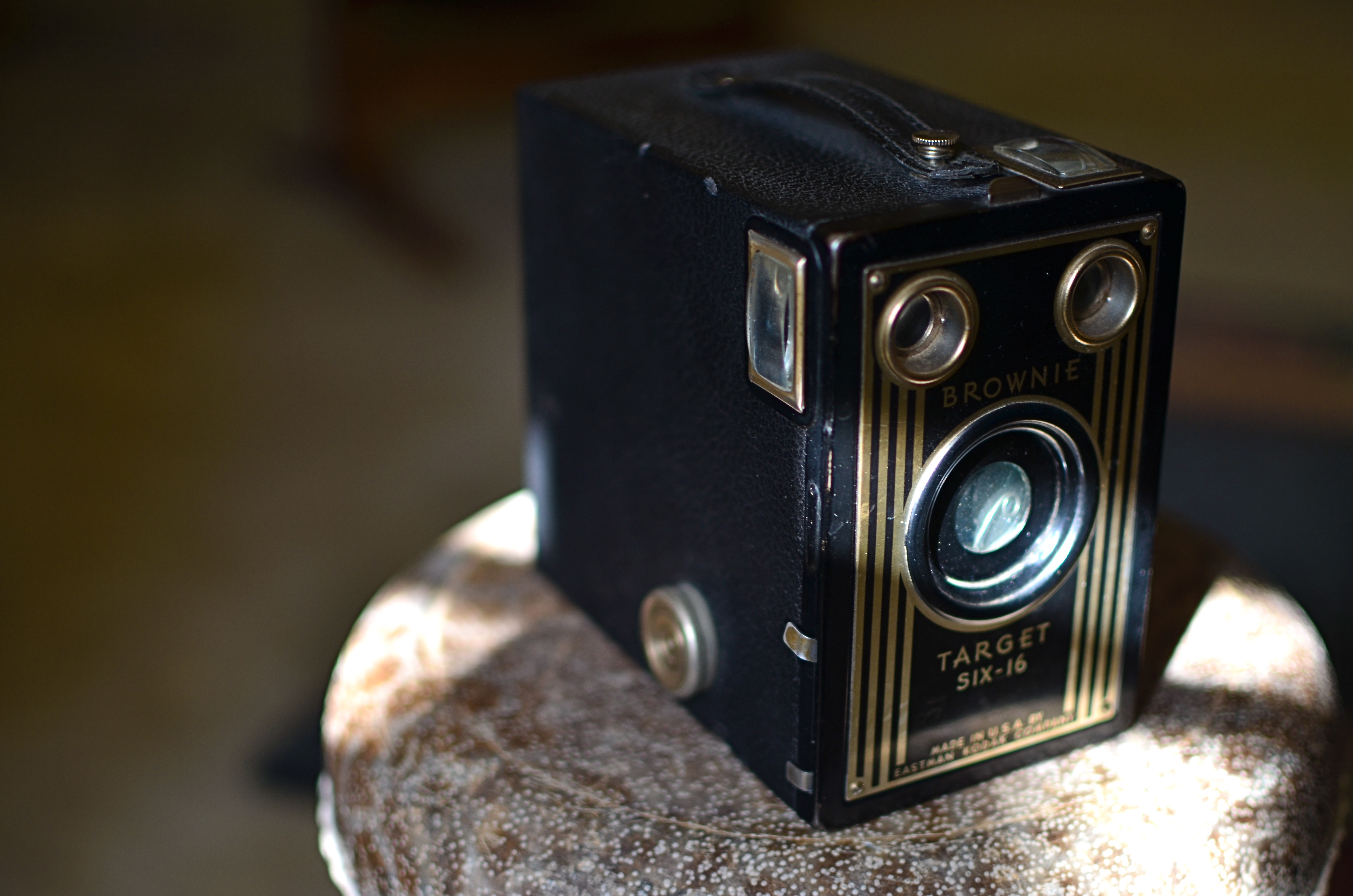
Words to grow by, from those who taught us how to capture lightning in a box.
By MICHAEL PERKINS
ALONG WITH DARK MEAT, CRANBERRY SAUCE, AND THE PERFECT YAM, I find unending Thanksgiving nourishment from the words of every photographer who has gone before me. And if this week marks our annual listing of gifts and gratitude, I would offer, as no less important than family and friends, the collected Wisdom Of Shooters Past as a hearty, ten-course meal for amateurs and professionals alike to feast on. It’s nice to remember that we are all trying to learn to see, and see well, and is an encouraging reminder that, behind all great lenses, there are great minds. The thought precedes the image, and, indeed, without that spark, we are all just mechanics.
Therefore, without further ado, ten noble sentiments on the fine art of harnessing light, for this day of thanks:
It is more important to click with people than to click the shutter.—-Alfred Eisenstaedt
Photographing a culture in the here and now often means photographing the intersection of the present with the past.–David Duchemin
A photograph is a secret about a secret. The more it tells you the less you know.—-Diane Arbus
One should really use the camera as though tomorrow you’d be stricken blind.–Dorothea Lange
A portrait is not made in the camera but on either side of it.–Edward Steichen
To me, photography is an art of observation. It’s about finding something interesting in an ordinary place… I’ve found it has little to do with the things you see and everything to do with the way you see them.—Elliot Erwitt
Your first 10,000 photographs are your worst.–Henri Cartier-Bresson
The eye should learn to listen before it looks.—Robert Frank
If the photographer is interested in the people in front of his lens, and if he is compassionate, that’s already a lot. The instrument is not the camera but the photographer.—Eve Arnold
Don’t pack up your camera until you’ve left the location.–Joe McNally
Happy Thanksgiving.
Stay hungry.
Always be seeing.
Always be shooting.
FADE TO (ALMOST) BLACK
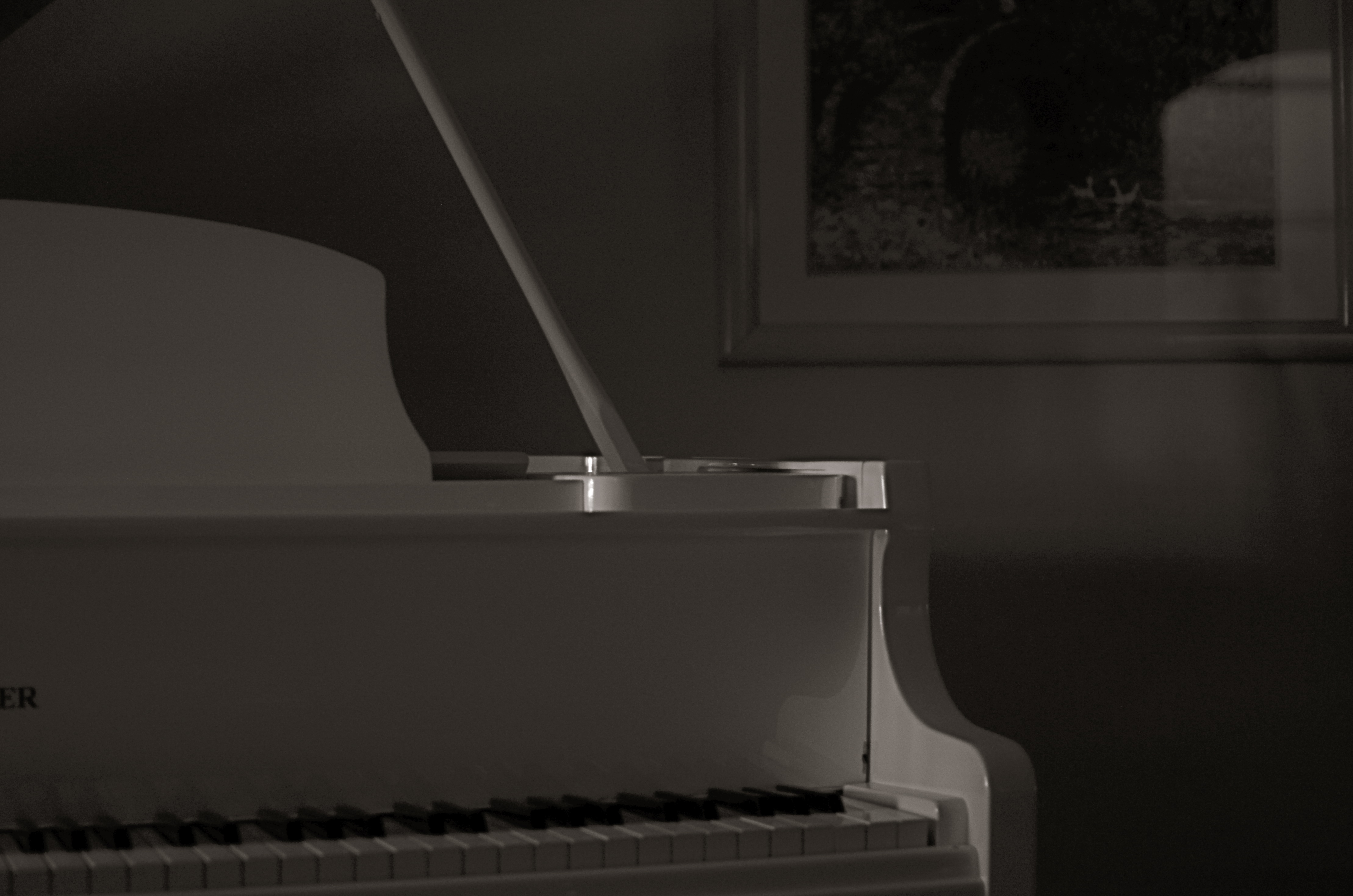
Sometimes a change in the technical approach to a shot is the only way to freshen an old subject. 1/40 sec., f/1.8, ISO 250, 35mm.
By MICHAEL PERKINS
I KNOW MANY PHOTOGRAPHERS WHO SUBJECT THEMSELVES TO THE DELICIOUS TORTURE, known to authors everywhere,as “publish or perish”, or, in visual terms, the tyranny of shooting something every single day of their lives. There are lots of theories afloat as to whether this artificially imposed discipline speeds one’s development, or somehow pumps their imagination into the bulky heft of an overworked bicep. You must decide, o seekers of truth, what merit any of this has. I myself have tried to maintain this kind of terrifying homework assignment, and during some periods I actually manage it, for a while at least. But there are roadblocks, and one of the chief barriers to doing shot-a-day photography is subject matter, or rather the lack of it.
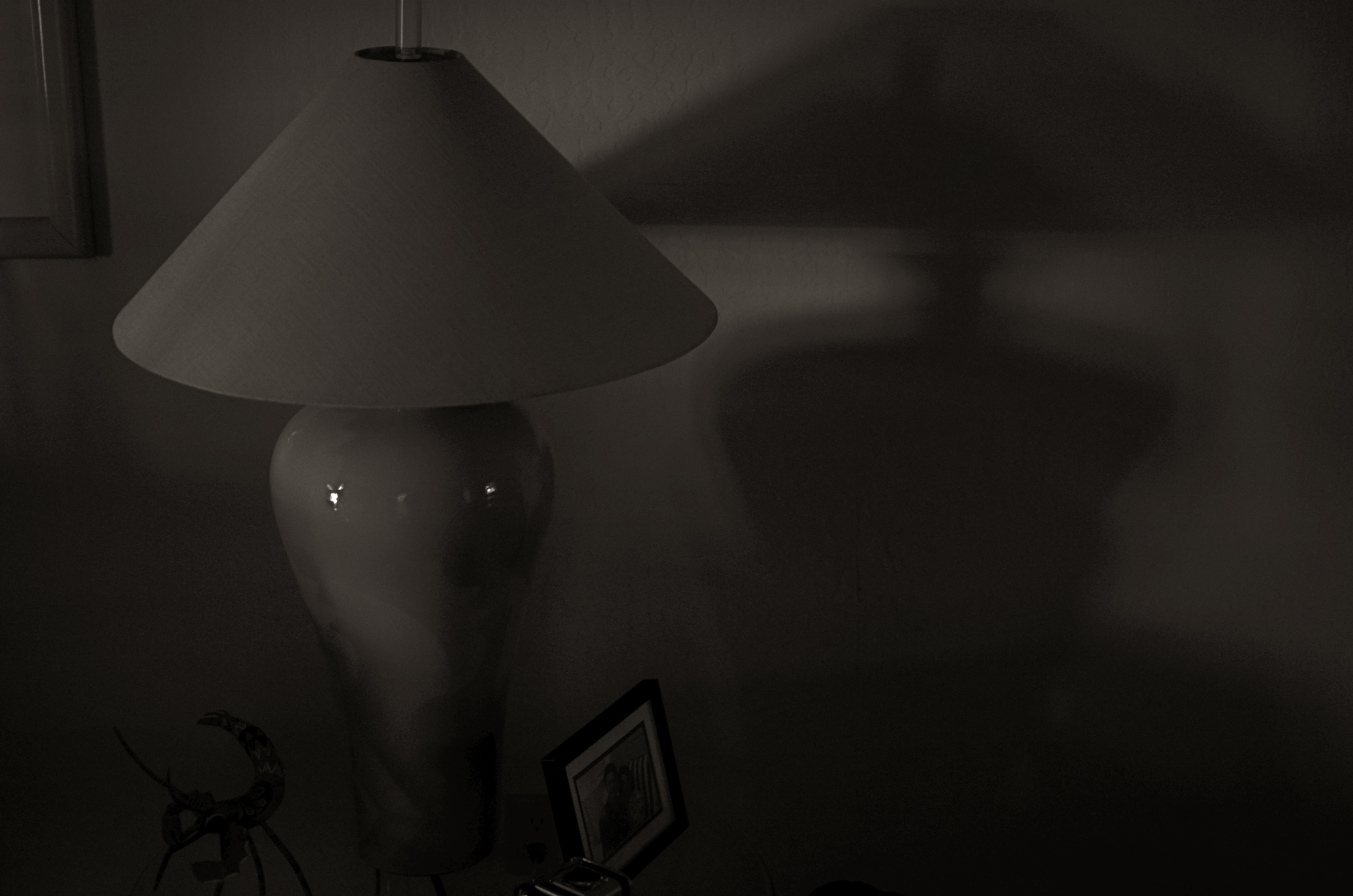
I’ve shot in this space for years, and therein lies the challenge. 1/40 sec., f/2.2, ISO 250, 35mm.
Let’s face it: even if you live one canyon away from the most breathtaking view on earth or walk the streets of the mightiest metropolis, you will occasionally look upon your immediate environs as a bad rerun of Gilligan’s Island, something you just can’t bear to look at without having a wastebasket handy. Familiarity breeds contempt for some subjects that you’ve visited and re-visited, and so, for me, the only way to re-mix old material is to re-imagine my technical approach to it. This is still a poor substitute for a truly fresh challenge, but it can teach you a lot about interpretation, which has transformed more than a few mundane subjects for me over a lifetime of shuttering (and shuddering).
As an example, a corner of my living room has been one of the most trampled-over crime scenes of my photographic life. The louvered shades which flank my piano can create, over the course of a day, almost any kind of light, allowing me to use the space for quick table-top macros, abstract arrangements of shadows, or still lifes of furnishings. And yet, on rainy /boring days, I still turn to this corner of the house to try something new with the admittedly over-worked material. Lately I have under-exposed compositions in black and white, coming as near a total blackout as I can to try to reduce any objects to fundamental arrangements of light and shadow. In fact, damn near the entire frame is shadow, something which works better in monochrome. Color simply prettifies things too much, inviting the wrong kind of distracted eye wandering in areas of the shot that I don’t think of as essential.
I crank the aperture wide open (or nearly) to keep a narrow depth of field, which renders most of the image pretty soft. I pinch down the window light until there is almost no illumination on anything, and allow the ISO to float around at least 250. I get a filmic, grainy, gauzy look which is really just shapes and light. It’s very minimalistic, but it allows me to milk something fresh out of objects that I’ve really over-photographed. If you believe that context is everything, then taking a new technical approach to an old subject can, in fact, create new context. Fading almost to black is one thing to try when you’re stuck in the house on a rainy day.
Especially if there’s nothing on TV except Gilligan.
YOU ARE PHOTOSHOP
By MICHAEL PERKINS
EVER SINCE THE ARRIVAL OF THE DIGITAL DARKROOM and its attendant legion of post-production fixes, the world of photography has been pretty evenly divided into “befores” and “afters”, those who prefer to do most of their picture making in-camera and those who prefer to “fix” things after the shutter clicks. Most amateur photography, in the film era, was heavily weighted in favor of the “befores”, since a lot of traditional touch-up technology was economically beyond the reach of many. In the Photoshop era, however, the economic barrier to post-production was shattered, resulting in a more even balance between the two philosophies.
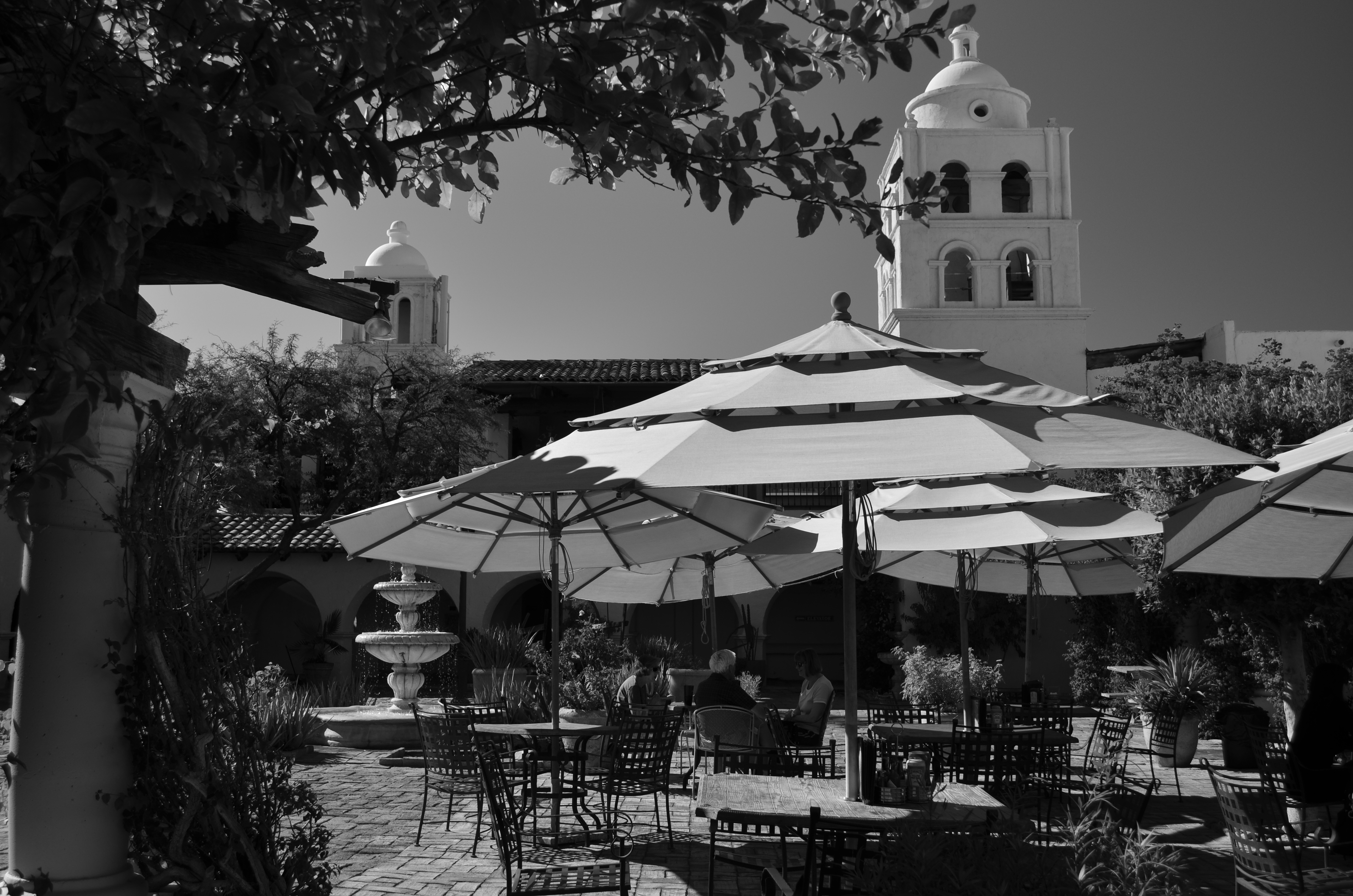
Shoot your black and white images as black and white images, not color shots drained of hue after the fact.
I really see this quarrel as very sharply defined when it comes to black and white photography, with many shooters making most, if not all of their monochromes from shots that were originally color, then desaturated or otherwise manipulated as an afterthought. I prefer to shoot b&ws in-camera, however, for the very simple reason that it gets you thinking in black and white terms, from lighting to composition. It also allows you to benefit from digital’s immediate feedback/playback strengths to shape your shot in the moment. If you’ve worked in mono for a while, and especially if you’ve ever shot on b&w film stock, you are used to seeing the 50 shades of gray that subtly shape the power of an image. More importantly, you realize that black and white is much more than color with the hues sucked out. It’s not a novelty or a gimmick, but a distinct way of seeing.
When you conceive a shot in color, you are shooting according to what serves color well. That means that not all color shots will translate well into grayscale. Fans of the old Superman tv show will recall that, during the series’ early b&w days, George Reeves’ uniform had to be made in various shades of brown so it would “read” correctly in monochrome to viewers who “knew” the suit was red and blue. Cameramen had to plan what would happen when one set of values was used to suggest another. Tones that give a certain punch to an image may look absolutely dead flat if you simply desaturate for mock-mono from a color shot. And, anyway, there are plenty of ways to pre-program many cameras to adjust the contrast and intensity of a b&w master image, as well as the use of filters (polarizers for instance) that do 90% of the tasks you’d typically try to achieve in Photoshop anyway.
The mid-point compromise would seem to be to take both color and black and white shots of your subjects in-camera, allowing you the option of custom processing at least one image afterward. However, knowing what tonal impact you want before you click the shutter is just easier, and usually more productive. Do your shooting with purpose, on purpose. Making a b&w “version” of a color shot after the fact will likely bake up as half a loaf.
MILE MARKER
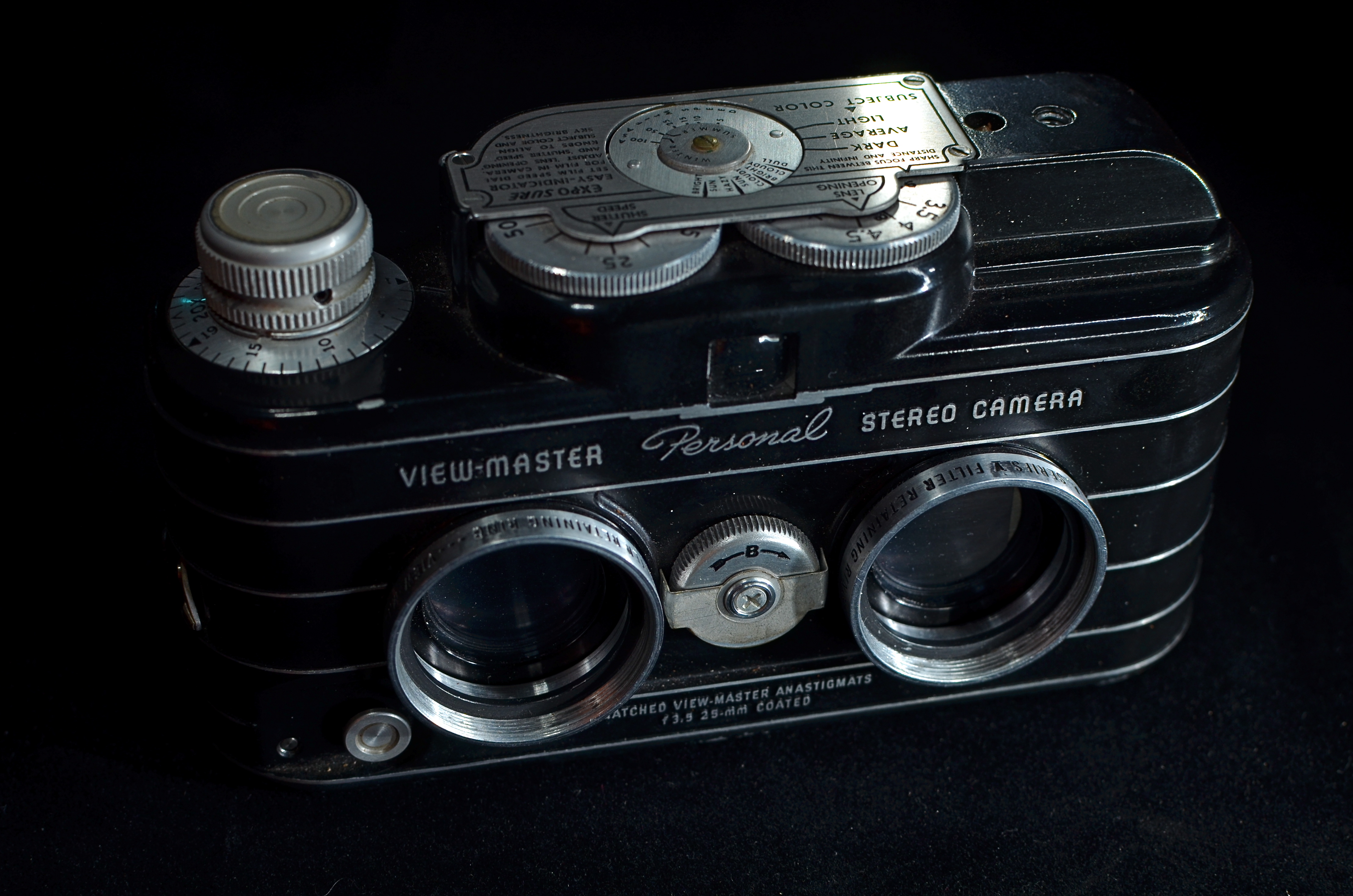
Sawyer’s mid-50’s View-Master Personal Stereo, the only consumer camera able to produce those eye-popping 3-d reels. 15 sec., f/5.6, ISO 100, 35mm.
BY MICHAEL PERKINS
THIS WEEK, THE NORMAL EYE REACHES A LITTLE BASE CAMP OF SORTS, with the welcome arrival of our 1,000th blog follower. A few thoughts before we climb to the next ledge:
I never wanted this forum to be a mere photo diary, a refrigerator on which to tack up my pet pic of the day, because, despite the fact that my photography illustrates the blog, it’s not really about,”look what I did”, so much as it’s about “look at one thing you can try”. It also was never supposed to be a purely technical tutorial, although we do offer a few simple step-by-steps on emerging methods. My thought, then as now, is that there are many, many master technicians in the trade whose command of the pure science is so much stronger than mine, that I’d be better off talking about the part we all understand….the millions of little miracle moments and motivations that shape our visual decisions in the making of images.
Accordingly, your most typical responses to The Normal Eye have been along the lines of “I’ve been there”, or “I came to the same conclusion” or “I never thought of it that way before.” That has sparked dialogue, which was my principal aim in creating TNE in the first place. I use my images to illustrate my ideas because they’re the closest visual equivalent of what’s rattling around in my skull, but not because they’re the ne plus ultra of anything.
From my years as an illustrator, I also love the idea of designing a page, and I try to vary the visual arrangement of the blog to incorporate useful links, historical figures, and, as we go forward, gifs and other tools. I liken it to the front of a newspaper, which, other than the masthead and the familiar type faces, has to be completely new every day. It’s more interesting to make, and, I hope, more fun to read, but it’s still in its infancy.
The most amazing part of this venture has been seeing the numbers change, to realize, day by day, that many of you have chosen, on-purpose, to bring these conversations into your day on a regular basis. I truly appreciate that choice, and am gratified if any of these chicken scratchings have a positive impact, for anyone. Sometimes, online writing is like throwing a pebble down a dark well and listening for at least a splash. Sometimes it’s like waking up to a roomful of birthday presents. So, to everyone who has kept faith or at least sampled The Normal Eye thus far, my sincere thanks. As I’ve stressed before, although solo sermons are often inspiring, this forum only works as a conversation.
Your turn.
PENCIL VS. INK
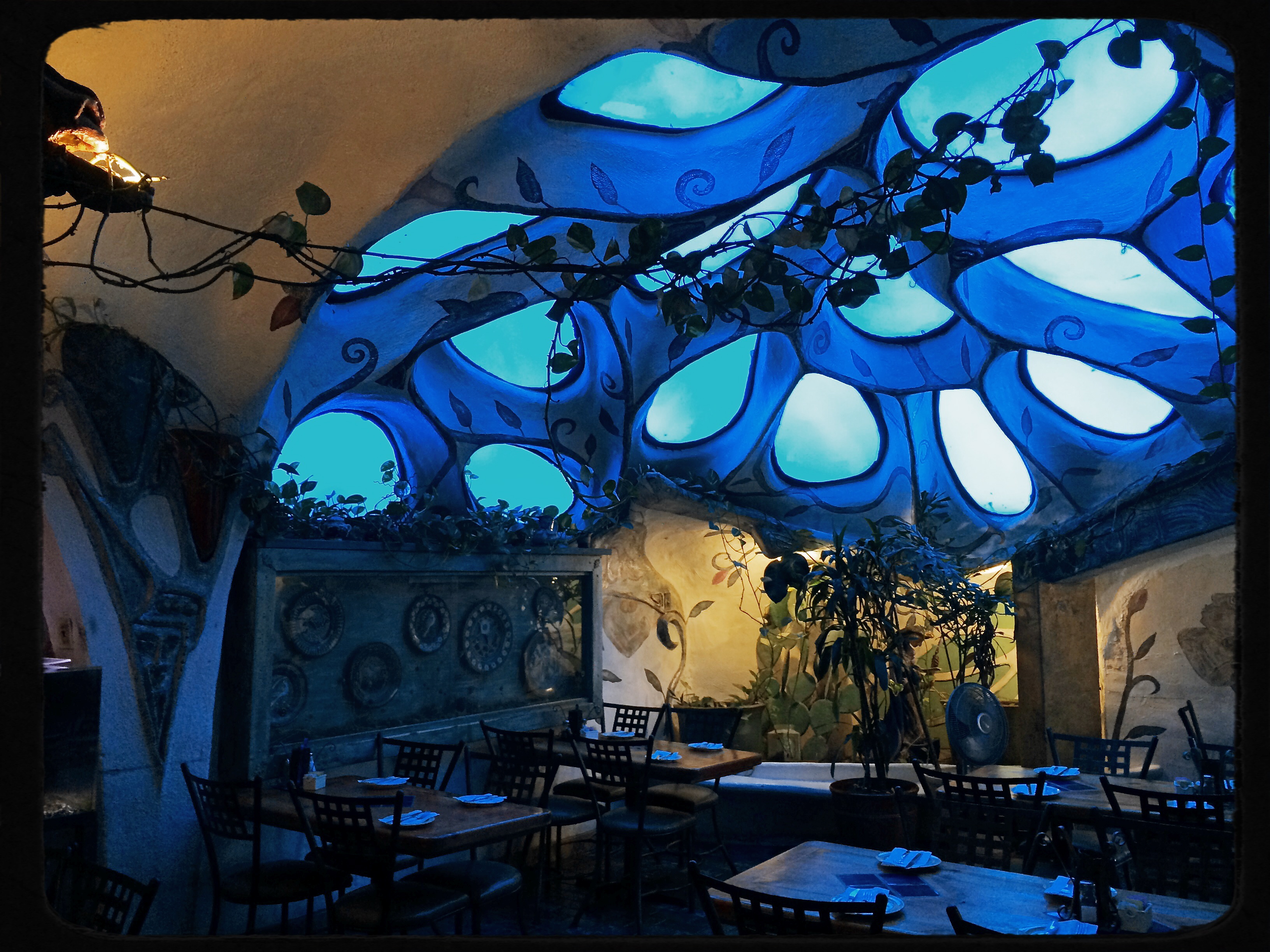
This iPhone capture is more of a preliminary sketch than a final rendering, since the camera adds too much noise in low light. I’ll return with a Nikon to get this “right”.
By MICHAEL PERKINS
RAISED AS THE SON OF AN ILLUSTRATOR WHO WAS ALSO A PHOTOGRAPHER, I have always been more comfortable with the idea of the photographic image as a work-in-progress rather than as a finished thing. That is, I bring a graphic artist’s approach to any project I do, which is to visualize an idea several different ways before committing myself to the final rendering. Call if sketching, roughing, rehearsing…..whatever…but, both on the page/canvas and the photograph, I see things taking shape over the space of many trial “drafts”. And, just as you don’t just step up and draw a definitive picture, you usually can’t just step up and snap a fully realized photo. I was taught to value process over product, or, if you will, journey over destination.
This belief was embodied in my dad’s advice to lay down as many pencil lines as possible before laying in the ink line. Ink meant commitment. We’re done developing. We’re finished experimenting. Ready to push the button and, for better or worse, live with this thing. Therefore the idea of a sketch pad, or preliminary studies of a subject, eventually led to a refined, official edition. This seems consistent with people like Ansel Adams, who re-imagined some of his negatives more than half a dozen times over decades, each print bearing its own special traits, even though his source material was always the same. Similarly, “studies” in music served as miniature versions of themes later realized in full in symphonies or concertos.
The photo equivalent of a sketch pad, for me in 2014, is the phone camera. It’s easy to carry everywhere, fairly clandestine, and able to generate at least usable images under most conditions. This allows me to quickly knock off a few tries on something that, in some cases, I will later shoot “for real” (or “for good”) with a DSLR, allowing me to use both tools to their respective strengths. The spy-eye-I-can-go-anywhere aspect of iPhones is undeniably convenient, but often as not I have to reject the images I get because, at this point in time, it’s just not possible to exert enough creative control over these cameras to give full voice to everything in my mind. If the phone camera is my sketch pad, my full-function camera is my ink and brush. One conceives, while the other refines and commits.
You write things like this knowing full well that technology will make a monkey out of you at its next possible opportunity, and I actually look forward to the day when I am free of the bulk and baggage of what are, at least now, better cameras overall. But we’re not there yet, and may not be for a while. I still make the distinction between a convenient camera and a “real” camera, and I freely admit that bias. A Porsche is still better than a bicycle, and the first time you’re booked as a pianist into Carnegie Hall, your manager doesn’t insist that they provide you with a state-of-the-art….Casio. It’s a Steinway or the highway.
THE GEOMETRY OF VIEW
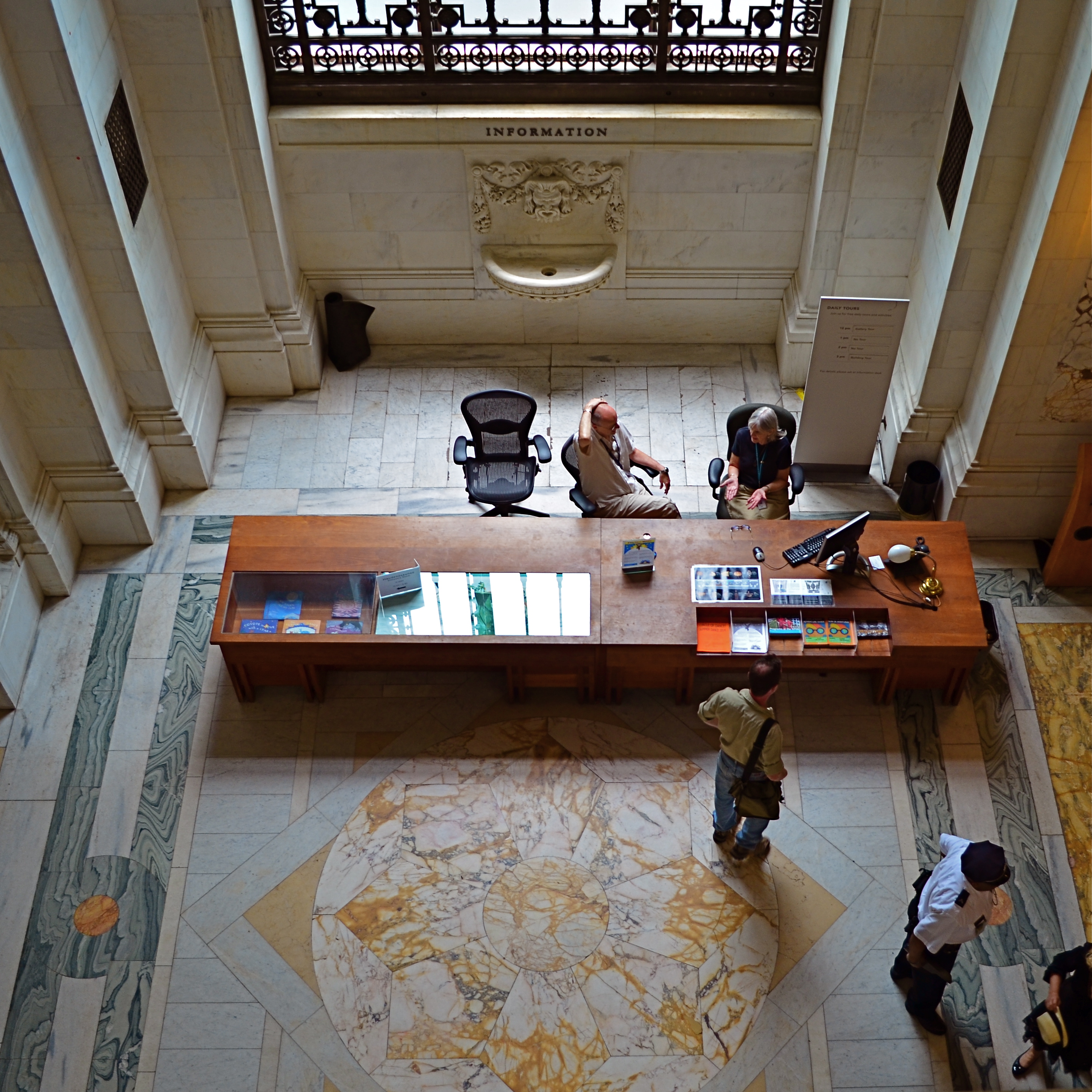
Information, Please, 2014. 1/60 sec., f/3.5, ISO 160, 18mm.
By MICHAEL PERKINS
ONE OF THE BEST WAYS TO APPREHEND THE OVERALL DESIGN OF A SPACE, be it a midtown skyscraper or a suburban cathedral, is to see it the way the designer originally envisioned it; as a logical arrangement of spaces and shapes. Sometimes, viewing the layout of floors, lobbies, or courtyards from the top-down, or “bird’s-eye” view of the original design sketches is especially helpful, since it takes our eye far enough away from a thing to appreciate its overall conception. It’s also not a bad thing for a photographer to do when trying to capture common spaces in a new way. Move your camera, change your view, change the outcome of your images.
The overarching vision for a place can be lost at ground, or “worker bee” level, in the horizontal plane along which we walk and arrange our viewpoint. Processing our understanding of architecture laterally can only take us so far, but it almost seems too simple to suggest that we shift that processing just by changing where we stand. And yet you will invariably learn something compositionally different just by forcing yourself to visualize your subjects from another vantage point.
I’m not suggesting that the only way to shake up your way of seeing big things is to climb to the top floor and look down. Or descend to the basement and look up, for that matter. Sometimes it just means shooting a familiar thing from a fresh angle that effectively renders it unfamiliar, and therefore reinvents it to your eye. It can happen with a different lens, a change in the weather, a different time of day. The important thing is that we always ask ourselves, almost as a reflex, whether we have explored every conceivable way to interpret a given space.
Each fresh view of something re-orders its geometry in some way, and we have to resist the temptation to make much the same photographs of a thing that everyone else with a camera has always done. We’re not in the postcard business, so we’re not supposed to be in the business of assuring people with safe depictions of things, either. Photography is about developing a vision, then ripping it up, taping it back together out-of-order, shredding that, and assembling it anew, again and again. In a visual medium, any other approach will just make us lazy and make our art flat and dull.
THE LADDER

By MICHAEL PERKINS
PHOTOGRAPHIC “MASTER THEORIES” ARE ONLY SLIGHTLY LESS PLENTIFUL than donuts at an AA meeting. I can’t hope to add any fresh shimmer to the bright shiny ideas on picture-making that have already been burnished by time, but I do believe that total photography is very tied to total development as a human being. Sounds like a mountaintop audience with the Maharishi, I know, but I think that, as we limit ourselves as people, so do we limit our ability to effectively interpret or record the world around us. This is not the stuff of master theses, for sure, but when it comes to photography as a way of life, I think all the wisdom you need boils down to a three-rung ladder, arranged thus:
TOP RUNG: LIVE MORE THAN YOU READ. Have direct, personal experiences that truly involve you. Do not vicariously re-live other people’s experiences and call that a life. Get your eyes off the screen, your ears out from under the Dr. Dre Beats, and your hands into the dirt. Learn concepts that call upon you to stretch. Try things that hurt. Taste stuff with strange ingredients. Learn to listen to ideas you think you’ll hate. Certainly, academic learning and secondary experiences have their value. We can’t all trek to Katmandu or scale Everest. But our grasp can certainly exceed what’s on Nickelodeon, a simple truth that brings us to:
MIDDLE RUNG. READ MORE THAN YOU SHOOT. You cannot possibly learn everything about photography by merely going out and doing. You have over two centuries of history, art, philosophy and example to absorb, even if your own style eventually goes rogue. You need influences. You need teachers. The shooters that went before you left wheels for you to roll on. Don’t try to re-invent those wheels; learn to steer by them. And do not limit your reading to photography. You cannot shoot what you cannot appreciate, and you cannot appreciate what you know nothing about. Learn the world, thus earning your right to have a point of view. And, finally, we have:
BOTTOM RUNG: SHOOT MORE THAN YOU THINK YOU NEED TO. Certainly shoot more often than when you “have something to shoot”. Shoot when you’re dry. Shoot when you’re bored. Shoot when you’re wired/angry/amazed/frightened/joyful. Be okay looking like a fool for an idea. Most of all, be willing to take more lousy shots than the next ten guys put together. Think of all those bum images as the thick leaves of Christmas paper swaddling your best pictures. You gotta tear away all the layers to get to your shiny toys.
If these three rungs seem grossly over-simplified to you, try them for about forty years and get back to me. Photography cannot evolve unless we refine the person who clicks the shutter. None of these steps are guaranteed to produce immortal images. But you sure as hell can’t create greatness without them.
ROLL PLAYING
By MICHAEL PERKINS
I RECENTLY CAME ACROSS AN ARTICLE IN WHICH A PHOTOGRAPHER BEMOANED the insane volume of images being shot in the digital era. His point was that, while we used to be tightly disciplined in the “budgeting” of shots back in the days of film (in which we had a fixed limit on our shots of 24 or 36 frames), we crank away an infinite number of shots today in short order, many of them near duplicates of each other, flooding the universe with a torrent of (mostly) bad pictures. Apparently, he posits, it is because we can shoot and re-shoot without fear of failure that we make so many mediocre images.
He takes it further, proposing that, as a means of being more mindful in the making of our photos, that we buy a separate memory card and shoot a total of, say, two “rolls” of pics, or 72 total images, forcing ourselves to keep every image, without deletions or retakes, and live with the results for good or ill. I have all kinds of problems with this romantic but basically ill-conceived stunt.
Our illustrious writer and I live on different sides of the street. He seems to believe that the ability to shoot tons of images leads to less mindful technique. I believe the exact opposite.
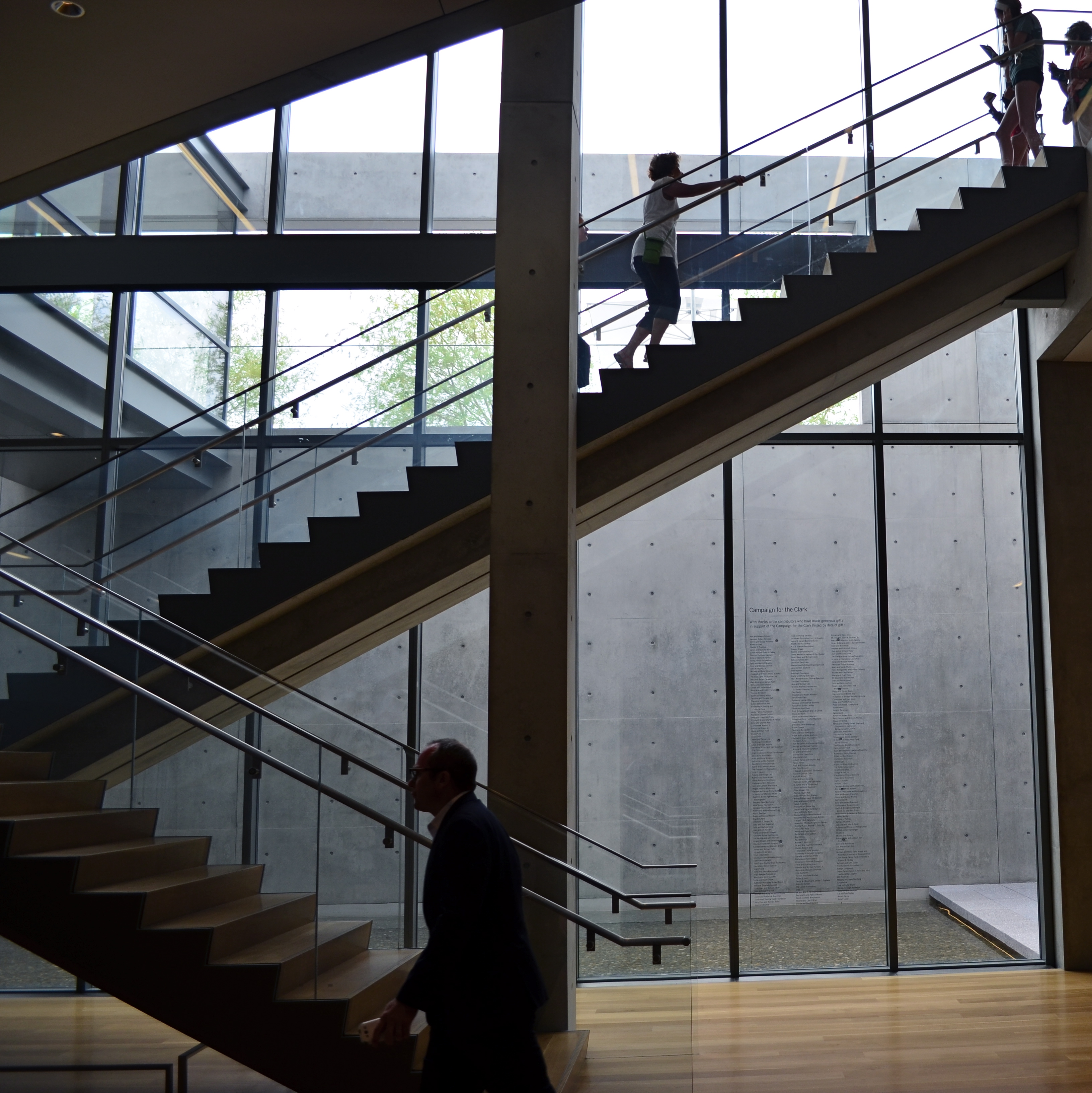
Not the hardest shot in the world, but in the film era, I might never have guessed how best to nail it. In digital, I was free to approach the right solution over a series of practice shots.
When you are free, via digital photography, to experiment, to correct your errors on the fly, you suddenly have the ability to save more shots, simply because you can close in on the best method for those shots much faster, and at a fraction of the cost, of film. You collapse a learning curve that used to take decades into the space of a few years. One of the things that used to separate great photographers from average ones was the great shooters’ freedom, usually from a financial standpoint, to take more bad (or evolving) images than the average guys could afford to. Of course, really bad photographers can go for years merely continuing to take more and more lousy shots, but the fact is, in most cases, taking more photos means learning more, and, often, eventually making better pictures.
Apparently, our illustrious writer believes that you can only be photographically self-aware if you are constantly reminded how few total frames you’re going to be able to shoot. I truly appreciate the goal of self-reliant, experience-based photography he wants to promote. But I contend that it’s not that we make too many pictures, but that we keep too many. It’s the skill of editing, that unemotional, ice-cold logic in deciding how few of our pictures are “keepers”, that is needed, not some nostalgic longing for the strictures of film.
Hey, of course we over-share too many near-identical frames of our latest ham sandwich. Of course Instagram is as clogged as a sink trap fulla hair with millions of pictures that should never see the light of day. But that’s not because we can shoot pictures too easily. It’s because we don’t grade our output on a stern enough curve. As it gets easier to shoot, it should get tougher to meet muster.
THE PICTURES I HATE MOST
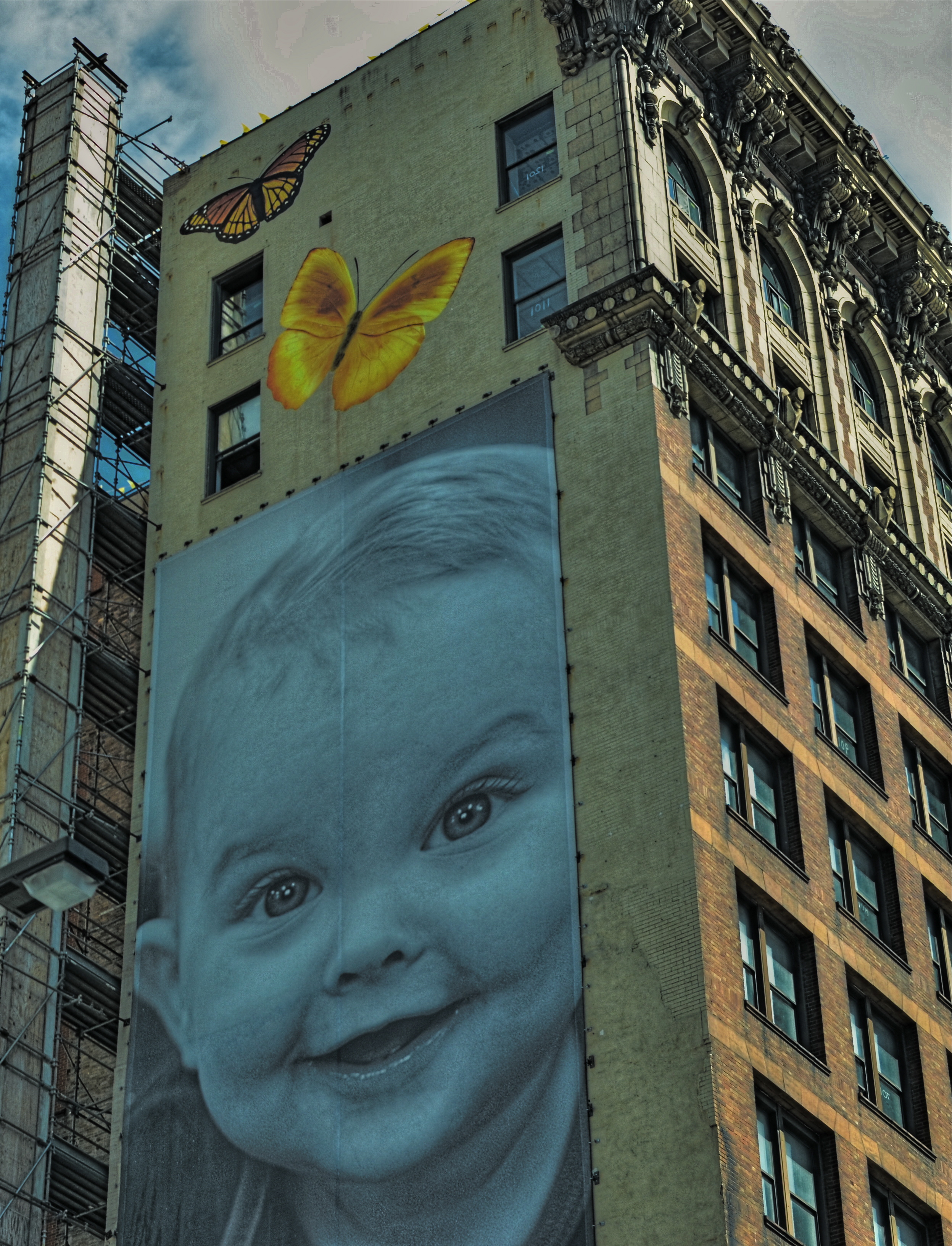
Even the pictures you attempt that come up short can teach you more than the ones you never make.
By MICHAEL PERKINS
IN MY CHILDHOOD, I FIRST HEARD THE BIBLICAL PARABLE OF THE SHEPHERD who, upon finding that one of his flock of one hundred sheep had gone missing, forsook the other ninety-nine to undertake a desperate search for the single lost lamb. It was, certainly, a touching story, with its image of a father who would mourn over the loss of even the most wayward of his flock. And, although it didn’t occur to me at the time, it also came to serve as an early model for my idea of a photographer.
It’s not really that big a stretch. Like the shepherd, shooters always mourn the loss of the one that got away, or in terms of photographs, the shot that was never made. The one angle we forgot to foresee, the light we failed to read, the fleeting truth we neglected to capture. For sure, the photos you attempted and botched really do smart, a lot. A lot a lot. However, there is no pain like the emotional toothache caused by the shots that, for whatever reason, you never even tried to make. These aren’t “lost” images, since they never actually existed, but that doesn’t mean that their absence is any less poignant. One great recent examination of why we fail to shoot is found in a recent collection of essays by Will Steacy called Photographs Not Taken. Check out a capsule review of it here.
I lament the pictures I never made far more than the ones I have attempted and whiffed, since in most cases the contexts that surrounded those non-existent pics are, themselves, no longer, whether we’re talking about missed sunrises or final visits with loved ones. To be sure, re-dos are often off the table even for many of the pictures we did take, but, for some human reason, we mourn more intensely the ones that might have been. Worse yet, even failed images have some teaching value, whereas you learn zilch from the dances that you sat out.
This forum has never been about merely posting my greatest hits for the world to drool over. That is scrapbooking, and serves no purpose. Any honest examination of why we make images has to pause to grieve about failed chances, to sniffle a bit over the things we aimed at and missed. It sometimes has to be about pictures that I hate, and the ones I hate most are the ones I had neither the vision nor the nerve to create.
ABSOLUTES
By MICHAEL PERKINS
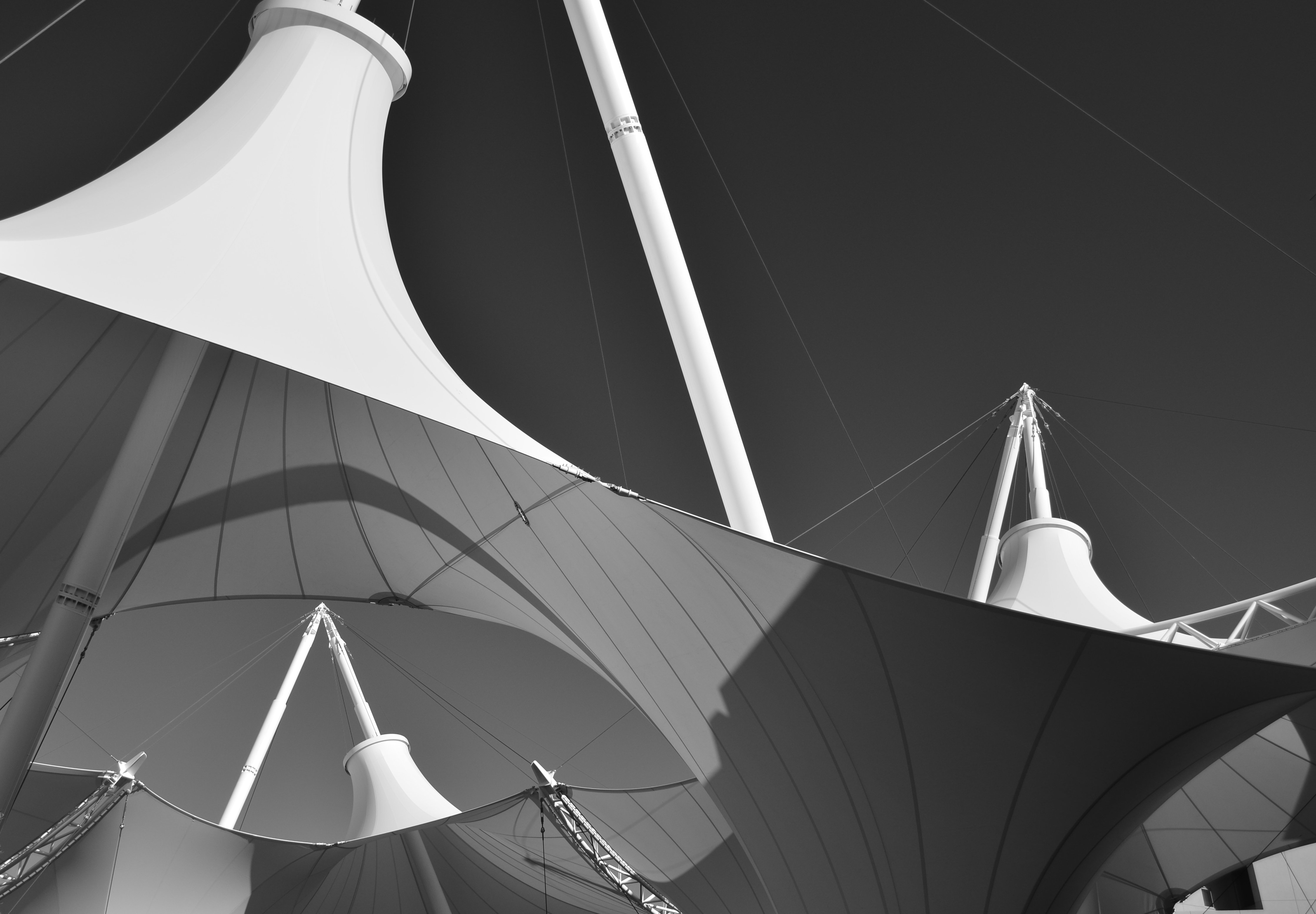
“PHOTOGRAPHY DEALS EXCLUSIVELY WITH APPEARANCES” remarked Duane Michals years ago, “but, nothing is what it appears to be.” That’s a remarkably clear summation of the terms under which, with greater regularity, I approach things with my camera. In over fifty years of clicking away, I have never really felt like my work was reportage, or the recording of “reality”, but rather the use of reality like another paint brush or tube of color towards the more general goal of making a picture. What I wind up with certainly “appears” like something, but it’s not really a literal representation of what I saw. It is the thing I pointed the lens at, but, if I am lucky, it’s got some other extra ingredient that was mine alone. Or so I hope.
This idea that appearances are just elements in the making of something personal seems to be borne out on those photo “field trips” where instructors take a small mob of shooters out onto the street, all of them assigned to photograph the same subject or scene. Seldom is there a consistent result as these half dozen noobs frame up a common object, a phenomenon which argues for the notion of photography as interpretation, not just the making of a visual record. Consider: if the machine really were all, every one of the students’ images should look remarkably alike, but they generally don’t. How could they, when the mystery link in every shooter’s work flow has to be the “filter” of his or her own experiences? You show how a thing appears, but it doesn’t match someone else’s sense of what it is. And that’s the divine, civil argument our vision has with everyone else’s, that contrast between my eye and your brain that allows photographs to become art.
I think that it’s possible to worry about whether your photograph “tells a story” to such a degree that you force it to be a literal narrative of something. See this? Here’s the cute little girl walking down the country lane to school with her dog. Here’s the sad old man sitting forlornly on a park bench. You can certainly make images of narrowly defined narratives, but you can also get into the self-conscious habit of trying to bend your images to fit the needs of your audiences, to make things which are easy for them to digest.Kinda like Wonder Bread for the eye.
As photographers, we still sweat the answer to the meaningless question, “what’s that supposed to be?”, as if every exposure must be matched up with someone who will validate it with an approving smile. Thing is, mere approval isn’t true connection….it’s just, let’s say, successful marketing. Make a picture in search of something in yourself, and other seekers will find it as well.
RELIEF OF PAINFUL G.A.S.
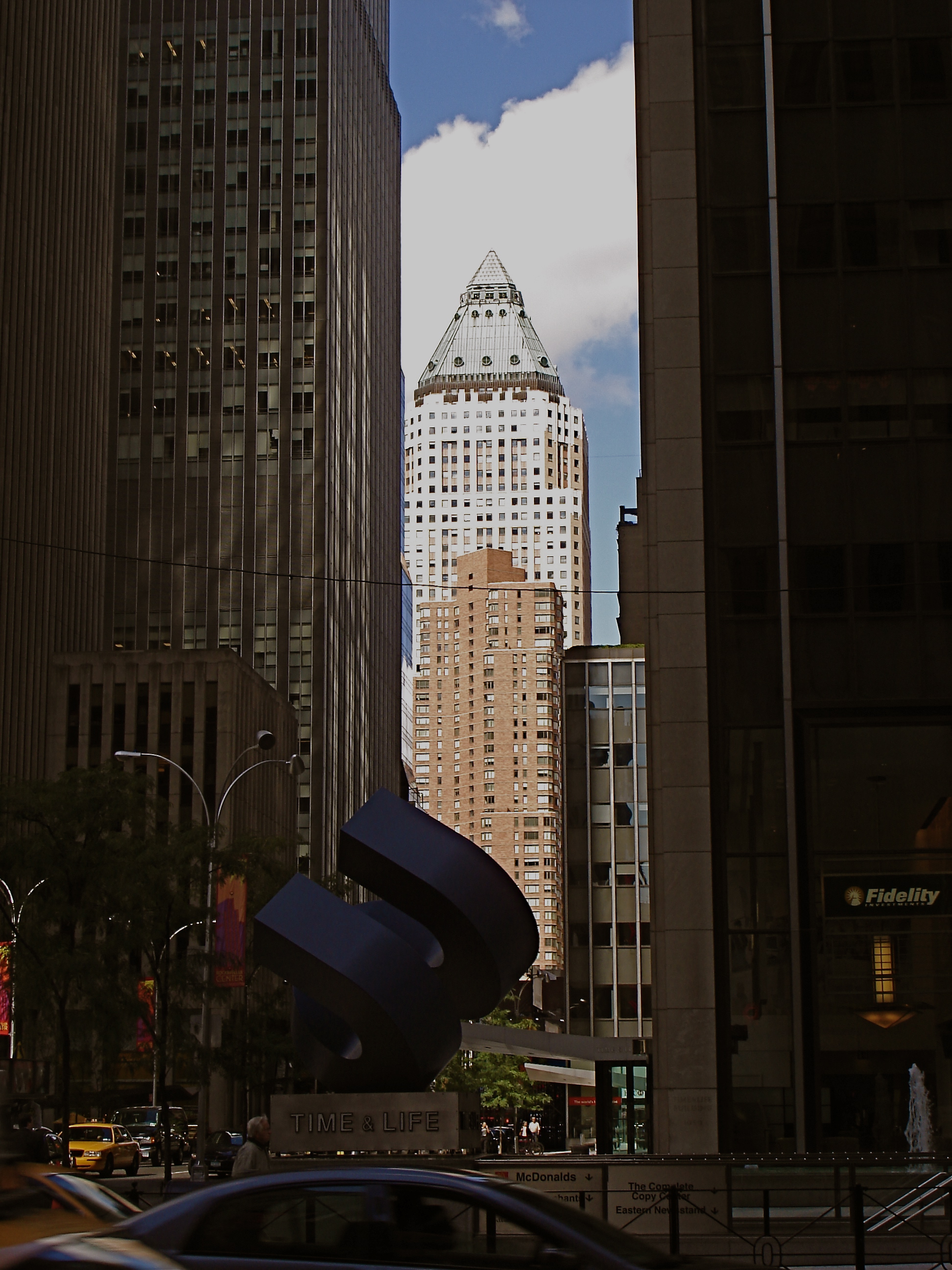
Eight years and three cameras ago. 1/125 sec., f/7.1, ISO 100, 13.7mm.
By MICHAEL PERKINS
HE’S YOUR DAD, YOUR UNCLE, YOUR WACKY SITCOM NEIGHBOR: the guy who has every ratchet,widget and wrench in the Sears Craftsman catalogue, yet who is, strangely, incompetent at any task more complex than the replacement of a light bulb. If he could just get that table saw, that router, he could finally tackle that pet project with real zest. But heck, he explains, I don’t have the right extender, the extra power supply, the magical whatsit that just came out this year. In reality, this guy is not a handyman, he’s an actor playing the part of a handyman. He’s Batman with a utility belt big enough to spill over a city block. He’s a gadget addict.
Now, transfer all that imagery from fix-it toys to optical toys, and you can understand the disease that photographers call G.A.S—-Gear Acquisition Syndrome.
There is no vaccine or twelve-step program for some types of shooters for whom the next lens, the up-and-coming accessory will make all the difference, and catapult their photography from mundane to miraculous. And none of us, even the most rigidly discipline, is completely immune to the siren song of the bright and shiny plaything. Sadly, G.A.S. often sidetracks us for months or even years, taking us off the path of practice and hard work with the tools we have as we wait for the toys we want. It doesn’t seem to impress us that people are making extraordinary pictures with cameras that are, basically, crap. Similarly, It doesn’t seem to faze us to know that people lugging around fifty pounds of lens changes and thousands of dollars in Leica-like bodies are often coming home with a portfolio of poop to show for their efforts. G.A.S., once its fever envelops our tiny minds, creates the hallucination that photography is about equipment. Sure, and Mark Twain wrote better after he graduated from notepads to a typewriter.
It’s almost too simple a truth that practice makes perfect, practice with limited lenses and sad little cameras, practice with nothing to focus on but how well we can teach ourselves to see. G.A.S. fogs up our thinking, making photography a destination (oh, once I get that German glass!) instead of a journey (wonder what I can make happen with what I have). It’s magical thinking. The camera becomes a talisman, a magic monkey’s paw, Harry Potter’s wand. Real, serious development is delayed while we wait for machines to appear and deliver us.
Oddly, looking backwards can often help us move forwards. Now, follow me here a moment. Ever go through the ghostly Shoebox of Shoots Past to find that you actually nailed a biggie on the day that you had bad weather, a lousy subject and a disposable $10 camera? Of course you have. But, wait….how could you take a good picture with all the wrong gear? Because something in you knew how to make that picture, with or without the ease and convenience conferred by better equipment. And the more you developed your eye, the more often you could make a picture that good, on purpose, time after time. As an example, the image at left is eight years and three cameras ago for me. I could certainly shoot it better today, but, even with more primitive machinery, I got most of what I wanted with what I had on hand that day. You have pictures just like this. Yes, you do.
I’m not saying that tools aren’t great, but if your shelves are overfilled (and your wallet is over-depleted) due to Gear Acquisition Syndrome, it’s best to ask how much in the way of toys you really need. None of it can take a great picture unless your mind and your eye are on the steering committee. Ansel Adams’ claim that the most important part of a camera was “the twelve inches behind it” is gospel. Get religion and become a believer, o my brothers.
THE SHORT AND WINDING ROAD
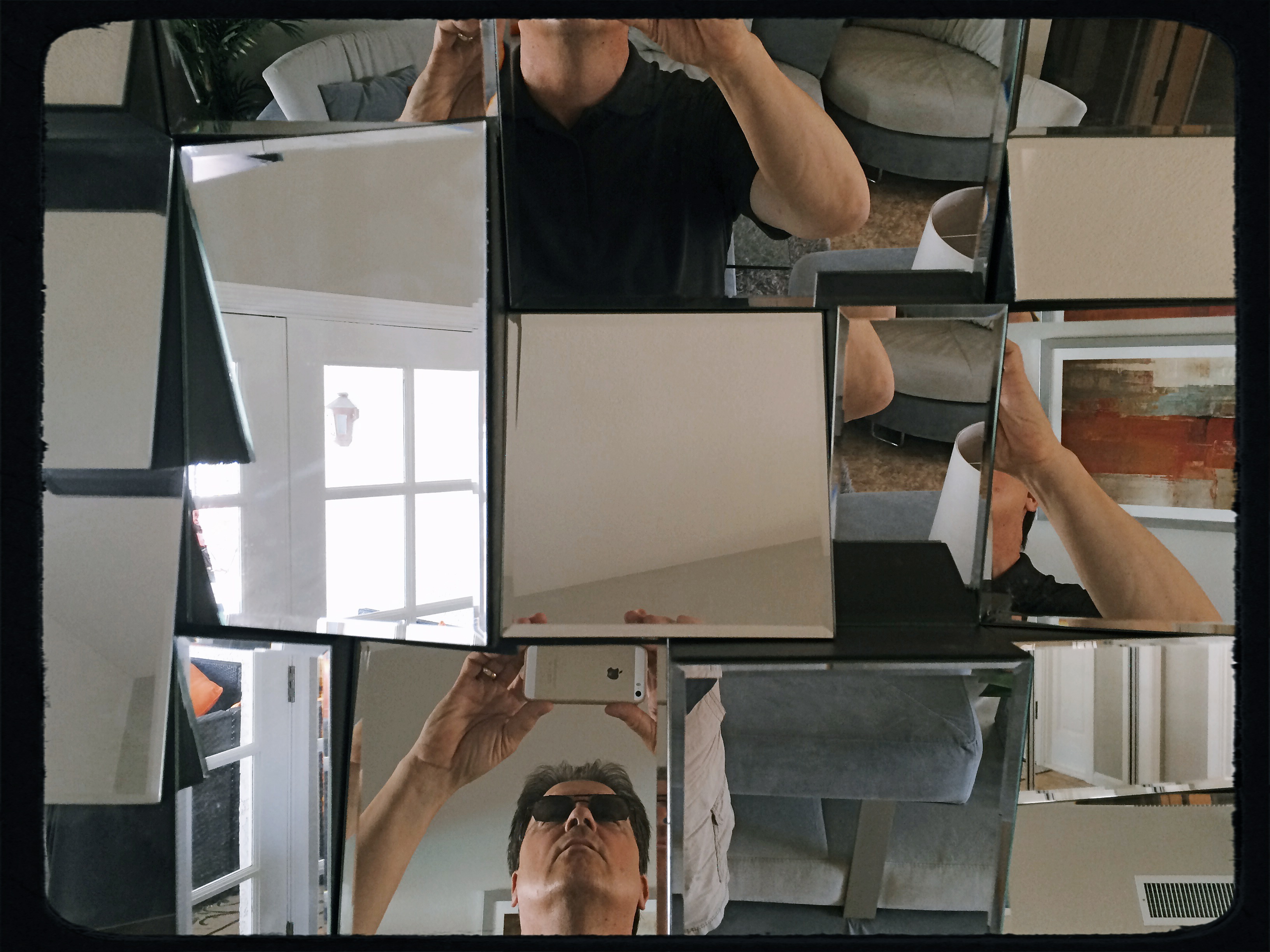
There is no tradition in photography. There is only now.
By MICHAEL PERKINS
PHOTOGRAPHY USED TO LITERALLY BE A MATTER OF MATH. Formulating formulae for harnessing light, predicting the reactivity of chemicals, calculating the interval between wretched and wonderful processing. And all that math, measured in materials, apprenticeship, and learning curves, was expensive. Mistakes were expensive. The time you invested to learn, fail, re-learn, and re-fail was expensive. All of it was a sustained assault on your wallet. It cost you, really cost you, in terms a math whiz could relate to, to be a photographer.
Now, the immediacy of our raw readiness to make a picture is astounding. Well, let’s amend that. To anyone picking up their first camera in the last thirty years, it’s pretty astounding. For those who began shooting ten years ago, it’s kinda cool. And for those falling in love with photography now, today, it’s……normal. Let’s pull that last thought out in the sunshine where we can get a good look at it:
For those just beginning to dabble in photography, the instantaneous gratification of nearly any conceptual wish is normal. Expected. No big deal. And the price of failure? Nil. Non-existent. Was there ever a time when it was a pain, or an effort just to make a picture, you ask Today’s Youth? Answer: not to my knowledge. I think it and I do it. If I don’t like it, I do it again, and again, faster than you can bolt down a burger on a commuter train. It’s just there, like tap water. How can I not be, why should I not be, absolutely fearless?
To take it further, Today’s Youth can learn more in a few months of shooting than their forebears could glean in years. And at an immeasurably small percentage of the sweat, toil, tears and financial investment. They can take a learning curve of rejected photos and failed concepts that used to be a long and winding road for pa and grandpa and compress it into a short and straight walk to the mailbox. And they are not sentimental, since they will not be spending enough time with any technology of any kind long enough to develop a weepy attachment for it, or for “how things used to be”. DSLR? Four-Thirds? Point and Shoot? Hey, anything that lets them take a picture is a camera. Make it so they can flap their eyelash and capture an image, and they’re in.
For some of us, hemmed in by experience, the limits of our technical savvy, and yes, our emotions, photography can be a somewhat formal experience. But for the many coming behind us, it’s just a reflex. A wink of the eye. Any and everything is an extension of their visual brain. Any and everything leads to a picture.
These new shooters will stop at nothing, will quake at nothing, will be awed by nothing, except ideas. They will be bold, because there is no reason not to be. They will take chances, since that, from their vantage point, is the only logical course. Photography is dead, long live photography.
The great awakening is at hand.
DON’T TAKE THAT TONE WITH ME
By MICHAEL PERKINS
I BELIEVE THAT THE SINGLE BIGGEST REASON FOR THE FAILURE OF A PHOTOGRAPHIC COMPOSITION may all boil down to the same problem. I call it “over-sampling”, or, more simply, the presence of too much visual information in a frame. It can be as simple as including too many trees in a landscape or framing to include crowded sky clutter in an urban scene, but it’s not always how many objects are crowded into an image. It can be something as basic as asking the eye to figure out where to look. And sometimes, the very fact that a picture is in color can diminish its ability to clearly say, here: look here.
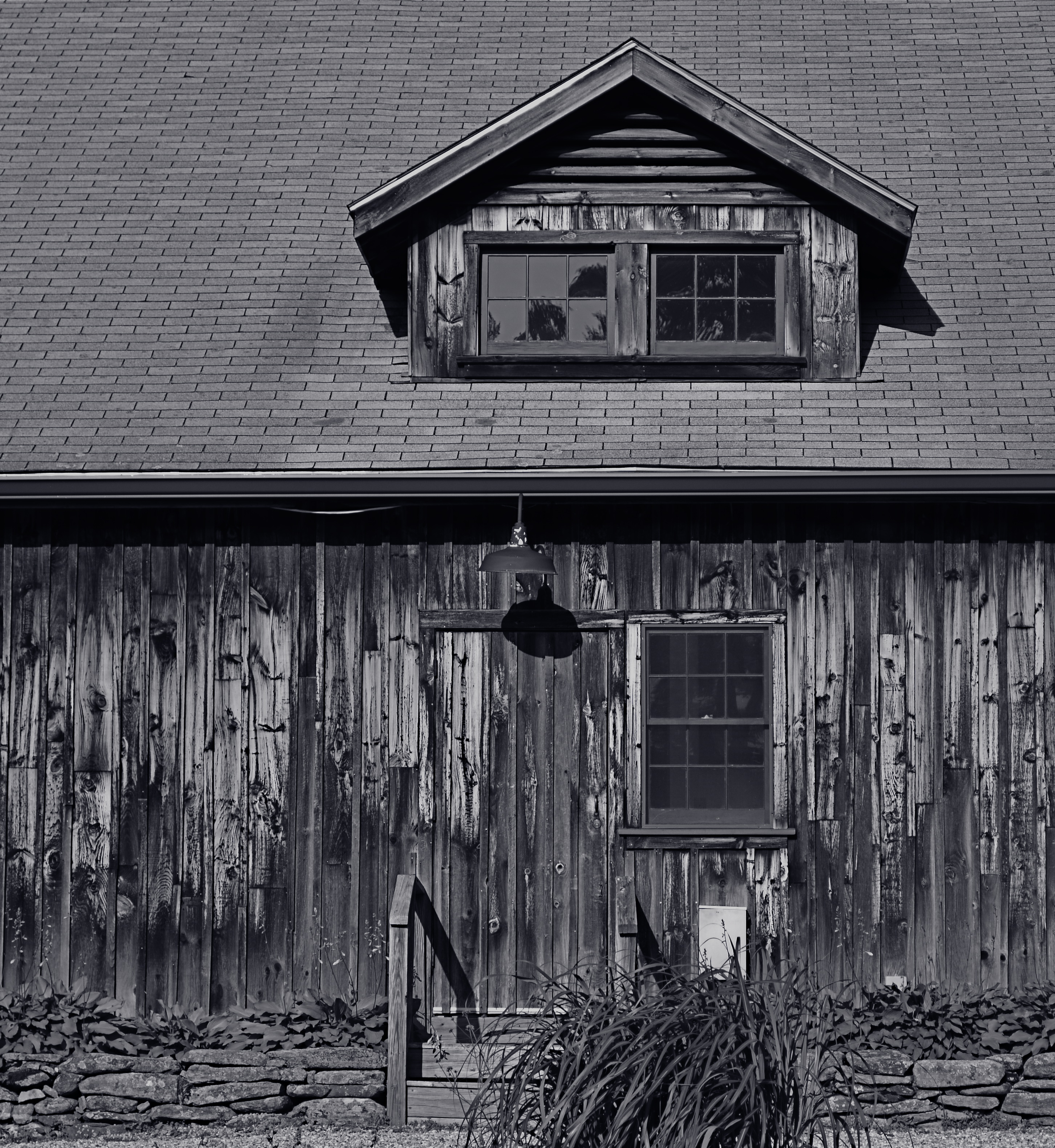
Color would have added nothing to this image. In fact, it would have detracted from its impact. 1/400 sec., f/5.6. ISO 100, 55mm.
Great photographs have their own gravitational pull and center. They draw people in and direct their gaze to specific places. This tends to be a single focus, because, the more there is to see in an image, the greater the tendency is in the viewer to wander around in it, to blunt the impact of the picture as the eye looks for a central nexus of interest. In my own experience, I find that the use of color in a photograph is justified by whether it helps keep things simple, creates readable signposts that lead the eye to the principal message of the image. Color, just like the objects in a frame, can explode with a ton of separate messages that defeat the main message, sending the viewer all over the place, trying to decode all that vivid information. Color itself can become clutter.
Sometimes the focus of an image is not an object, i.e., a building or a face, but an overall feel that is more emotionally immediate within a narrow range of blacks and greys. The kind of black and white makes a huge difference as well, and anyone who has spent a lot of time processing monochrome images knows that there is no one true black, no pure, simple white. As to actual shooting procedure, I will be so certain that only B&W will work for a given subject that I make the master shot itself in mono, but, more frequently, I shoot in color first and make a dupe file for comparison. This is another amazing advantage of digital imaging; you simply have more choices.
One of the by-products of color photography‘s adoption into mass culture through magazines and faster films in the mid-20th century was, for many people, a near-total abandonment of monochrome as somehow “limited” compared to those glorious, saturated Kodachromian hues. Thing is, both color and black and white have to be vetted before being used in a photograph. There can’t be a general rule about one being more “lifelike” or “natural”, as if that has anything to do with photography. Tools either justify their use or they don’t. You don’t drive a screw with a hammer.
FISHING FRIDAYS?
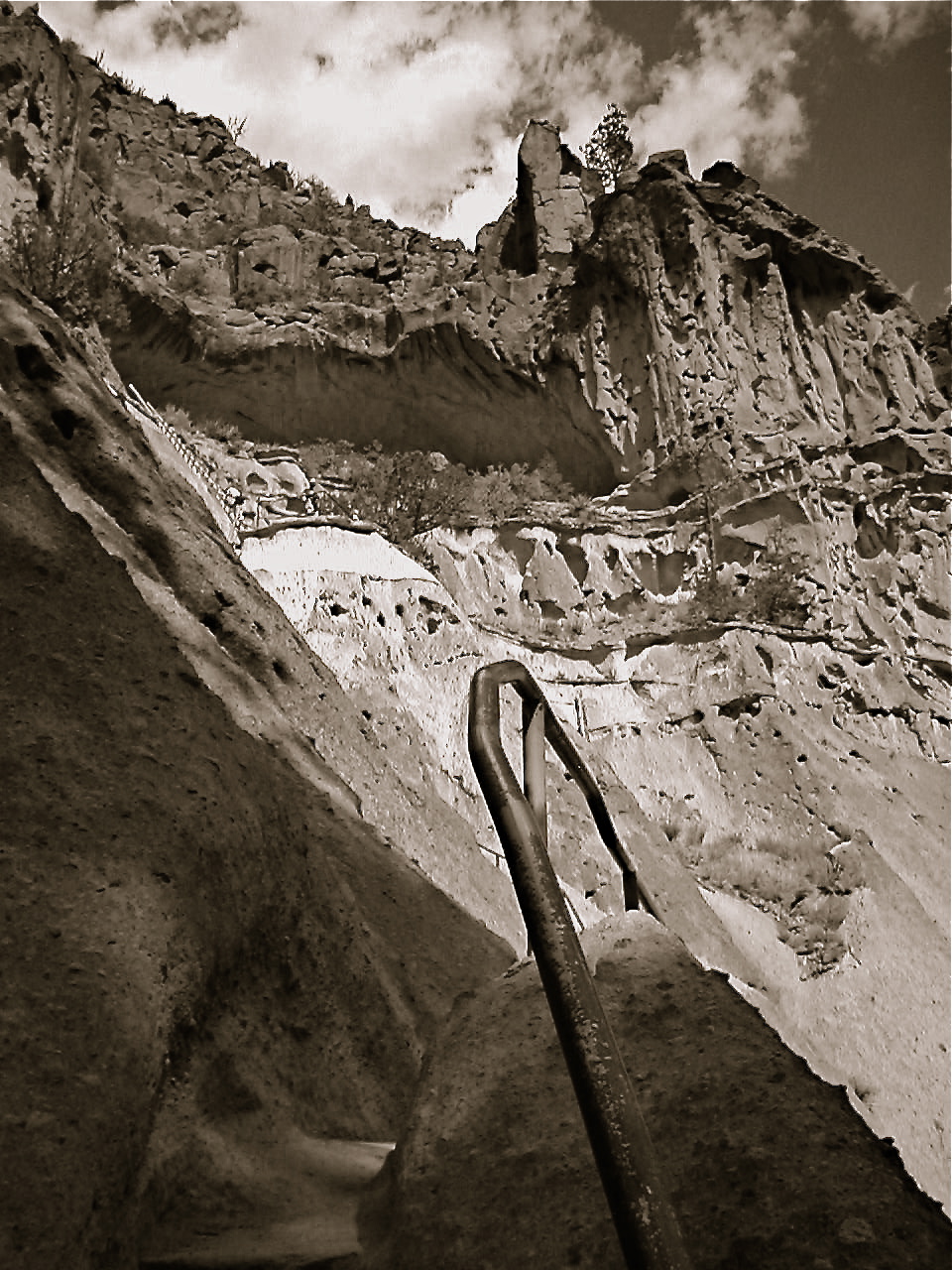
Bandolier National Monument, New Mexico, nearly ten years and four cameras ago. Did the shot achieve everything I was seeking? Hardly. Still, it emerges now as a qualified success rather than an outright dud.
By MICHAEL PERKINS
I HAVE NEVER PARTICIPATED IN THE STRANGE NEW RITUAL known as “Throwback Thursday”, the terminally adorable craze involving the online resurrection of antique photos of oneself or friends, the purpose of which is apparently to celebrate our poor tonsorial and wardrobe choices of bygone days. I keep most historic depictions of myself under lock and key for a reason, and making myself look retroactively more idiotic than I am already, well, someone needs to explain to me where the “fun” part comes in. Just because I was once stupid enough to sport a shag cut doesn’t mean a record of that sad choice constitutes entertainment in the interweb age.
As a photographer, however, I can certainly see the wisdom of re-evaluating the images themselves, meaning how they were shot, or whether, under the microscopes of time and wisdom, they deserve to be aesthetically exonerated. Humane anglers have always practiced the “throw the small ones back” rule when fishing, the idea being that, given a chance, a minnow might grow into a respectable catch, and I think it’s normal to revisit old photos from time to time, as a record of one’s growth. I would even argue that a “Fishing Friday” each week would be good for the needful habit of self-editing, or just learning to see, no less than spending one’s Thursdays with painful reminders that hot pants really aren’t a fashion statement.
Yes, I am an aging crank. And yes, I do believe, as Yogi Berra once said, that nostalgia ain’t what it used to be. But I also believe in learning from one’s photographic mistakes, and reviewing old prints and slides actually does give you a pretty reliable timeline on your development. As a matter of fact, I am on record as believing that failures are far more instructive than successes when it comes to photography. You study and ache and cogitate over failures, whereas you seldom question a success at all. Coming up short just nags at you more, and the surprising thing about latter-day re-examinations of your photographic work is that you will also find things that actually worked, shots that, for some reason, you originally rejected.
Recently, the Metropolitan Art Museum mounted a show of Garry Winogrand’s amazing street work drawn from the hundreds of thousands of images that he shot but never processed or saw within his own lifetime. His is an extreme case, but, even at our end of the craft, we generate so many photos over a lifetime that we are constantly challenged to have a true sense of what we did even last year, much less decades ago. When we “throw back” to images of our dear departed dog blowing out his birthday candles, we should also shovel into the past for the instructive, potentially revelatory work that might be lurking in other shoeboxes. It’s free education.
CAUSE AND EFFECT

Sun Pennants, 2014. 1/400 sec., f/5.6. ISO 100, 35mm.
By MICHAEL PERKINS
THERE’S NOTHING WORSE THAN COMING HOME FROM A SHOOT realizing that you only went halfway on things. Maybe there was another way to light her face. Did I take a wide enough bracket of exposures on that sunset? Maybe I should have framed the doorway two different ways, with and without the shadow.
And so on. Frequently, after cranking off a few lucky frames, we’re like kids walking home from confession, feeling fine and pure at first, and then remembering, “D’OH! I forgot to tell Father about the time I sassed my teacher!”
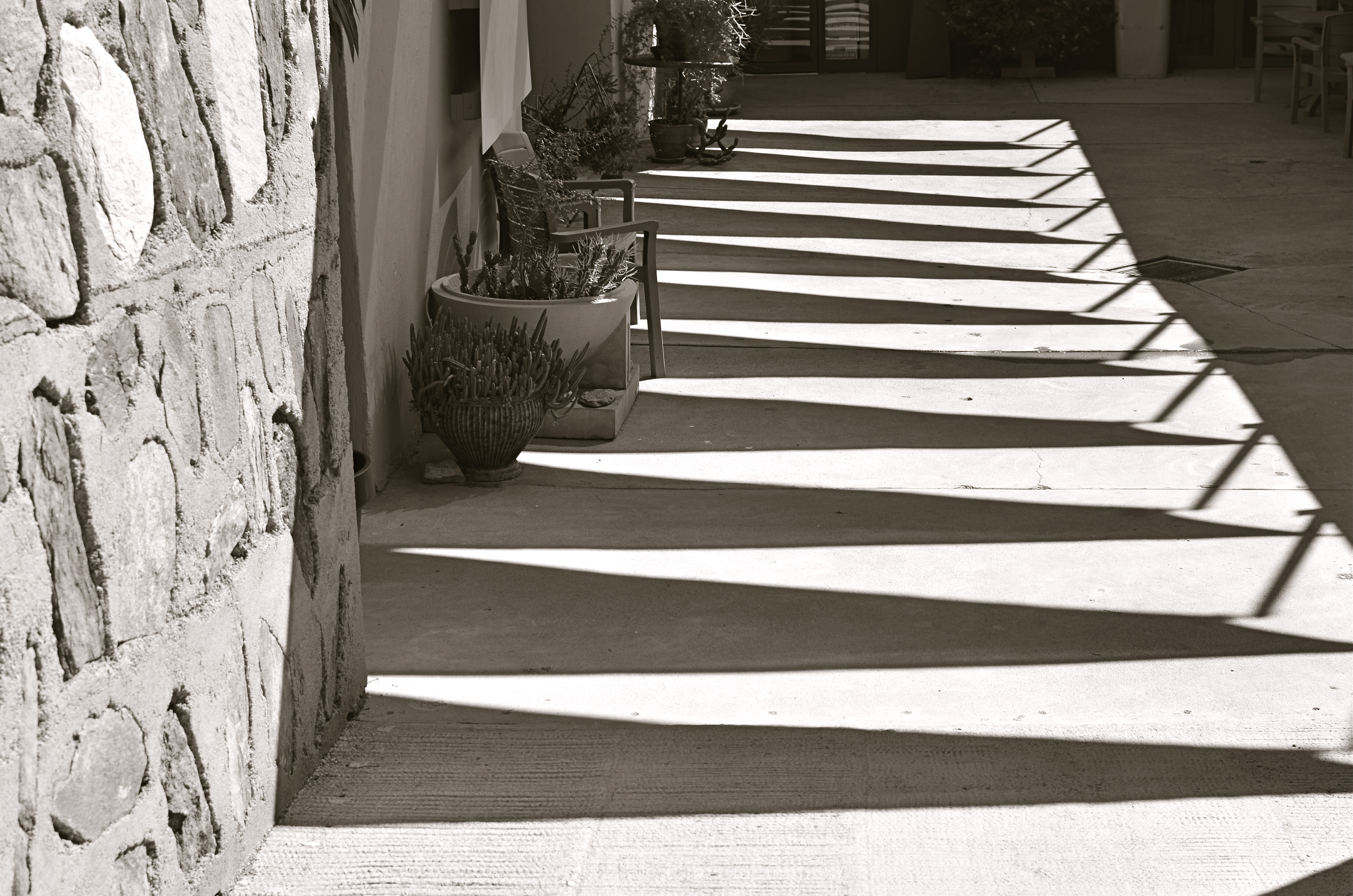
Gridlight, 2014. 1/200 sec., f/5.6, ISO 100, 35mm.
Too Catholic? (And downright boring on the sins, by the way..but, hey) Point is, there is always one more way to visualize nearly everything you care enough about to make a picture of. For one thing, we are always shooting either the cause or the effect of things. The great facial reaction and the surprise that induces it. The deep pool of rain and the portentous sky that sent it. The force that’s released in an explosion and the origin of that force. When we’re there, when the magic of whatever we came to see is happening, right here, right now, we need to think up, down, sideways for pictures of all of it, or as many as we can capture within our power….’cause once you’re home, safe and dry, it’s all different. The story perishes like a soap bubble. Shoot while you’re there. Shoot for all the story is worth.
It can be simple things. I saw the above image at one of the lesser outbuildings at Taliesin West, Frank Lloyd Wright’s legendary teaching compound in Scottsdale, Arizona. An abstract pattern made from over-hanging strips of canvas,used as makeshift shade on a path. But when I reversed my angle and shot the sidewalk instead of the sky, I saw the effect of that cause, and it appealed to me too (see left). One composition favored color, while the other seemed to dictate black & white, but they both could serve my purpose in different ways. Click and click.
It bears remembering that the only picture that is guaranteed to be a failure is the one you didn’t take. Flip things around. Re-imagine the order, the role of things. Go for one more version of what’s “important”.
Hey, you’re there anyway.…..
THE LAST PIECE OF THE PUZZLE
By “available light”, I mean any $%#@ light that’s available. —-Joe McNally, world-renowned master photographer, author of The Moment It Clicks
By MICHAEL PERKINS
ONE OF THE EASIEST THINGS ABOUT ANALYZING THOSE OF OUR SHOTS THAT FAIL is that there is usually a single, crucial element that was missing in the final effort….one tiny little hobnail, without which the entire image simply couldn’t hold together. In a portrait, it could be a wayward turn of face or hint of a smile; in a landscape it could be one element too many, moving the picture from “charming” to “busy”. The secret to greater success, then, must lie in pre-visualizing a photograph to as great a degree as possible, in knowing in advance how many puzzle pieces must click into place to make the result work.
I recently attended an outdoor dance recital, during which I knew photography would be prohibited. I had just resigned myself to spend the night as a mere spectator, and was settling onto my lawn seat when some pre-show stretching exercises by the dancing company presented me with an opportunity. The available natural light in the sky had been wonderfully golden just minutes before, but, by the time the troupe took the stage and started into their poses and positions, it had grown pretty anemic. And then a stage hand gave me back that missing “puzzle piece”.
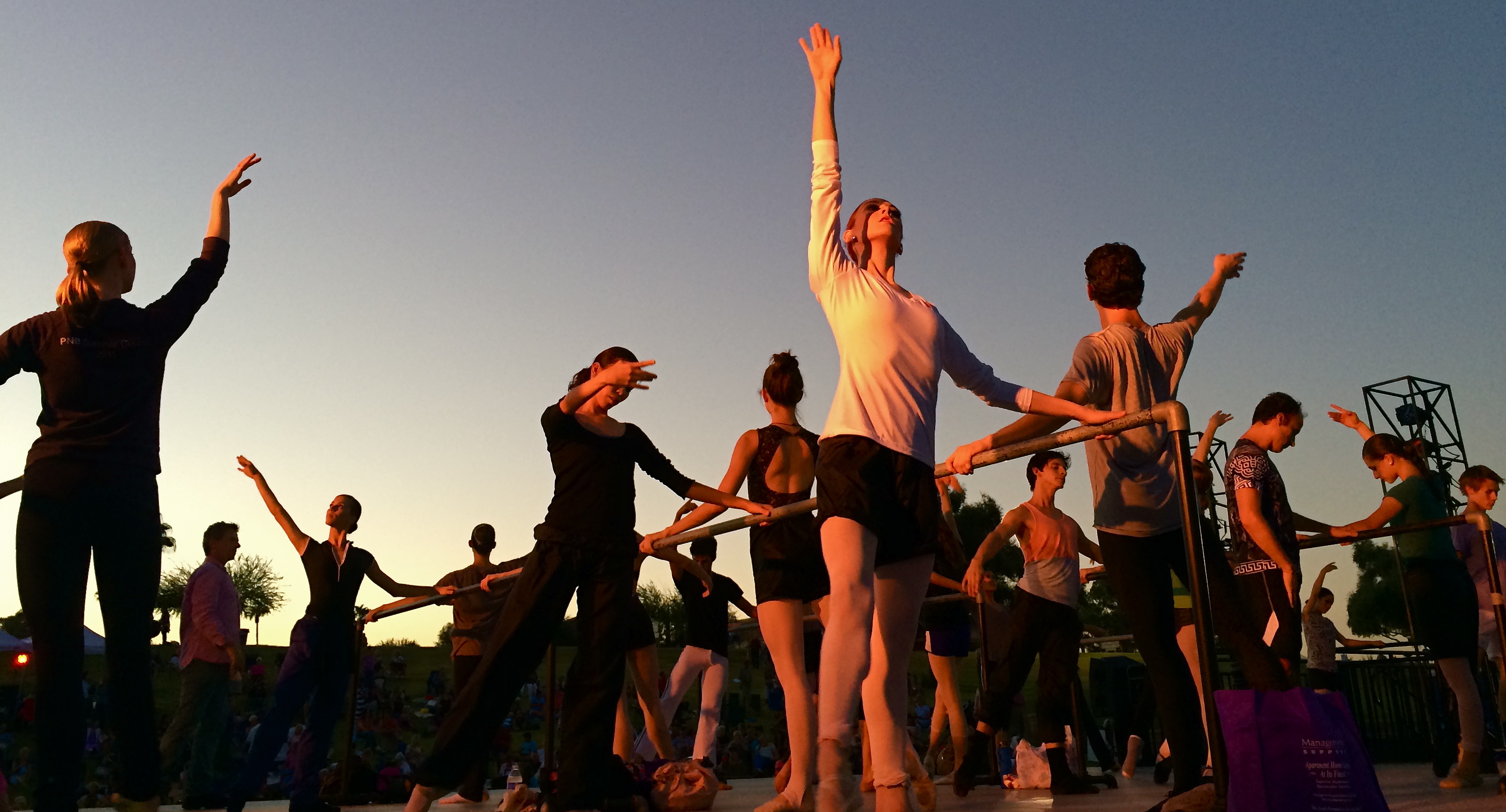
Positions, Please, 2014. One light source at dusk, courtesy of a light tech rehearsing with the rehearsers.
Climbing the gridwork at the right side of the stage, the techie was turning various lights on and off, trying them with gels, arcing them this way or that, devising various ways to illuminate the dancers as their director ran them through their paces. I decided to get off my blanket and hike down to the back edge of the stage, then wait for “my light” to come around in the rotation. Eventually, the stage hand turned on a combination that nearly replicated the golden light that I no longer was getting from the sky. It was single-point light, wrapping around the bodies of some dancers, making a few of them glow brilliantly, and leaving some other swaddled in shadow, reducing them to near-silhouettes.
For a moment, I had everything I needed, more than would be available for the entire rest of the evening. Now the physical elegance of the ballet cast was matched by the temporary drama of the faux-sunset coming from stage left. I moved in as closely as I could and started clicking away. I was shooting at something of an upward slant, so a little sky cropping was needed in the final shots, but, for about thirty seconds, someone else had given me the perfect key light, the missing puzzle piece. If I could find that stage hand, I’d buy her a few rounds. The win really couldn’t have happened without her.
AS DIFFERENT AS DAY AND NIGHT
By MICHAEL PERKINS
PHOTOGRAPHY OFTEN PRESENTS ITSELF AS A SUDDEN, REACTIVE OPPORTUNITY, a moment in time where certain light and compositional conditions seem ripe for either recording or interpreting. In such cases there may be little chance to ponder the best way to visualize the subject at hand, and so we snap up the visualization that’s presented in the moment. It’s the kind of use-it-or-lose-it bargain we’re all acquainted with. Sometimes it yields something amazing. Other times we do the best with what we’re handed, and it looks like it.
Having the option to shape light as we like takes time and deliberate planning, as anyone who has done any kind of studio set-up will attest. The stronger your conception to start with, the better chance you have of devising a light strategy for making that idea real. That’s why I regard light painting, which I’ve written about here several times, as a great exercise in building your image’s visual identity in stages. You slow down and make the photograph evolve, working upwards from absolute darkness.
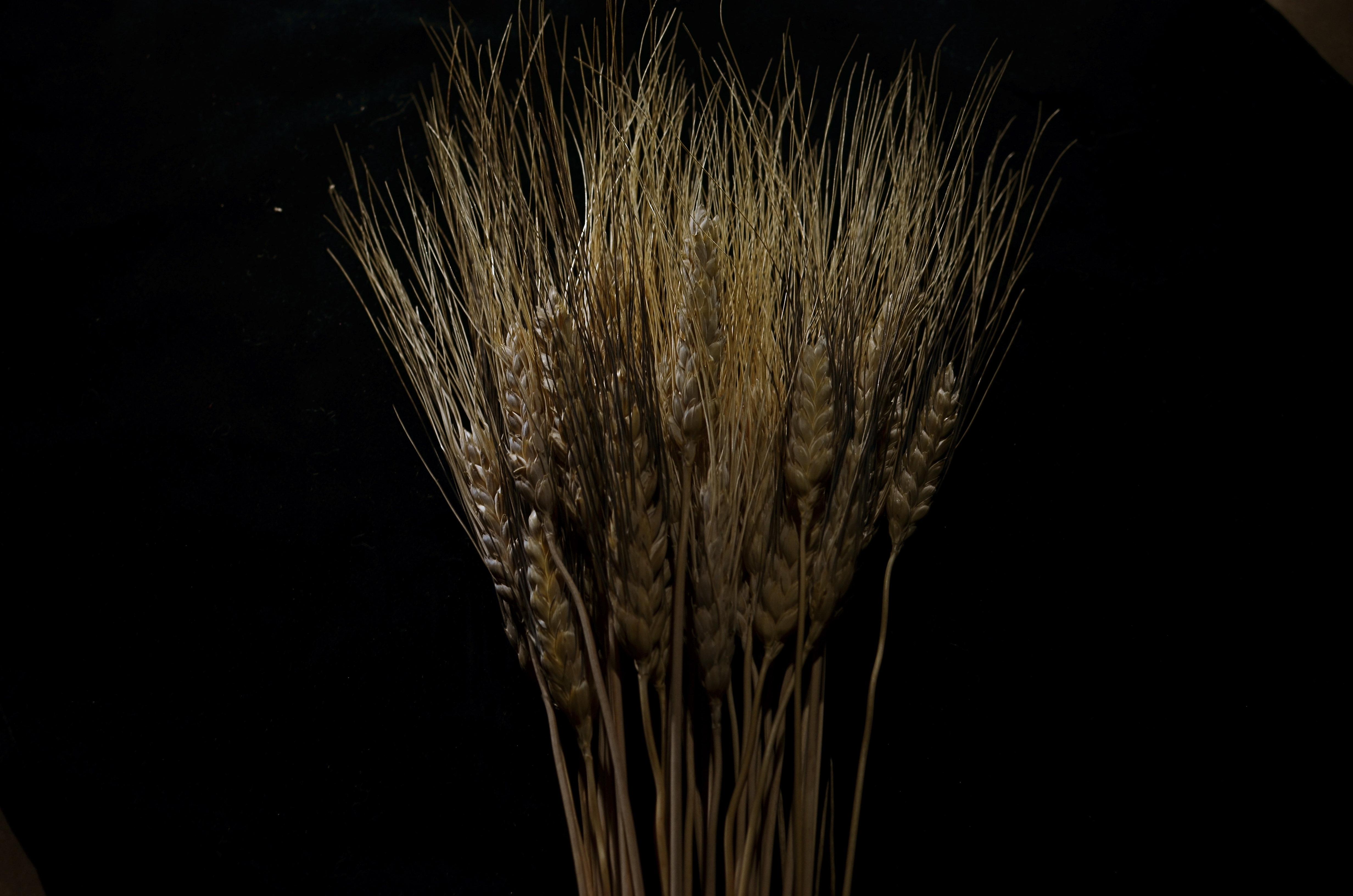
Shock-Top, 2014. Light-painted with a hand-held LED over the course of a six-second exposure, at f/5.6, ISO 100, 35mm.
To refresh, light painting refers to the selective handheld illumination of subjects for a particular look or effect. The path that your flashlight or LED takes across your subject’s contours during a tripod-mounted time exposure can vary dramatically, based on your moving your light source either right or left, arcing up or down, flickering it, or using it as a constant source. Light painting is different from the conditions of, say, a product shoot, where the idea is to supply enough light to make the image appear “normal” in a daytime orientation. Painting with light is a bit like wielding a magic wand, in that you can produce an endless number of looks as you develop your own concept of what the final image should project in terms of mood. It isn’t shooting in a “realistic” manner, which is why the best light painters can render subjects super-real, un-real, abstract or combinations of all three. Fact is, the most amazing paint-lit photos often completely violate the normal paths of natural light. And that’s fine.
In light painting, I believe that total darkness in the space surrounding your central subject is as important a compositional tool as how your subject itself is arranged. As a strong contrast, it calls immediate and total attention to what you choose to illuminate. I also think that the grain, texture and dimensional quality of the subject can be drastically changed by altering which parts of it are lit, as in the shock of wheat seen here. In daylight, half of the plant’s detail can be lost in a kind of brown neutrality, but, when light painted, its filaments, blossoms and staffs all relate boldly to each other in fresh ways; the language of light and shadow has been re-ordered. Pictorially, it becomes a more complex object. It’s actually freed from the restraints of looking “real” or “normal”.
Developed beyond its initial novelty, light painting isn’t an effect or a gimmick. It’s another technique for shaping light, which is really our aim anytime we take off our lens caps.
EYE ON THE STARS
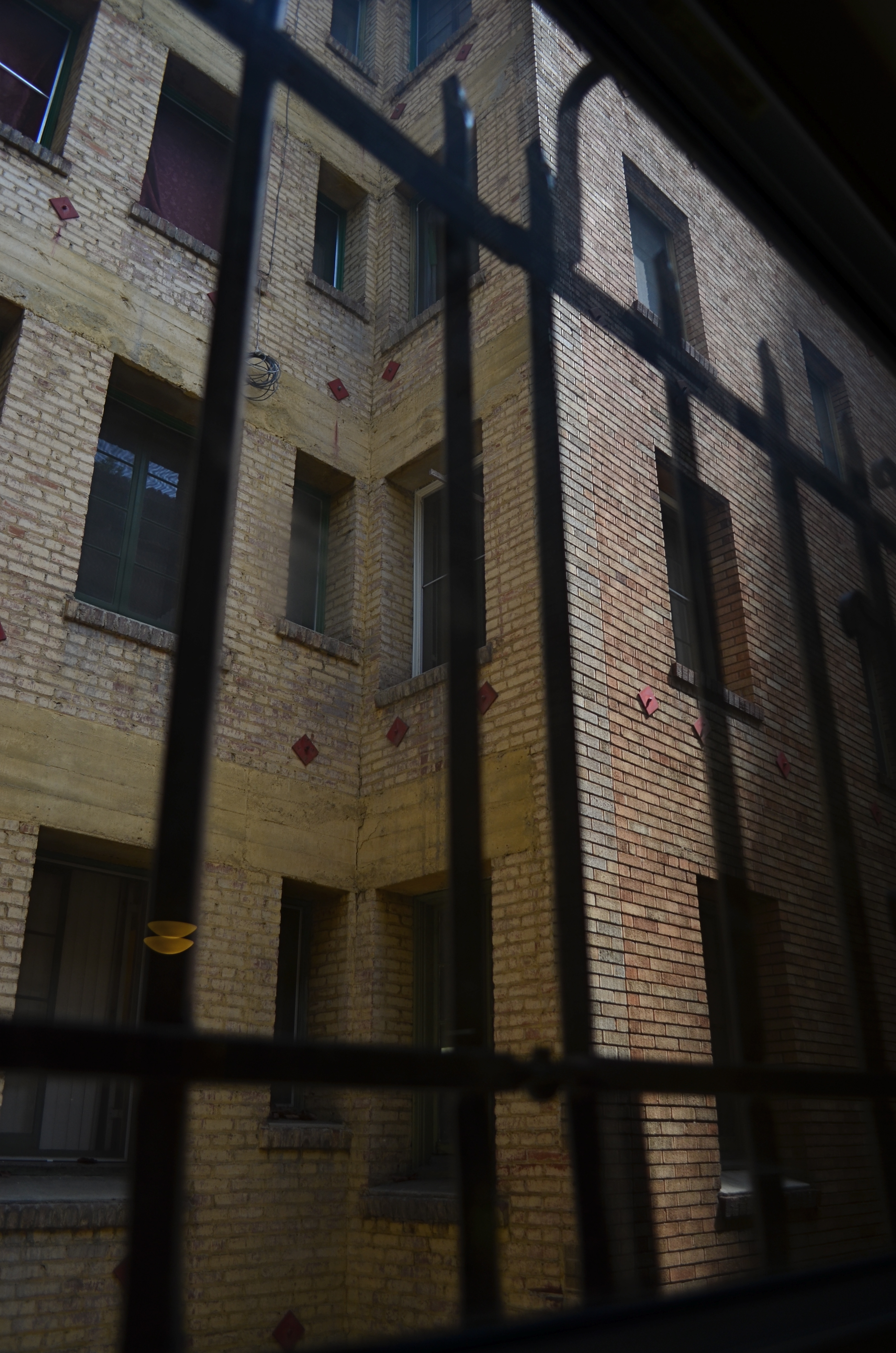
Is this an image of hope or despair? Depends on how it’s conceived and executed.
By MICHAEL PERKINS
Two men looked out from prison bars; one saw mud, and the other saw stars.–proverb attributed to Dale Carnegie
PHOTOGRAPHY WAS ONLY SEVERAL DECADES OLD WHEN IT WAS FIRST PRESSED INTO SERVICE to chronicle the world’s great comings and goings. The 19th century’s primitive print technology delayed the arrival of news photographs in the popular press for a while, but, once rotogravures and other methods caught up with the camera, the dizzying daily mix of wars, crimes, fancies and foibles that we call news began to be “illustrated” by photos, and we have never looked back since. If photography has a mission in the world, we came to believe, it is to use its unblinking eye to catch humanity in the act of behaving, well, like humanity. That reportorial bent, born in the 1800’s, still places a similar burden, by extension, on all photographers. We are supposed to Reveal The Facts, Get At The Truth, and Bear Witness.
So-called “street photography” has its roots in the works of crusading pioneers like Jacob Riis, the reporter turned photographer whose stark depiction of Manhattan slum life in the book How The Other Half Lives moved fellow reformers like Teddy Roosevelt to take action against that city’s brutal poverty. All these decades later, we place a certain trust in images that show the seamier or harsher side of life. Even those of us who aren’t officially campaigning to make the world a better place click off millions of “real” images of gritty cities, abandoned people, or hopeless conditions. We tend to regard these images as more authentic than the ones we create of things that poetic, or beautiful.
But this is a flawed viewpoint. We can, if we choose, look through the bars and see only the mud. But that doesn’t mean that marveling at the stars is any less important, or that beholding the beautiful is somehow a frivolous or non-serious pursuit. In fact, we need beauty to keep our souls from being crushed and rendering ourselves useless to do anything noble or good. Beauty is a template, a blueprint for the fulfillment of life, and we can’t even measure how far we’ve wandered toward the mud unless we know the distance we are from the stars.
Photography is “for” beauty, just as it is “for” everything else in human experience. We can, and should, be moved by cracked windows and wrecked alleys, to be sure, but it is our knowledge of the lark and the mountain that remind us why ugliness offends us. The fuller we are as humans, the better we are as photographers.
Don’t ignore the mud. That would be stupid. But keep your eyes, both yours and your camera’s, on the stars as well.
WHAT SIZE STORY?
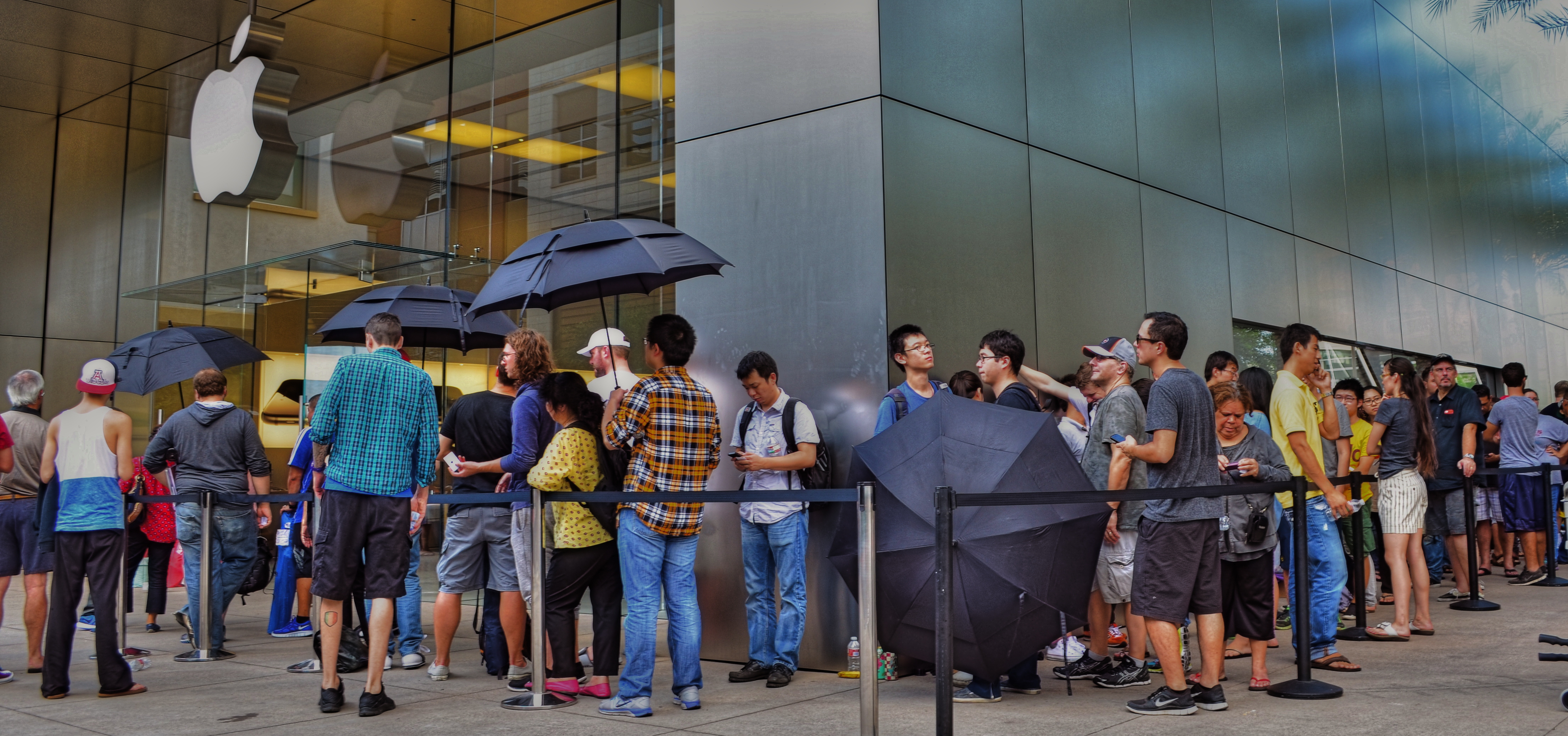
iPhone 6 debut at Apple Store in Scottsdale, Arizona, September 19, 2014. Sometimes the story is “the crowd…”
By MICHAEL PERKINS
IN THE EARLY 1950’s, AS TELEVISION FIRST BLINKED INTO LIFE ACROSS AMERICA, storytelling in film began to divide into two very clearly defined camps. In theatres, desperate to retain some of the rats who were deserting their sinking ships to bathe in cathode rays at home, movie studios went for stories that were too big to be contained by the little screen, and almost too big for theatres. You remember the wider-than-thou days of Cinemascope, VistaVision, Todd-Ao, Cinerama and Super-Panavision, as well as the red-green cardboard glasses of 3-D’s first big surge, and the eye-poking wonders of House Of Wax, Creature From The Black Lagoon and Bwana Devil. Theatres were Smell-O-Vision, True Stereophonic Reproduction and bright choruses of Let’s Go Out To The Lobby sung by dancing hot dogs and gaily tripping soda cups. Theatres was Big.
The other stories, the TV stories, were small, intimate, personal, compact enough to cram into our 9-inch Philcos. Tight two-shots of actors’ heads and cardboard sets in live studios. It was Playhouse 90 and Sylvania Theatre and The Hallmark Hall Of Fame. Minus the 3,000 Roman extras and chariot races, we got Marty, Requiem For A Heavyweight, and On The Waterfront. Little stories of “nobodies” with big impact. Life, zoomed in.
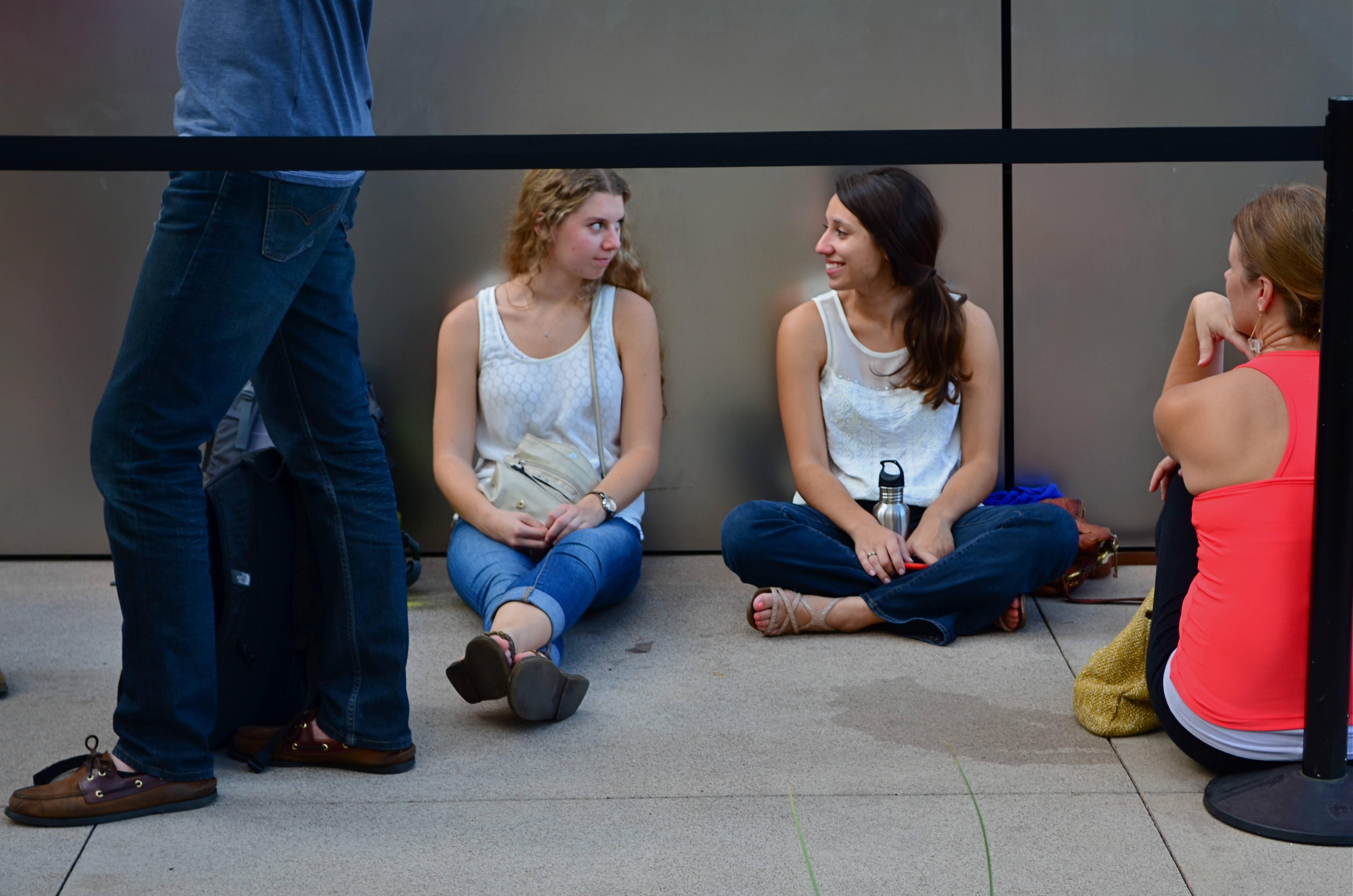
…but, within that crowd, there are “little” stories.
For photographers, pro or no, many stories can be told either in wide-angle or tight shot. Overall effect or personal impact. You can write your own book on whether the entire building ablaze is more compelling than the little girl on the sidewalk hoping her dog got out all right. Immense loads of dead trees have been expended to explore, in print, where the framing should happen in a story to produce shock, awe or a quick smile. I like to shoot everything every way I can think of, especially if the event readily presents more than one angle to me.
The release of the new iPhone 6, which dropped worldwide today, is a big story, of course, but it consists of a lot of little ones strung together. Walk the line of the faithful waiting to show their golden Wonka ticket to gain admission to the Church of Steve and you see a cross-section of humankind represented in the ranks. Big things do that to us; rallies, riots, parties, flashmobs, funerals….the big story happens once a lot of little stories cluster in to comprise it.
Simply pick the story you like.
Remember, just like the phone, they come in two sizes.
THE EYES (DON’T NECESSARILY) HAVE IT
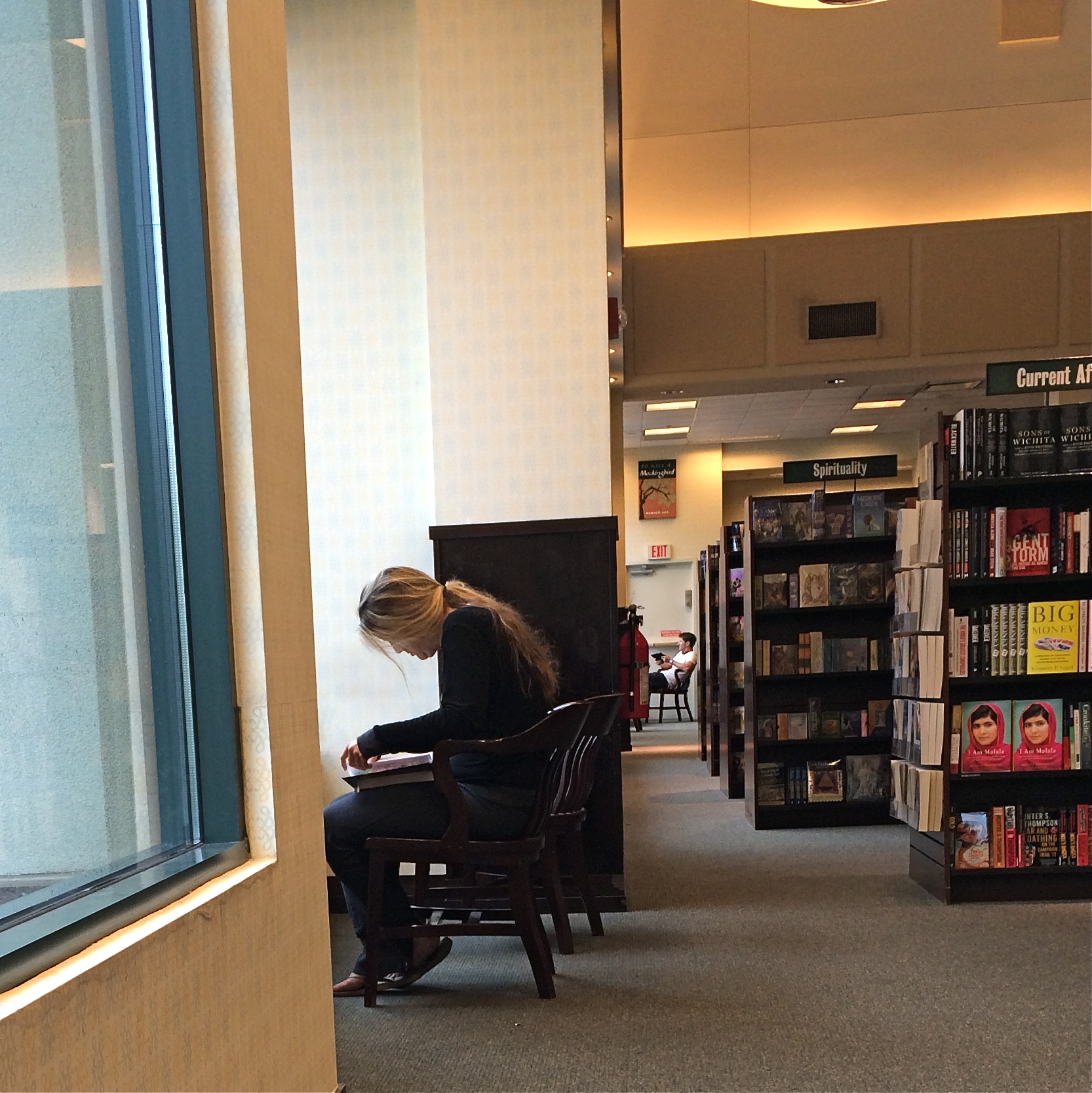
Reverie, 2014.
By MICHAEL PERKINS
A QUICK GOOGLING OF THE PHOTOGRAPHIC UNIVERSE THESE DAYS will turn up a number of sites dedicated to “faceless portraits”, if there can, strictly speaking, be such a thing (and I believe there can). In a recent post entitled Private, Not Impersonal, I explored the phenomenon in which photographers, absent the features that most easily chronicle their subjects’ personalities, imply them, merely through body language, composition, or lighting. At the time I wrote the post, I was unaware how widespread the practice of faceless portraits had become. In fact, it’s something of a rage. Hmm. The very thought that, even by accident, I could be aligned with something hip, is, by turns, both terrifying and hilarious.
Thing is, photographs, as the famous curator John Szarkowki remarked, both conceal and reveal, and there is nothing about the full depiction of a human face that guarantees that you’re learning or knowing anything about the subject in frame. We are all to practiced at maintaining our respective masks for many portraits to be taken, ha ha, at face value. Cast your eye back through history and you will find dozens of compelling portraits, from Edward Steichen’s silhouettes of Rodin to Annie Leibovitz’ blurred dance photos of Diane Keaton, that preserve some precious element of humanity that a formal, face-on sitting cannot deliver. Call it mystery, for lack of a more precise word.
In the above frame, the subject whose face I myself never even saw gave me something wonderfully human, about reading in particular, but about enchantment in general. She is furiously busy discovering another world, a world the rest of us can only guess at, seeping up from her book. Her entire body is an inventory of emotional textures…of relaxation, attentiveness, of both being in the present and so completely someplace else. Framing her to include the negative spaces of the window, the carpet and the wider bookstore isolate her further from us, but not in a negative way. She wants to be apart; she is on a journey.
My “girl with the flaxen hair” was unaware of me, and I shot furtively and quickly to make sure I didn’t break the spell she was under. It was the least I could do in gratitude for a chance to witness her adventure. Looking back, I think she provided more than enough magic without revealing a single fragment of her face. Seeing is selecting, and I had been given all I needed to do both.
Click and be gone.
 thenormaleye