
Modern art lenses allow different parts of objects that are all in one focal plane to be selectively blurred.
By MICHAEL PERKINS
I’M INCREASINGLY FASCINATED BY PHOTOGRAPHS THAT SUPPRESS INFORMATION, choosing to selectively conceal details rather than merely delineate everything in the frame in the same exhaustively sharp detail. At the same time, I hate it when this technique is referred to as being “painterly”, as if, after all this time, photos are still striving for the same pedigree that daubers automatically inherit merely by picking up a brush. Photographs are not, and should not try to be, paintings, just as a shoe should not try to pass as a glove. Love the function of the art you have, and leave the mimicry to the mockingbirds.
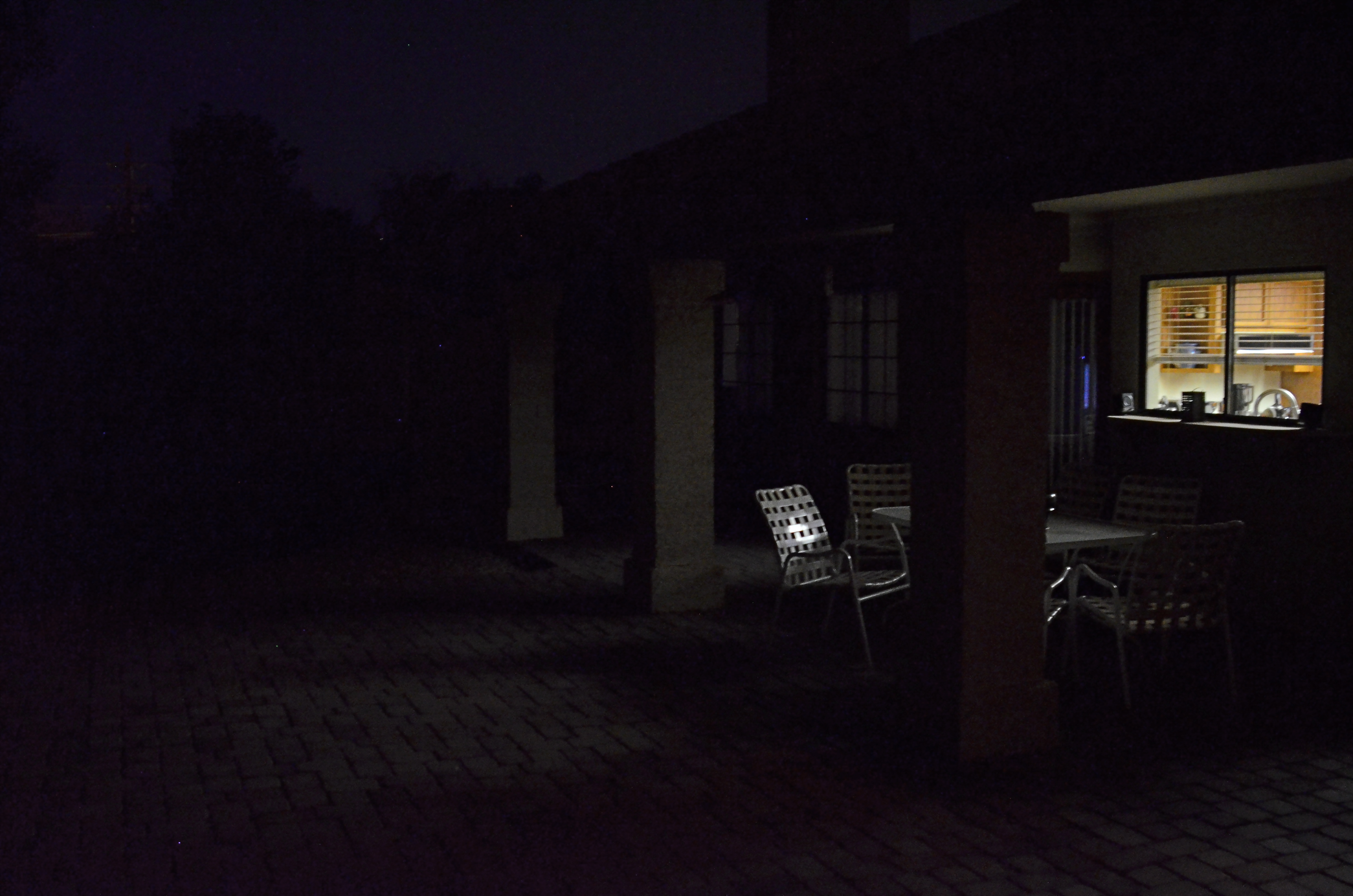
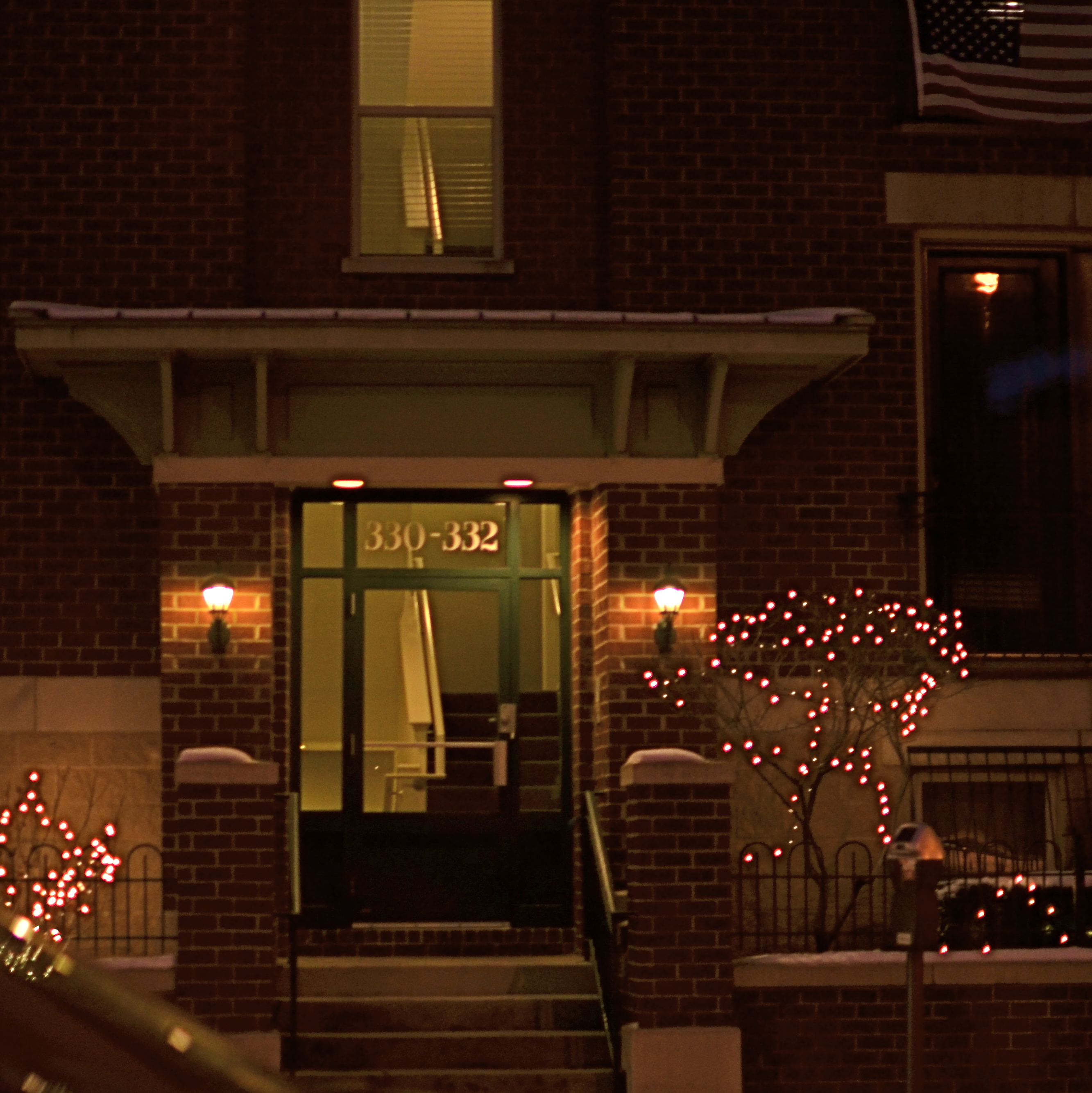
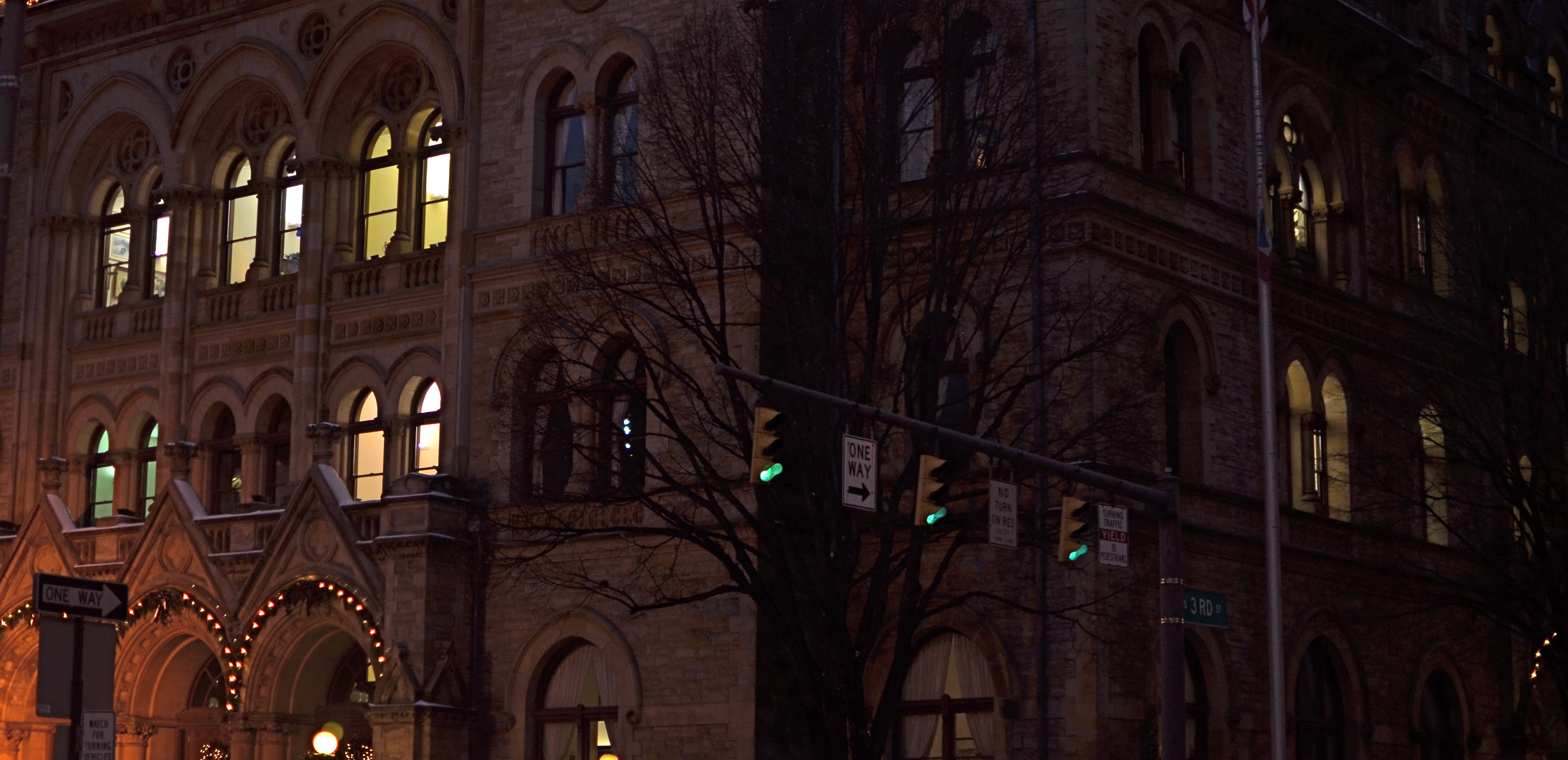
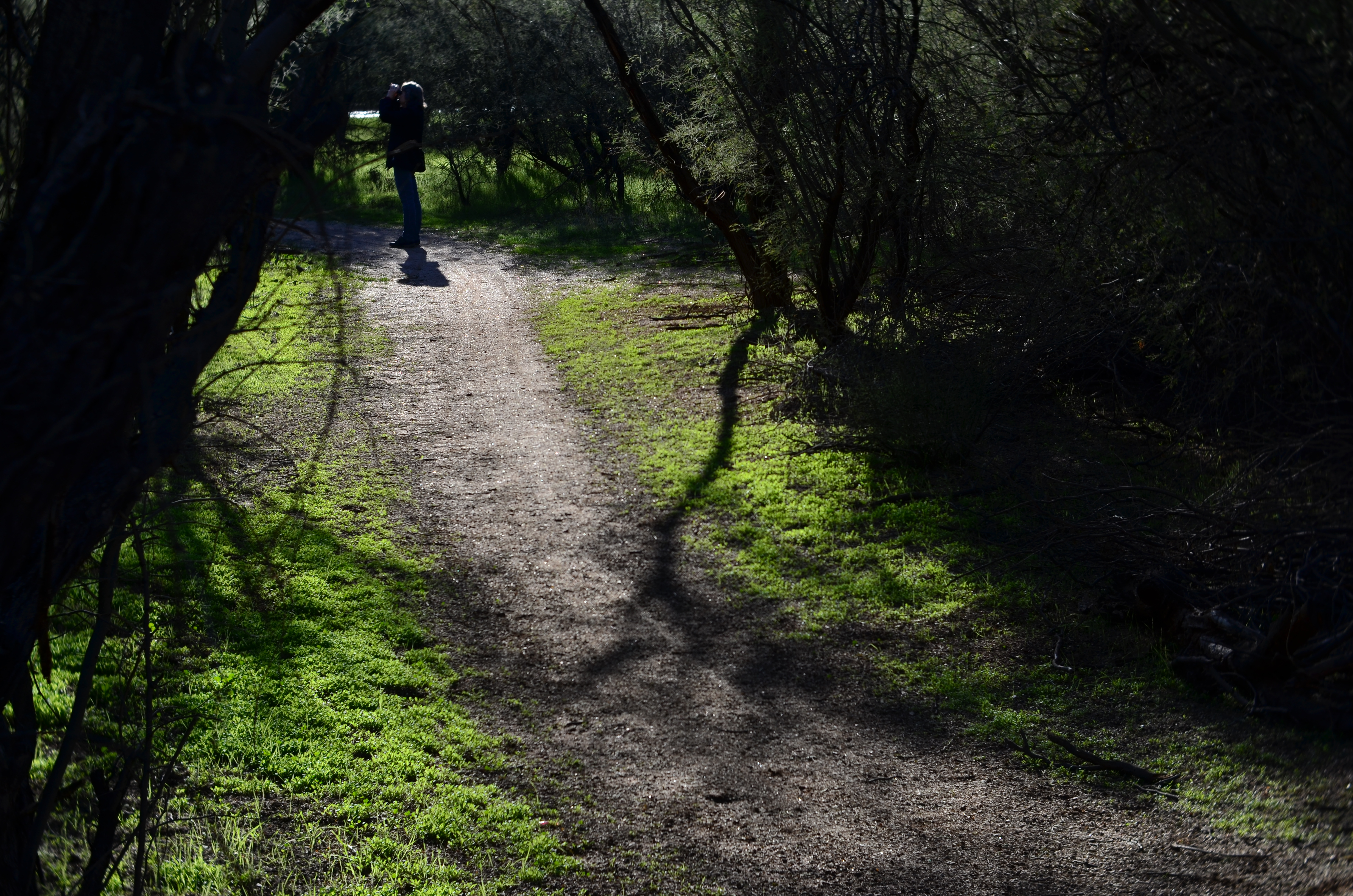
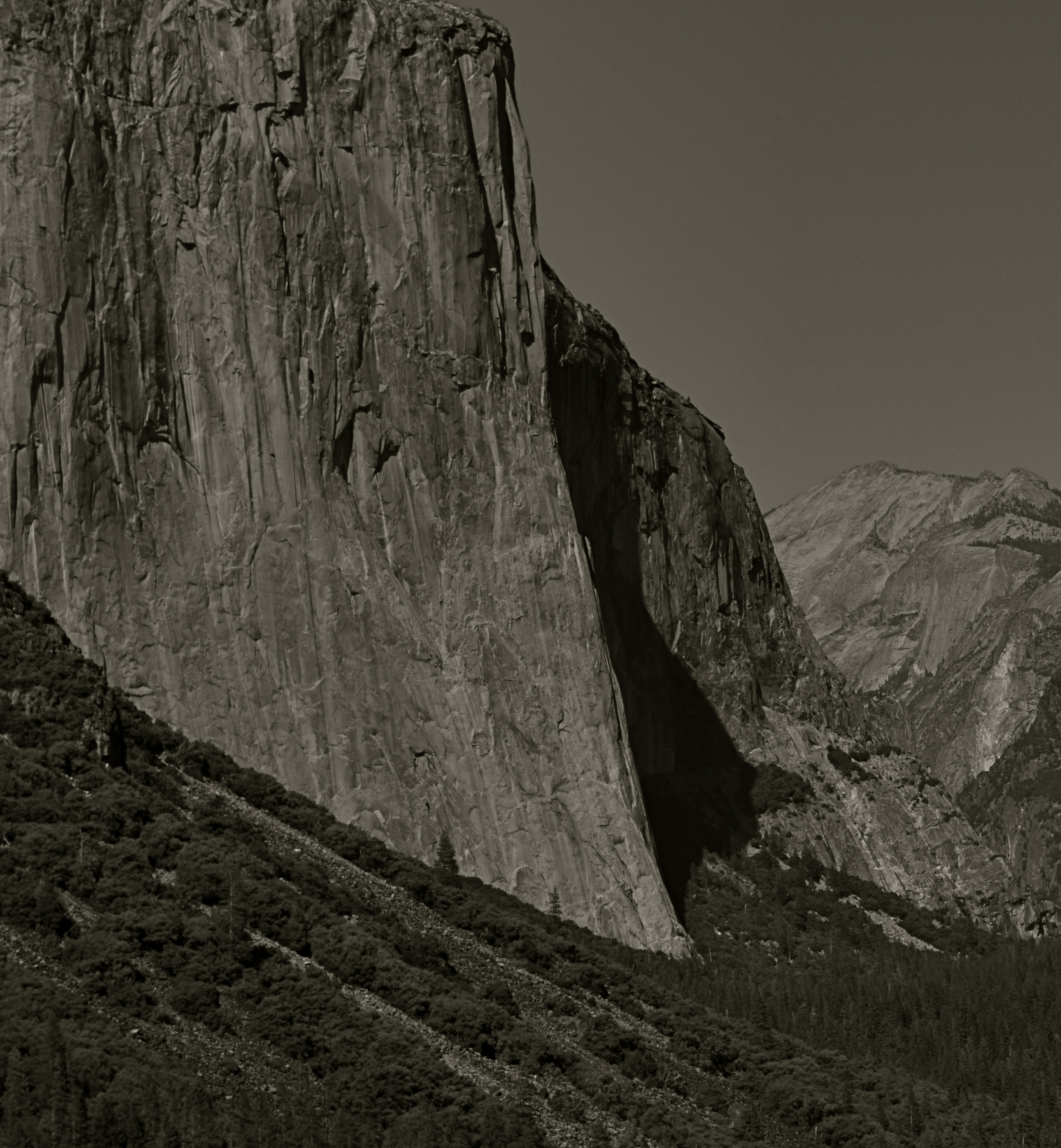
The “painterly” tag used to be tied mainly to anyone shrouding their images in shadow, as if we were all bucking to be the next Rembrandt or Reubens. And certainly the use of darkness in photography creates a kind of mysterious minimalism, telling more by showing less. We linger over what’s left out of a photo, and the deliberate subtraction of detail simplifies a composition to its barest terms. When there is less to see, you eye goes like a laser to what remains. It’s a big, bright “this way, dummy” arrow pointing toward the heart of the picture.
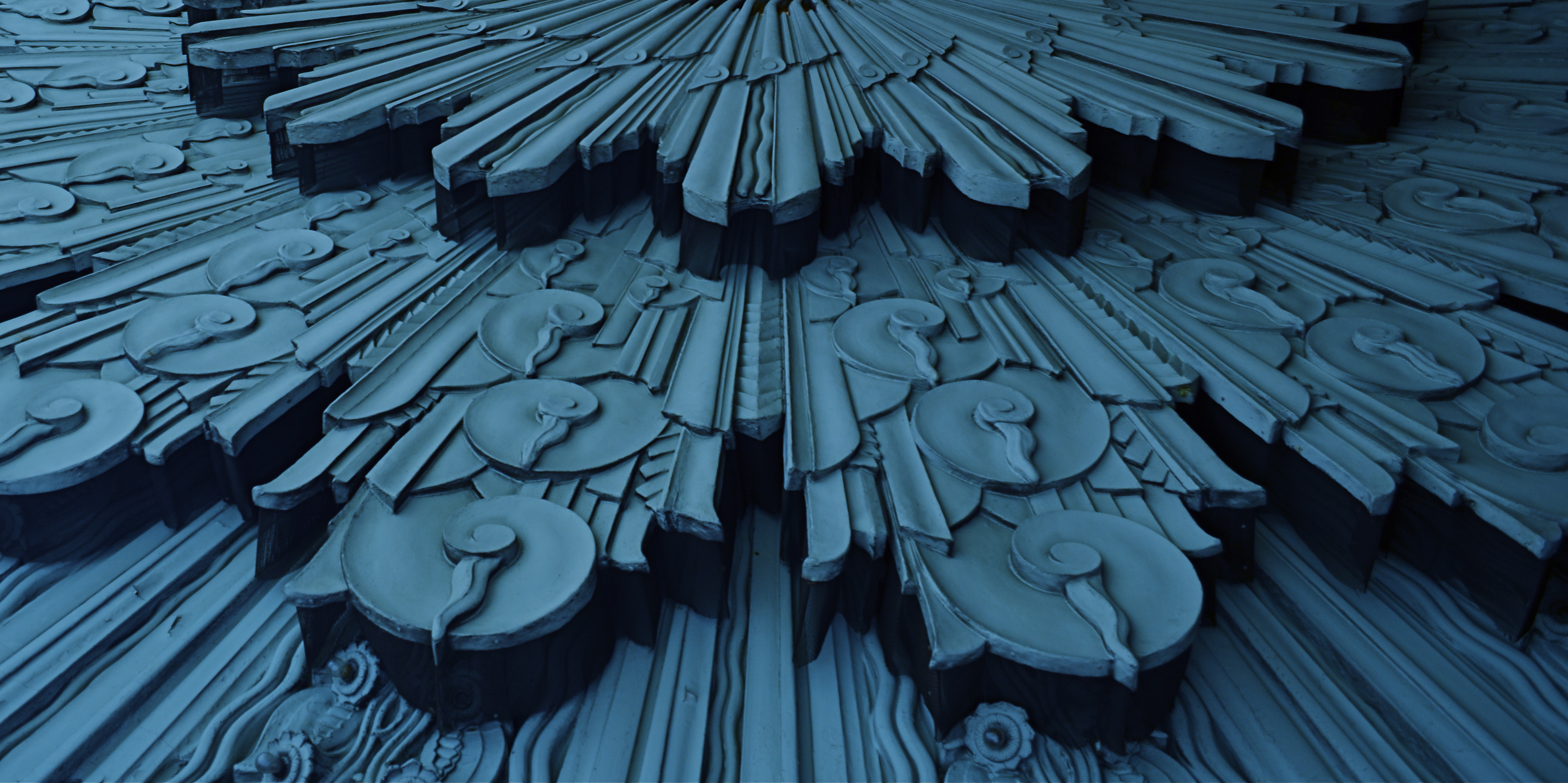
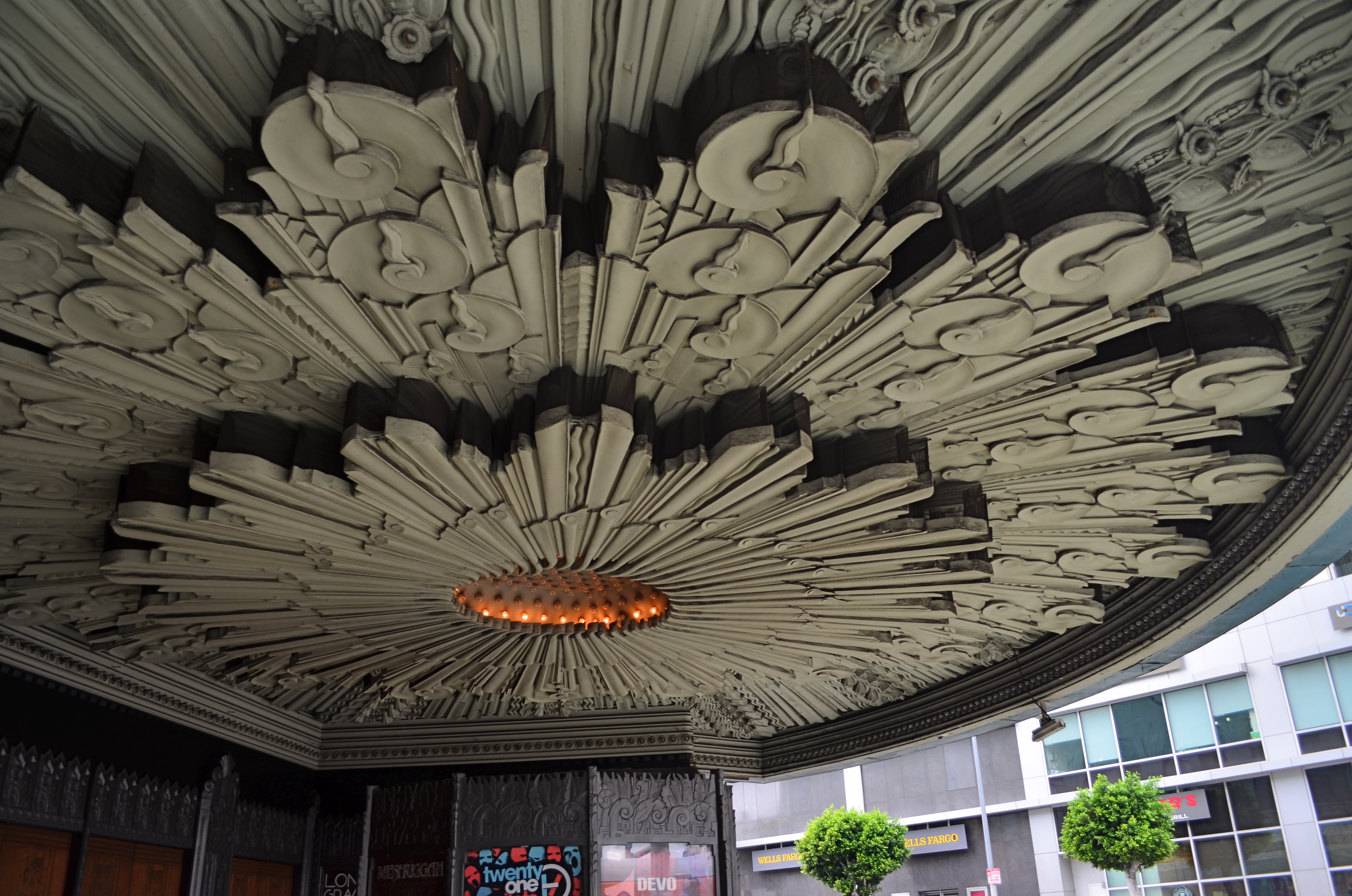
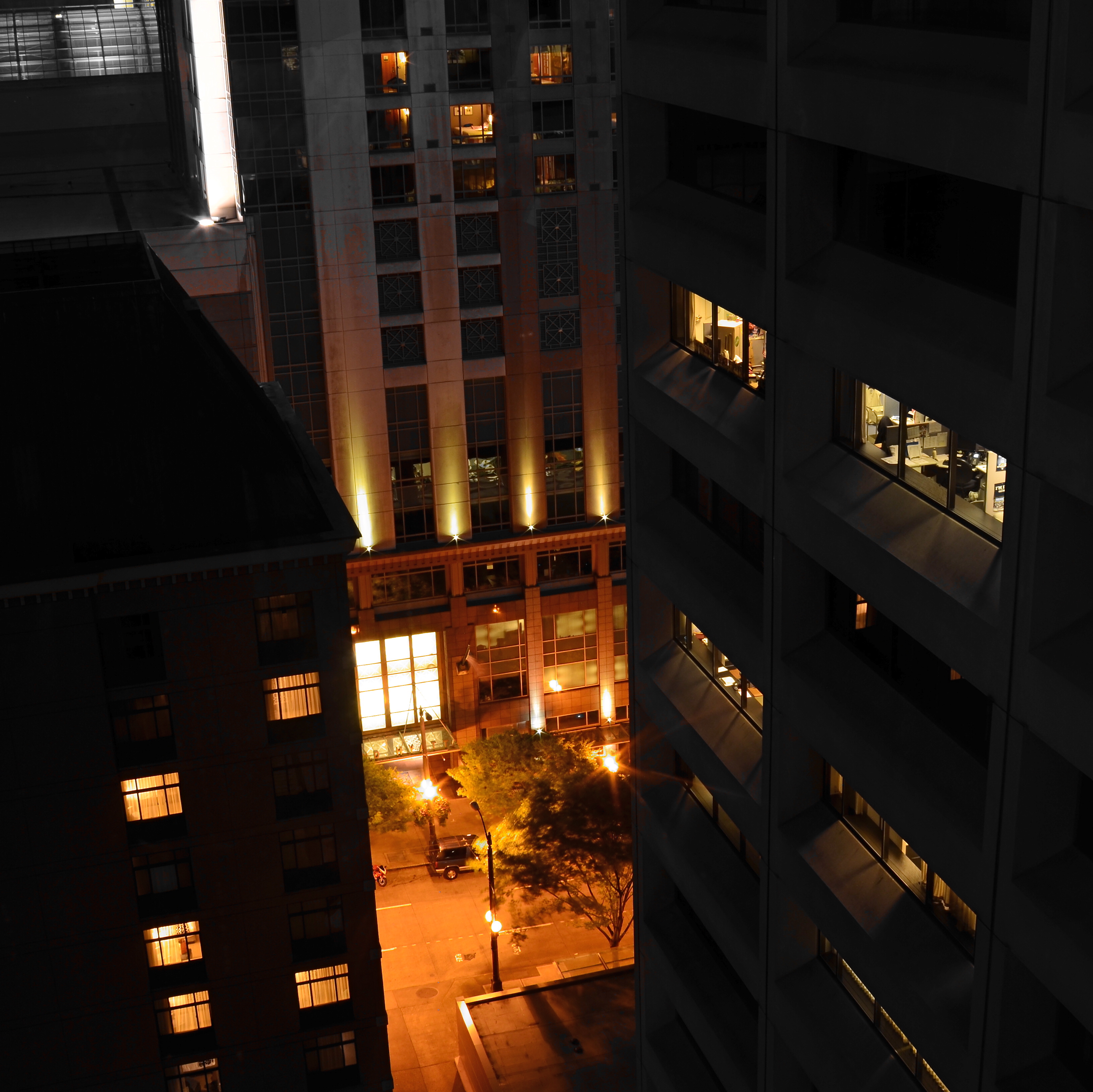
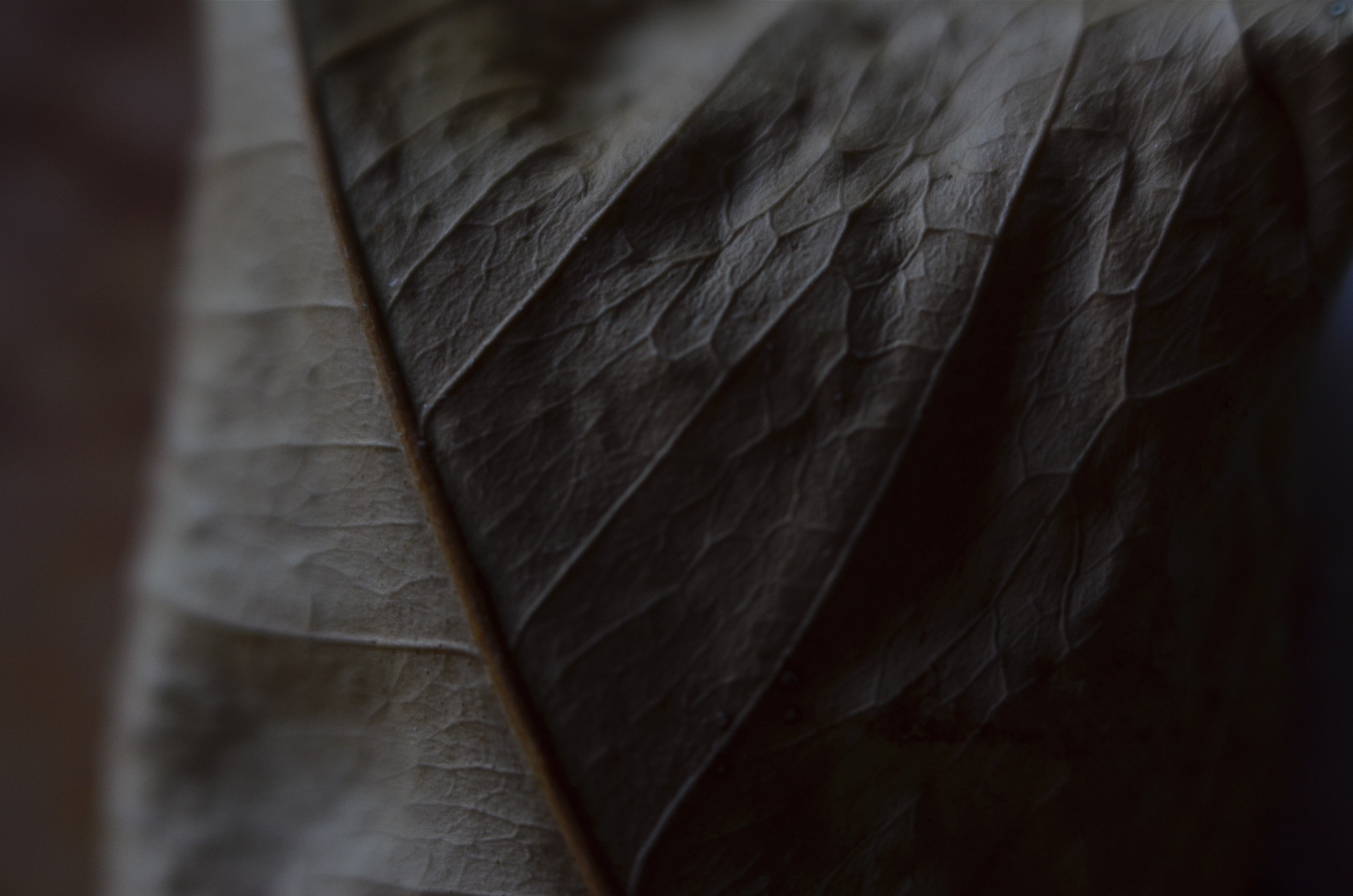
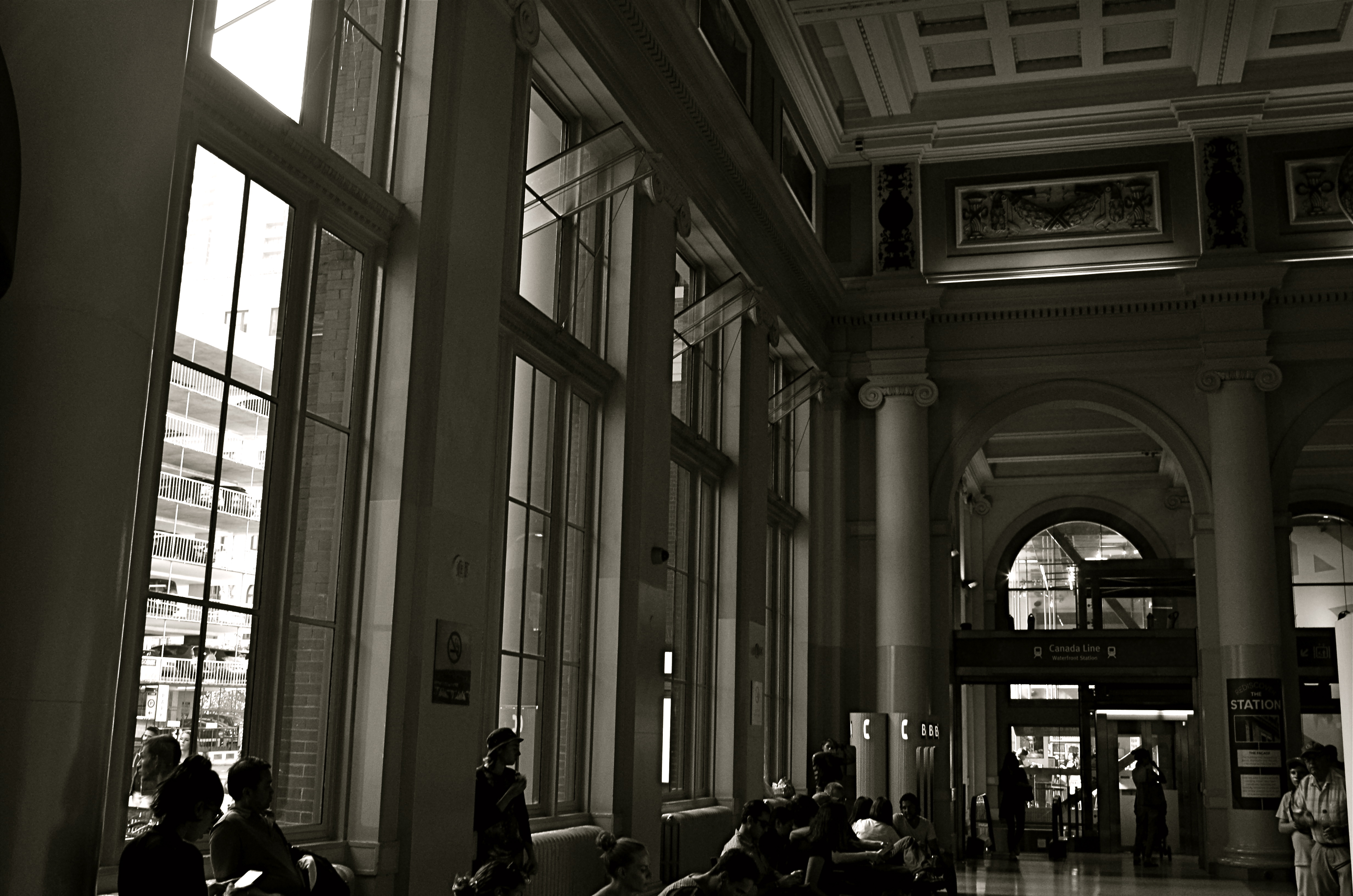
In the same way, the current wave of photographers are using blur to punch up the impact of images. Any Google search of the phrase “blur my photos” unearths a wellspring of apps that allow any part of any frame to be selectively de-focused, in most cases (as happens with apps) after the picture is taken. Long regarded as the stuff of artifact or accident, blur is now being arranged, managed, and chosen as a tool to remove distracting detail from compositions, or to render them softer and more intimate. In the above image, separate elements of the structure, all of which lie generally in the same focal plane, can be selectively softened so that one can become dominant, while the other is abstracted. This particular shot is done with a Lensbaby Sweet 35 lens, which allows the “sweet spot” of focus to be rotated to any location the shooter desires, although there are many paths to similar results.
Both apps and lenses, which include newly reworked versions of old optics, offer a return to the randomness from which early photographers longed to escape. Lomography, the revival of flawed and cheap cameras from the film era, actually touts blur as a strength, an arty accent much to be desired. To be totally counter-intuitive about it, blur is edgy. Of course, some blur is just another kind of visual noise, and if it’s applied too carelessly or too much, it actually pulls the eye away from the main message of a picture. However, it’s thrilling just to see the sheer breadth of approaches that are suddenly available everywhere, most of them cheap, fast and easy. Blur can “sharpen” a picture just like darkness can “illuminate” one. It’s the new shadow.




 thenormaleye
I’VE JUST SEEN A FACE
Am I this person? Do I know this guy? Am I getting him “right”?
By MICHAEL PERKINS
…..through his nightmare vision, he sees nothing…..blind with the beggar’s mind, he is but a stranger to himself –Winwood/Capaldi
GRINNING, FRIENDLY LIARS: that’s what most of us are when offering up a socially amenable mask for public conception as a photographic portrait. It’s the facial equivalent of “putting your best foot forward”, an official version of someone who possesses our features but is as different from our selves as, to quote Twain, lighting is from the lightning bug. So who should know that genuine person better, or can capture its reality more accurately than we ourselves? Right?
Or not.
We (the ultimate authority on us), are usually among the least trustworthy of narrators on our favorite subject. Many a memoir is merely a selective reconstruction of one’s past, leaking credibility at every seam. So why should our photographic self-portraits be any more reliable? We believe that we can reveal things outsiders can’t see, that our “real” face can only be shown by our own hand….that the others don’t really “get” us. But what actually happens with the insane new flood of selfies washing over the digital shores is that we merely substitute one “correct” face…the one we give to other photographers…for another, no less crafted, no less artificial. We are still trying to concoct an image that we feel is fit for public consumption. And we invariably fail.
This is hardly a new trap. Photographers have been trying to tell their own facial stories for over two centuries, sure that their interpretation of their secret selves will succeed where other chroniclers fall short. But the best self-portraits are still abstractions, momentary samples of our personality, never the personality in full. Ironically, we might make pictures of our selves that we prefer over those others make of us. Perhaps they are technically better, more deliberate, more flattering, and so forth. And maybe we like the selves we shoot better because they actually conceal what we want to remain hidden, whereas the stranger’s eye is, in fact, too penetrating for our comfort.
Contemporary solutions to this legendary conundrum know no limit. Every shooter has his or her own approach to a statement of self in an image, with some choosing to deliberately camouflage or hide themselves, and other concocting very formalized creations that mock the idea of recognition while seeming to be “real”. In Jackie Higgins’ wonderful book on alternative techniques Why It Does Not Have To Be In Focus, she argues that “faces rarely reflect the inner workings of minds”, suggesting that “there is no such thing as the unified self.” The take-home: you can’t get it right, this business of knowing and showing your own face. Does that mean the quest is unattainable? Sure.
Or not.
Share this:
Posted by Michael Perkins | February 13, 2017 | Categories: Conception, Portraits, Self-Portrait | Tags: Abstract, Commentary, Interpretation | Leave a comment