THE REVISION DRAFT
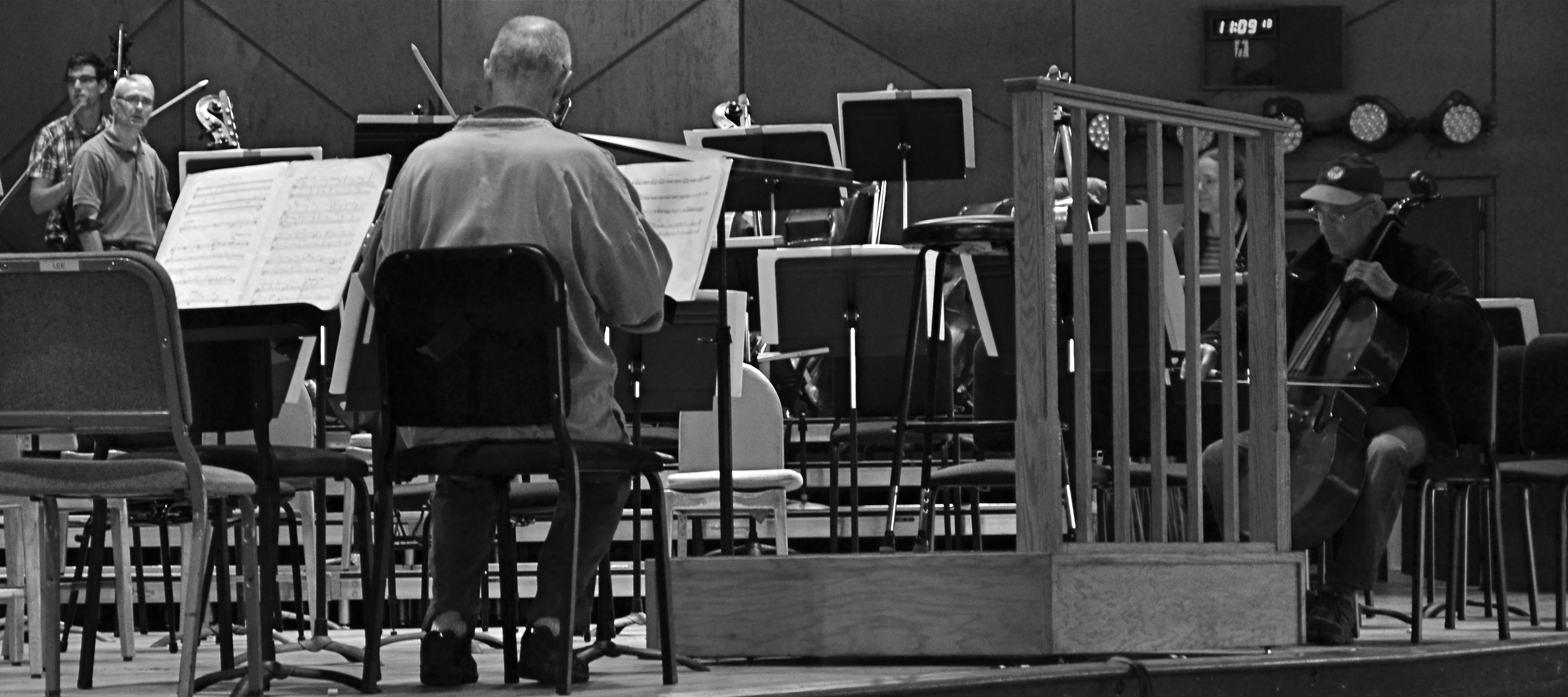
Reducing is remixing: this Tanglewood rehearsal photo was at least 2/3rds bigger in the original, but a severe crop highlights a relationship between these players that the bigger image buried.
By MICHAEL PERKINS
HERE’S A SENTENCE YOU’RE NOT GOING TO HEAR ANYWHERE ELSE THIS WEEK: Being a club DJ can actually give you a fresh viewpoint on your photography.
I’ll let that sink in.
I know what you you’re thinkin’: did he drink six shots or only five? But I’m kind of sober, and rather serious. In a club setting, the mix is often more important than the song, or, more correctly, it allows the song to have an infinite number of alternative lives, depending on what you do with the turntables. Record companies recognized this in the heyday of disco, remixing hit tracks for more thump and bump, longer edits, brass overdubs, etc. As time went on, DJs interspersed their own random elements in the moment to create their own signature blends.
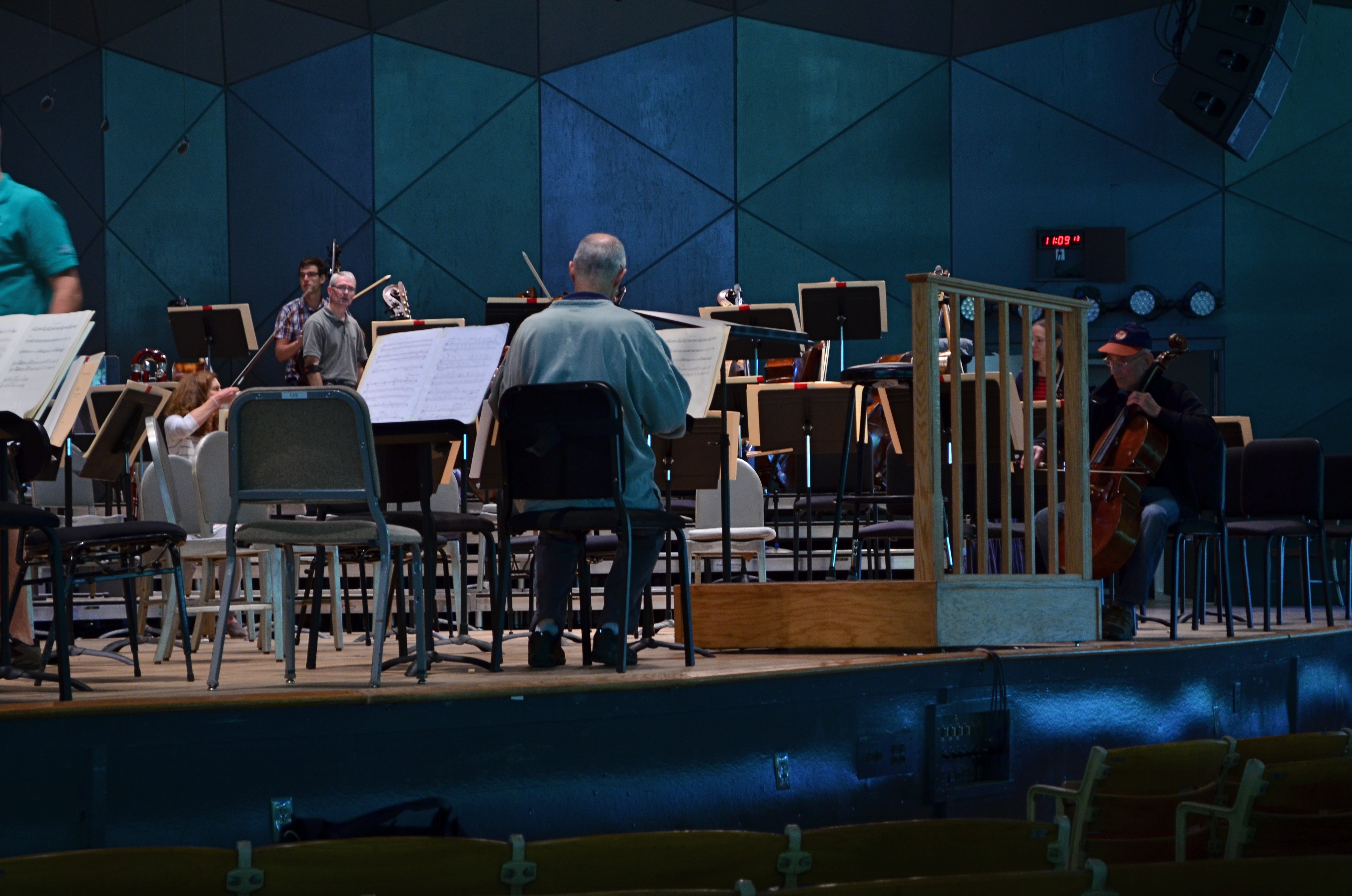
The original.
So what does this have to do with photography? Pretty much everything. In the digital era, post-production software is nearly half of some shooters’ workflow. So much emphasis is placed on what you can fix after the shutter is clicked that, for many, actually planning and taking the picture is the least important part of the process. Let’s lay aside the fact that I personally believe that this can get out of hand…..the point is, by allowing yourself the flexibility to revisit and remix a photo many times over its lifetime means you are not limiting yourself to one interpretation of what you originally created.
However, don’t keep merely to a reprocessing of the exposure or tone elements in the picture, that is, boosting color, adding filters, converting to monochrome. Think of compositional space as a remix element as well. Did you need all the real estate taken up in the original picture? Would that landscape shot work more effectively in portrait or square format? Did you originally include information in the frame that just adds clutter, sending your viewer’s eye wandering around aimlessly? In short, does your first reading of the “idea” of the picture still seem valid?
See the “after” picture at the top of the page and its “before” equivalent to the left. Did the picture gain or lose from the changes?
Another musical musing: George Gershwin personally played Rhapsody In Blue like a snappy jazz piece, not the stately symphonic standard that’s re-created by most modern performers. Does one rendition sound better or worse? Who knows? Who cares? What matters is that the process reveals different traits within the core music with every new mix. Your photographs will benefit in the same way. Just trust yourself to tinker.
YOU’RE GREAT, NOW MOVE, WILLYA?
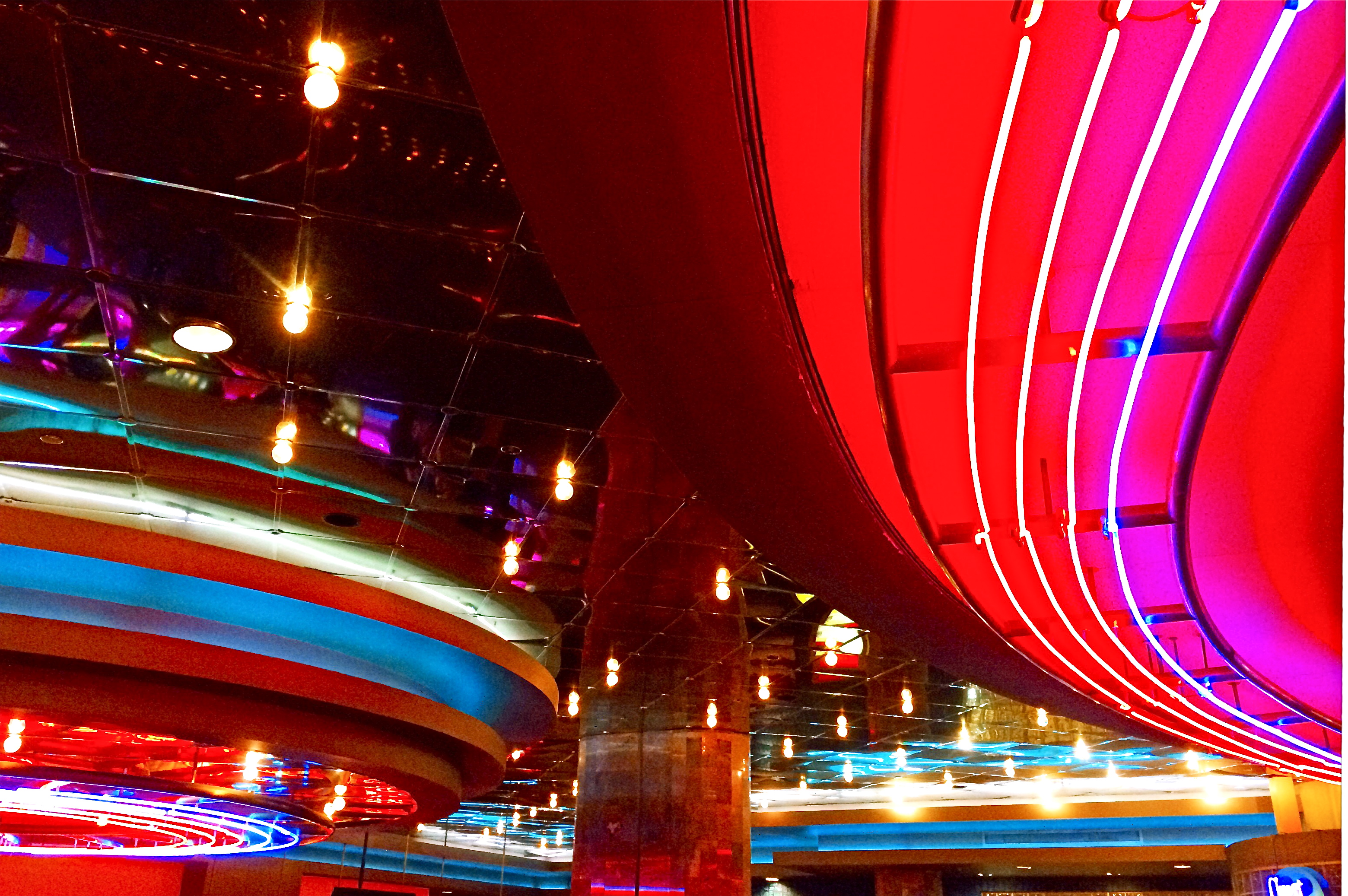
Marquee Marks, 2015. Do I need people in this to suggest urban life?
By MICHAEL PERKINS
ONE OF MY FAVORITE SONGS FROM THE ’40’s, especially when it emanates from the ruby lips of a smoking blonde in a Jessica Rabbit-type evening gown, conveys its entire message in its title: Told Ya I Love Ya, Now Get Out! The hilarious lyrics speak of a woman who acknowledges that, yeah, you’re an okay guy, but don’t get needy. No strings on me, baby. I’ll call you when I want you, doll. Until then, be a pal and take a powder.
I sometimes think of that song when looking for street images. Yes, I’m aware that the entire sweep of human drama is out there, just ripe for the picking. The highs. The lows. Thrill of victory and agony of de feet. But. I always feel as if I’m cheating the world out of all that emotional sturm und drang if I want to make images without, you know, all them people. It’s not that I’m anti-social. It’s just that compelling stuff is happening out there that occasionally only gets compromised or cluttered with humans in the frame.
Scott Kelby, the world’s biggest-selling author of photographic tutorials, spends about a dozen pages in his recent book Photo Recipes showing how to optimize travel photos by either composing around visitors or just waiting until they go away. I don’t know Scott, but his author pic always looks sunny and welcoming, as if he really loves his fellow man. And if he feels it’s cool to occasionally go far from the madding crowd, who am I to argue? There are also dozens of web how-to’s on how to, well, clean up the streets in your favorite neighborhood. All of these people are also, I am sure, decent and loving individuals.
There is some rationality to all this, apart from my basic Scrooginess. Photographically, some absolutes of abstraction or pure design just achieve their objective without using people as props. Another thing to consider is that people establish the scale of things. If you don’t want that scale, or if showing it limits the power of the image, then why have a guy strolling past the main point of interest just to make the picture “human” or, God help us, “approachable”?
Faces can create amazing stories, imparting the marvelous process of being human to complete scenes in unforgettable ways. And, sometimes, a guy walking through your shot is just a guy walking through your shot. Appreciate him. Accommodate him. And always greet him warmly:
Told ya I love ya. Now get out.
EVERYTHING IN ITS PLACE. OR NOT.
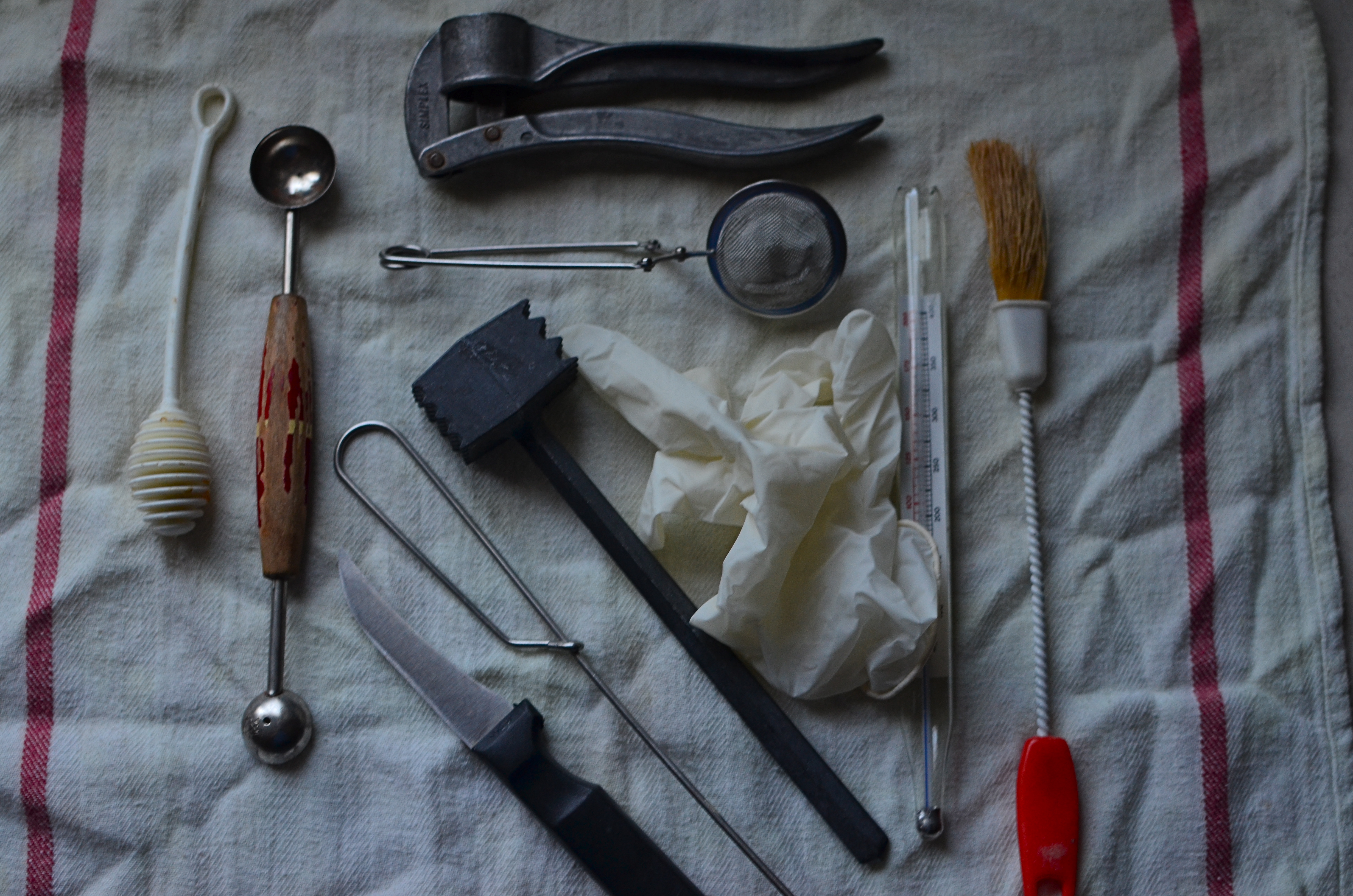
The Instrument Tray, 2015. Surgical equipment or foodie fantasy?
By MICHAEL PERKINS
PART OF THIS BUSINESS OF PHOTOGRAPHY is rifling through the accumulated habits and techniques of a still young art form and trying to not regard any of it as holy law. Relatively speaking, measured against the sprawling annals of painting and sculpture, photography has been on the planet for about a minute and a half, so it’s still not even in its adolescence. Hardly the amount of tradition that designates rules as “essential” or “unbreakable”.
This comes to mind a lot whenever I put together what I call “arrangements” but which others might refer to as “still lifes”. I get into a definition problem in referring to just any combination of inanimate things as a “still life”, since I tend to associate that term with a collection of items that suggest, you, know, a life caught in a “still”……some activity that is suggested just by looking at the objects associated with that activity.
It’s pretty obvious stuff: put together a duck decoy, a hunter’s cap, and a shotgun, and you can almost smell the marshlands where the mallards run. Shove a rubber ball, a doll and a set of blocks up against each other, and it’s “a day in the life of a child”. You don’t show the thrill of a baseball game; instead you suggest it with an antique bubble gum card, a torn stadium ticket, and a weathered ball. It’s Photography 101. When all else fails, throw three pieces of fruit in a bowl and park them next to a hunk of cheese. Inspirational.

Ho bloody hum.
By contrast, I don’t really think of what I assemble in a shot to be suggestive of a narrative in the traditional way. In fact, I have more fun shoving things up together which fight each other a little bit in terms of “why are these objects all here?” I’d rather ask the viewer to supply his/her own idea of what it’s all about instead of doing a Norman Rockwell number that leads them to an obvious association. In fact, every time I take a “typical” still life, I feel like I am making the props, instead of the photograph, supply the needed interest. It feels like set decoration.
In the above image, just as an example, I decided, for my own weird purposes, to do an alternate take on the typical surgical instrument tray, only using kitchen implements. In taking a look at the medical tools of just a century ago, many of them appear as if they are intended to peel or core instead of heal, anyway, and, similarly, some of the gimmicks in your kitchen drawer look as if they could inflict real pain. Strange? Probably. But, hey, I’m old, my mind wanders, and I’m sick of almost everything on TV. Except for that bit with Lucy and Ethel in the candy factory. Now that’s entertainment.
But I digress. Thing is,”still life” is too restrictive a term (or discipline) for lots of arrangements that you might find fascinating. Just pile stuff up and see what happens. Now, if you’ll excuse me, this composition I’ve been working on with the baby grand piano is nearly complete.
If I can just get my hands on two quarts of motor oil and a kumquat.
HAPPY OLD YEAR
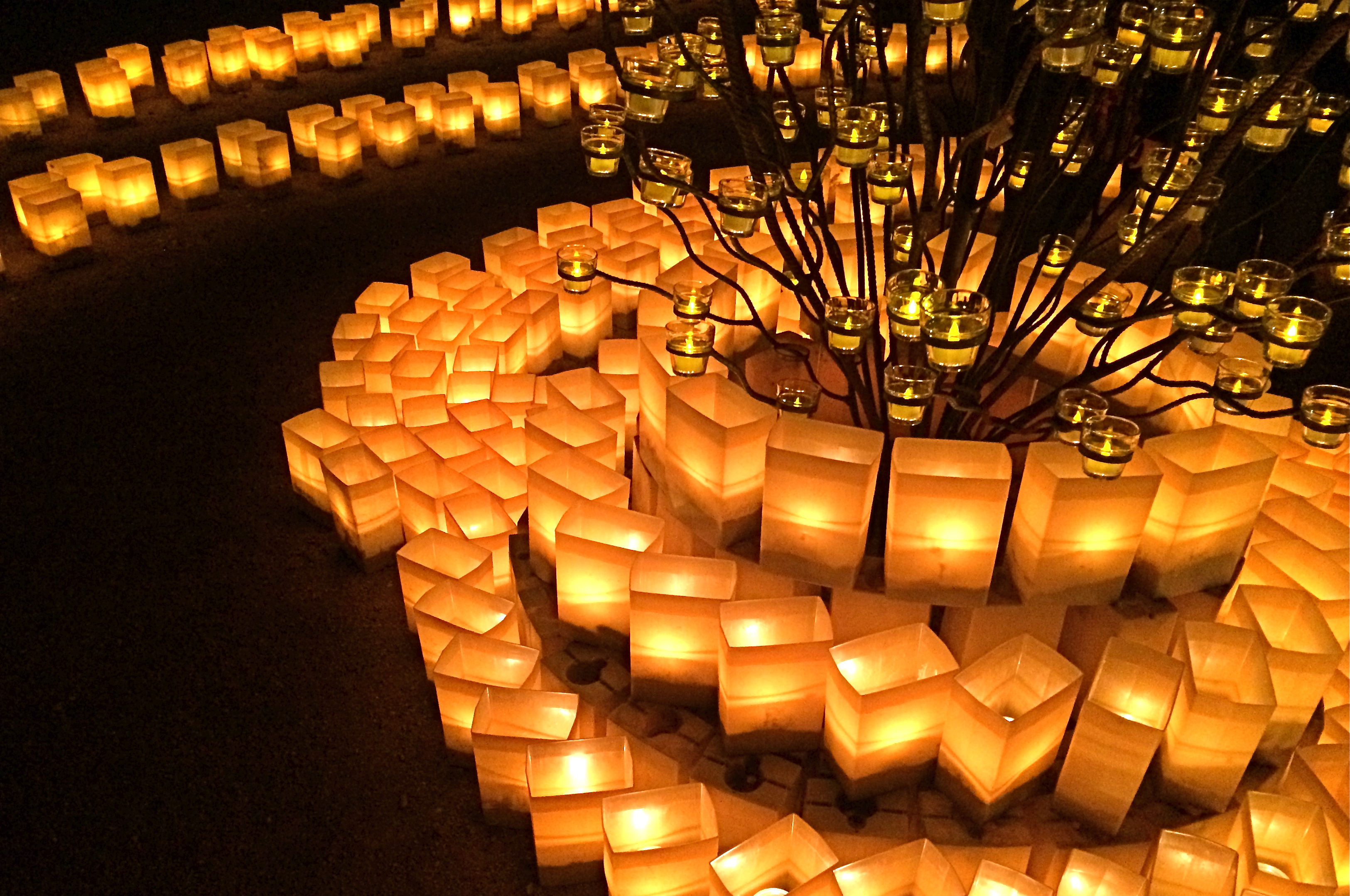
2014. Another year spent chasing the light.
By MICHAEL PERKINS
The White Rabbit put on his spectacles. ‘Where shall I begin, please your Majesty?’ he asked. ‘Begin at the beginning,’ the King said gravely, ‘and go on till you come to the end: then stop.’
IN A SIMPLER WORLD, THE KING OF HEARTS, quoted above in Lewis Carroll’s Alice’s Adventures in Wonderland, would be perfectly correct. All things being equal, the beginning would be the best place to begin. But, in photography, as in all of life, we are always coming upon a series of beginnings. Learning an art is like making a lap in Monopoly. Just when we think we are approaching our destination, we pass “Go” again, and find that one man’s finish line is another man’s starting gate. Photography is all about re-defining where we are and where we need to be. We always begin, and we never finish.
As 2014 comes to an intersection (I can’t really say ‘a close’ after all that, can I?), it’s normal to review what might be either constant, or changed, about one’s approach to making pictures. That, after all, is the stated aim of this blog, making The Normal Eye more about journey than destination. And so, all I can do in reviewing the last twelve months of opportunities or accidents is to try to identify the areas of photography that most define me at this particular juncture, and to reflect on the work that best represents those areas. This is not to say I’ve gained mastery, but rather that I’m gaining on it. If my legs hold out, I may get there yet. But don’t count on it.
The number twelve has become, then, the structure for the blog page we launch today, called (how does he think of these things?) 12 for 14. You’ll notice it as the newest gallery tab at the top of the screen. There is nothing magical about the number by itself, but I think forcing myself to edit, then edit again, until the thousands of images taken this year are winnowed down to some kind of essence is a useful, if ego-bruising, exercise. I just wanted to have one picture for each facet of photography that I find essentially important, at least in my own work, so twelve it is.
Light painting, landscape, HDR, mobile, natural light, mixed focus, portraiture, abstract composition, all these and others show up as repeating motifs in what I love in others’ images, and what I seek in my own. They are products of both random opportunity and obsessive design, divine accident and carefully executed planning. Some are narrative, others are “absolute” in that they have no formalized storytelling function. In other words, they are a year in the life of just another person who hopes to harness light, perfect his vision, and occasionally snag something magical.
So here we are at the finish line, er, the starting gate, or….well, on to the next picture. Happy New Year.
EXTENDING THE INVITATION
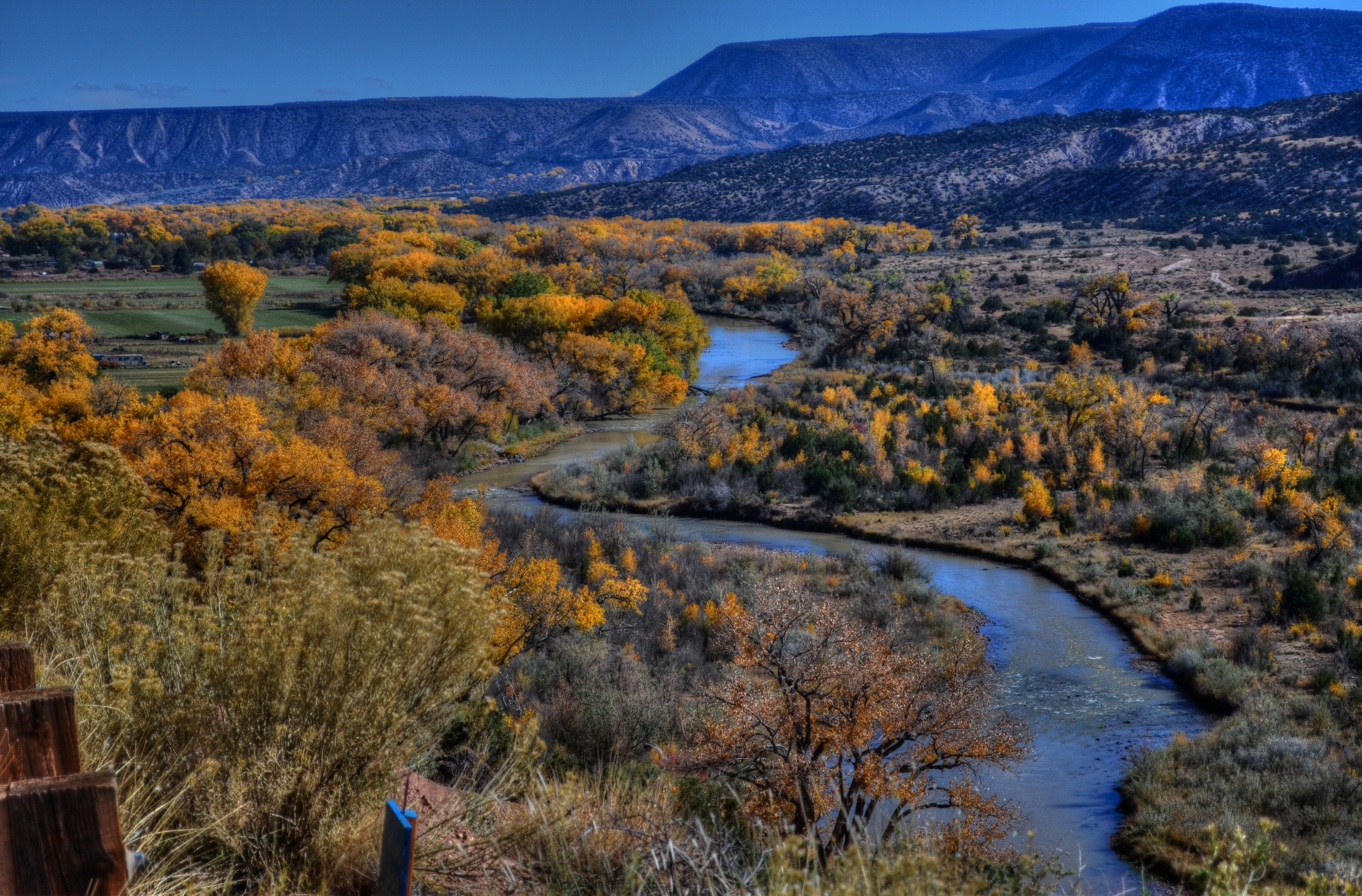
Sinuous, 2013. The river’s journey takes it, and your eyes, back “into” the picture.
By MICHAEL PERKINS
PHOTOGRAPHY AND PAINTING, DESPITE ENGAGING THEIR AUDIENCES IN VERY DIFFERENT WAYS, have retained one common aim over the centuries, at least when it comes to pictorial or scenic subjects. Both the photo and the canvas arrange their visual information on a two-dimensional surface, and both seek to draw the viewer’s eye into a depth that is largely illusionary. The cameraman and the painter both contrive to create the illusion that the distance from front to back in their works is as real as the distance from side to side.
In terms of simulating depth, some photographs benefit from both shadow and light, which alternatively “model” the information in an image, making it seem to “pop” in some faux-dimensional sense. But the best and simplest trick of composition is what we popularly term the “leading line”, information that trails from the front of the picture and pulls the viewer’s attention to an inevitable destination somewhere deeper back in the scene.
Putting a picture together this way ought to be the most automatic of instincts in the composition of a photograph, but it still is formally taught, as if it were less than obvious. In fact, it just means extending an invitation to someone to join you “in” the photograph.

Minutes Away, 2012. The girders give you a stick-straight diagonal from journey to destination.
Trails, paths, railroad tracks, lines of trees or phone poles….these are all examples of information that can start at one side of a photo and track diagonally to the “back” of the image, making the eye experience a kind of gravity, tugging it toward the place you want their gaze to end up. It is also the easiest way to force attention to a central subject of interest, sort of like inserting a big neon arrow into the frame, glowing with the words over here.
Leading lines are a landscape’s best friend, as well, since the best landscapes are arranged so that the focal point of the story is streamlined and obvious. Anyone who has ever shown too much in a landscape will tell you that what fails in the composition is that it allows the viewer to wander around the place wondering what the point of the picture is. The use of a powerful leading line gives the illusion of depth and corrals the eyes of your audience to the exact spot you need them to be for full effect.
Composition is the most democratic of photographic skills. It’s easy, it’s free, and anyone from a point-and-shooter to a Leica addict can use it effectively. Bottom line: there are great things happening in your pictures. Invite the people inside.
THE ABCs OF A.B.S.
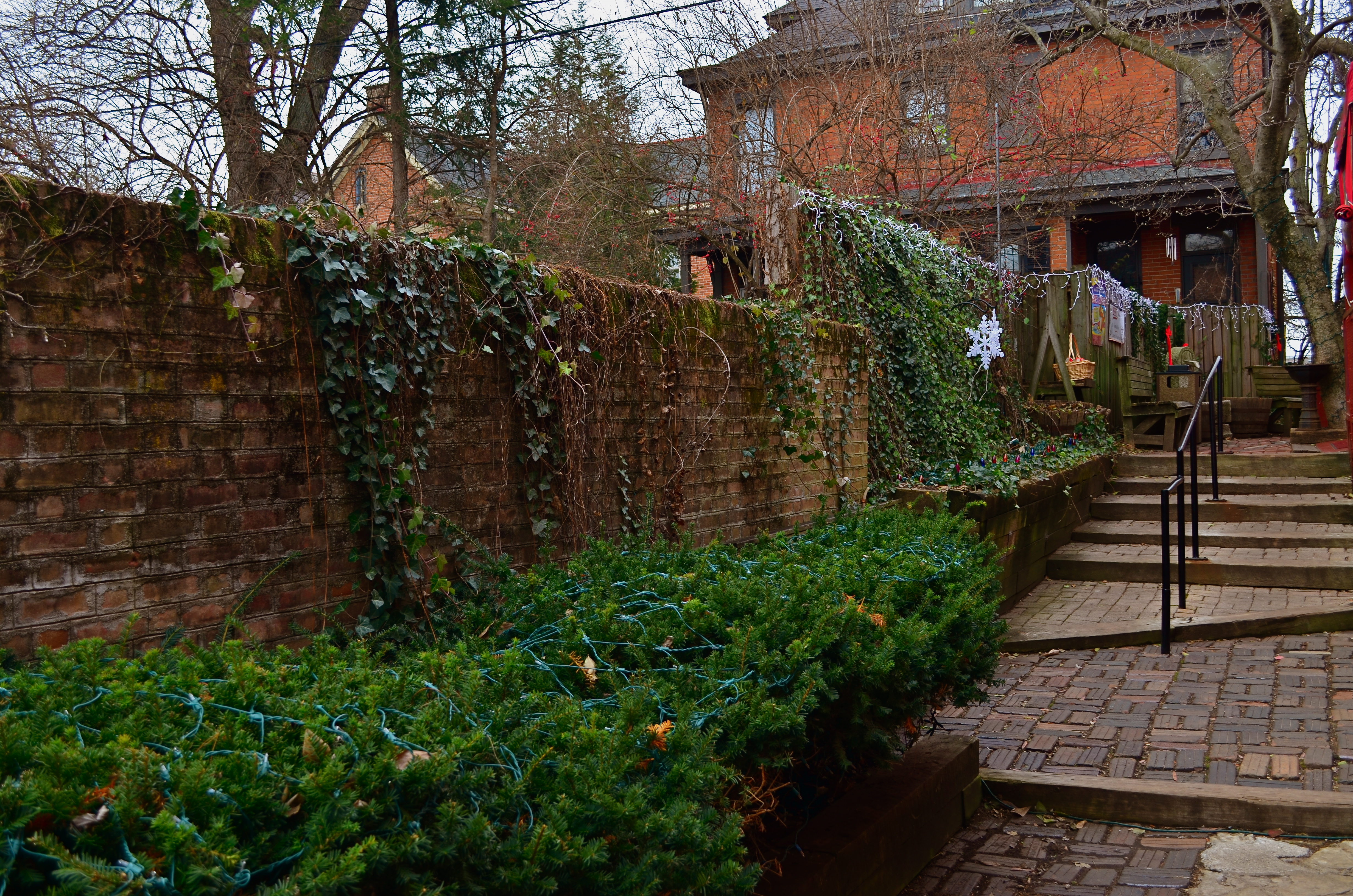
Book Loft Alley, 2014.
By MICHAEL PERKINS
THIS IS THE TIME OF YEAR, IN THE DAYS OF FILM, WHEN THE EASTMAN KODAK COMPANY used to see a predictable surge in their annual sales, all tied to our ties to our loved ones. Each holiday season, the world’s biggest manufacturer of film reminded us that cameras were not only a great gift idea, they were the most important thing to be found under our respective Christmas trees. Their tremendously successful “Open Me First” ad campaign said it all: we couldn’t begin to truly experience all that family-centric holiday joy without a Kodak camera on hand to capture every giggle of surprise. The message was: shoot a lot of film. And if that doesn’t perfectly capture the perfect season, shoot more.
Ironically, it was the near death of film that finally freed us up from the single biggest constraint on our photographic freedom, that being the constraint of cost. Digital media, and the ease and ubiquity of cameras of all price points finally have freed the non-pros and the non-rich, making the admonition Always Be Shooting much more irresistibly urgent. We can afford miscalculations. We can afford do-overs. We can fix our worst mistakes without converting a hall bathroom into Dad’s Wide, Weird World Of Chemicals. We can gradually develop a concept over many “takes”, and we can salvage more of those visions. We can win more often.
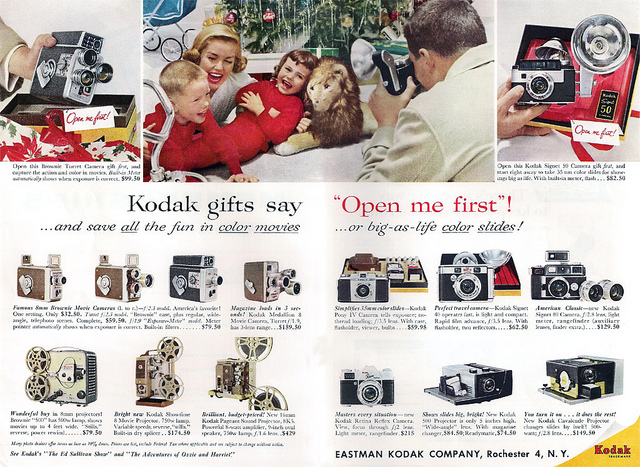
Kodak taught us that “real” holiday memories only began after their cameras were unwrapped.
The great photographer Ernest Haas once exhorted his students to “look for the ‘a-ha’ moment”, which meant not to be content with the first, or even the fifth framing of an idea in your viewfinder (okay, display screen). Asked in a lecture what the best wide-angle lens was, he quipped “two steps backward”, meaning that your best solution to a so-called technical problem is actually within yourself. Change your view, and change the outcome. The shot at the top of this post, as one example, only came at the end of ten other attempts at the same scene, all shot within a few minutes’ time. In the days of film, I would have had to settle for a much earlier version. I simply wouldn’t have kept clicking long enough to realize what I wanted from the subject.
Always Be Shooting doesn’t mean just clicking away madly, hoping that a jewel will magically emerge from a random batch of frames. It means keeping yourself in seeking mode long enough for ideas to emerge, then shooting beyond that to get those ideas right. Film made it possible to all of us to dream of capturing great memories. But it is the end of film that makes it possible for us to refine more of those memories before all those fleeting smiles have a chance to fade out of our reach.
PRESERVING THE PERCEPTION
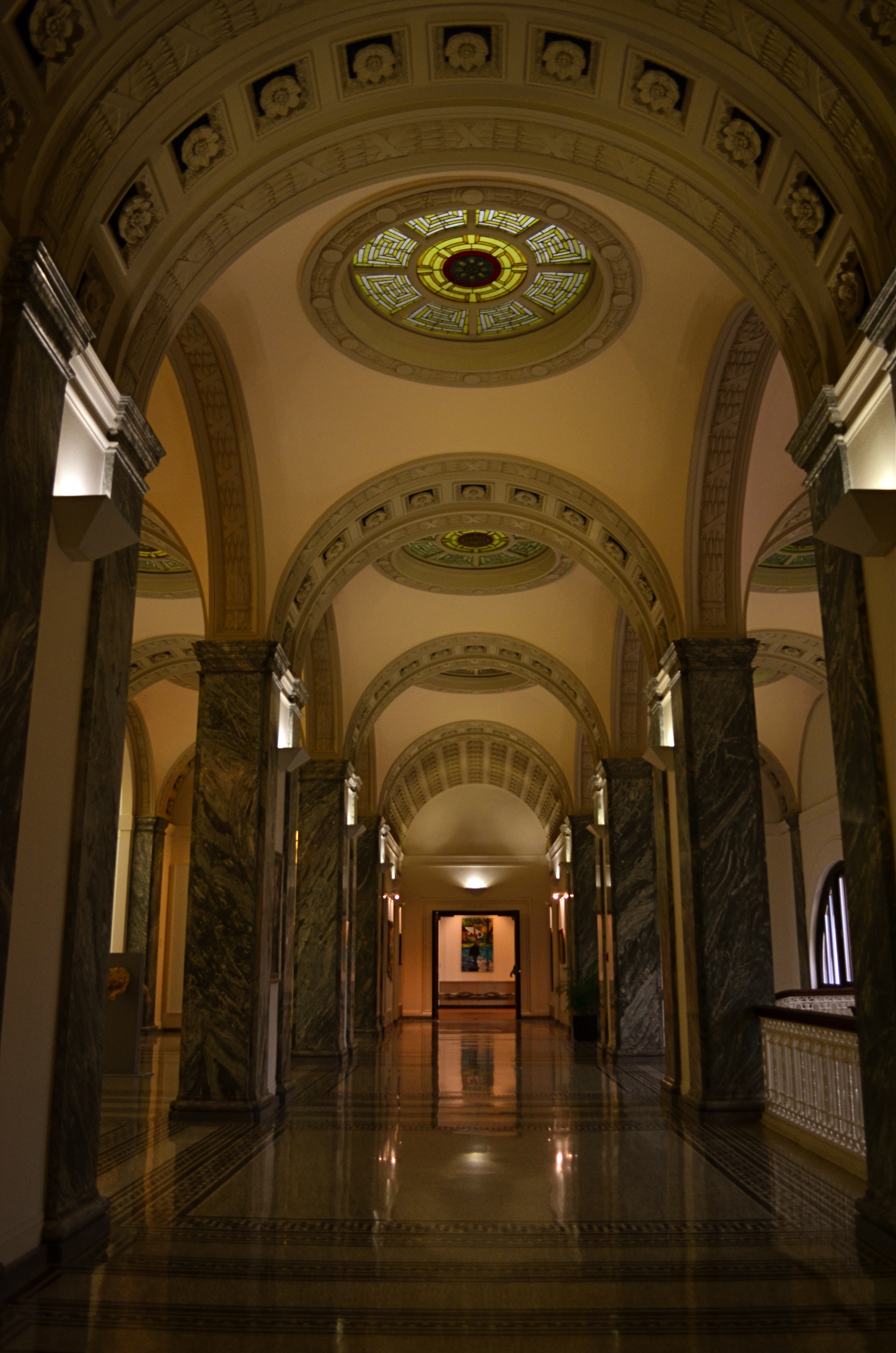
Your memory tells you that this space is more like a “library” than a “drug store”, unless you live in a much nicer neighborhood than mine.
By MICHAEL PERKINS
THERE IS AN OLD ADVERTISING MAXIM that the first person to introduce a product to market becomes the “face” of all versions of that product forever, no matter who else enters as a competitor. Under this thinking, all soda generically becomes a Coke; all facial tissues are Kleenexes: and no matter who made your office copier, you use it to make…Xeroxes. The first way we encounter something often becomes the way we “see” it, maybe forever.
Photography is shorthand for what takes much longer to explain verbally, and sometimes the first way we visually present something “sticks” in our head, becoming the default image that “means” that thing. Architecture seems to send that signal with certain businesses, certainly. When I give you Doric columns and gargoyles, you are a lot likelier to think courthouse than doghouse. If I show you panes of reflective glass, large open spaces and stark light fixtures, you might sift through your memory for art gallery sooner than you would for hardware store. It’s just the mind’s convenient filing system for quickly identifying previous files, and it can be a great tool for your photography as well.
As a shooter, you can sell the idea of a type of space based on what your viewer expects it to look like, and that could mean that you shoot an understated or even tightly composed, partial view of it, secure in the knowledge that people’s collective memory will provide any missing data. Being sensitive to what the universally accepted icons of a thing are means you can abbreviate or abstract its presentation without worrying about losing impact.
Photography can be at its most effective when you can say more and more with less and less. You just have to know how much to pare away and still preserve the perception.
THE UNKNOWN FAMILIAR
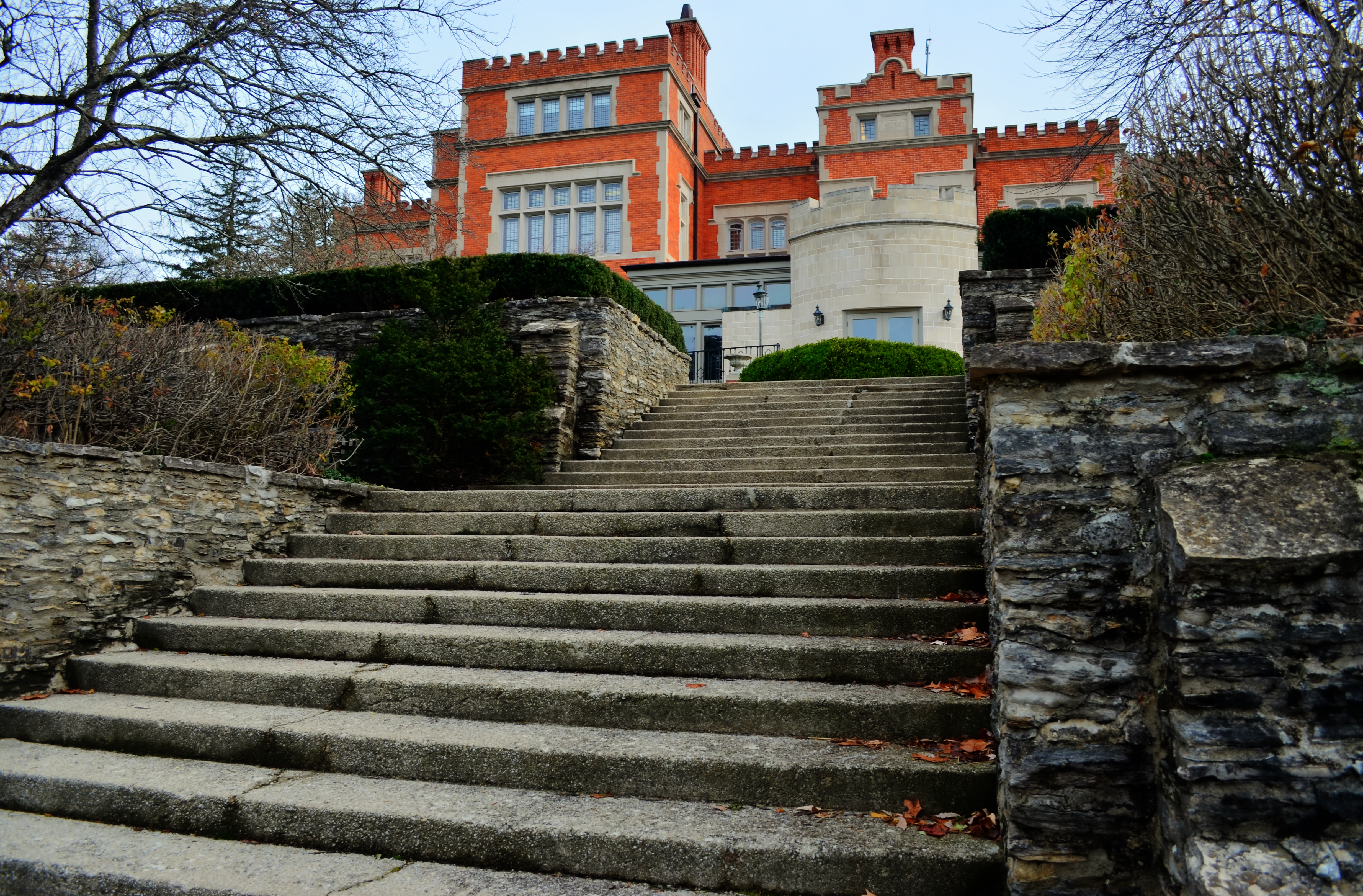
I first photographed Jeffrey Mansion in Bexley, Ohio in the late 1960’s. I look for, and see, very different things in it now. An infusion of three exposures from 1/60-1/160 sec., all f/5.6, ISO 100, 18mm.
By MICHAEL PERKINS
YEARS AGO, RONALD REAGAN, UPON VISITING HIS OLD ELEMENTARY SCHOOL for a presidential photo opportunity, famously asked the local administrators how they managed to shrink the desks in the classrooms. Of course he was joking, but the remark was a telling one; when we return to the scenes of our earliest dramas and farces, we tend to believe that some other outside force sneaked into the place, before our arrival, and somehow re-ordered reality. We laugh at Reagan’s quip because we can see ourselves saying the same thing. It’s all about us.
Just as we are pleasantly shocked to view the graduated pencil marks on our old kitchen wall that logged our increasing height at different ages, we marvel when we take cameras back to the same places where we took cameras in the past. We think we are measuring time in what we shoot, but we are actually measuring ourselves in how we shoot. A recent trip to my hometown afforded me time to roll around to a number of places where I have repeatedly returned over a lifetime, each time approaching photography, and myself, a little differently. In some cases, the first frames I ever shot of these sites go back over forty years, and, good pictures or bad, the results are a few universes away from those first efforts.
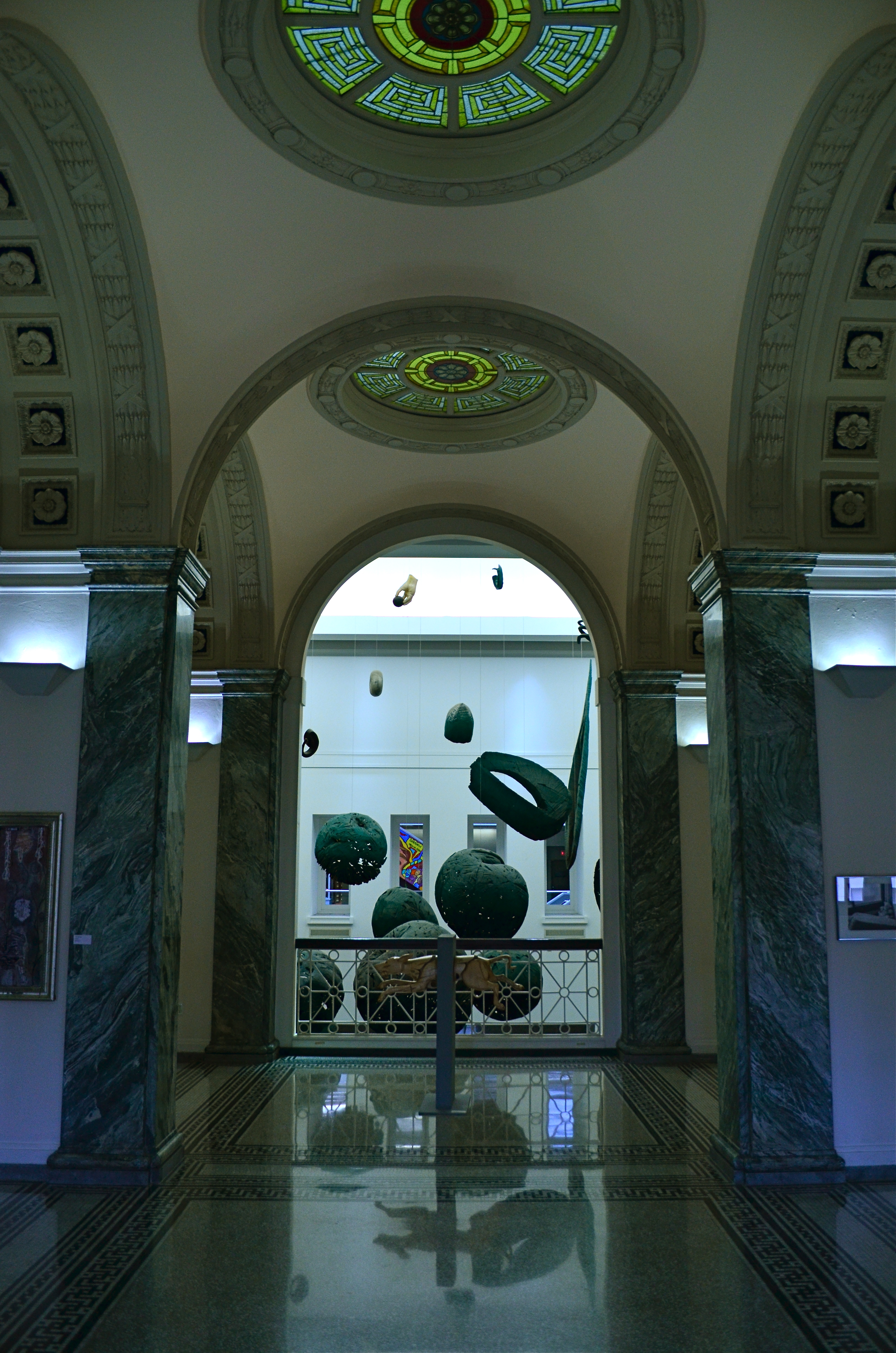
Inside Columbus, Ohio’s Carnegie Library, where I first became a researcher.
How can it be otherwise? I don’t see the same way. I don’t look to see in the same way. Years ago, I was still enthralled with the idea of capturing an image in the box….any image. Hey, it worked. It’s not a stretch to say that, when I first learned to load and wind film or squint into a viewfinder, I was still amazed by the process alone, the idea of freezing time being an inexplicable miracle to me. Beyond hungering to produce my own miracles, I had no concept as to what I should be seeking, or saying.
One thing that has changed over the years is that I no longer try to stop the world with, you know, The Image. There is no “the” anymore, only “the next”. The thing I need to learn to make the picture will come, in time, if I spend long enough thinking or feeling my way through the problem. The photograph, I now know, is already in there, someplace. I just have to carve and peel until it emerges. In the images you see here, I have finally, decades hence, become ready to register the unknown in a familiar place.
To my amazement, I can actually pre-imagine a shot now, with a reasonable hope of eventually making my hand cash the check my eye has written. Back when I started, every picture was an accident….sometimes happy, often frustrating. Now, as I point my lens toward locales that are old friends, I know that they, largely, are constant. It is I who has moved. There’s some comfort, and lots of possibility, in realizing that the desks didn’t really shrink.
I just learned to stand up.
PUBLIC INTIMACY
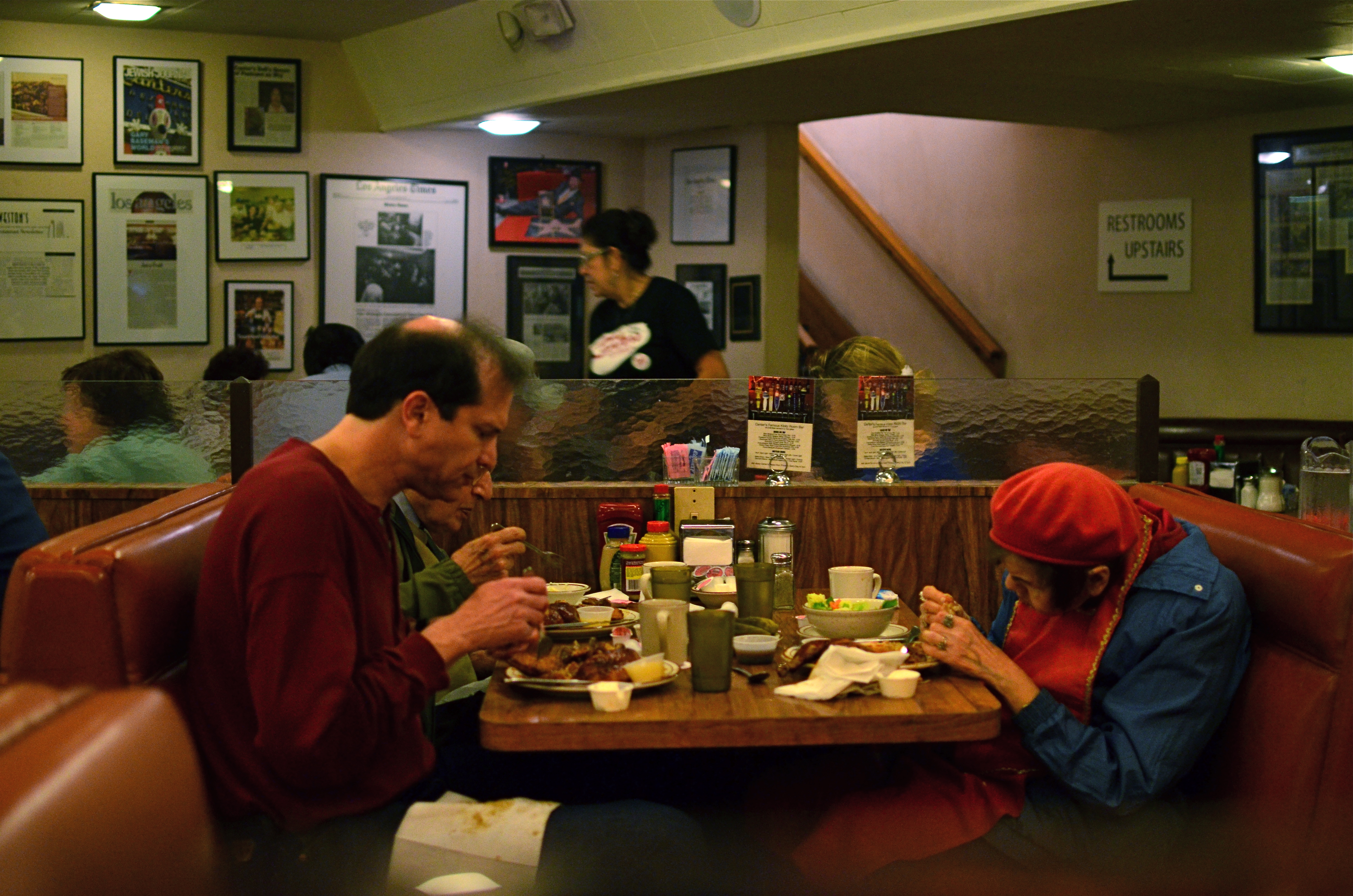
Late Dinner on Fairfax, 2014. 1/40 sec., f/2, ISO 1000, 35mm.
By MICHAEL PERKINS
OKAY, I JUST REALIZED HOW GROSSLY MISLEADING THE TITLE OF THIS POST COULD SEEM, but, trust me, I never meant it the way it sounds. I was just struggling to find a phrase for the kind of photograph in which a person is as private as possible while on full display to the world at large. There are behaviors that are intensely personal and astonishingly public at the same time, and such events in a human being’s life are rife, for the photographer, with a very singular kind of drama.
We like to think of ourselves as sufficiently camouflaged behind the carefully crafted mask that we present for the public’s consumption, all the better to preserve our sense of privacy. But there are always cracks in the mask, fleeting signals at the raw life underneath. Learning to detect those cracks is the talent of the street photographer, whose eye is always trained beyond the obvious.
Mourning, Joy, Discovery…all these things provide a teeter-totter balance between public display and private truth. The primal basics of life bring that juggling act into view, and, as a photographer, I am often surprised how much of them is in evidence in the simple act of nourishing ourselves. Dining would seem, on the surface, to be all about simple survival. Eating to live, and all that. But meals are laden with ritual and habit, the most hard-wired parts of one’s personality. Food gathers people for so much more than mere sustenance. It is memory, community, religion, friendship, negotiation, reassurance, replenishment. It is a symbol for life (and its passing), a trigger for shared experience, a talisman, a consecration.
Case in point: the man and woman in the above image were seen in a Los Angeles restaurant late on a Saturday night. Their relationship would seem to be that of mother and son, but it could be grandmother and nephew, son-in-law and mother-in-law, or a dozen other arrangements. A sharp contrast is provided by their comparative ages and physicality. One sits upright, while the other sits as well as she can. There is no eye contact….but does that necessarily mean that they do not want to see each other? There is no conversation. Has everything already been said? Are they grateful to still be there for each other after all these years, or is this the fulfillment of an obligation, a visitation occasioned by guilt?
Eating is a microcosmic examination of everything that it means to be human. So much for a single photographic frame to try to capture. So many ways of looking into the publicness of privacy.
PRIME OPPORTUNITY
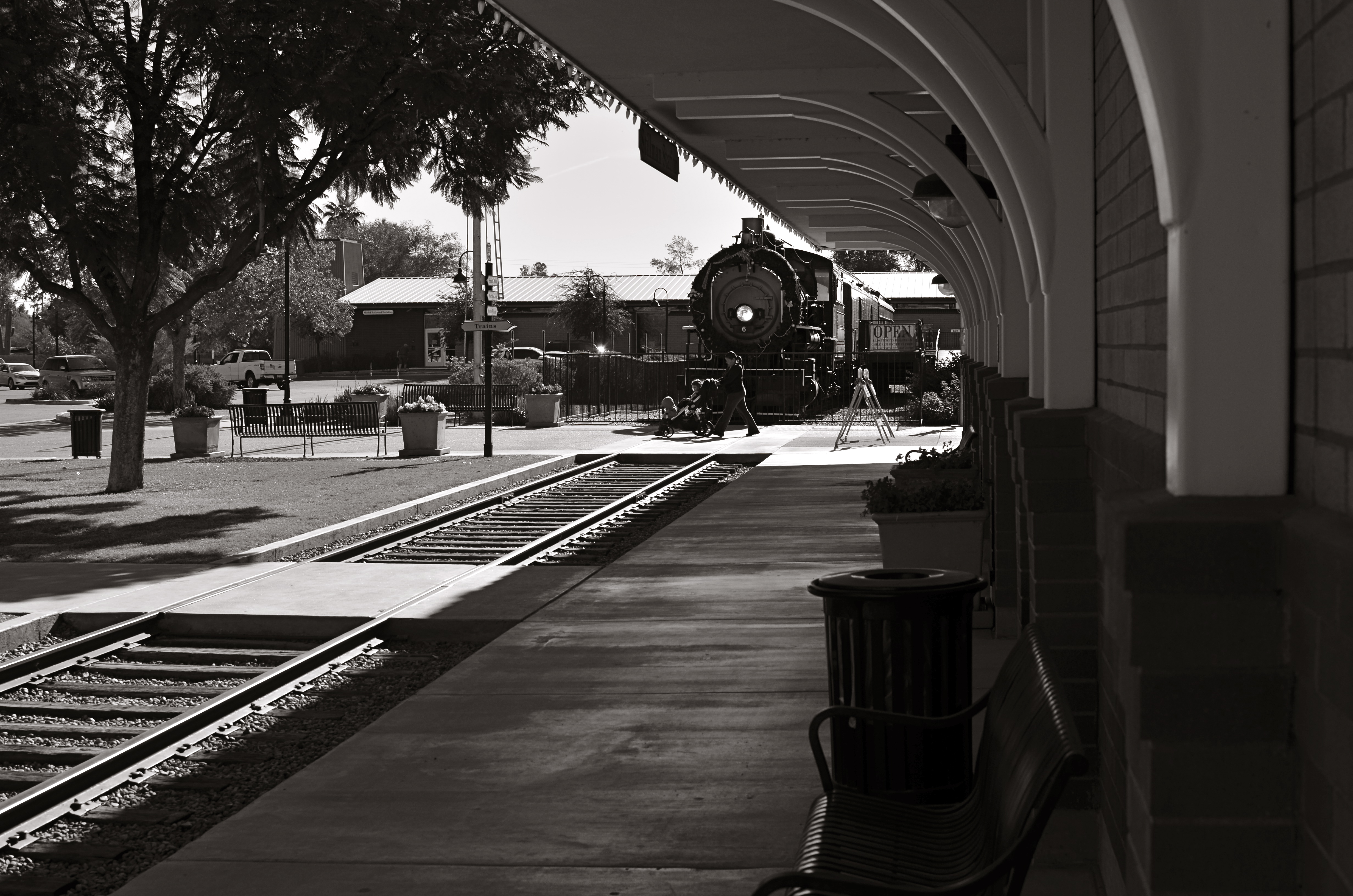
It’s wide. It’s sharp.Its proportions are natural. What else do I need in this image, shot with a 35mm prime lens, that dictates shooting it with a wideangle zoom?
By MICHAEL PERKINS
SOMEWHERE BETWEEN THE END OF THE FILM ERA AND THE DAWN OF THE DIGITAL AGE IN PHOTOGRAPHY, there was a profound change in what camera manufacturers defined as a “starter” lens for new owners. Many shooters, including your humble scribbler, have wondered just why an 18-55 “kit lens” zoom became the glass that was included with the purchase of a digital SLR, when the baseline lens for film shooters had most typically been a 35mm prime. This is especially puzzling since the kit lenses sold by many makers are optically inferior to a prime in several key respects.
Primes, or “normal” lenses, have one focal length only, and so cannot zoom at all, but they out-perform many of today’s zooms on sharpness, clarity, speed, aesthetic blur (or “bokeh”), and portability. Their proportions are more similar to those seen by the human eye (thus the “normal” tag) and so do not create distortion at, say 24mm, a range at which some banding creeps into a zoom at the same focal length. They also will not exaggerate front-to-back distances as seen in a super wide-angle, meaning that an 8×10 room does not resemble a bowling alley.
So what does a wide-angle zoom bring to the party? Not much, beyond the convenience afforded by zooming out with the twist of a barrel, filling your frame in seconds but, ironically, making you less mindful of the composition of your shot. The few extra seconds needed to compose on a lens that can’t zoom means that you act more purposefully, more consciously in the making of an image. You, and not the lens, are responsible for what’s included or cut.
But let’s assume that you want the kit lens for its wide-angle. This is also no problem for a prime lens. Yes, it’s as wide as it will ever be at a single focal length, but you can change what it sees by just stepping backwards. A 35mm prime is plenty wide depending on where you stand. It’s not like you can’t capture a large field of view from left to right. Just place yourself in the right place and shoot.
Yes, there are times when physical restrictions dictate “jumping the fence” by using your zoom to take you where your legs won’t go, but you can count those occasions on half the toes of a frostbitten foot. Look at the above shot. What else do you need in the shot that would require a wide-angle zoom to capture? And if the zoom can only open to f/3.5 at its widest aperture, why not use the prime and gain the ability to go all the way to f/1.8 if needed?
Here’s the deal: if you can walk to your shot and use a better, less expensive piece of glass once you get there, why use a zoom? If you can avail yourself of remarkable sharpness and fill your frame with everything you need, free of distortion, and gain extra speed, why use the wideangle? Huh? Huh? Riddle me that, Batman.
THE UNRESOLVED RIDDLE
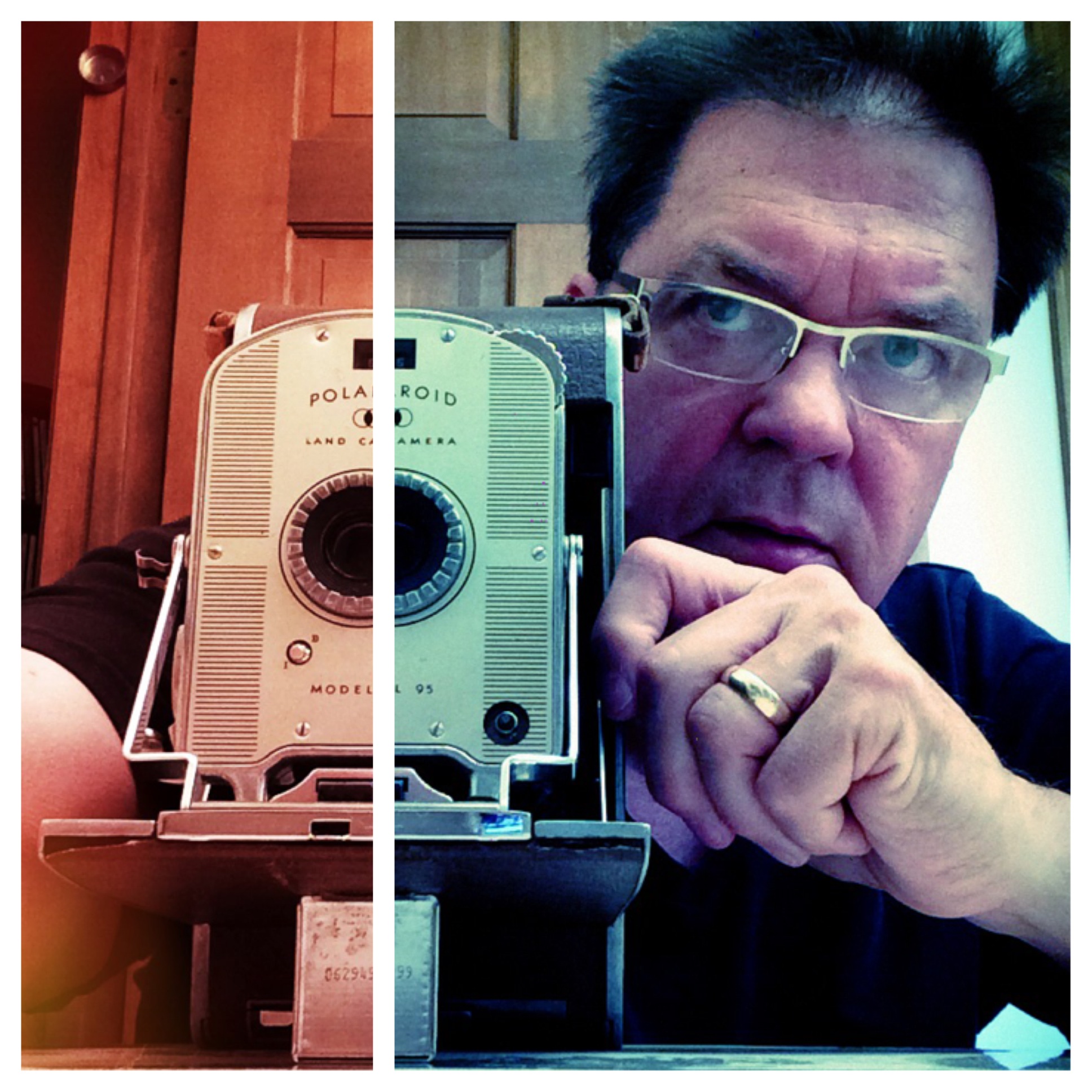
I can’t really say I know this guy, at least not yet.
By MICHAEL PERKINS
A RECENT PIECE BY TIMOTHY EGAN IN THE NEW YORK TIMES decried the latest innovation in Instagram etiquette, a device called a “selfie stick”. As the name implies, the stick is designed to hold one’s smartphone at a modest distance from its subject (me!) allowing oneself to be better framed against larger scenes, such as landscapes, local sights, etc. Egan mostly ranted against the additional invasion of public peace by armies of narcissistic simps who couldn’t be persuaded to merely be in the moment, unless they could also be in the picture. It struck him as a fresh assault on “real” experience, another example, as if we needed one, of our sadly self-absorbed age.
I agree with most of Egan’s epistle, but I think the real tragedy is that the selfie stick allows us to take more, more, more pictures, and reveal less, less, less of the people that we truly are. Selfies are more than emotionally stunted; most of them are also lies, or, more properly, masks. They are not “portraits” any more than they are steam shovels, as they merely replicate our favorite way of distancing ourselves from discovery… the patented camera smile. Frame after frame, day after endless day, the tselfie tsunami pushes any genuine depiction of humanity farther away, substituting toothpaste grins for authentic faces. Photographs can plumb the depths of the spirit, or they can put up an impenetrable barrier to its discovery, like the endless string of forced “I was here” shots that we now endure in every public place.
There’s a reason that the best portraits begin with not one lucky snap but dozens of “maybes”, as subject and photographer perform a kind of dance with each other, a slow wrestling match between artifice and exposition. Let’s be clear: just because it is easier,mechanically, to capture some kind of image of ourselves doesn’t mean we are getting any closer to the people we camouflage beneath carefully crafted personae. Indeed, if a person who acts as his own lawyer “has a fool for a client”, then most of us have a liar in charge of telling the truth about ourselves. Merely larding on additional technology (say, a stick on a selfie) just allows a larger portion of our false selves to fit into the picture, while the puzzle of who that person is, smirking into the camera, remains, all too often, an unresolved riddle.
FADE TO (ALMOST) BLACK
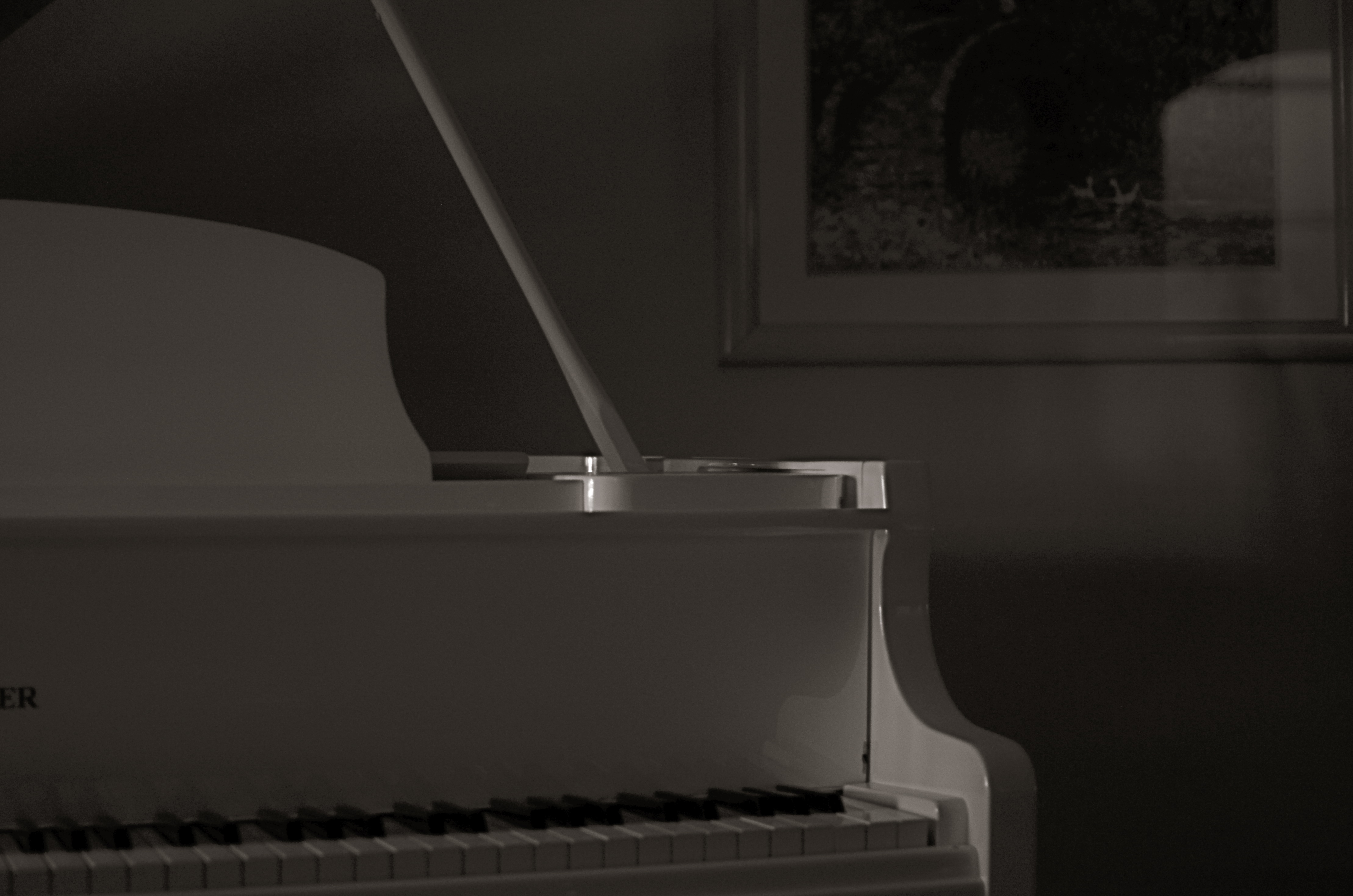
Sometimes a change in the technical approach to a shot is the only way to freshen an old subject. 1/40 sec., f/1.8, ISO 250, 35mm.
By MICHAEL PERKINS
I KNOW MANY PHOTOGRAPHERS WHO SUBJECT THEMSELVES TO THE DELICIOUS TORTURE, known to authors everywhere,as “publish or perish”, or, in visual terms, the tyranny of shooting something every single day of their lives. There are lots of theories afloat as to whether this artificially imposed discipline speeds one’s development, or somehow pumps their imagination into the bulky heft of an overworked bicep. You must decide, o seekers of truth, what merit any of this has. I myself have tried to maintain this kind of terrifying homework assignment, and during some periods I actually manage it, for a while at least. But there are roadblocks, and one of the chief barriers to doing shot-a-day photography is subject matter, or rather the lack of it.
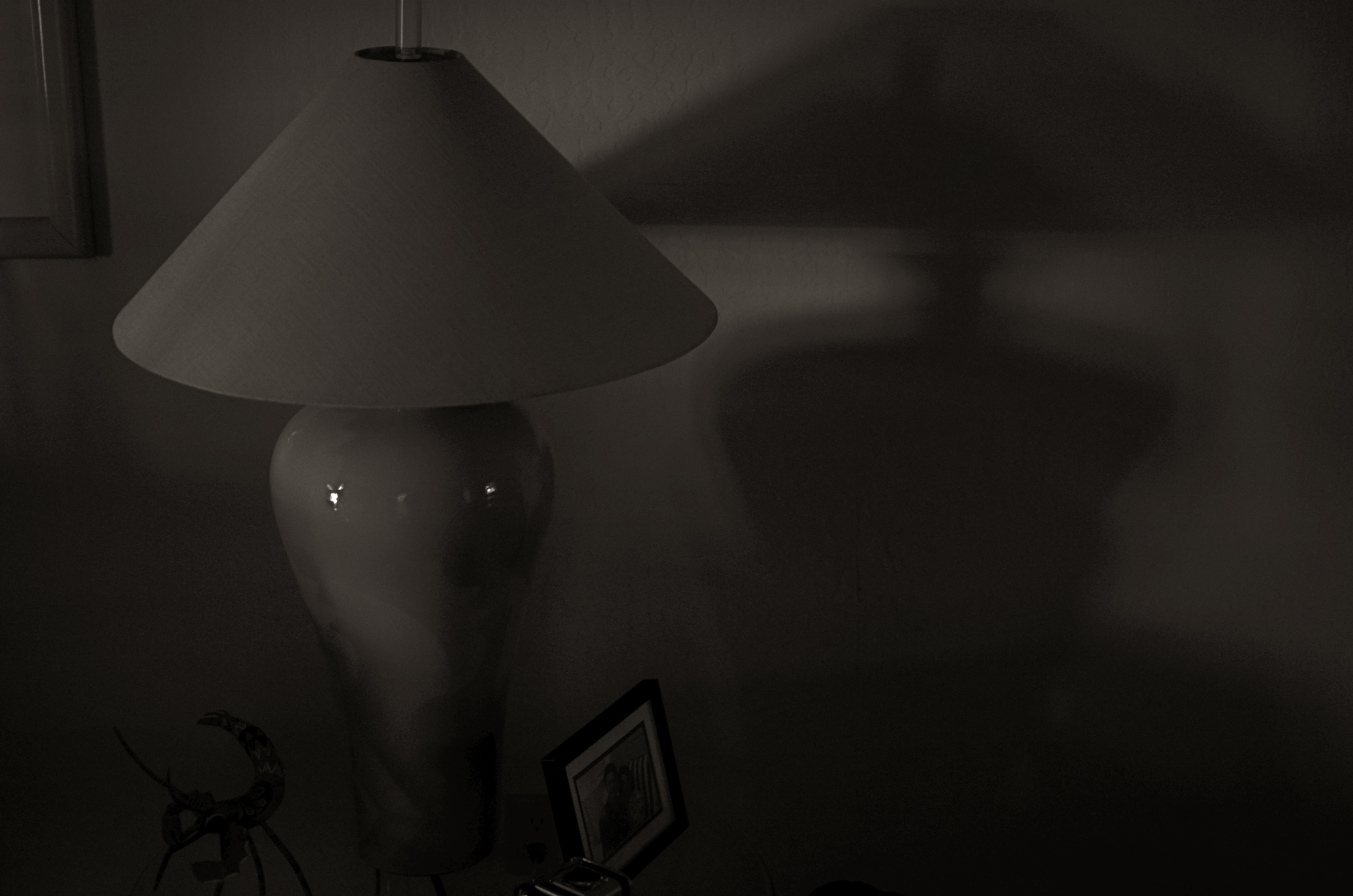
I’ve shot in this space for years, and therein lies the challenge. 1/40 sec., f/2.2, ISO 250, 35mm.
Let’s face it: even if you live one canyon away from the most breathtaking view on earth or walk the streets of the mightiest metropolis, you will occasionally look upon your immediate environs as a bad rerun of Gilligan’s Island, something you just can’t bear to look at without having a wastebasket handy. Familiarity breeds contempt for some subjects that you’ve visited and re-visited, and so, for me, the only way to re-mix old material is to re-imagine my technical approach to it. This is still a poor substitute for a truly fresh challenge, but it can teach you a lot about interpretation, which has transformed more than a few mundane subjects for me over a lifetime of shuttering (and shuddering).
As an example, a corner of my living room has been one of the most trampled-over crime scenes of my photographic life. The louvered shades which flank my piano can create, over the course of a day, almost any kind of light, allowing me to use the space for quick table-top macros, abstract arrangements of shadows, or still lifes of furnishings. And yet, on rainy /boring days, I still turn to this corner of the house to try something new with the admittedly over-worked material. Lately I have under-exposed compositions in black and white, coming as near a total blackout as I can to try to reduce any objects to fundamental arrangements of light and shadow. In fact, damn near the entire frame is shadow, something which works better in monochrome. Color simply prettifies things too much, inviting the wrong kind of distracted eye wandering in areas of the shot that I don’t think of as essential.
I crank the aperture wide open (or nearly) to keep a narrow depth of field, which renders most of the image pretty soft. I pinch down the window light until there is almost no illumination on anything, and allow the ISO to float around at least 250. I get a filmic, grainy, gauzy look which is really just shapes and light. It’s very minimalistic, but it allows me to milk something fresh out of objects that I’ve really over-photographed. If you believe that context is everything, then taking a new technical approach to an old subject can, in fact, create new context. Fading almost to black is one thing to try when you’re stuck in the house on a rainy day.
Especially if there’s nothing on TV except Gilligan.
MILE MARKER
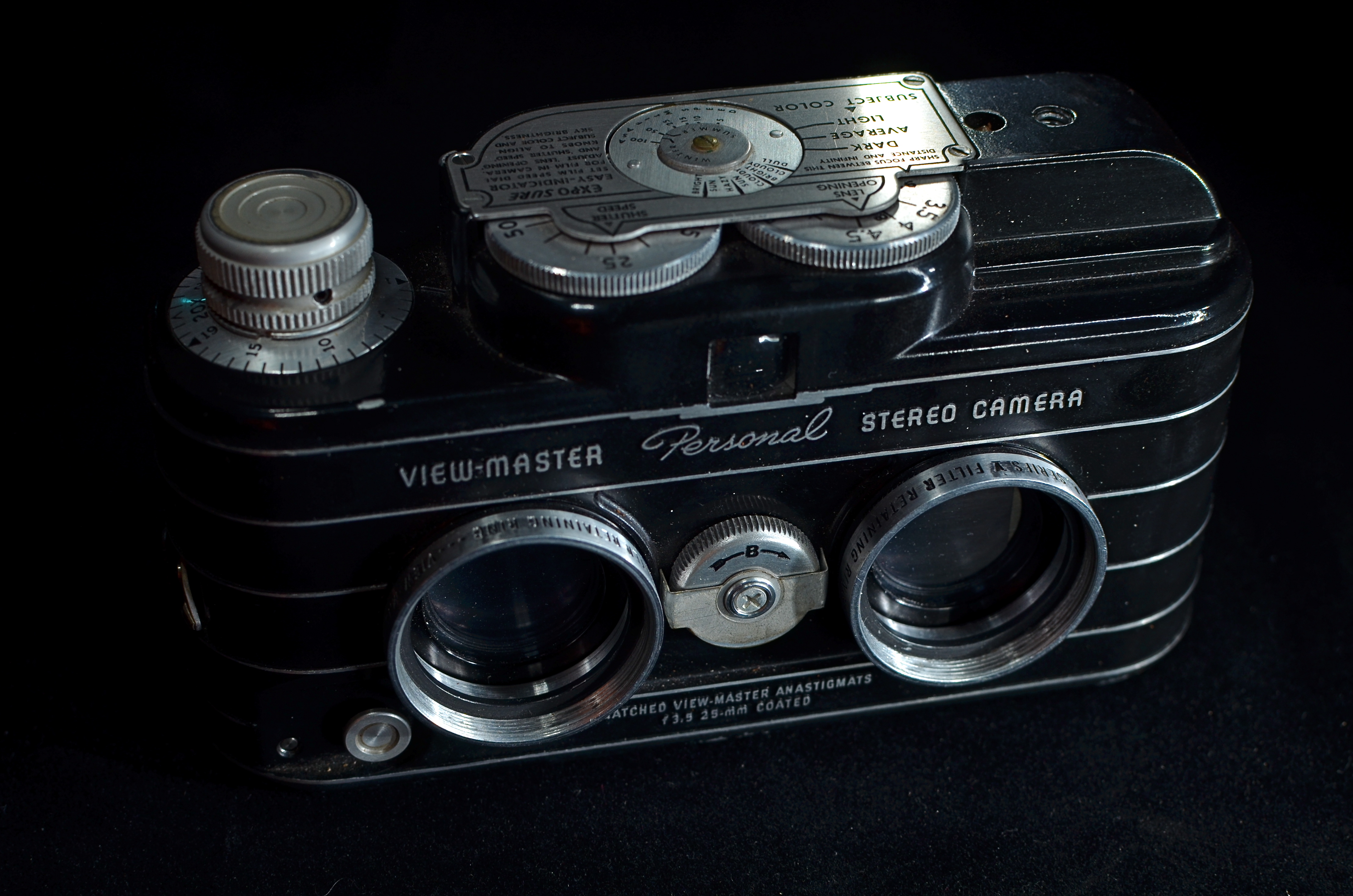
Sawyer’s mid-50’s View-Master Personal Stereo, the only consumer camera able to produce those eye-popping 3-d reels. 15 sec., f/5.6, ISO 100, 35mm.
BY MICHAEL PERKINS
THIS WEEK, THE NORMAL EYE REACHES A LITTLE BASE CAMP OF SORTS, with the welcome arrival of our 1,000th blog follower. A few thoughts before we climb to the next ledge:
I never wanted this forum to be a mere photo diary, a refrigerator on which to tack up my pet pic of the day, because, despite the fact that my photography illustrates the blog, it’s not really about,”look what I did”, so much as it’s about “look at one thing you can try”. It also was never supposed to be a purely technical tutorial, although we do offer a few simple step-by-steps on emerging methods. My thought, then as now, is that there are many, many master technicians in the trade whose command of the pure science is so much stronger than mine, that I’d be better off talking about the part we all understand….the millions of little miracle moments and motivations that shape our visual decisions in the making of images.
Accordingly, your most typical responses to The Normal Eye have been along the lines of “I’ve been there”, or “I came to the same conclusion” or “I never thought of it that way before.” That has sparked dialogue, which was my principal aim in creating TNE in the first place. I use my images to illustrate my ideas because they’re the closest visual equivalent of what’s rattling around in my skull, but not because they’re the ne plus ultra of anything.
From my years as an illustrator, I also love the idea of designing a page, and I try to vary the visual arrangement of the blog to incorporate useful links, historical figures, and, as we go forward, gifs and other tools. I liken it to the front of a newspaper, which, other than the masthead and the familiar type faces, has to be completely new every day. It’s more interesting to make, and, I hope, more fun to read, but it’s still in its infancy.
The most amazing part of this venture has been seeing the numbers change, to realize, day by day, that many of you have chosen, on-purpose, to bring these conversations into your day on a regular basis. I truly appreciate that choice, and am gratified if any of these chicken scratchings have a positive impact, for anyone. Sometimes, online writing is like throwing a pebble down a dark well and listening for at least a splash. Sometimes it’s like waking up to a roomful of birthday presents. So, to everyone who has kept faith or at least sampled The Normal Eye thus far, my sincere thanks. As I’ve stressed before, although solo sermons are often inspiring, this forum only works as a conversation.
Your turn.
THE BOY IN THE BALL CAP
By MICHAEL PERKINS
MORE SHOTS, MORE CHOICES: Photography really is as simple as that. The point has been hammered home by expert and amateur alike since before we could say “Kodak moment”: over-shooting, snapping more coverage from more vantage points, results in a wider ranger of results, which, editorially, can lead to finding that one bit of micro-mood, that miraculous mixture of factors that really does nail the assignment. Editors traditionally know this, and send staffers out to shoot 120 exposures to get four that are worthy of publication. It really, ofttimes, is a numbers game.
For those of us down here in the foot soldier ranks, it’s rare to see instances of creative over-shoot. We step up to the mountain or monument, and wham, bam, there’s your picture. We tend to shoot visual souvenirs: see, I was there, too. Fortunately, one of the times we do shoot dozens upon dozens of frames is in the chronicling of our families, especially the day-to-day development of our children. And that’s vital, since, unlike the unchanging national monument we record on holiday, a child’s face, especially in its earlier years, is a very dynamic subject, revealing vastly different features literally from frame to frame. As a result, we are left with a greater selection of editing choices after those faces dissolve into other faces, after which they are gone in a thrilling and heartbreaking way.
One humbling thing about shooting kids is that, after they have been around a while, you realize that you might have caught something essential, months or years ago, during an event at which you just felt like you were reacting, racing to catch your quarry, get him/her in focus, etc. A feeling of always trying to catch up. It’s one of the only times in our own lives that we shoot like paparazzi. This might be something, better get it. I’ll sort it out later. The process is so frenetic that some images may only reveal their gold several miles down the road.
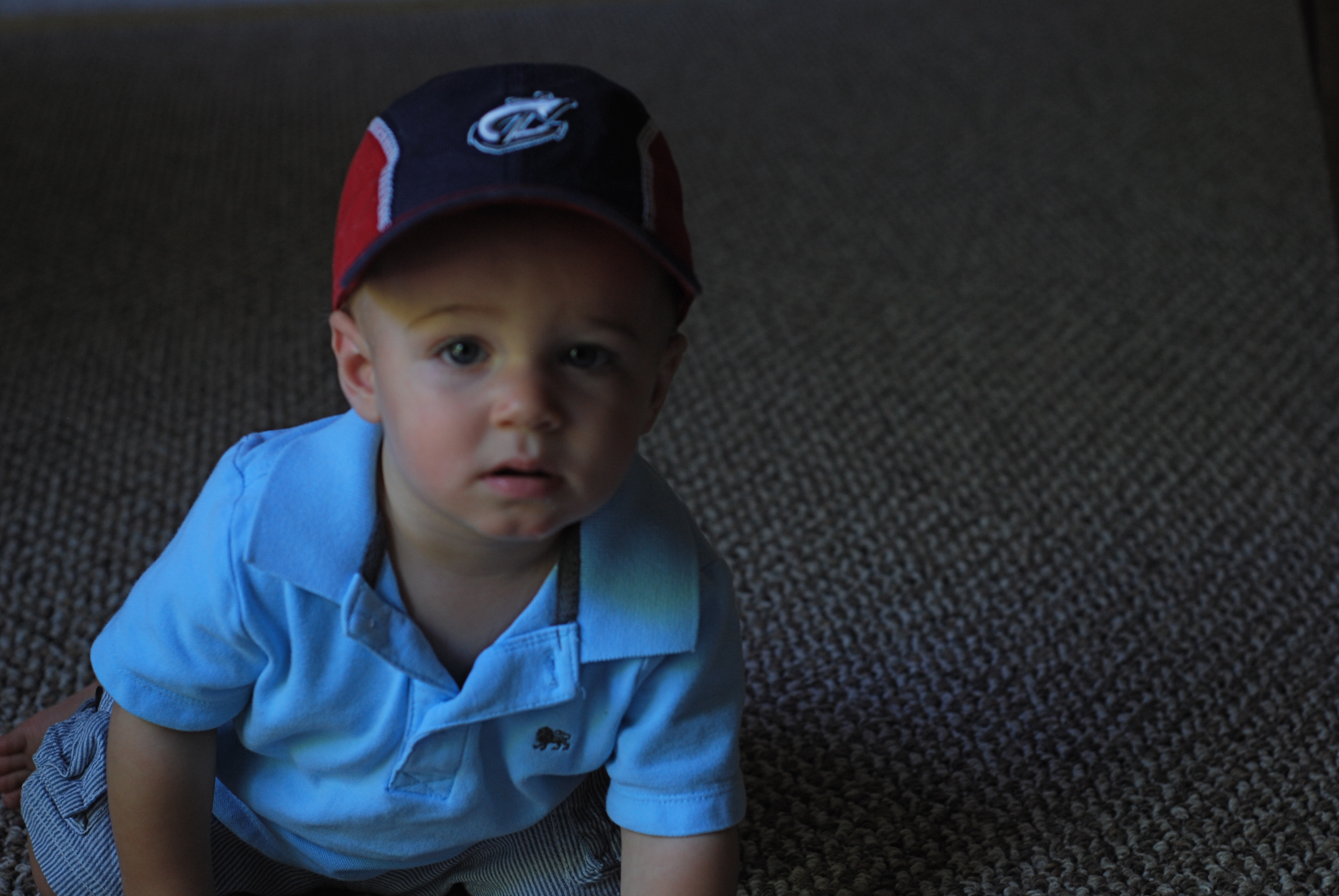
Not the sharpest image I ever shot, but look at that face. Slow shutter to compensate for the dim light. 1/40 sec., f/3.2, ISO 200, 35mm.
My grandson is now entering kindergarten. He’s reading. He’s a compact miniature of his eventual, total self. And, in recently riffing through images of him from early five years ago (and yes, I was sniffling), I found an image where he literally previews the person I now know him to be. This image was always one of my favorite pictures of him, but it is more so now. In it, I see his studious, serious nature, and his intense focus, along with his divine vulnerability and innocence. Technically, the shot is far from perfect, as I was both racing around to catch him during one of his impulse-driven adventures and trying to master a very new lens. As a result, his face is a little soft here, but I don’t know if that’s so bad, now that I view it with new eyes. The light in the room was itself pretty anemic, leaking through a window from a dim day, and running wide open on a 50mm f/1.8 lens at a slow 1/40 was the only way I was going to get anything without flash, so I risked misreading the shallow depth of field, which I kinda did. However, I’ll take this face over the other shots I took that day. Whatever I was lacking as a photographer, Henry more than compensated for as a subject.
Final box score: the boy in the ball cap hit it out of the park.
Thanks, Hank.
THE GEOMETRY OF VIEW
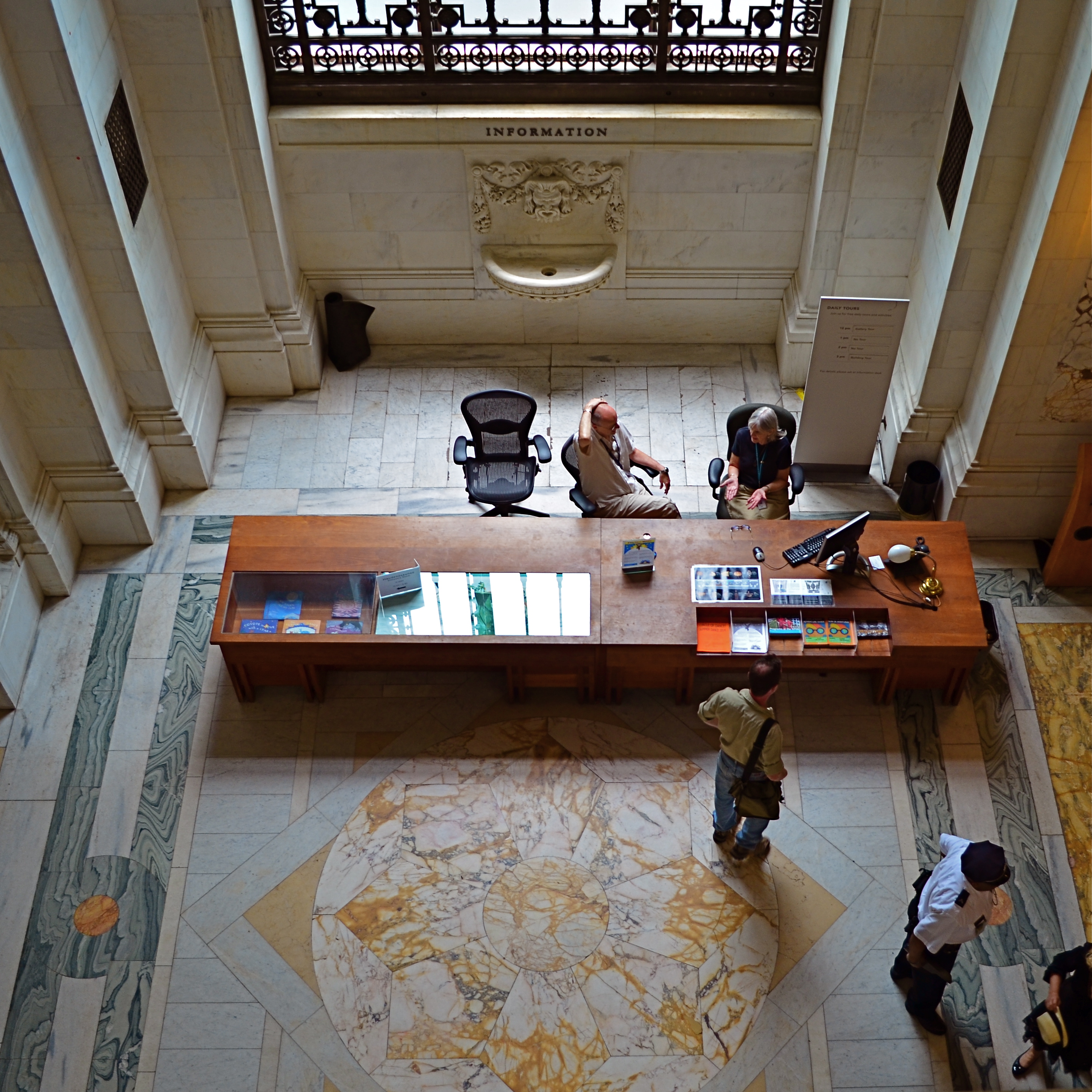
Information, Please, 2014. 1/60 sec., f/3.5, ISO 160, 18mm.
By MICHAEL PERKINS
ONE OF THE BEST WAYS TO APPREHEND THE OVERALL DESIGN OF A SPACE, be it a midtown skyscraper or a suburban cathedral, is to see it the way the designer originally envisioned it; as a logical arrangement of spaces and shapes. Sometimes, viewing the layout of floors, lobbies, or courtyards from the top-down, or “bird’s-eye” view of the original design sketches is especially helpful, since it takes our eye far enough away from a thing to appreciate its overall conception. It’s also not a bad thing for a photographer to do when trying to capture common spaces in a new way. Move your camera, change your view, change the outcome of your images.
The overarching vision for a place can be lost at ground, or “worker bee” level, in the horizontal plane along which we walk and arrange our viewpoint. Processing our understanding of architecture laterally can only take us so far, but it almost seems too simple to suggest that we shift that processing just by changing where we stand. And yet you will invariably learn something compositionally different just by forcing yourself to visualize your subjects from another vantage point.
I’m not suggesting that the only way to shake up your way of seeing big things is to climb to the top floor and look down. Or descend to the basement and look up, for that matter. Sometimes it just means shooting a familiar thing from a fresh angle that effectively renders it unfamiliar, and therefore reinvents it to your eye. It can happen with a different lens, a change in the weather, a different time of day. The important thing is that we always ask ourselves, almost as a reflex, whether we have explored every conceivable way to interpret a given space.
Each fresh view of something re-orders its geometry in some way, and we have to resist the temptation to make much the same photographs of a thing that everyone else with a camera has always done. We’re not in the postcard business, so we’re not supposed to be in the business of assuring people with safe depictions of things, either. Photography is about developing a vision, then ripping it up, taping it back together out-of-order, shredding that, and assembling it anew, again and again. In a visual medium, any other approach will just make us lazy and make our art flat and dull.
ROLL PLAYING
By MICHAEL PERKINS
I RECENTLY CAME ACROSS AN ARTICLE IN WHICH A PHOTOGRAPHER BEMOANED the insane volume of images being shot in the digital era. His point was that, while we used to be tightly disciplined in the “budgeting” of shots back in the days of film (in which we had a fixed limit on our shots of 24 or 36 frames), we crank away an infinite number of shots today in short order, many of them near duplicates of each other, flooding the universe with a torrent of (mostly) bad pictures. Apparently, he posits, it is because we can shoot and re-shoot without fear of failure that we make so many mediocre images.
He takes it further, proposing that, as a means of being more mindful in the making of our photos, that we buy a separate memory card and shoot a total of, say, two “rolls” of pics, or 72 total images, forcing ourselves to keep every image, without deletions or retakes, and live with the results for good or ill. I have all kinds of problems with this romantic but basically ill-conceived stunt.
Our illustrious writer and I live on different sides of the street. He seems to believe that the ability to shoot tons of images leads to less mindful technique. I believe the exact opposite.
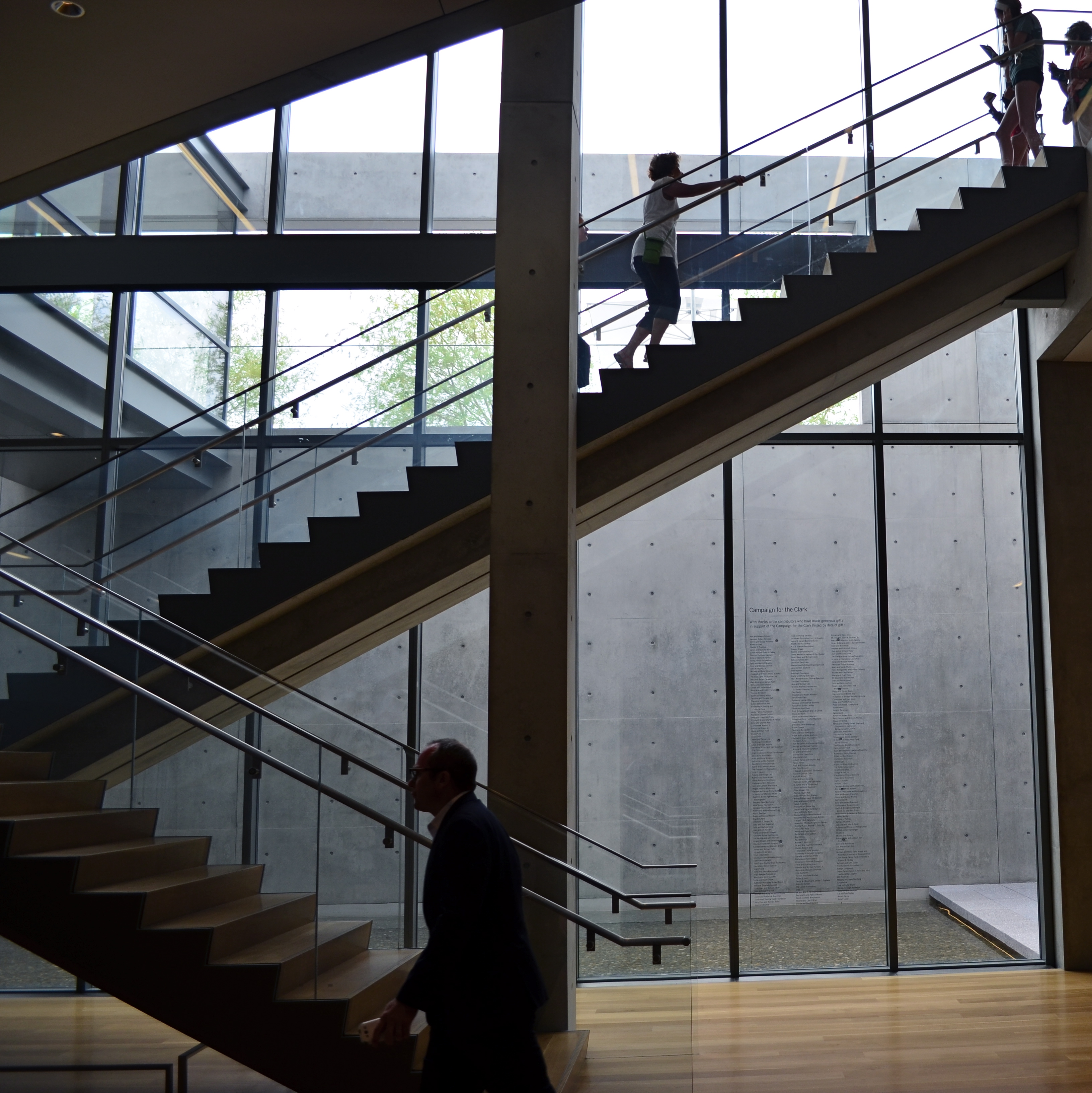
Not the hardest shot in the world, but in the film era, I might never have guessed how best to nail it. In digital, I was free to approach the right solution over a series of practice shots.
When you are free, via digital photography, to experiment, to correct your errors on the fly, you suddenly have the ability to save more shots, simply because you can close in on the best method for those shots much faster, and at a fraction of the cost, of film. You collapse a learning curve that used to take decades into the space of a few years. One of the things that used to separate great photographers from average ones was the great shooters’ freedom, usually from a financial standpoint, to take more bad (or evolving) images than the average guys could afford to. Of course, really bad photographers can go for years merely continuing to take more and more lousy shots, but the fact is, in most cases, taking more photos means learning more, and, often, eventually making better pictures.
Apparently, our illustrious writer believes that you can only be photographically self-aware if you are constantly reminded how few total frames you’re going to be able to shoot. I truly appreciate the goal of self-reliant, experience-based photography he wants to promote. But I contend that it’s not that we make too many pictures, but that we keep too many. It’s the skill of editing, that unemotional, ice-cold logic in deciding how few of our pictures are “keepers”, that is needed, not some nostalgic longing for the strictures of film.
Hey, of course we over-share too many near-identical frames of our latest ham sandwich. Of course Instagram is as clogged as a sink trap fulla hair with millions of pictures that should never see the light of day. But that’s not because we can shoot pictures too easily. It’s because we don’t grade our output on a stern enough curve. As it gets easier to shoot, it should get tougher to meet muster.
THE PICTURES I HATE MOST
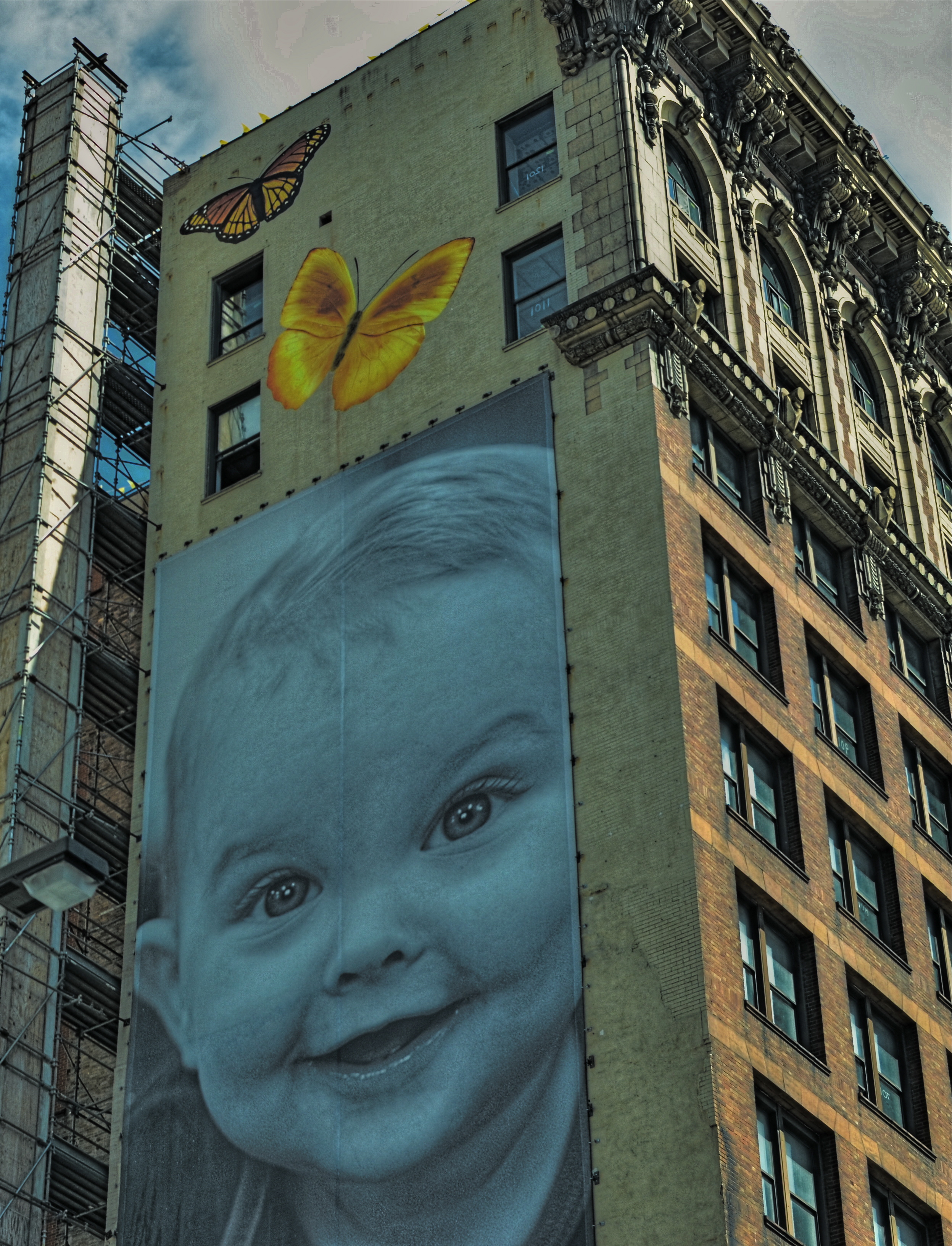
Even the pictures you attempt that come up short can teach you more than the ones you never make.
By MICHAEL PERKINS
IN MY CHILDHOOD, I FIRST HEARD THE BIBLICAL PARABLE OF THE SHEPHERD who, upon finding that one of his flock of one hundred sheep had gone missing, forsook the other ninety-nine to undertake a desperate search for the single lost lamb. It was, certainly, a touching story, with its image of a father who would mourn over the loss of even the most wayward of his flock. And, although it didn’t occur to me at the time, it also came to serve as an early model for my idea of a photographer.
It’s not really that big a stretch. Like the shepherd, shooters always mourn the loss of the one that got away, or in terms of photographs, the shot that was never made. The one angle we forgot to foresee, the light we failed to read, the fleeting truth we neglected to capture. For sure, the photos you attempted and botched really do smart, a lot. A lot a lot. However, there is no pain like the emotional toothache caused by the shots that, for whatever reason, you never even tried to make. These aren’t “lost” images, since they never actually existed, but that doesn’t mean that their absence is any less poignant. One great recent examination of why we fail to shoot is found in a recent collection of essays by Will Steacy called Photographs Not Taken. Check out a capsule review of it here.
I lament the pictures I never made far more than the ones I have attempted and whiffed, since in most cases the contexts that surrounded those non-existent pics are, themselves, no longer, whether we’re talking about missed sunrises or final visits with loved ones. To be sure, re-dos are often off the table even for many of the pictures we did take, but, for some human reason, we mourn more intensely the ones that might have been. Worse yet, even failed images have some teaching value, whereas you learn zilch from the dances that you sat out.
This forum has never been about merely posting my greatest hits for the world to drool over. That is scrapbooking, and serves no purpose. Any honest examination of why we make images has to pause to grieve about failed chances, to sniffle a bit over the things we aimed at and missed. It sometimes has to be about pictures that I hate, and the ones I hate most are the ones I had neither the vision nor the nerve to create.
ABSOLUTES
By MICHAEL PERKINS
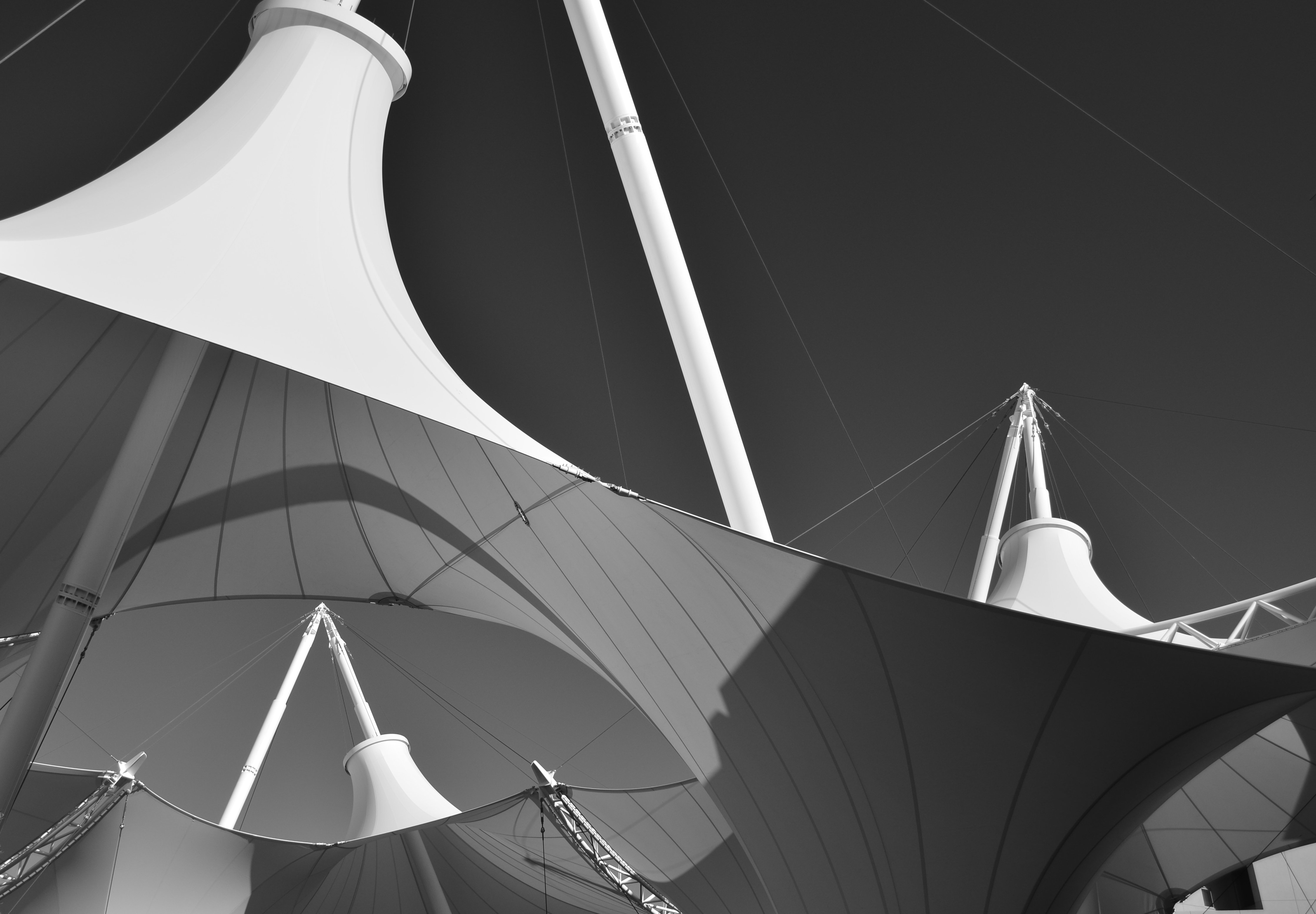
“PHOTOGRAPHY DEALS EXCLUSIVELY WITH APPEARANCES” remarked Duane Michals years ago, “but, nothing is what it appears to be.” That’s a remarkably clear summation of the terms under which, with greater regularity, I approach things with my camera. In over fifty years of clicking away, I have never really felt like my work was reportage, or the recording of “reality”, but rather the use of reality like another paint brush or tube of color towards the more general goal of making a picture. What I wind up with certainly “appears” like something, but it’s not really a literal representation of what I saw. It is the thing I pointed the lens at, but, if I am lucky, it’s got some other extra ingredient that was mine alone. Or so I hope.
This idea that appearances are just elements in the making of something personal seems to be borne out on those photo “field trips” where instructors take a small mob of shooters out onto the street, all of them assigned to photograph the same subject or scene. Seldom is there a consistent result as these half dozen noobs frame up a common object, a phenomenon which argues for the notion of photography as interpretation, not just the making of a visual record. Consider: if the machine really were all, every one of the students’ images should look remarkably alike, but they generally don’t. How could they, when the mystery link in every shooter’s work flow has to be the “filter” of his or her own experiences? You show how a thing appears, but it doesn’t match someone else’s sense of what it is. And that’s the divine, civil argument our vision has with everyone else’s, that contrast between my eye and your brain that allows photographs to become art.
I think that it’s possible to worry about whether your photograph “tells a story” to such a degree that you force it to be a literal narrative of something. See this? Here’s the cute little girl walking down the country lane to school with her dog. Here’s the sad old man sitting forlornly on a park bench. You can certainly make images of narrowly defined narratives, but you can also get into the self-conscious habit of trying to bend your images to fit the needs of your audiences, to make things which are easy for them to digest.Kinda like Wonder Bread for the eye.
As photographers, we still sweat the answer to the meaningless question, “what’s that supposed to be?”, as if every exposure must be matched up with someone who will validate it with an approving smile. Thing is, mere approval isn’t true connection….it’s just, let’s say, successful marketing. Make a picture in search of something in yourself, and other seekers will find it as well.
RELIEF OF PAINFUL G.A.S.
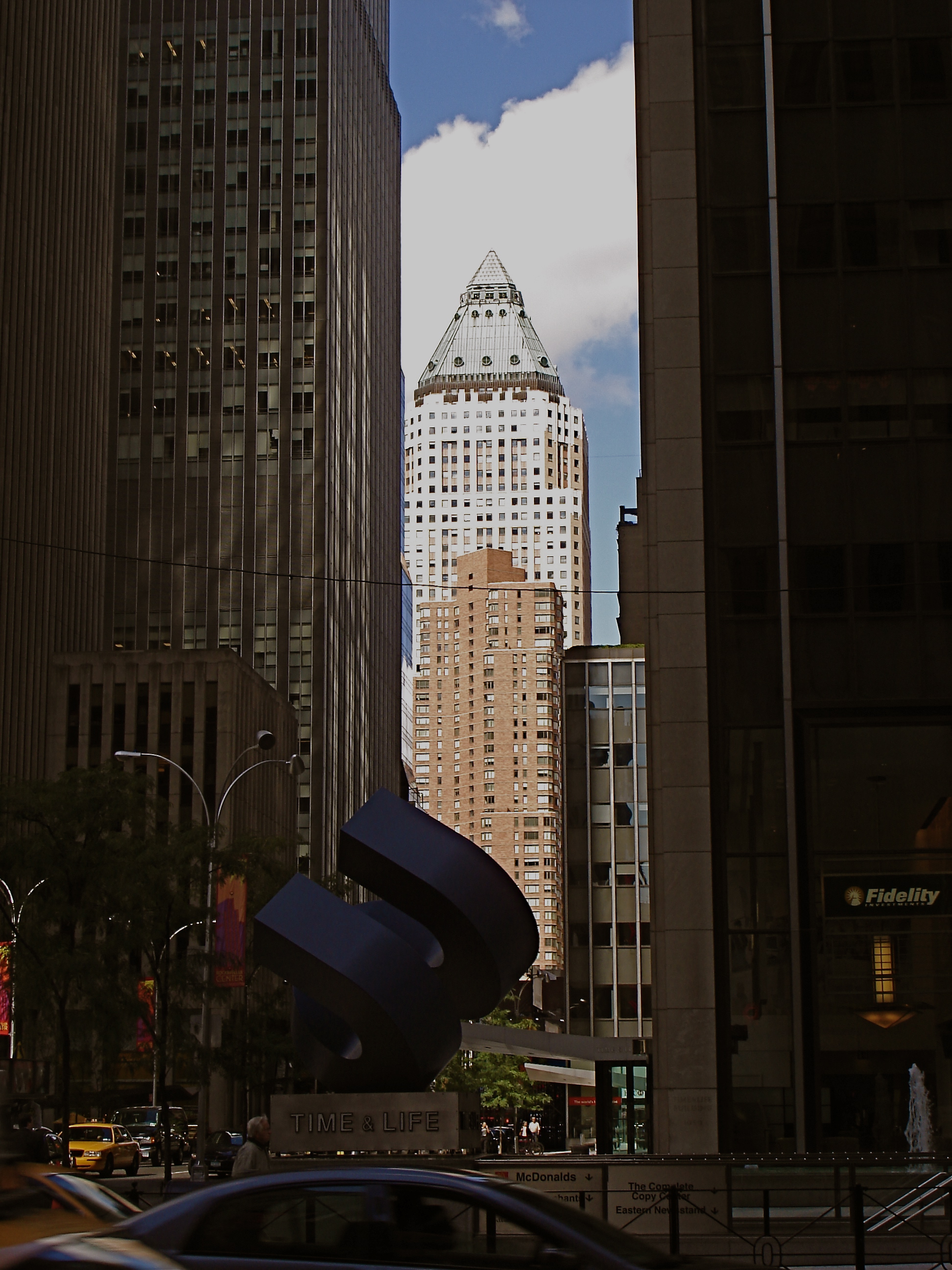
Eight years and three cameras ago. 1/125 sec., f/7.1, ISO 100, 13.7mm.
By MICHAEL PERKINS
HE’S YOUR DAD, YOUR UNCLE, YOUR WACKY SITCOM NEIGHBOR: the guy who has every ratchet,widget and wrench in the Sears Craftsman catalogue, yet who is, strangely, incompetent at any task more complex than the replacement of a light bulb. If he could just get that table saw, that router, he could finally tackle that pet project with real zest. But heck, he explains, I don’t have the right extender, the extra power supply, the magical whatsit that just came out this year. In reality, this guy is not a handyman, he’s an actor playing the part of a handyman. He’s Batman with a utility belt big enough to spill over a city block. He’s a gadget addict.
Now, transfer all that imagery from fix-it toys to optical toys, and you can understand the disease that photographers call G.A.S—-Gear Acquisition Syndrome.
There is no vaccine or twelve-step program for some types of shooters for whom the next lens, the up-and-coming accessory will make all the difference, and catapult their photography from mundane to miraculous. And none of us, even the most rigidly discipline, is completely immune to the siren song of the bright and shiny plaything. Sadly, G.A.S. often sidetracks us for months or even years, taking us off the path of practice and hard work with the tools we have as we wait for the toys we want. It doesn’t seem to impress us that people are making extraordinary pictures with cameras that are, basically, crap. Similarly, It doesn’t seem to faze us to know that people lugging around fifty pounds of lens changes and thousands of dollars in Leica-like bodies are often coming home with a portfolio of poop to show for their efforts. G.A.S., once its fever envelops our tiny minds, creates the hallucination that photography is about equipment. Sure, and Mark Twain wrote better after he graduated from notepads to a typewriter.
It’s almost too simple a truth that practice makes perfect, practice with limited lenses and sad little cameras, practice with nothing to focus on but how well we can teach ourselves to see. G.A.S. fogs up our thinking, making photography a destination (oh, once I get that German glass!) instead of a journey (wonder what I can make happen with what I have). It’s magical thinking. The camera becomes a talisman, a magic monkey’s paw, Harry Potter’s wand. Real, serious development is delayed while we wait for machines to appear and deliver us.
Oddly, looking backwards can often help us move forwards. Now, follow me here a moment. Ever go through the ghostly Shoebox of Shoots Past to find that you actually nailed a biggie on the day that you had bad weather, a lousy subject and a disposable $10 camera? Of course you have. But, wait….how could you take a good picture with all the wrong gear? Because something in you knew how to make that picture, with or without the ease and convenience conferred by better equipment. And the more you developed your eye, the more often you could make a picture that good, on purpose, time after time. As an example, the image at left is eight years and three cameras ago for me. I could certainly shoot it better today, but, even with more primitive machinery, I got most of what I wanted with what I had on hand that day. You have pictures just like this. Yes, you do.
I’m not saying that tools aren’t great, but if your shelves are overfilled (and your wallet is over-depleted) due to Gear Acquisition Syndrome, it’s best to ask how much in the way of toys you really need. None of it can take a great picture unless your mind and your eye are on the steering committee. Ansel Adams’ claim that the most important part of a camera was “the twelve inches behind it” is gospel. Get religion and become a believer, o my brothers.
WAIT FOR IT…..
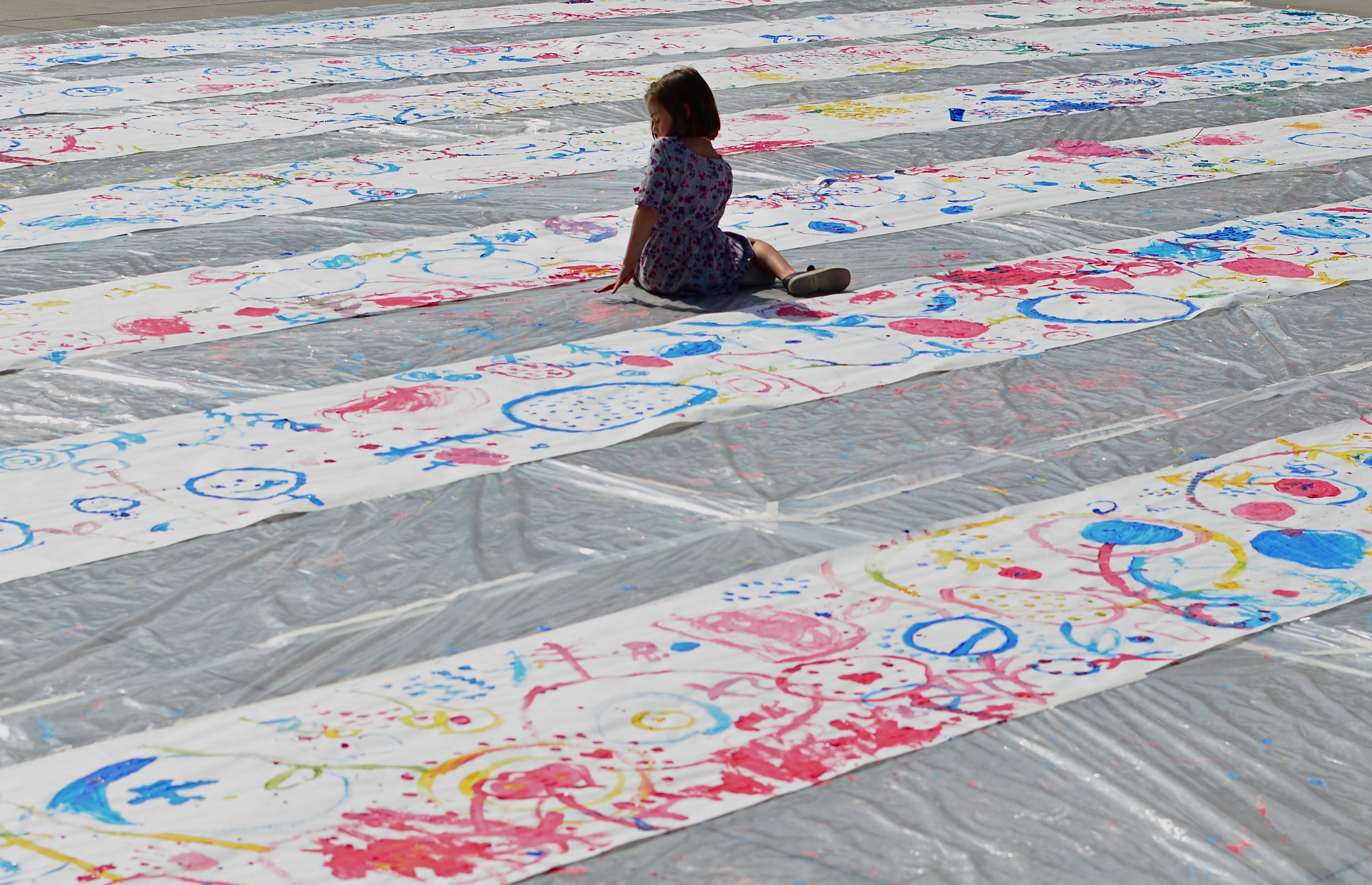
She came from nowhere, and saved the day: 1/1000 sec., f/5.6, ISO 100, 35mm.
by MICHAEL PERKINS
SUNDAY MORNINGS AT THE LOS ANGELES COUNTY MUSEUM OF ART ARE A GAGGLE OF GIGGLES, a furious surge of activity for, and by, little people. Weekly craft workshops at LACMA are inventive, inclusive, and hands-on. If you can cut it, fold it, glue it, paint it, or assemble it, it’s there, with booths that feature encouraging help from slightly larger people and smiles all around. It is a fantastic training ground as well for photographing kids in their natural element.
A recent Sunday featured the rolling out of long strips of art paper into rows along one of the common sidewalks, with museum guides on bullhorn exhorting the young to create their own respective visions with paint and brush. The event itself was rich in possibility, as a hundred little dramas and crises unfolded along the wide, white canvasses. Here a furrowed brow, there an assist from Mom. Fierce concentration. Dedication of purpose. Sunshaded Picassos-in-waiting weighing the use of color, stroke, concept. A mass of masters, and plenty of chances for really decent images.
Most of these events are as fast as they are furious, and so, during their brief duration, you can go from photographic cornucopia to….where did everybody go? Sometimes it’s over so quickly that it’s really tempting to treat the entire thing like low-hanging fruit: a ton of kids pass before your eyes in a few minutes’ time, and you have only to stand and click away. Thing is, I’m a lifelong believer in arriving early and leaving late, simply because the unexpected bit of gold will drop into your lap when you troll around before the beginning or after the end of things. In the case of this museum “paint-in”, the participants scampered on to the next project in one big sweep, leaving their artwork behind like a ruined battlefield. And then, miracle of miracles, one lone girl wandered into the near center of this huge Pollack panorama and sat herself down. The event was over but the vibe was revived. I whispered thank you, photo gods, and framed to use the paintings as a visual lead-in to her. It couldn’t have been simpler, luckier, or happier.
When the “stage” on public events is being either set or struck, there are marvelous chances to peer a bit deeper.People are typically relaxed, less guarded. The feel of everything has an informality, even an intimacy. And sometimes a small child brings the gift of her spirit into the frame, and you remember why you keep doing this.
 thenormaleye