YOU ARE THE CAMERA
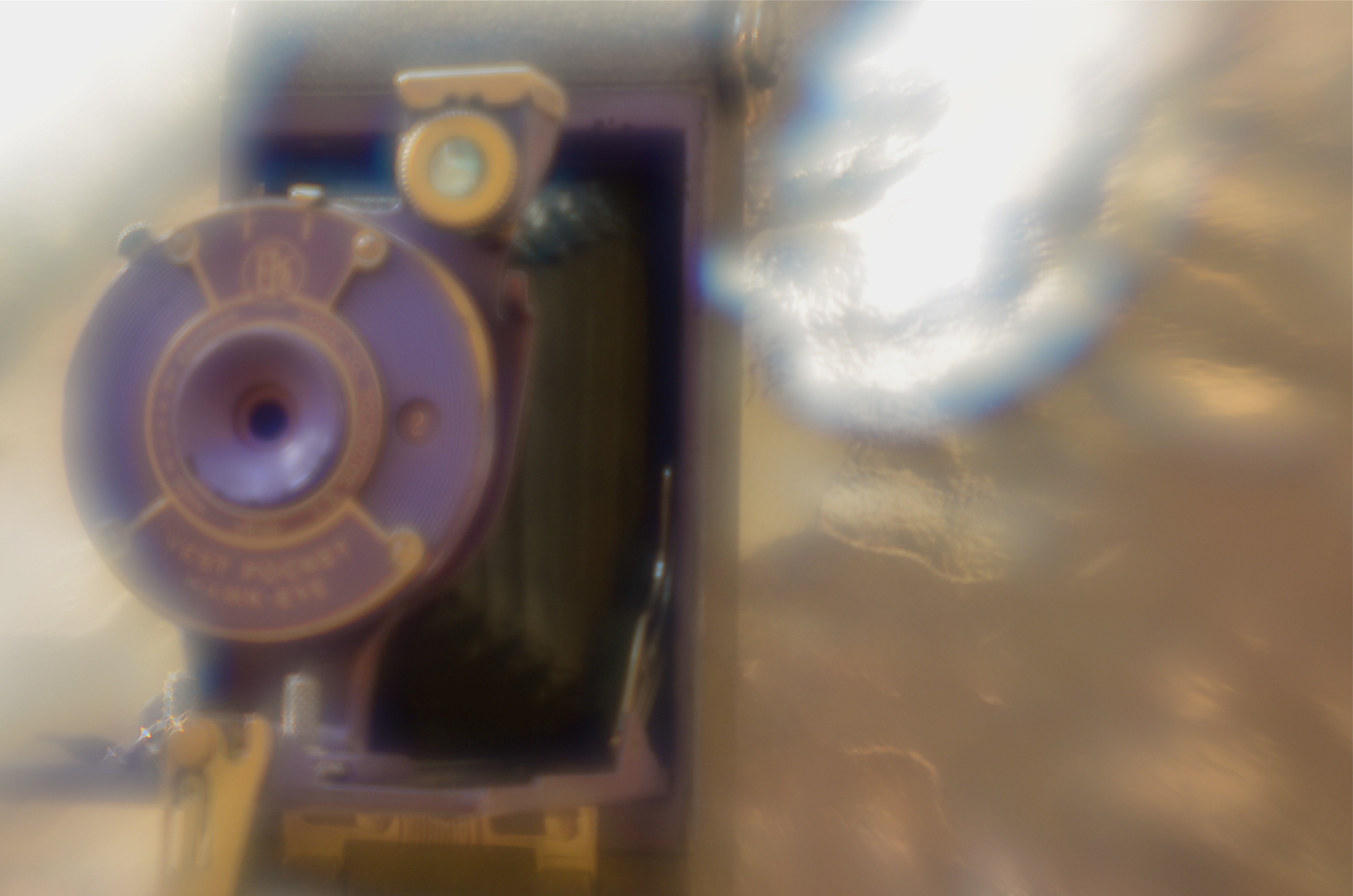
My other camera is not a Hasselblad.
By MICHAEL PERKINS
ON THE DAY I WROTE THIS, the new Hasselblad XI-D-50c medium-format mirrorless camera was announced for pre-order. For the sake of history, it must be recorded here that the introductory price was $9,000.
For the body alone. Lenses (and batteries) not included.
I’m going to let that factoid sink in for a moment, so that you can (a) catch your breath/throw up/faint, or (b) find another blog whose author is impressed by this nonsense.
(Cleansing breath..)
Now, for those who are still with us….
Let me state once more, for the record, that good photography is not defined by either academic training or dazzling hardware. There is no “camera”, in fact, outside yourself. To believe otherwise is to believe that a screwdriver can build a house. Tools are not talent. Moreover, schooling is not a pre-requisite for the creation of art. No one can sell you a camera better than your own brain, and no camera made today (or tomorrow) can save your photography if, like the Scarecrow, you don’t possess one.
I recently read a lament by someone who got his college degree in photography “back when that still meant something”, before the present age, in which, “apparently, everyone’s a photographer”. The sentiment expressed here is that making pictures is the exclusive domain of a few chosen High Priests Of Art, and that all who do not follow the path of the Jedi are, somehow, impure. Pretenders. Usurpers. Monkeys with hand grenades.
This viewpoint, with all its wonderfully elitist flair, was actually rendered obsolete by the introduction of the Kodak Brownie in 1900, since that’s the first time Everyman could pick up and wield a camera without express permission from the Ivy League. Want to see how little it matters how little we know before we hit the shutter? Do your own Google search for the number of world-changing photographers who were self-taught…who, like most of us, simply got better by making lots of bad pictures first. Start with Ansel Adams and work outward.
What does this have to do with Hasselblad’s shiny new Batmobile? Plenty. Because the idea that great images are created by great cameras goes hand-in-snotty-hand with the idea that only the enlightened few can make pictures at all. Never mind the fact that these concepts have been scorned to laughter by the actual history of the medium, as well as its dazzling present. The notion that art is for We, and appreciation is for Thee stubbornly persists, and probably always will. That’s why museum curators get paid more than the artists whose works they hang. Go figure.
But it’s tommyrot.
There is no camera except your own experienced and wise eye. Choose performance over pedigree. You don’t need four years in study hall or a $9.000 Hassie to make a statement. More importantly, if you have nothing to say, merely ponying up for toys and testimonials won’t get you into the club.
OH, BABY, BABY, IT’S A WIDE WORLD
By MICHAEL PERKINS
WHEN USING WIDE-ANGLE LENSES, we believe that we are revealing more “reality”. That is, we began to think that a narrower aspect ratio is somehow “hiding” or clipping off visual information, whereas a wide allows us to “see everything”. But once you’ve shot with a wide-angle for a while, you realize that it’s, at best, a trade-off. The lens giveth and the lens taketh away.
Wide-angles do, certainly, increase the view from left to right, but, in so doing, they add their own little quirks, such as softer resolution along the edges, chromatic aberration, barrel distortion (that feeling that straight lines are bending outward at the sides of the frame), and an exaggeration of the distance between the front and back of the shot.
Bearing all this in mind, I feel that, since a pretty wide lens, the 18-55mm, is now included with nearly every DSLR camera kit, it’s important to see wides as both an aid to showing reality and an effective tool for interpreting or altering it. Think of your wides as art glass, as effects lenses, and you open up your mind to how it can not only record, but comment on your subject matter.
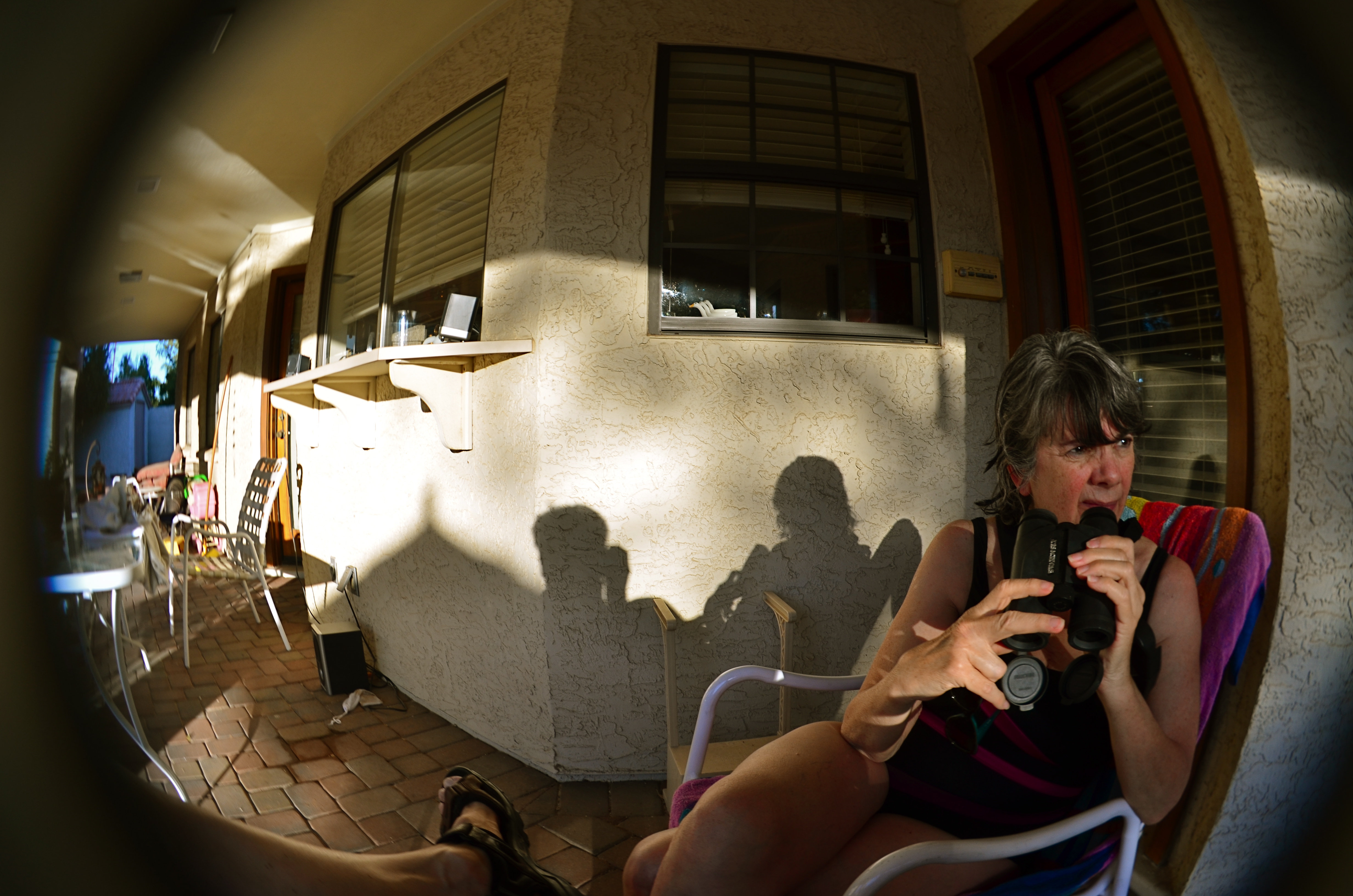
Fisheye lenses demonstrate what all wide-angles do: create an unreal look that can be managed and massaged to fit your ends.
And, let’s take it a step further, as in when wides become ultra-wides, as in the 8 to 12mm range, where the lens becomes a true fisheye. Now we’re consciously aware that we’re using an effects lens, something that is designed specifically for a freakish or distorted look. And now we have to challenge ourselves in a different way.
The standard fisheye shot is a self-contained orb, a separate universe, within which everything radiates distortion outward from the center concentrically, like a kaleidoscope or a paper snowflake. But a fisheye frame can also be composed to combine all the left-right, back-front information of a standard wide-angle (more narrative space) while also playing to the surreal look of something designed to challenge our visual biases of what’s “real”. The effect can also, as in the above image, forcefully direct the viewer’s eye to see along very precise channels. In this picture, the action of the shot begins at the right front, and tracks diagonally backwards to the left year, with the focus softening as you look from “important” to less “important”. The drama in the woman’s face is also abetted by the unnatural dimensions of the image, like one part of a nightmare serving to stage another part.
Wide-angle lenses can conceal and interpret, not just reveal. They allow us to see more from left to right, but there is a lot of wiggle room in how we show it. You have to accept the idea that all optics are distortions of reality to some degree, and make the bias of your particular glass serve your narrative goals.
A QUESTION OF BALANCE
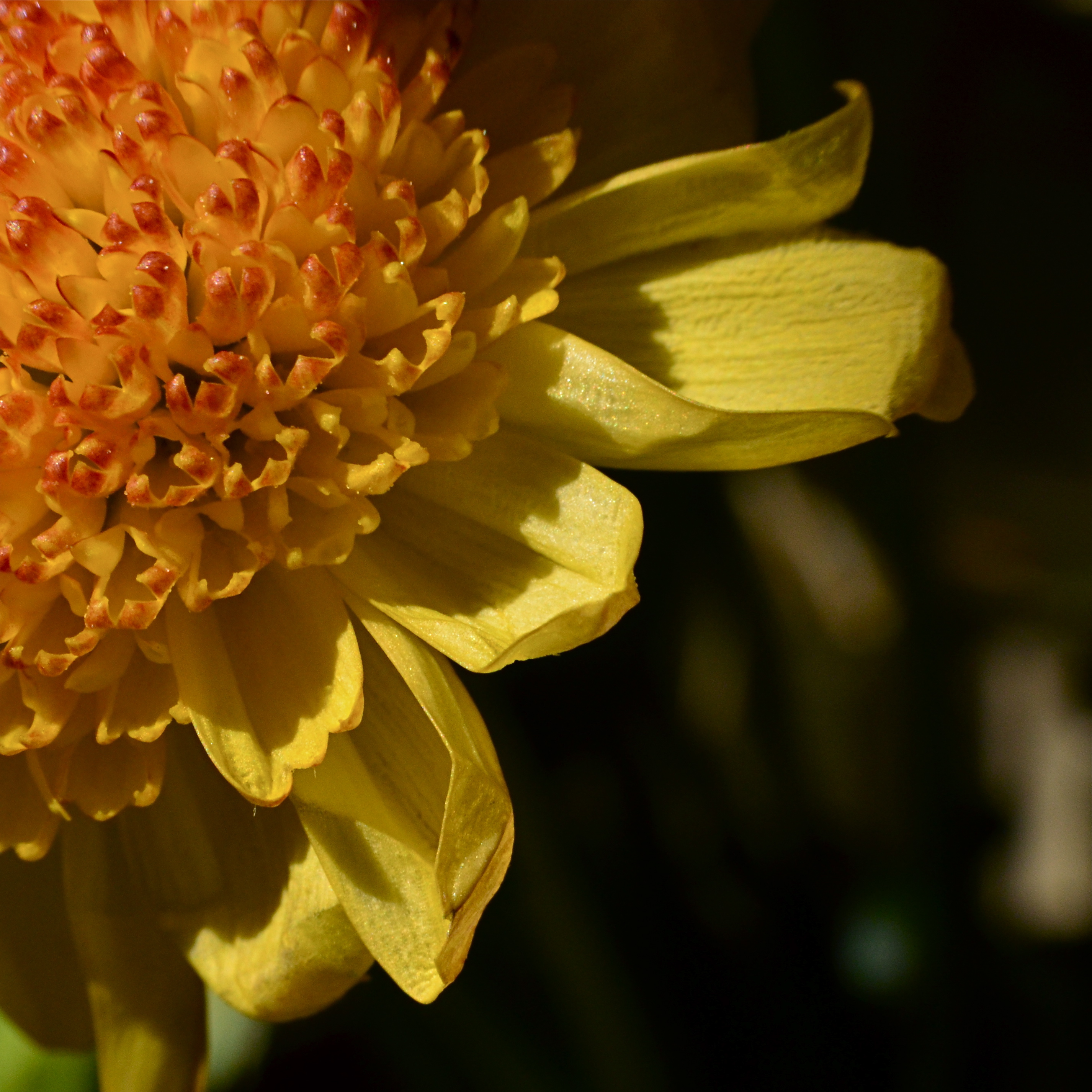
Reporting that beauty exists is also a kind of “journalism”.
By MICHAEL PERKINS
WITH PAINTING AS ITS INITIAL INFLUENCE, THE YOUNG ART OF PHOTOGRAPHY spent its first years trying to record transcendent scenes of the world, from landscapes to portraits, in much the same elegant, poetic way that such subjects were translated to the canvas. Partly due to the limits of early exposure media, the task of making a picture was slower in those first years, almost a contemplative act. And so, in pace and mood, the strange new machine seemed intent on imitating its painterly elder, at least in part to make the argument that even a machine could be imbued with an artist’s eye.
Then came faster film and faster events. The images of war and the advancing grind of city life coincided with the introduction of more responsive films. The snapshot, the ability to catch an accelerating world on the fly, became commonplace. Photography took on a new role as reporter’s tool, a way to visually testify to human problems and their impacts. Photojournalism, in turn, gave way to commerce, which created an image bias in news coverage that persists to the present day. Photos take their tone from the needs of the marketplace. Tragedy outsells beauty. If it bleeds, it leads. Pulitzer prizes aren’t awarded to people who make pictures of daffodils.
And yet, there is a greater need for pictorial beauty than ever before, simply so that our visual diet doesn’t consist solely of red meat and blood. Certainly, the sensational holds tremendous sway over what gets published, re-printed, re-tweeted. The images that stamp themselves on our brains hold many traumas and dramas. Admittedly, some have sparked outrage, which in turn spurs action, and that can be a good thing. But photography can make us hard and jaded as well, and we dare not squeeze beauty into the margins of our consumption. Pictures shape feelings, and they can also condition us to feel less and less about more and more.
From Lewis Hine’s harrowing pictures of children in cotton mills to present-day iPhone dispatches from the latest repressions or riots, photographs are the seismograph of our collective consciences. But just as man cannot live on bread alone, he cannot subsist solely on nightmares. Beauty, harmony, aspiration, hope….we need to capture all these as well, lest, under the barrage of the shell and the bullet, the butterfly is blasted into extinction.
It’s a question of balance.
CUES AND CLUES
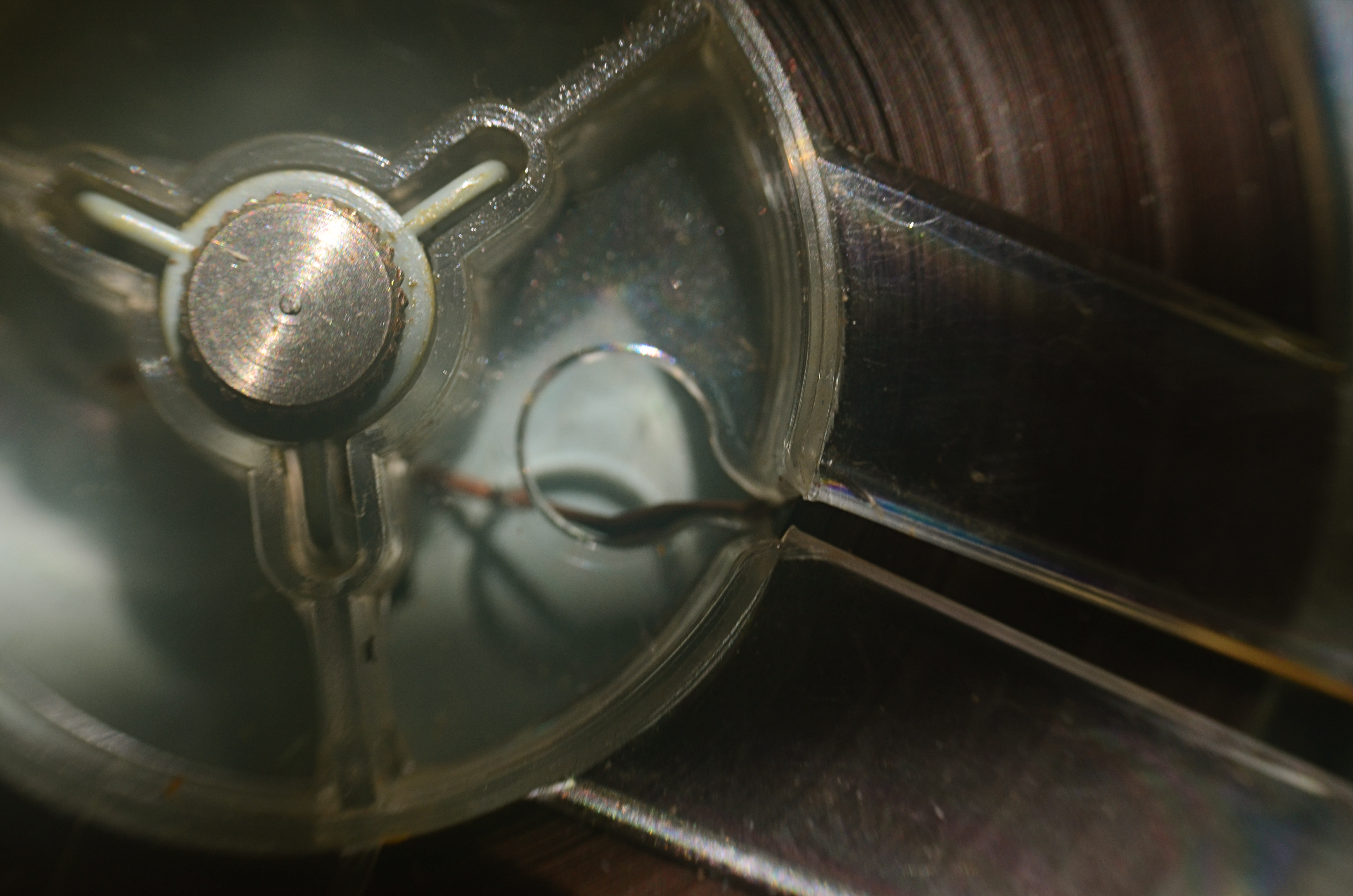
Good Morning, Mr. Phelps (2016). How little of a tape recorder need be shown to convey a sense of that object?
By MICHAEL PERKINS
SAY THE WORD “MINIMALISM” TO SOME PHOTOGRAPHERS, and you conjure visions of stark and spare compositions: random arrangements of light blobs, stray streaks of shadow, or scattered slivers of light, each conveying mood more than content. For some, these images are a kind of “pure” photography, while, for others, they are, to use a nice word, incoherent. Part of us always wants a picture to be, in some way, about something, and the word minimalism is charged, positively or negatively, depending on whether that “narrative thing” happens.
I actually associate minimalism with the formal storytelling process, but doing so with the fewest elements possible. It seems like a natural evolution to me, as I age, to make pictures talk louder with fewer parts. Simple cropping shows you how much more you can bring to an image by taking more of it away, and, with closeups and macro work, the message seems even clearer. Why show an entire machine when a cog carries the same impact? Why show everything when suggesting things, even leaving them out entirely, actually amps up the narrative power of a photograph?
Of course there are times when mere shape and shadow can be beautiful in themselves, and it doesn’t require a lot of windy theorizing to justify or rationalize that. Some things just are visually strong, even if they are non-objective. But minimalism based on our impressions or memory of very real objects, from a pocket watch to a piece of fruit, can allow us to tell a story with suggestions or highlights alone. If something is understood well enough, just showing a selectively framed slice of it, rather than the thing in its entirety, can be subtly effective and is worth exploring.
In the above image, you certainly understand the concept of a tape recorder well enough for me to excise the device’s chassis, controls, even half of its reel mechanism and still leave it “readable” as a tape recorder. You may find, upon looking at the picture, that I could have gone even farther in simplifying the story, and in your own work, you can almost certainly suggest vast ideas while using very small bits of visual information. Knowing the cultural cues and clues that we bring with us to the viewing process tells you how far you can stretch the concept.
LOST LESSONS

Photography can’t grow as part of an assembly line with social media “likes” as its only measure of quality.
By MICHAEL PERKINS
THE IMMEDIATE GRATIFICATION OF MODERN PHOTOGRAPHY IS A DOUBLE-EDGED SWORD. On one side of the blade, we have effectively eliminated the time-consuming trial-and-error that frustrated generations of shooters. Pictures come practically at our whim, and the instantaneous ability to correct images in the moment results in a learning curve shortened by years. We can potentially get better and know more faster and faster.
That’s the good part.
On the rustier side of the sword, there is the potential for us to crank out photos so quickly that we take less and less time to evaluate them individually. The subtle changes in quality that are contained in a burst of twenty quick shots are lost to us, along with whatever lessons they may impart. We make a general, slapdash call as to what the so-called “keepers” in a batch are, and rush them into the public arena for instantaneous approval. This sprint toward the highest count of “likes” and “views” usually means that we are putting many pictures out there that are not ready for prime time, simply because, technically, we can.
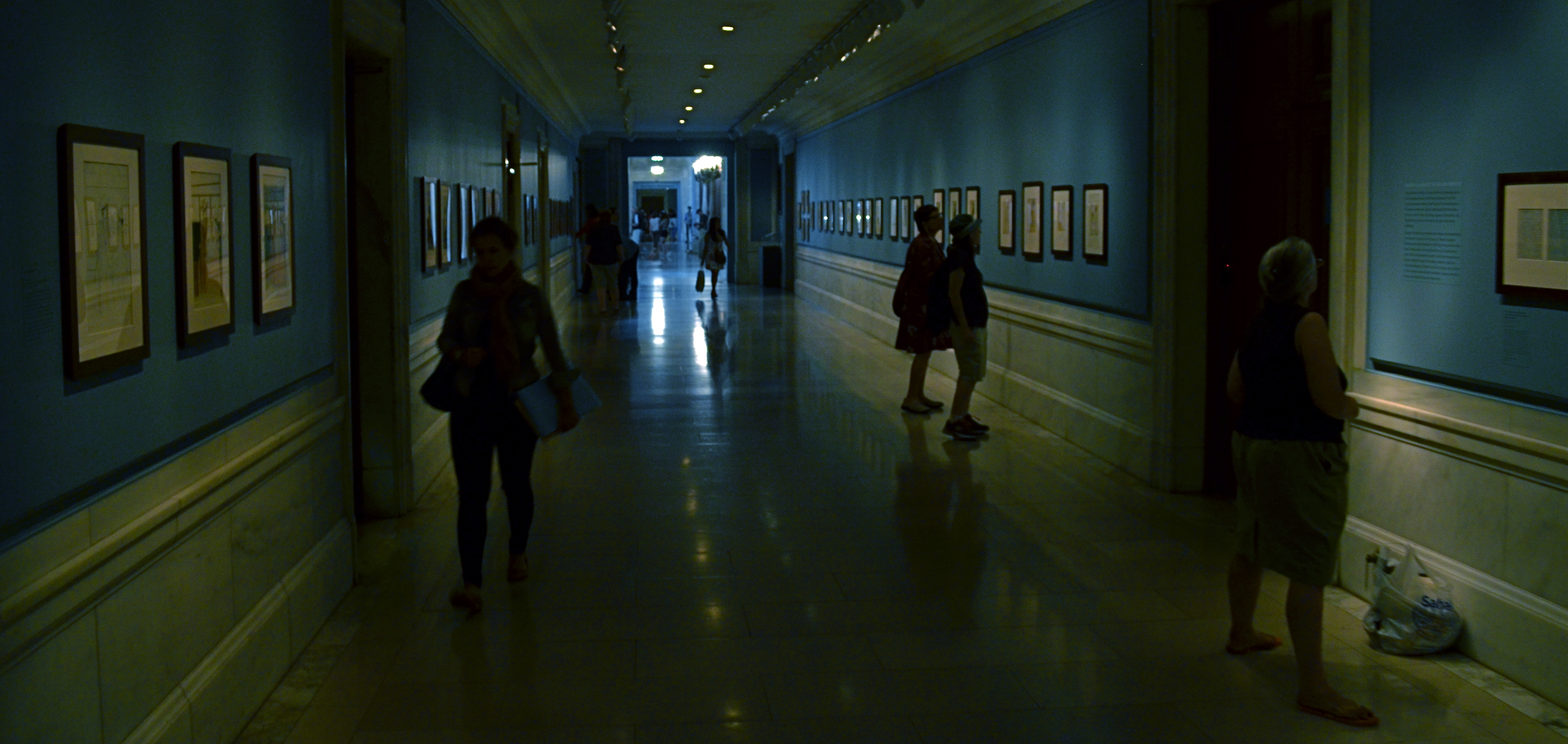
We have to be our own best photo editors.
Social media offers very little in the way of qualitative feedback on what we’ve done right or wrong with a picture. Only our own objective editorial judgement can truly provide that. But we are abdicating that role in our all too human desire for approval, even though online clicks are not so much “approval” as reflexive twitching. Most of us won’t have the luxury of working for hate-crazed photo editors or presenting our work in truly competitive environments, and that puts the responsibility squarely on us. If we don’t act as our own best critics, taking the time and deliberation necessary to evaluate where we’re growing and where we’re stunted, then who is to blame for our failure as artists? Our pals on Facebook?
One great thing about the film era: it forced us to proceed at a more deliberative pace. We were producing photographs slow enough to allow us to make real judgements about them as they emerged. Now we are more like Lucy and Ethel in the chocolate factory. We strive to stay ahead of the merciless assembly line, rather than see if chocolate 5,556 is actually better, or worse, than 5,557.
If you believe, as I do, that more lessons are learned from the pictures that fail, then you must slow down long enough to make sure those lessons are not lost in a meaningless blur.
FAILING TO SEE THE BIG PICTURE
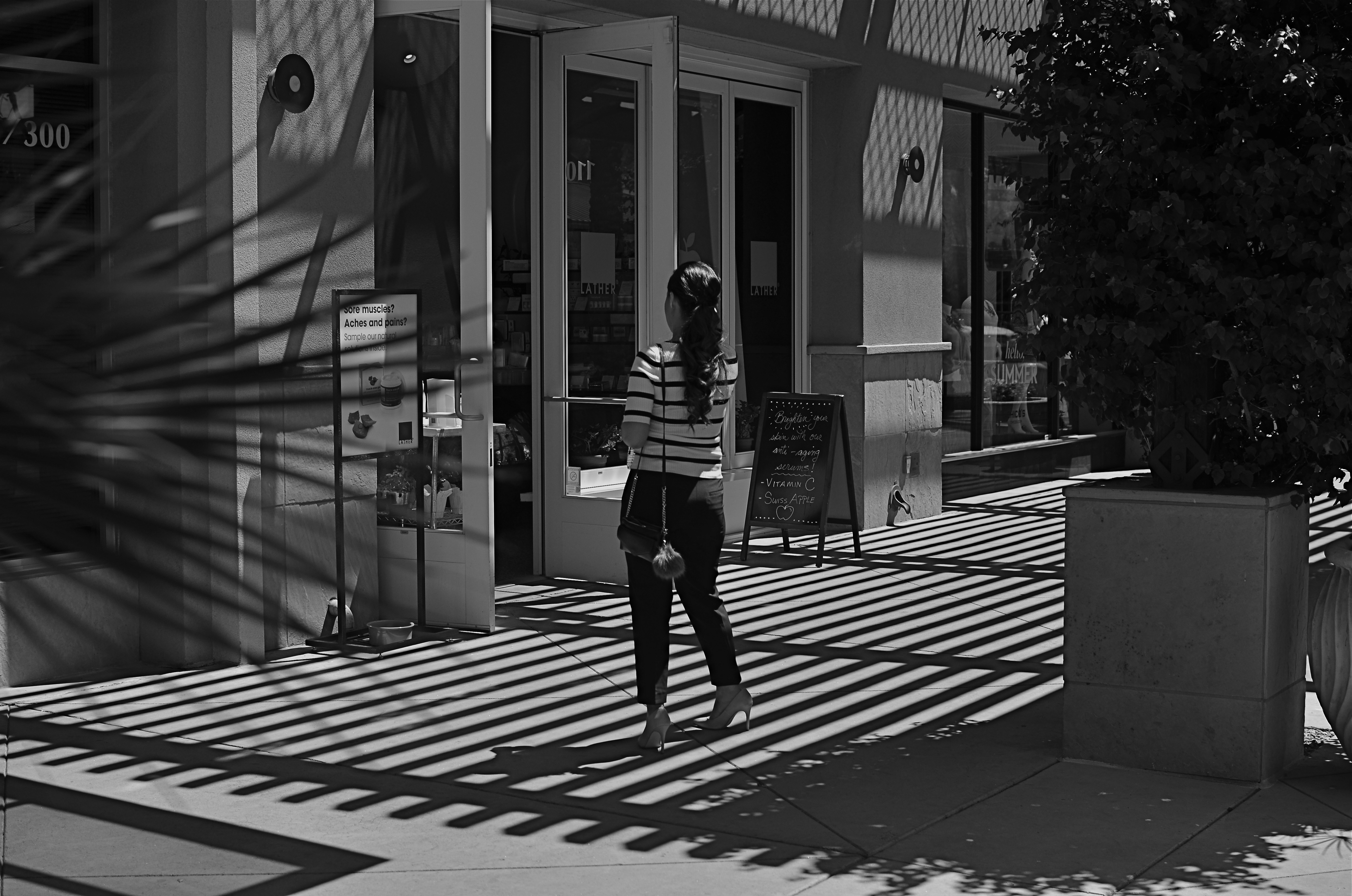
This image lingered in the “maybe” pile for a while. Then I started to see how much of it was expendable (see below).
By MICHAEL PERKINS
IT’S ENTIRELY POSSIBLE THAT MANY A WORKABLE PHOTOGRAPH HAS ONLY BEEN RENDERED SO BECAUSE OF SHEER BOREDOM. Face it: there are bound to be days when nothing fresh is flowing from one’s fingers, when, through lack of anything else to do, you find yourself revisiting shots that you 1) originally ignored, 2) originally rejected, or 3) were totally confounded by. Poring over yester-images can occasionally reveal something salvageable, either through processing or cropping, just as they can more often lead one to want to seal them up behind a wall. Even so, editing is a kind of retro-fitted variation on composition, and sometimes coming back around to a picture that was in conceptual limbo can yield a surprise or two.
I’m not suggesting that, if you stare long enough at an image, a little golden easter egg will routinely emerge from it. No, this is where luck, accident, and willpower usually converge to sometimes produce…..a hot mess, and nothing more. But leaving a picture for a while and returning to it makes you see with the eye of the outsider, and that can potentially prove valuable.
In the above shot, taken a few months go, I had all this wonderful gridded shadow texture presenting itself, shading what was otherwise a very ordinary stretch of sidewalk. A thought emerged that the stripes in the woman’s short might make an interesting contrast with the pattern of the shadows, but, after cranking off a frame or two, I abandoned the idea, just as I abandoned the shot, upon first review.
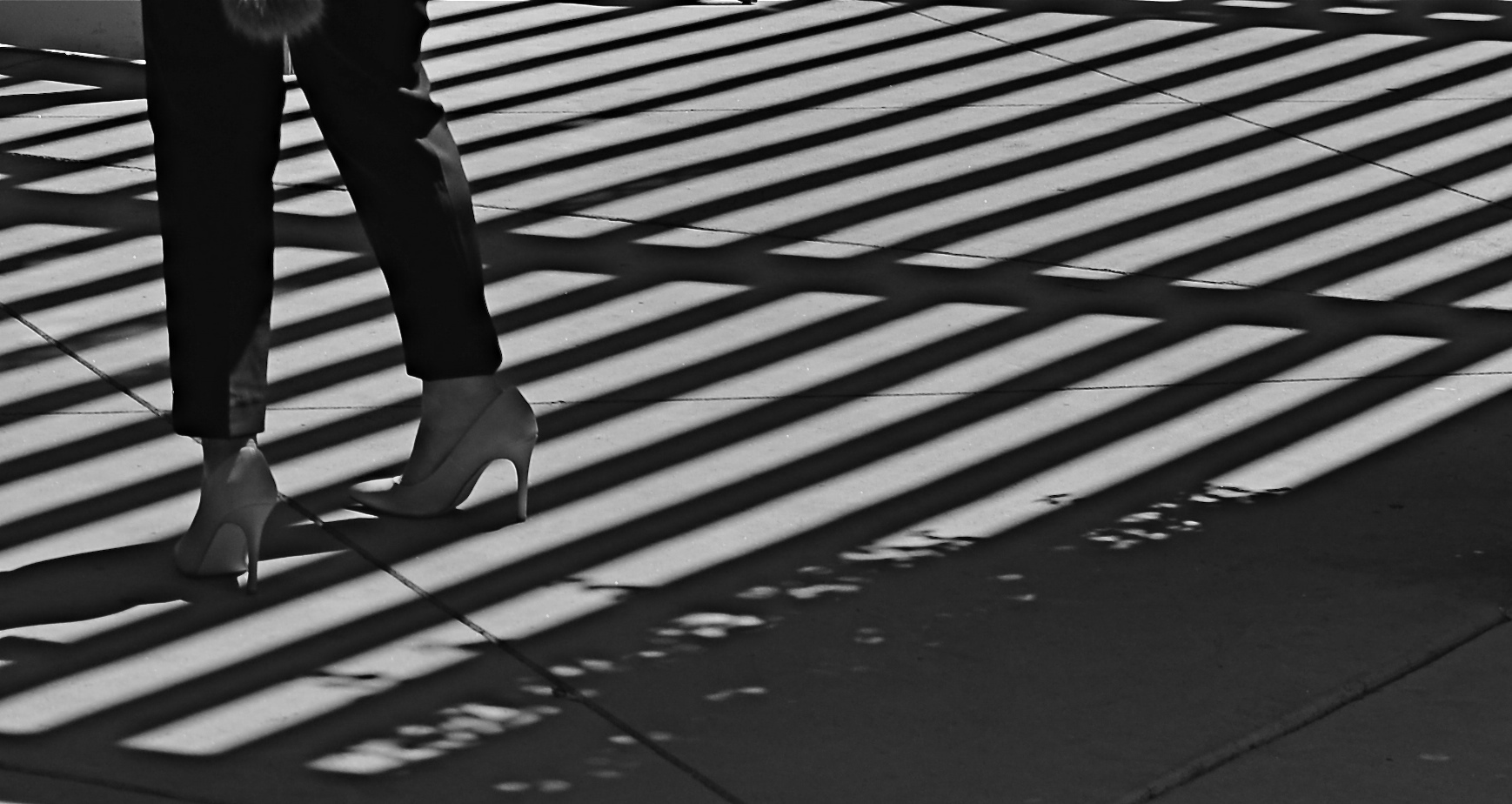
Several big bites of the scissors later…
Months later, I decided to try to re-frame the shot to create a composition of one force against another…..in this case, the verticality of the lady’s legs against the diagonal slant of the shadows. That meant paring about two-thirds of the image away. Originally I had cropped it to a square with her lower torso at dead center, but there seemed to be no directional flow, so I cropped again, this time to a shorter, wider frame with the woman’s form reduced to the lower half of her legs and re-positioned to the leftward edge of the picture. Creating this imbalance in the composition, which plays to the human habit of reading from left to right along horizontal lines, seemed to give her a sense of leaving the shadows behind her, kind of in her wake if you will. At least a little sense of movement had been introduced.
I felt that now, I had the tug of forces I had been seeking in contrasting her blouse to the opposing grid in the master shot. I’m still not sure whether this image qualifies as having been “rescued”, but it’s a lot less busy, and actually directs the eye in a specific way. It will never be a masterpiece, but with the second sight of latter-day editing, you can at least have a second swipe at making something happen.
EQUATIONS
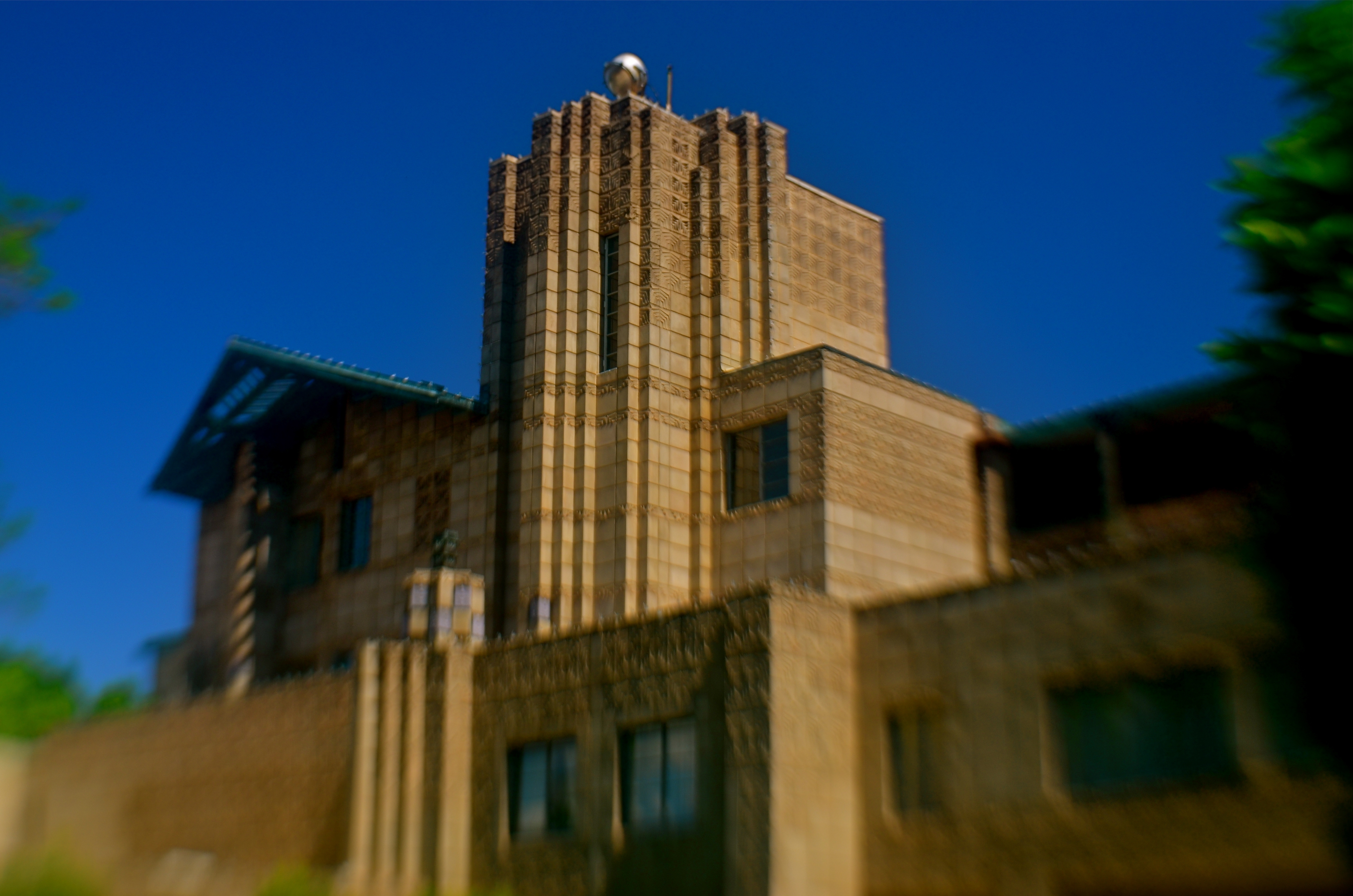
“Sharpness” can mean so many things to so many different photographers.
By MICHAEL PERKINS
EVERY CHANGE YOU MAKE IN THE CREATION OF A PHOTOGRAPHIC IMAGE also changes every other element of the picture.
You can’t alter a single element in a photo in isolation. Each decision you make is a separate gear, with its own distinctive teeth, and the way those teeth mesh with all the other gears in the photographic equation determines success in the final picture.
As an example, let’s look at sharpness, perhaps the big “desirable” in an image. The term sounds simple, but is, in fact determined by an entire raft of factors, among them:
A) Choice Of Lens. How uniform is the sharpness of your glass? Is it softer at the edges? Completely sharp at smaller apertures? Does it deliver amazing pictures at one setting while causing distortions or inaccuracies at another?
B) Aperture. The most basic predictor of sharpness, whether you scrimped or splurged on Item “A”.
C) Choice Of Autofocus Setting. Are you telling your camera to selectively sharpen a key object in an isolated part of your image, or asking it to provide uniform sharpness across the entire frame?
D) Anti-vibration. On some longer exposures (for example, on a tripod) this feature may actually be costing you sharpness. Protecting your shot against the hand-held shakes is good. Confusing a camera with active Anti-vibe on a stabilized shot may not work out as well.
E) Contrast. Some people believe that the sharpness of lines and textures is actually the viewable distance between light and darkness, that contrast is “sharpness”. Based on what you prefer, other big choices can be affected, such as the decision to shoot in color or black and white.
F) Stability. Deals with everything from how steady you grip a camera to what else besides yourself, from shutter triggering to SLR mirror shifting, can cause measurable vibration, and thus less sharpness.
G) Editing/Processing. This is where miracles occur. Sometimes. Other times, it’s where we try to slap lipstick on a pig.
We could go on, and so could you. And then consider that this quick checklist only deals with sharpness, just a single element, which, in turn, affects every other aspect of your pictures. Photography is a constant juggling act between technique, experience, experiment, and instinct. What you want to show in your images will dictate how much (or how well) you keep all those balls aloft.
SALVAGING THE FEEL
By MICHAEL PERKINS
EVEN IF YOU ARE IN THE HABIT OF PACKING A CAMERA ALONG WHEREVER YOU GO, you can only predict some of the conditions you might encounter in a given shooting situation. If you’ve guessed well, you can be ready (depending on how much gear you have with you) for about 75% of the shots you may want to take. What’s left, make no mistake, is a mixture of guesswork and luck, the kinds of shots where you adapt on the fly.
Night shots employ a completely different set of skills from daylight shots. What looks mysterious and romantic to your eye may be a mushy muddle to your camera, and that forces a lot of sudden sorting-out of your choices. On the night of the above shot, taken along the shoreline in Ventura, California, I had not planned on shooting anything at all after nightfall. I loved the deeper blues of the sky as they played just before sundown, and I was especially enjoying watching local kids playing against the darkening surf. Following a few dozen clicks up and down the beach, I walked back inland a block or so to join my wife and some friends at a nearby restaurant, considering myself done for the day.
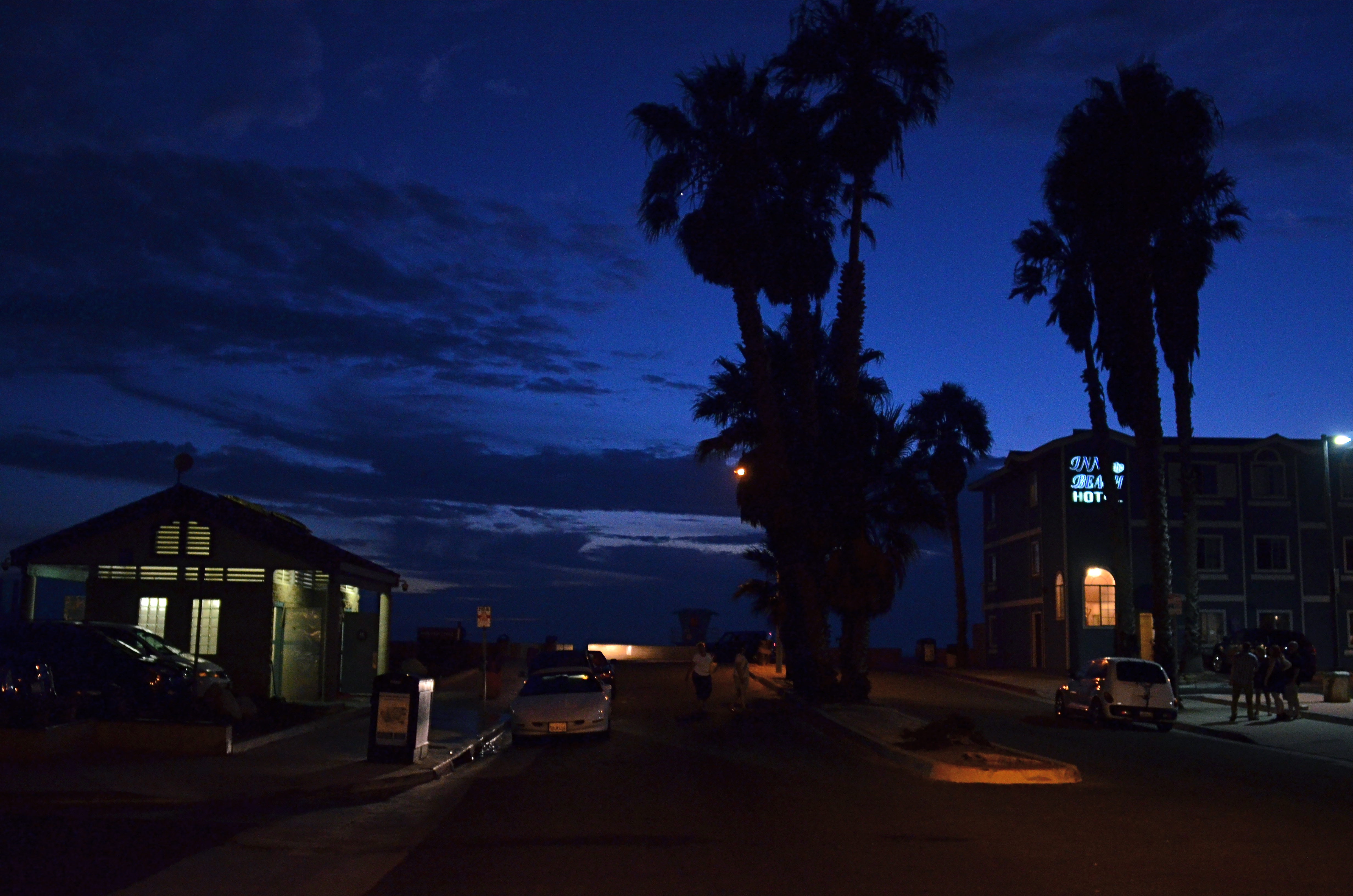
Here Comes The Night (2015). 1/40 sec., f/2.8, ISO 1600, 24mm.
That all changed after dessert, when we walked back onto the street that led down to the shore. I had a 24mm prime lens with me, which had been perfect for the wide-angle coastline stuff, but could also shoot wide open to f/2.8….fairly fast. As the night colors were already deepening, however, I realized that 2.8 was still going to mean shooting as slow a shutter speed as I could hand-hold and jacking the ISO up to a level that I normally tend to avoid. Those were the basic facts on the ground: now it was time to weigh the trade-offs.
Local traffic was swift enough for me to know that, even though I could hand-hold a shutter as slow as 1/15, there would be more than enough soft detail in a shot taken at f/2.8 without risking even more blurring from cars and walkers, so I settled at 1/40 and allowed the ISO to go to 1600 rather than lose the shot entirely.
Obviously, a tripod-mounted time exposure would have delivered a much crisper, more detailed shot, especially at f/11 or above, but I had what I had. And if you’re stuck with the somewhat mushier texture of a wide aperture, you have to determine where you envision the real impact of the image you’re planning. Is it in the fine-tuned detail or the overall atmosphere? There will be times when just salvaging the feel outweighs sharpness as a consideration, and, for me, this was one of those times.
POCKET MASH-UPS
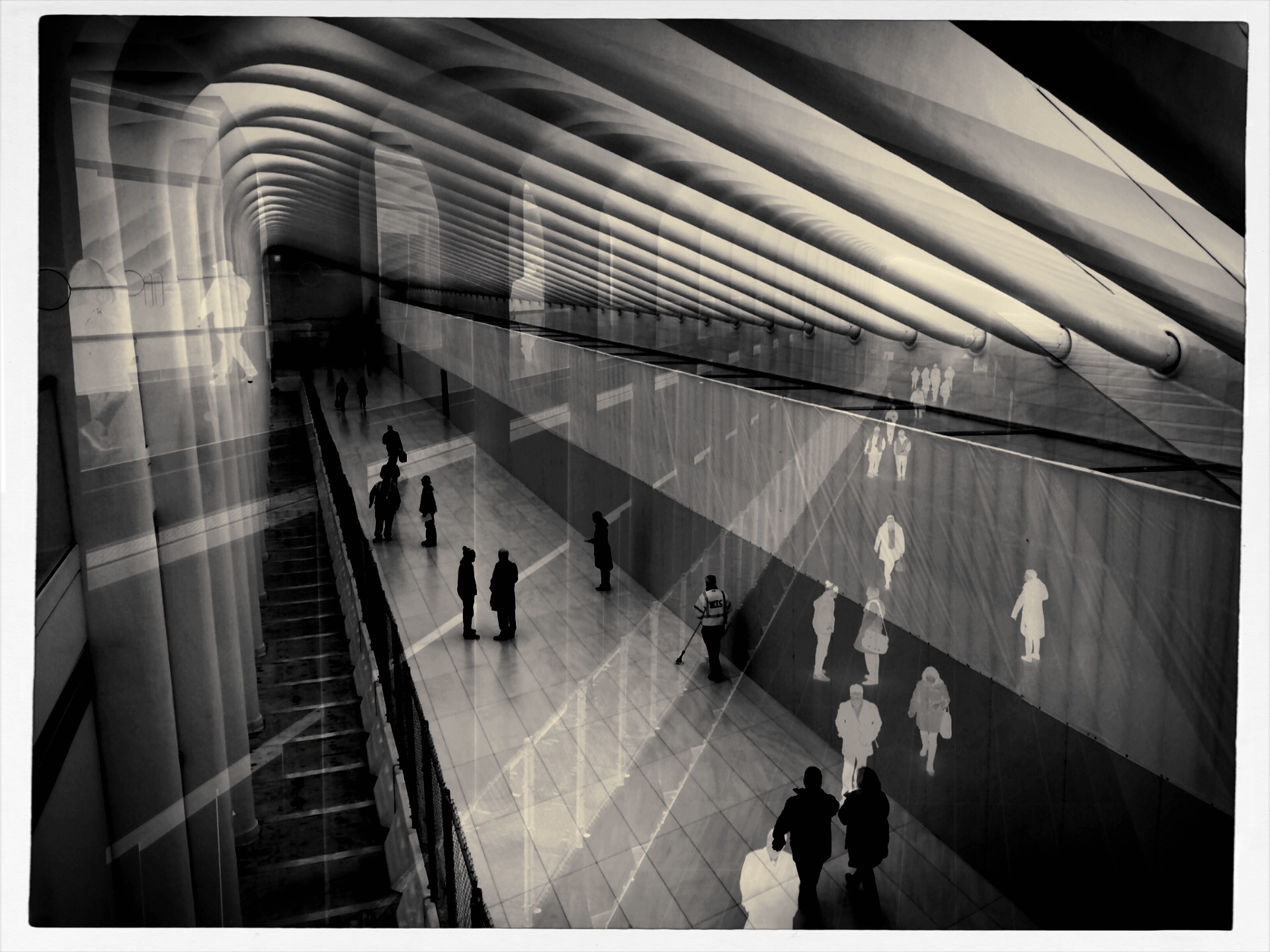
Cross-Purposes (2016)
By MICHAEL PERKINS
IT’S TRICKY TRYING TO TRACK THE HISTORIC ORIGINS OF PHOTOMONTAGE, or to even isolate great early practitioners of the technique. Suffice it to say that, ever since the development of the glass negative, people have wondered what it would look like if you stacked one of them on top of the other and printed the result. Opinions vary wildly as to whether the results of such experiments constitute madness or miracle…it’s a taste thing. One thing is clear, however: the mobile age presents easier means than ever before for diving in to the montage pool and creating fast experiments at a fraction of the hassle experienced in film days.
(Now is the part where you decide whether that’s a good thing…..)
One of the top benefits of phone-based cameras is the huge number of highly responsive apps targeted at the tinkerer, the guy who wants to try just one more filter, one more effect, or a grand mash-up of everything together. Unlike the days of lab-based development and printing, digital montages are almost an immediate thrill. Better still, they can be re-imagined and re-done with the same short turnaround time inherent in all digital processes. That means that certain types of shots that would have priced themselves out of many a film shooter’s budget or know-how in Film-World are now just givens in Digital World.
(Now is the part where you decide how you feel about that…..)
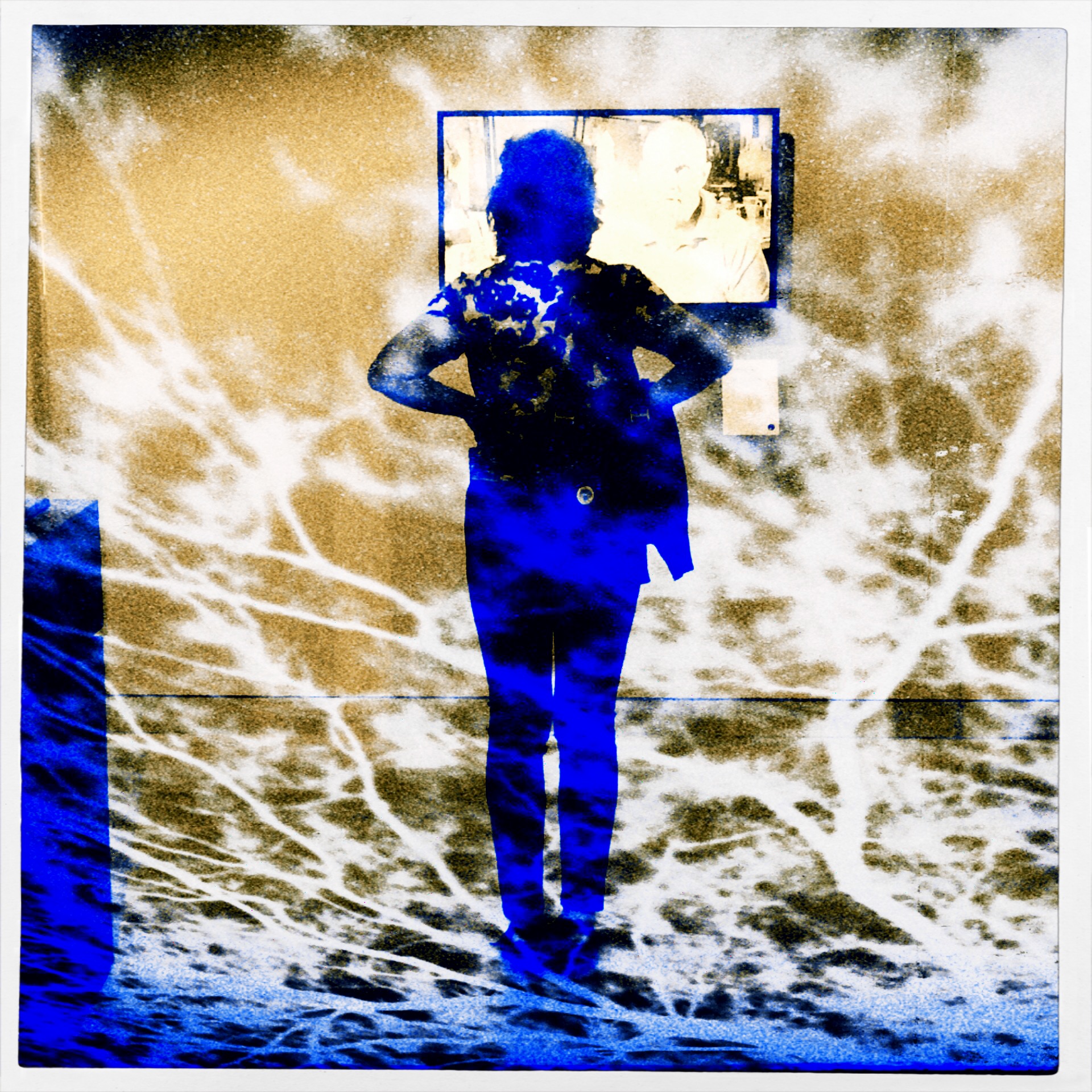
Immersive Experience (2016)
If the same tools for experimentation or interpretation are in everyone’s hand, then such effects are no longer judged as wonderful just because they are rare, or novel, but for how well they are employed. In fact, a gimmick like photomontage can quickly become tiresome if over-used or under-inspired. The sample shots in this post are two-image composites processed on an app called Fused, which allows two photos at a time to be overlaid and custom-blended for a variety of contrast and color tweaks. Sometimes the effect can help pictures which are totally dissimilar find some common bond, but, at least for me, about 90% of the blends I try are kinda meh and are sent to the Phantom Zone faster than you can say “well, that didn’t work”. You can’t force the linkage just to be arty (well, of course you can, but..).
Pocket mash-ups are just one more way to untether photography from “reality” (whatever that is), and channel it into a personal form of abstract expression. That means it’s all about you. So what’s not to like?
TAKING OFF THE TRAINING WHEELS
By MICHAEL PERKINS
IT’S HARD TO BE ANGRY WITH ANY TREND THAT MAKES PHOTOGRAPHY MORE DEMOCRATIC, or puts cameras into more hands. Getting more voices in the global conversation of image-making is generally a great things. However, it comes with a price, one which may make many people actually give up or stagnate in their growth as photographers.
We may be killing ourselves, or at least our art, with convenience.
Cameras, especially in mobile devices, have exponentially grown in ease (and acuity) of use over the last fifty years, but they are actually teaching people less and less about what, technically, is happening in the making of an image. The nearly intuitive logic of smaller and easier cameras means that many people, while busily snapping away and producing billions of pictures, are being more and more estranged from any real knowledge of how it’s all being done.
This is a vicious circle, since it guarantees that a greater number of us will be more and more dependent upon our cameras to make the bulk of the creative decisions for us, more obliged to accept what the camera decides to give us. In some very real way, we are being shortchanged by never having had to work with a garbage camera. Let me explain that.
Being forced to do creative work with an unyielding or primitive tool puts the responsibility for (and control of) the art back on the artist. Those who began their shooting careers with limited box cameras understand this already. If you start making pictures with a device that is too limited or “dumb” to do your bidding, then you have to devise work-arounds to get results. That means you learn more about what light does. You learn what ideal or adverse conditions look like. You see what failure is, and begin to dissect what didn’t work for a stronger understanding of what may work next time. You learn to ride a bike without training wheels, and thus never need them.
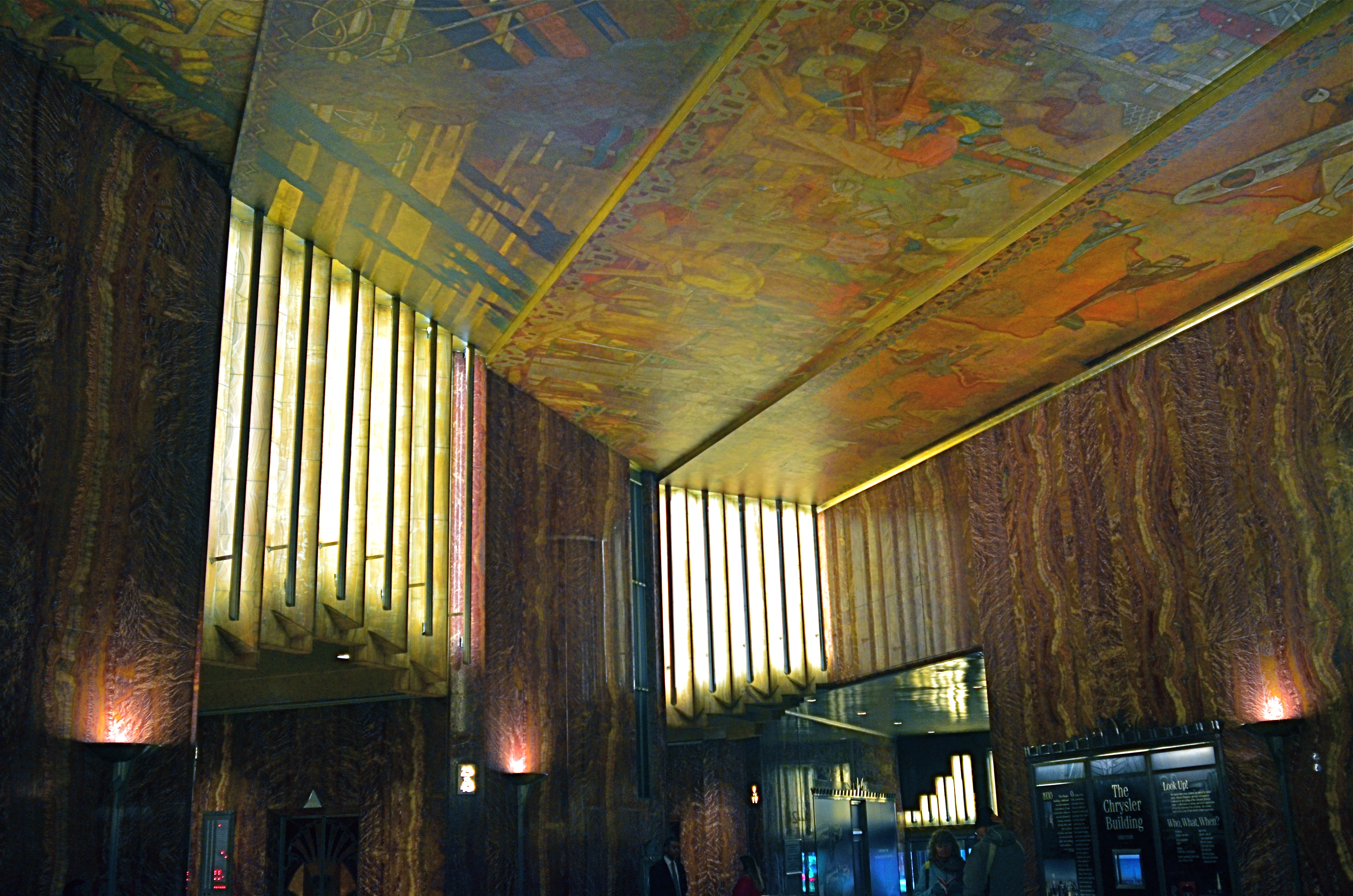
The dark lobby of New York’s Chrysler building: An extremely challenging setting for low-light photography. I screwed this up on a cosmic scale, but I learned a ton. Shooting on automodes, I would have learned precisely…nothing. And the picture still would have stunk.
The above image, taken on manual settings in a less-than-ideal setting, has about a dozen things wrong with it, but the mistakes are all my mistakes, so they retain their instructive power. If something was blown, I know how it can be corrected, since I’m the one who blew it. There is a clear linear learning process that benefits from making bad pictures. And if my camera had done everything itself and the picture still reeked, then I’d be stuck with both failure and ignorance.
Cameras that remove the risk of failure also remove the chance of accidental discovery. If you always get acceptable images, you’re less likely to ask what lies beyond….what, in effect, could be better. You accept mediocrity as a baseline of quality. And editing tools that consist mostly of corrective solutions, from straightening to sharpening, keep you from addressing those errors in the camera, and that, too, robs you of valuable experience.
Convenience, in any art medium, can either abet or prevent excellence. The amount of curiosity and hunger in the individual is the decisive factor in moving from taking to making pictures. For my money, if you’re going to grind out the process of becoming an artist, you can’t rely on equipment that is designed to protect you from yourself.
THE WANDERING
By MICHAEL PERKINS
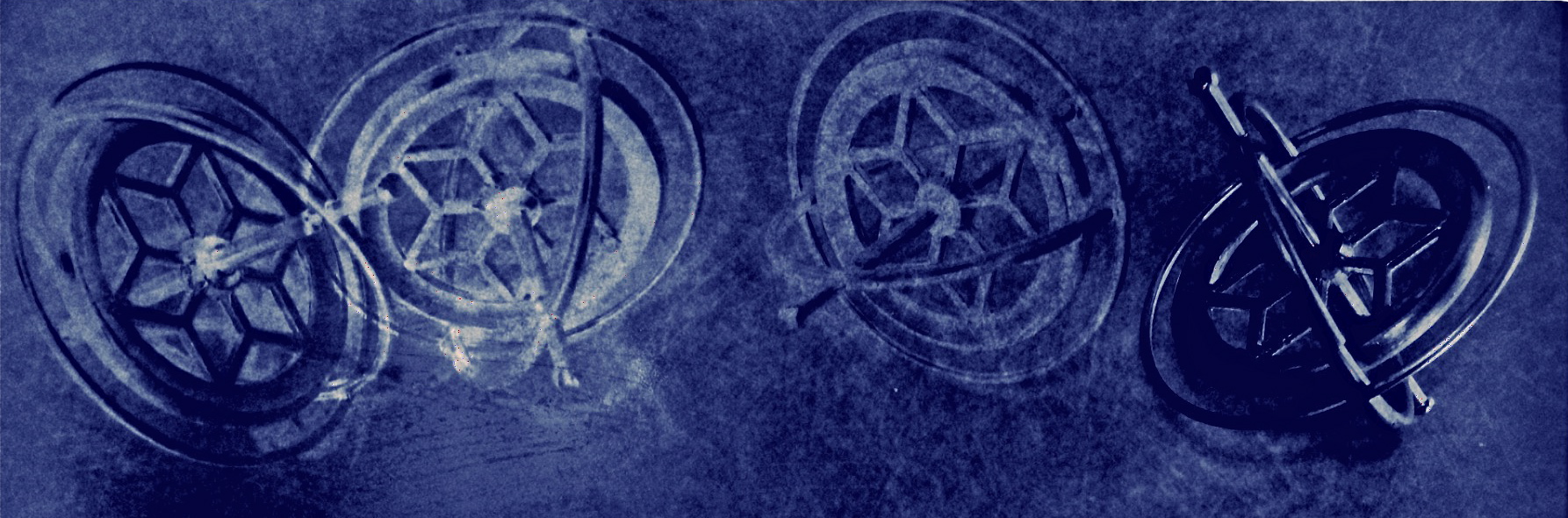
IN ONE OF LIFE’S GREAT IRONIES, YOU TRULY BECOME A PHOTOGRAPHER the first time you consider chucking all your gear off a cliff and never taking a picture again. Just as you can’t understand faith until you nearly lose it, you can’t really become an excellent maker of pictures unless you’ve been paralyzed, even a little frightened, in considering the distance between what you know and what you need to know.
All visual arts, all arts in general, really, are pursuits. We are chasing something, either in our work or in ourselves. Maybe both. We don’t always know what it is, but we sure as hell know what it’s not. Calling forth an image from a mix of instinct, experience and light seems like an easy thing, since there are so many cameras that deliver acceptable pictures with a minimum of effort. Unlike the early days of the medium, it’s no longer an uphill struggle technically getting “a” picture.
Ah, but getting “the” picture…that’s the work of a lifetime.
Sometimes, that challenge seems glorious. A crusade. Other times, it’s a slog. And, occasionally, the wandering between what you see in your head and what you can deliver in a given picture is exhausting, and you will sometimes want to stop. For good. Many do, and many more ache to.
The technical part of photography can certainly be taught, just as there is not that much to the mere mechanics of hitting a baseball or driving a car. Getting to the excellence, however, is daunting. And if you’re hung up on destinations, on “getting there”, realizing that it’s actually about the journey can be heartbreaking. You want to arrive at perfection, and you realize that you never can.
You have to learn to live on little glimpses of the prize, those flickers of wow when an image starts to take on its own life. That’s the payoff. Not praise, or publication, or a million “likes” on Instagram. Because it really doesn’t matter a damn what others think of your work. If you don’t love it, all the applause in the world just becomes noise. The pictures have to be there. For you. The wandering has to amount to something.
Once you learn to find fault in even your favorite brainchildren, you can father better ones going forward. Even better, once you know what your work looks like when you’re lost, the closer you are to being found. Eventually, photography is like anything else you can care passionately about. The fire carries you through when the progress won’t.
So hang on. There’s light up ahead.
Go catch it.
CUT YOUR LOSSES
By MICHAEL PERKINS
ANYONE WHO’S SLOGGED THROUGH MORE A FEW OF THESE DISPATCHES knows all too well that I am a passionate preacher for shooting images completely on manual, not because it’s a more “pure” form of photography (and thus deserving of nobility and praise), but because I prefer to exercise as much personal control as possible. This, again, is not a quality judgement, since amazing pictures are made every day with the use of either complete or partial automodes. I just feel that I, personally, learn more by trying more, and manual settings place so much direct pressure on me to innovate and experiment that even my gross failures serve as education.
Sometimes. And other times they’re well, just gross.
The mode known in Nikon as Aperture Priority (“Av” on Canons) is the only semi-auto mode I use with any regularity, and always because I make an educated guess, before going on a shoot, about what conditions will likely prevail. AP allows you to manually dial in your aperture on those occasions when you want a uniform depth of field in everything you’re shooting, with your camera metering light on the fly and providing the shutter speed you need for a correct exposure. AP tend to be a rare bird for me because, in many cases, I am not shooting so fast that I can’t pause at least a few seconds between frames to dial in every exposure factor. However, there are cases when the technology gives you a decided edge.
Landscapes, especially in rapidly variable weather, call upon the shooter to react to conditions that could last, at best, for only seconds at a time. When skies are crystal clear and you have ample time to set up a shot, then, by all means, rely on your own experience shooting on full manual. If, however, you are moving and shooting quickly from dark to medium to extreme light and back again, then you might consider AP as a way to cut your reaction time in half. At this point, full manual may be costing you shots rather than making them better.
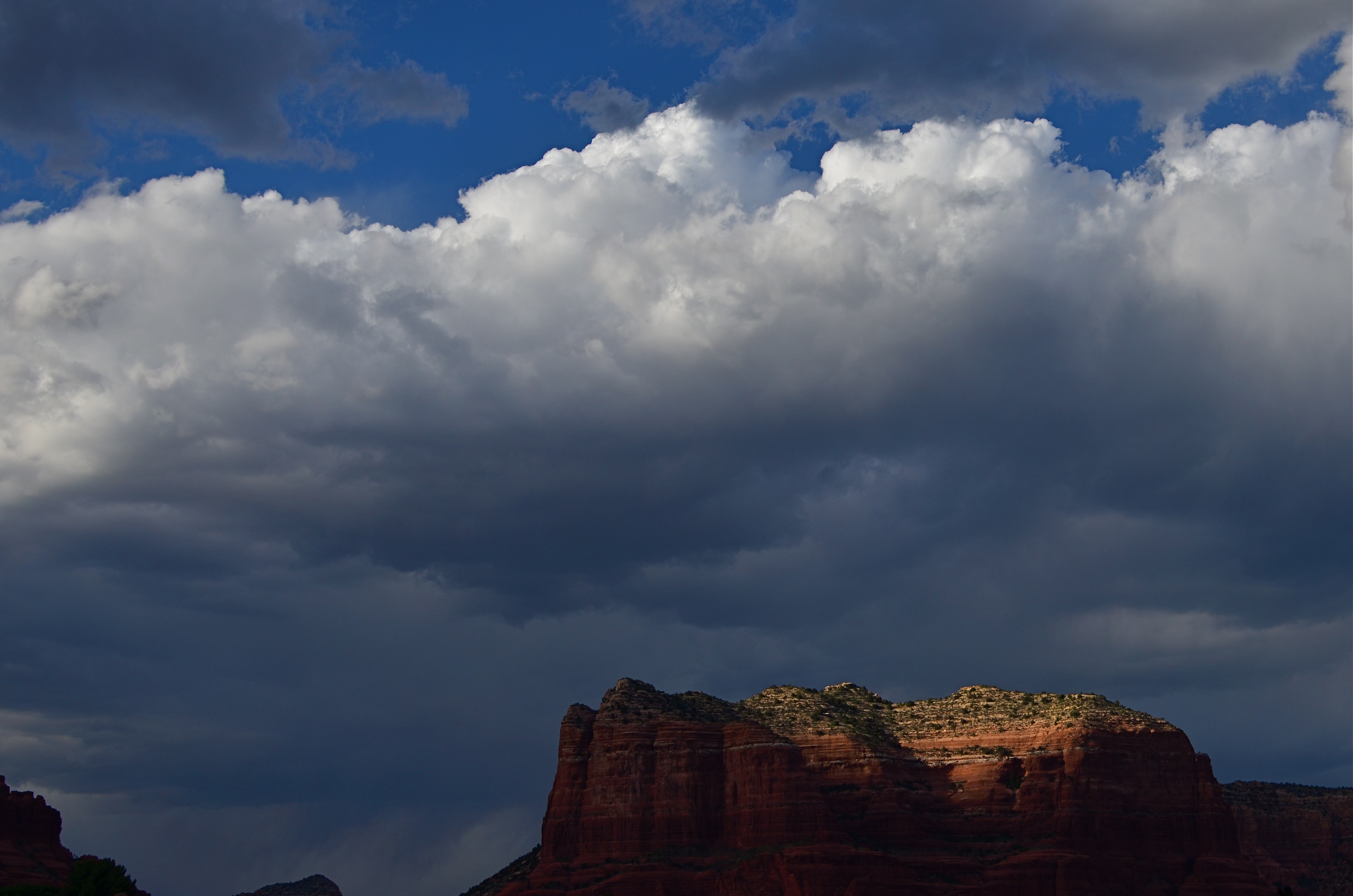
Last Embers (2016), taken on Nikon’s Aperture Priority setting. 1/640 sec., f/6.3, ISO 100, 35mm.
On the day the above image was taken, the town of Sedona, a miraculous array of red-tinged mountains in northern Arizona, was colored variously by a swiftly shifting broken cloud cover. One moment, the crest of a butte might take on a crimson glow, then be swallowed in shadow just moments later, with the gulch next door temporary hyper-lit in the same fashion. The clouds over Sedona were also backed by a decent headwind, shortening the stretches between scene changes even more. Moreover, the sunlight added a ton of contrast to the clouds themselves, making the sky a more attractive compositional component, with typically indistinct shapes rendered more sharply (because contrast is sharpness, right?).
As a result, the combination of light you see in this shot lasted exactly fifteen seconds, so, if I had paused to shoot a couple of trial frames on manual, just to try to nail the lighting, I likely would have missed this moment completely. Again, at this point, assist modes ain’t a compromise; they’re strategy.
The best practice is to anticipate, as much as possible, where you’ll be shooting and what the “game on the ground” is likely to be. Fashion shooters, journalists and other pros swear by Aperture Priority as insurance against lost shots. You may almost certainly find that to be true for some situations yourself . But the name of the game is Get The Picture, so, at the end of the day, the mode that makes you smile is the “right” mode. And don’t let nobody tell you no differnt.
OKAY, THAT’S NOT A COMPLIMENT….
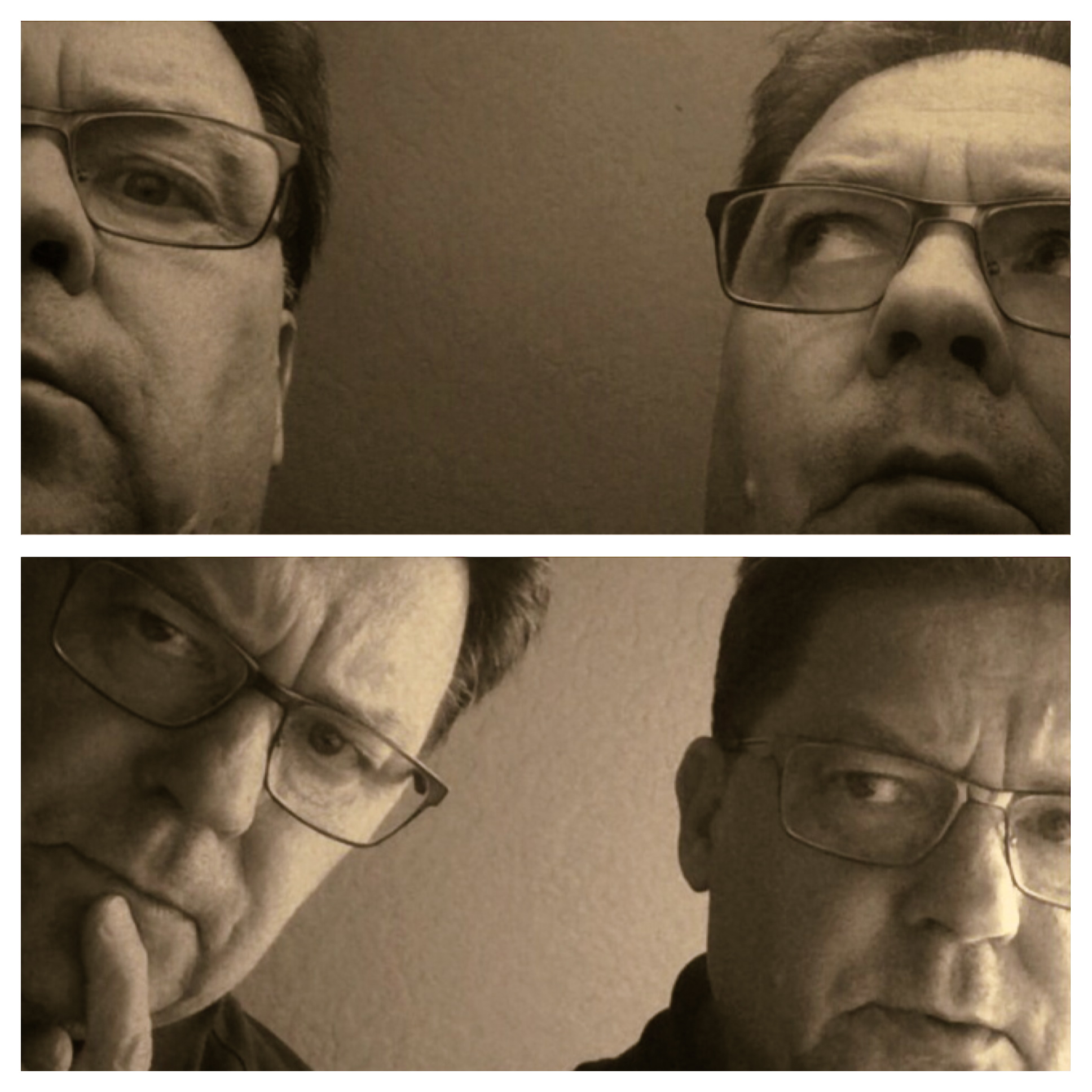
Me: What camera did he use? Other Me’s: Who cares? Why didn’t he shoot our good side?
By MICHAEL PERKINS
PHOTOGRAPHERS, LIKE ALL OTHER UPRIGHT BIPEDS, LOVE PRAISE. None of us are so jaded that we don’t like to get a gold star for an image or an idea; after all, that’s why we do this. However, as borne out by the simplest Google research, there is one sentence, which, although intended as a compliment, will send the average photographer into a seething simmer. You’ve heard it. Maybe you’ve even said it.
Repeat it with me:
Gee, your pictures are so good. You must have a really great camera.
Sadly, this sentence is intended as a thumbs-up, a certification that “ya done good”. However, it unfortunately lands on the ear sounding like, “Lucky you. Despite your basic, hapless ineptitude, the magical machine in your fist created art that was so wonderful, not even a clod like you could prevent it from happening.Congrats!”
When I am told that my pictures are good because I have “a really good camera”, part of me wants to extend the idea of tools=talent to other fields of endeavor, as in:
“Thanks. I can hardly wait to buy a $3,000 oven so I can become a master chef.”
“Thanks, I’m eager to get some $200 brushes so I can paint a masterpiece.”
“Thanks. I’m planning to tie a blanket around my neck and recite ‘I’m Batman’ several thousand times so I can be a crimefighter….”
Photography isn’t about tools. It’s about patience, perseverance, vision, flexibility, humility, objectivity, subjectivity, and, most importantly, putting in more hours than the next guy. It’s about exercising your eye as you would any muscle that you’ve like to tone and strengthen. It’s about sitting 24 hours in a duck blind, hanging by your heels from a helicopter, avoiding incoming gunfire, charming grumpy children, and learning to hate things in your own work that, just yesterday, you believed was your “A” stuff.
If equipment were all, then everyone with a Steinway would be Glenn Gould and everyone with a Les Paul Gibson would be, well, Les Paul. But we know that there is no success guarantee that comes with a purchase warranty. Many cameras are great, but they won’t wake you up at 4am to flush out a green-tailed towhee or climb a mountain to help you snag a breathtaking sunrise. Tools are not talent. And the sooner we learn that, the less we’ll start thinking our work will start to shine with the next new shiny thing we buy, and teach ourselves to make better pictures with what we own and shoot right here, right now.
SUNSETTING
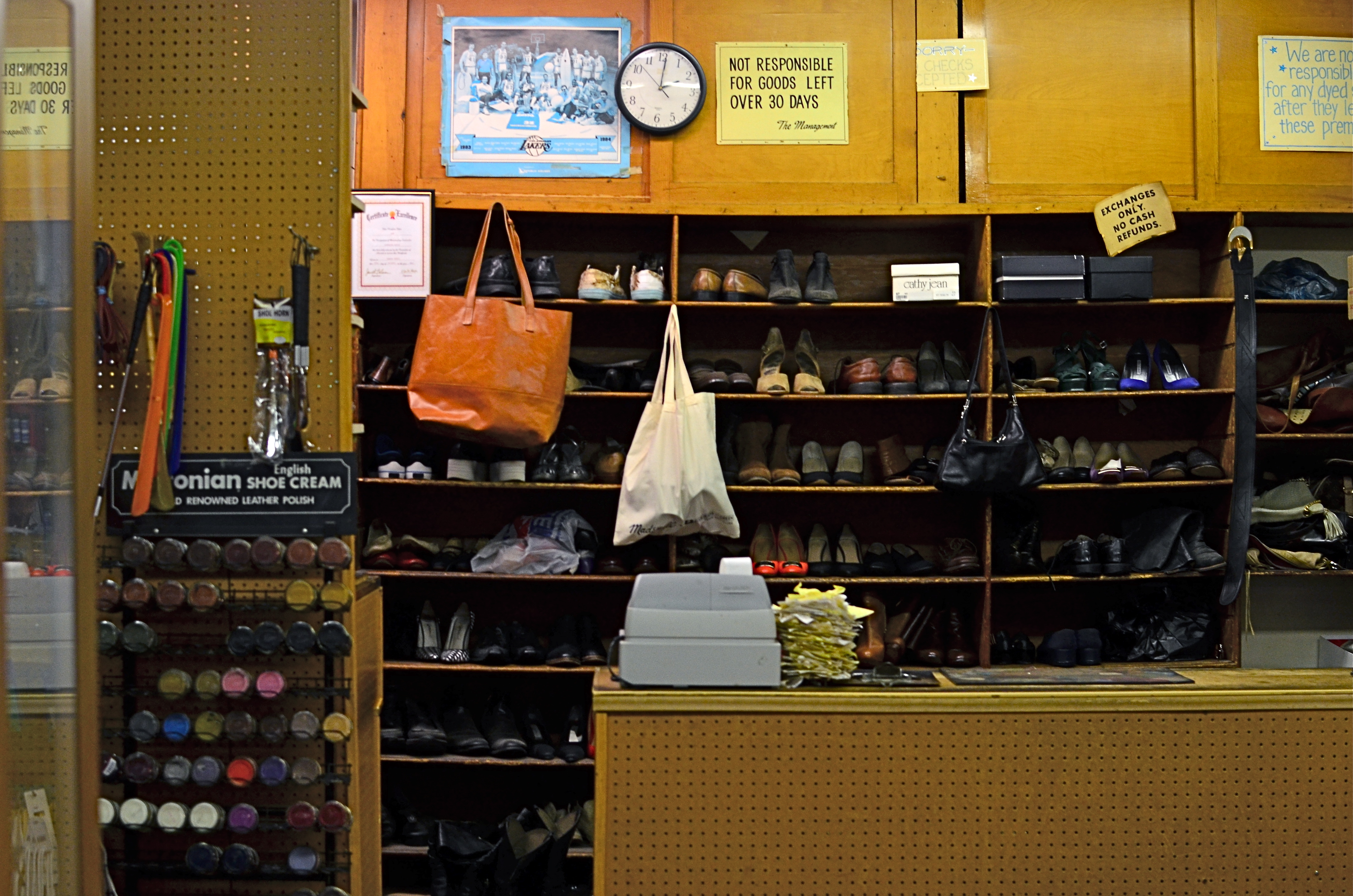
They’ll Be Ready Tuesday (2015)
By MICHAEL PERKINS
IN RAY BRADBURY’S WONDERFUL ONE-ACT PLAY, TO THE CHICAGO ABYSS, an old man equipped with a near-photographic memory makes both friends and enemies because he remembers so much of a world vanished in the aftermath of global war. His talent lies not merely in being able to conjure the world of large things….cathedrals, cars, countries, but of the micro-minutia of a life, a realm filled with the colors of cigarette packages, what compressed air sounded like hissing out of a newly opened can of coffee, the names of candy bars. The play reminds us that it is the million little pieces, the uncountable props of daily living, that matter…..especially when they are no more.
Professions and services offer the photographer the chance to preserve entire miniature worlds for the viewer, worlds which are in the constant process of sunsetting, of transitioning from “is” to “was”. Shops where we used to get our watches repaired. Bookstores that are now furniture warehouses. Home where those people we knew, oh, you know their names, used to live. Was it on the corner? Or over there?
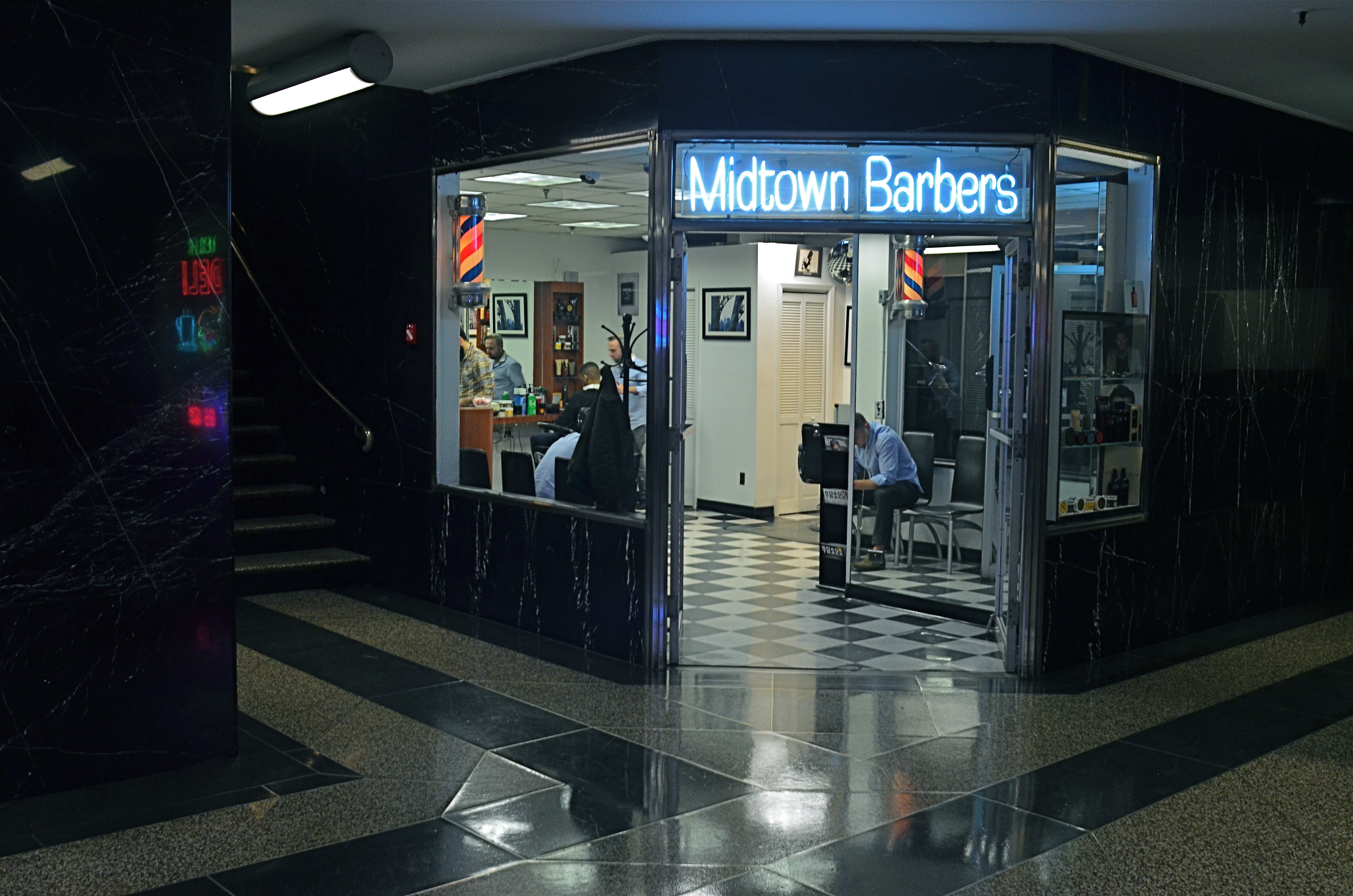
Clip Joint (2016)
Even when long-familiar things survive in some form, they are not quite as we knew them. Does anyone still get their shoes re-soled? Was there ever a time when “salons” were just “barber shops”? Was it, long ago, some kind of luxury to weigh yourself for a penny in the bus station? Photos of these daily rituals take on even greater import as time re-contexualizes our lives, shuffling our position in the cosmic deck. Decades hence, we almost need visible evidence that we ever lived this way, ever dressed like that.
I love shooting businesses that should not be around, but are, places that should have already been scrubbed from day-to-day experience, but stubbornly linger around the edges. Images taken of these places argue strongly that not all forward motion is progress, that the familiar and the comfortable are also little pieces of our identity. In the words of the old song, there used to be ballpark right here.
Here, I have a picture of it…..
THE FLAWED CHILD or the fine art of self-photobombing
By MICHAEL PERKINS
WORKING WITH TIME EXPOSURES IS A LITTLE LIKE THE EXPERIENCE PILOT TRAINEES GET the first time they are aboard a weightlessness simulator. You know that you’re outside the general rules of “reality”, and yet some kind of natural law is still in force. That is, as much fun as it is floating like a feather around the cabin, it still hurts if you slam your head into the ceiling. It’s just that, under normal circumstances, you wouldn’t be close enough to the ceiling to have to think about smacking into it.
Yeah, time exposures are like that.
Most of what we intuitively “know” about photo-making is based on a concept of exposure time that is pretty close to “instantaneous”, so we tend not to plan for what can occur when the shutter is stuck open for extended periods. Even a few seconds can introduce a very different relationship between light and dark, as well as the various non-stationary factors like wind, people, traffic, etc., that can create artifacts as they walk through our work area.
A kind of weird calculus, borne of trial and error, comes into play. For example, we know that cars rolling through a time exposure may be moving too quickly to be seen in the final picture, while their headlights will leave a glowing trail. We know that people walking into the shot at the correct speed can vanish to complete invisibility or register as smeary ghosts. It all has to be measured against how long you need for your camera to be sponging up light, and how standard, onwardly moving reality interacts with that process.
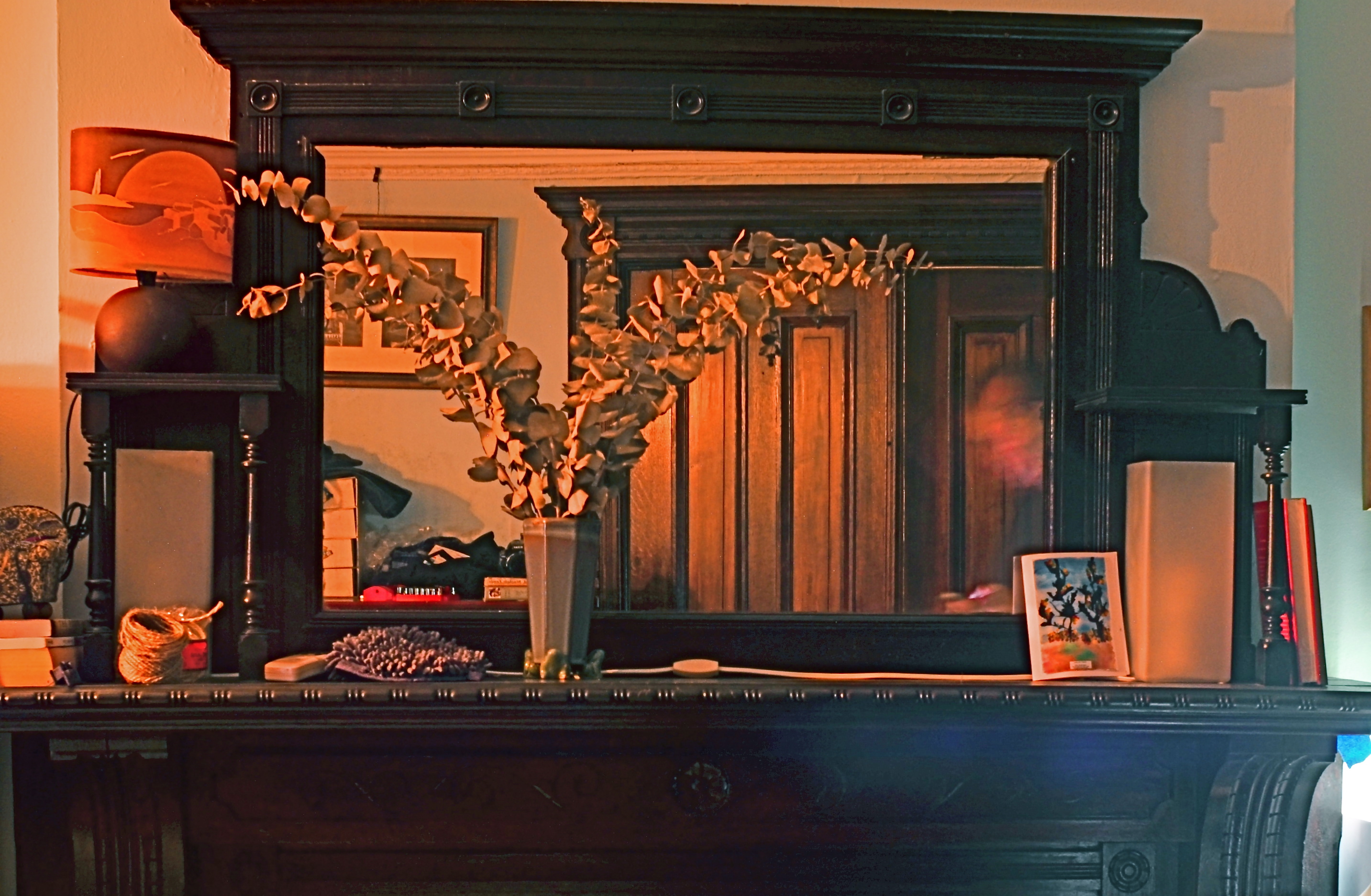
Monu-mantel (2016): A 36-second time exposure with an unscheduled guest appearance (inside the mirror’s right lower frame) by your humble author.
Recently I tried a layered still-life in the darkest room since, well, since darkness, and I knew that I would have to open for a long time. In trying to take a frame that included both a crowded, mirrored mantel in front of me, and the bureau and pictures from behind me that were reflected in the mirror, I balanced my camera on said bureau (you can see it to the left of the vase) and started experimenting with exposure times. Half a dozen or so tries later, I thought I’d nailed the magic number, but, in counting out the time in my head, I got distracted and walked partway into the shot, lingering just long enough to be recorded as the lighter sheen on the right front of the mantle and the facial smear in the right side of the mirror.
Again, we’re back in the weightlessness simulator. Different rules apply here in Oz, Dorothy. So, this picture is forever in the category of How To Get Out Of Your Own Way…..one of those flawed photographic children, that, while not quite flawed enough to merit being sent to military school, will also never be the favored kid, either. Joys of parenthood and all that.
PHOTOGRAPHING FEELINGS
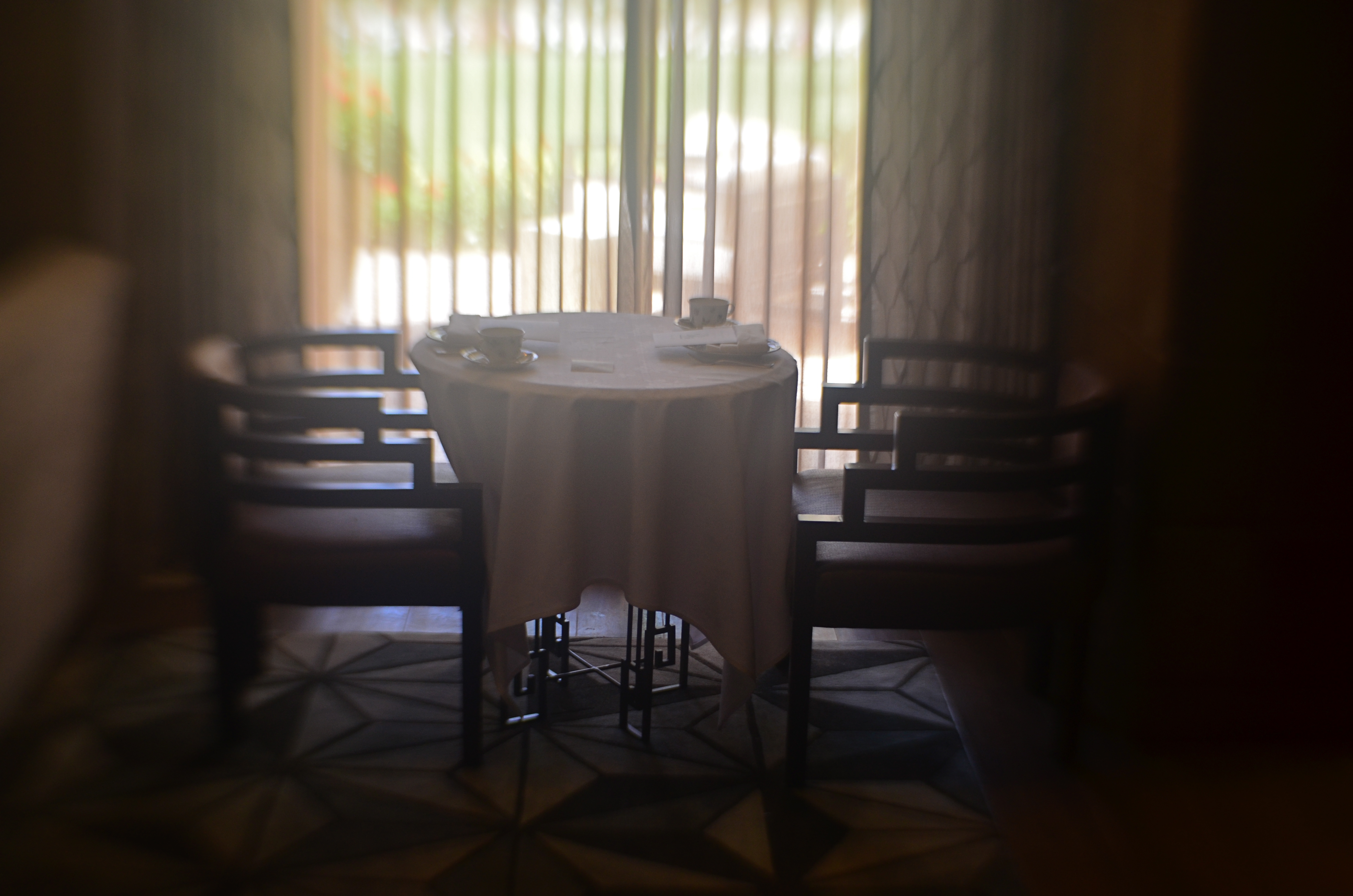
Meet Me At The Biltmore At 2 ( 2016)
By MICHAEL PERKINS
I REALIZE, MORE THAN EVER, THAT THE BULK OF MY OWN PHOTOGRAPHIC WORK has been an attempt to tell human stories while using remarkably few humans to convey them. I always seem not to have a true style at all, just a string of endless experiments that either add or detract from my overall skill set. And yet, if there is any “signature” in my work, it seems to be in using objects, or atmospheres, to illustrate what makes (or made) people feel. The everyday “sets” on which the actors of life play their parts. The oddest thing about my photographs is how many times, over a lifetime, the sets are allowed to speak for the actors, without the actors present.
I shoot empty rooms, but rooms where I feel the weight of years of bustling, traffic, conversations, meetings. I shoot solitary objects on tables, but objects that I imagined were touched, treasured, and otherwise served to measure daily life. I’m not adept at staging people as models or actors in images, but I try to react to settings, see people in them, and show their absence as a kind of presence through these things, these places.
It doesn’t always work. And, as you all have, I’m sure, I often worry about whether I’m off on the wrong track, lost, kidding myself. When a photograph connects with someone, I’m still surprised, even shocked. Street photography, which I greatly admire, is, for most, the act of seeing important bits of drama or tension between people. I take the visual measure of what they build, what they use, even what they abandon, and try to draw their portraits that way. The actual participants may, or may not, be part of those drawings.
Like I say, it doesn’t always work. What I may see as a moment of contemplation or a quiet narrative may strike others as cold, remote. I never mean it that way, since that’s not how I see the world. To my mind, you can either show a child opening a Christmas present, measuring his first flash of joy, or you can photograph the box and wrapping paper a moment later, after the toy has been removed and only the potential of the thing is left behind, like a latent fragrance.
I like trying to detect those fragrances, those lingering essences, the vapors of vanishing potential. Like Chief Dan George observes in Little Big Man, sometimes the magic works and sometimes it doesn’t.
But, oh, man, when it does……
ADDITION BY SUBTRACTION
By MICHAEL PERKINS
PHOTOGRAPHIC COMPOSITION IS A CONSCIOUS PRIORITIZING OF EVERYTHING WITHIN A PICTURE’S FRAME, a ruthless process of demanding that everything inside that square justify its presence there. When we refer to the power of an image, we are really talking about the sumtotal of all the decisions that were made, beforehand, of what to include or lose in that image. Without that deliberate act of selection, the camera merely records everything it’s pointed at. It cannot distinguish between something essential and something extraneous. Only the human eye, synched to the human mind, can provide the camera with that context.
Many of our earliest photographs certainly contain the things we deem important to the picture, but they also tend to include much too much additional information that actually dilutes the impact of what we’re trying to show. In one of my own first photos, taken when I was about twelve, you can see my best friend standing on his porch…absolutely…..along with the entire right side of his house, the yard next door, and a smeary car driving by. Of course, my brain, viewing the result, knew to head right for his bright and smiling face, ignoring everything else that wasn’t important: however, I unfairly expected everyone else, looking at all the auxiliary junk in the frame, to guess at what I wanted them to zero in on.
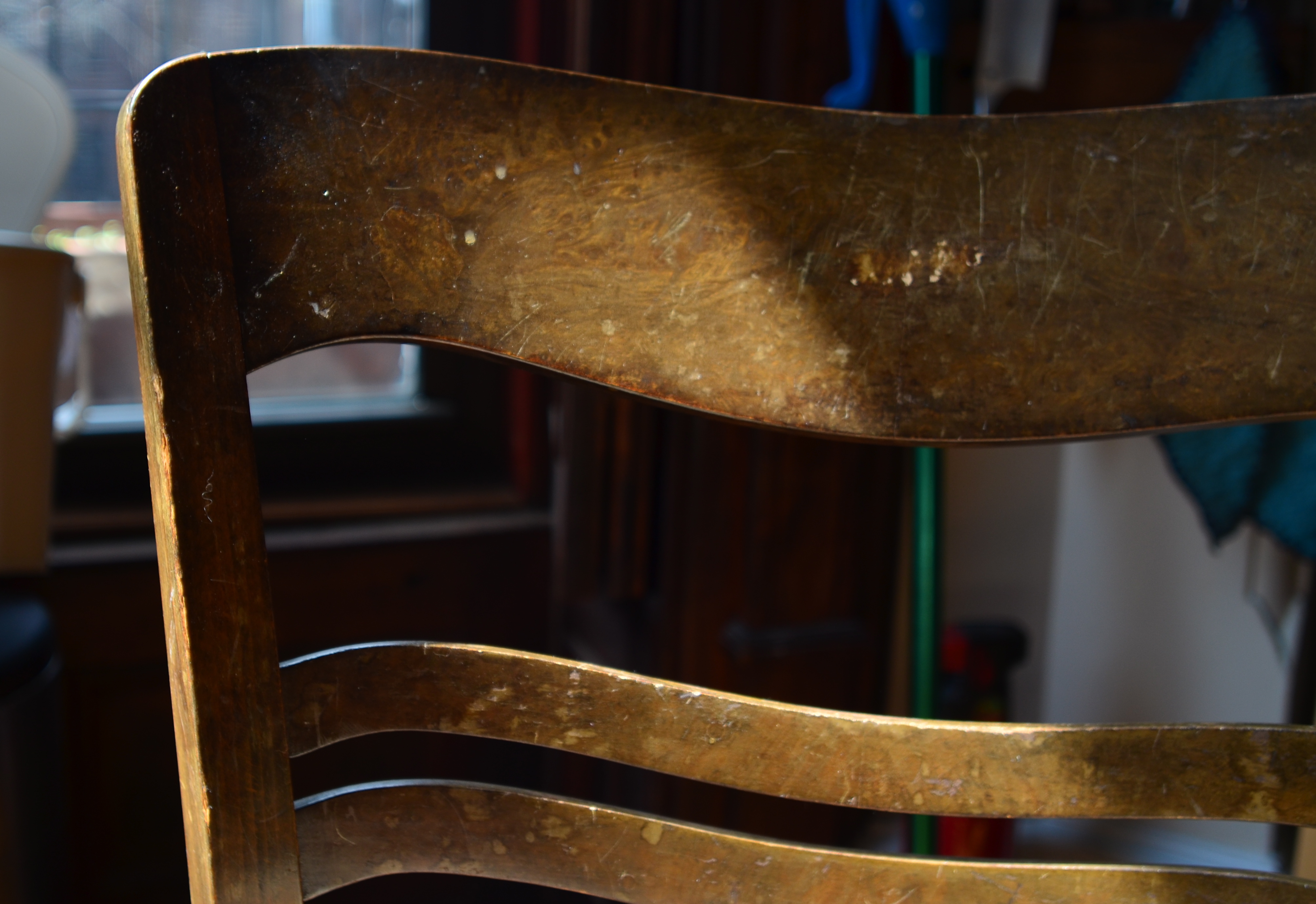
Heritage, 2016.
Jump forward fifty years or so, to my present reality. I actively edit and re-edit shots before they’re snapped, trying to pare away as much as I can in pictures until only the basic storytelling components remain….that is, until there is nothing to distract the eye from the tale I’m attempting to tell. The above image represents the steps of this process. It began as a picture of a worn kitchen chair in a kitchen, then the upper half of the chair near part of a window in the kitchen, and then, as you see above, only part of the upper slats of the chair with almost no identifiable space around them. That’s because my priorities changed.
At first, I thought the entire kitchen could sell the idea of the worn, battered chair. Then I found myself looking at the sink, the floor, the window, and…oh, yeah, the chair. Less than riveting. So I re-framed for just the top half of the chair, but my eye was still wandering out the window, and there still wasn’t enough visible testimony to the 30,000 meals that the chair had presided over. So I came in tighter, tight enough to read the scratches and discolorations on just a part of the chair’s back rest. They were eloquent enough, all by themselves, to convey what I wanted, without the rest of the chair or anything else in the room to serve as competition. So, in this example, it took me about five trial frames to teach myself where the picture was.
And that’s the point, although I still muff the landing more often than I stick it (and probably always will). To get stronger compositions, you have to ask every element in the picture, “so what do you think you’re doing here?” And anyone who doesn’t have a good answer….off to the principal’s office.
STREET PHOTOGRAPHY (LITERALLY)
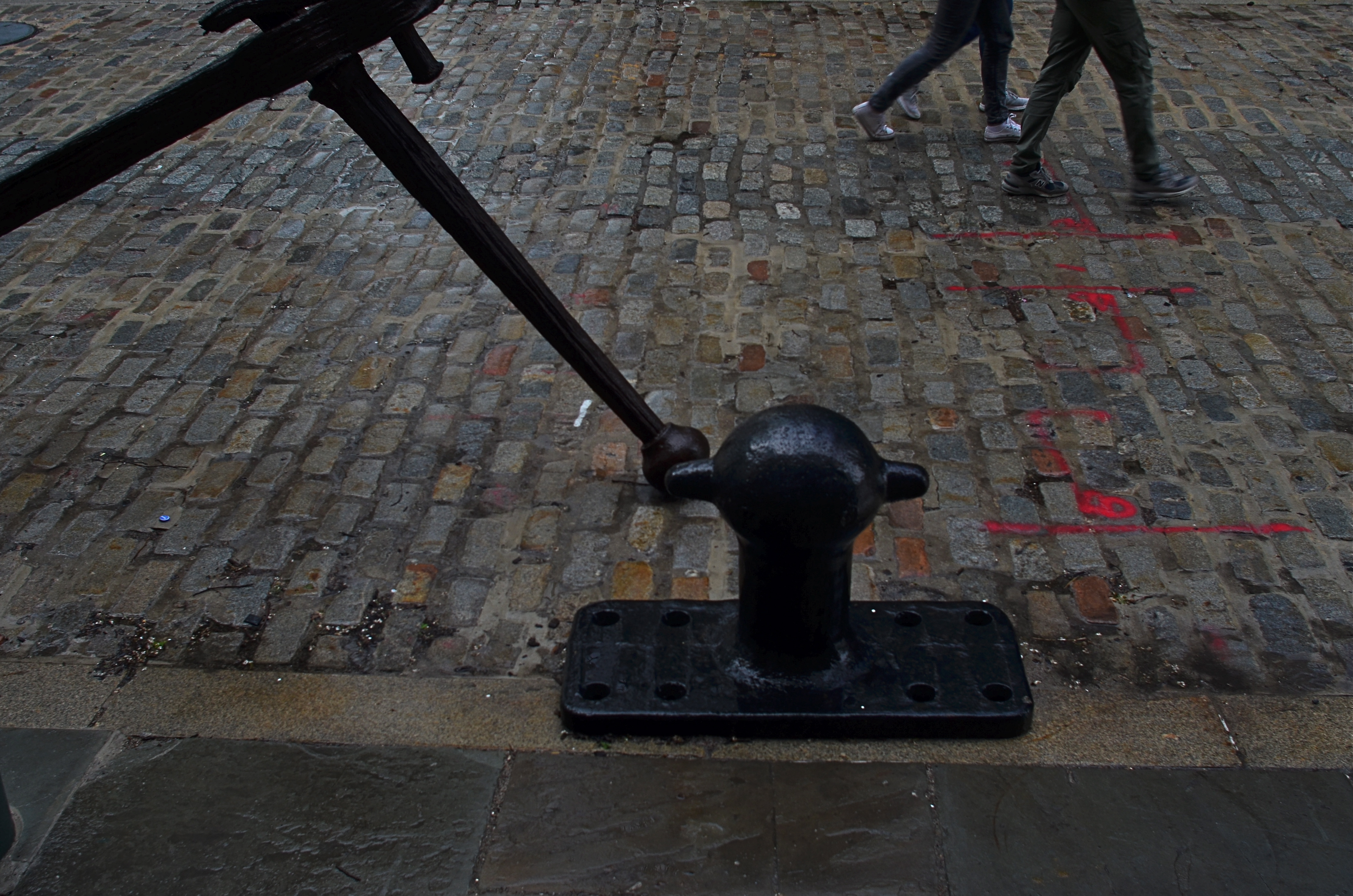
South Street Cobbles, 2016. 1/80 sec., f/5.6, ISO 100, 24mm.
By MICHAEL PERKINS
NEIGHBORHOODS HAVE THEIR OWN VISUAL SIGNATURES, and photographers looking to tap into the energy of streets do well to give their locales a bit of advance study, the better to try to read an area’s particular identity. Sometimes the storytelling potential lies in a single building, even a part of a building. Other times it’s the mix of foot traffic. And, every once in a while, the saga of a street lies in the pavement itself.
New York City’s South Street Seaport district is drenched in local lore, tracing the contours of its alleys and warehouses to the beginnings of Manhattan’s first days as an international shipping destination. From the times of the Dutch’s tall-masted sailing vessels to the present mix of museum and modern retail, the port, on a typical day, offers color, texture, and a feeling of deeply rooted history that is a goldmine for photographers.
Of course, every neighborhood has its off days, and, on my recent trek to the area, a persistent, wind-driven rain had chased all but the hardiest locals off the streets and into the oaky timbers of the port’s quaint shops. Life on the street slowed to a crawl as iron-grey skies robbed the scene of its bolder hues. It was a day to huddle indoors with a good read and a hot cuppa anything. My camera, usually an unfelt burden around my beltline, began to drag like an anchor, stuffed into my woolen jacket to ward off the pelting drizzle, giving me the appearance of someone in sore need of a hip replacement.
Despairing of finding any vital activity along the street, I turned in desperation to the pavement itself, realizing that, in this eastward edge of Manhattan, the texture of the roads abandons the even concrete of most of the island and reverts to the cobbled brick textures of Melville’s time, with many old waterfront fixtures installed at curbside for extra atmosphere. Suddenly I had a little story to tell. The varied mix of firings in the brick, along with the steady rain, delivered the vivid color that was lacking in the area’s shops, allowing me to create an entire frame from just the street itself. Finding that some scale was needed, I sought out an old iron fixture for the left edge of the photo with just the legs and feet of two passing girls to balance out the right side. Suddenly there was enough, just enough of something to make a picture.
Obviously, if the street had been mere wet concrete or blacktop, the impact would have been different, and, were I in a different neighborhood, the street itself might have been unable to compete with the businesses for color or interest. On that morning, however, simple worked best, and my camera, at least for a moment, felt less like an anchor and more like a sailing ship.
THE FLEXIBLE FREEZE
By MICHAEL PERKINS
PHOTOGRAPHERS ACROSS THE LAST TWO CENTURIES HAVE CAPITALIZED ON ONE OF THEIR MEDIUM’S BEST TRICKS, the ability to freeze time, the sensation of carving out micro-seconds of reality and preserving them, like ancient scarabs trapped in amber. The thing known as “now”, with the aid of the camera, became something called “forever”, as things which were, by nature, fleeting were granted a kind of immortality. Events became exhibits, things to be studied or re-lived at our whim.
And yet, even as we extract these frozen moments, we mess around the edge of the illusion a bit, making still pictures also convey a sense of motion. Focus is a prime example of this retro-fitting of technique. No sooner had photography evolved the technical means to render sharp images than shooters began to put a little soft imprecision back into their pictures, by a variety of means: slow shutter speeds, time exposures, manual shaking, delayed flashes, and selective focus. Of all these techniques, at least for me, selective focus has proven to be the hardest to master.
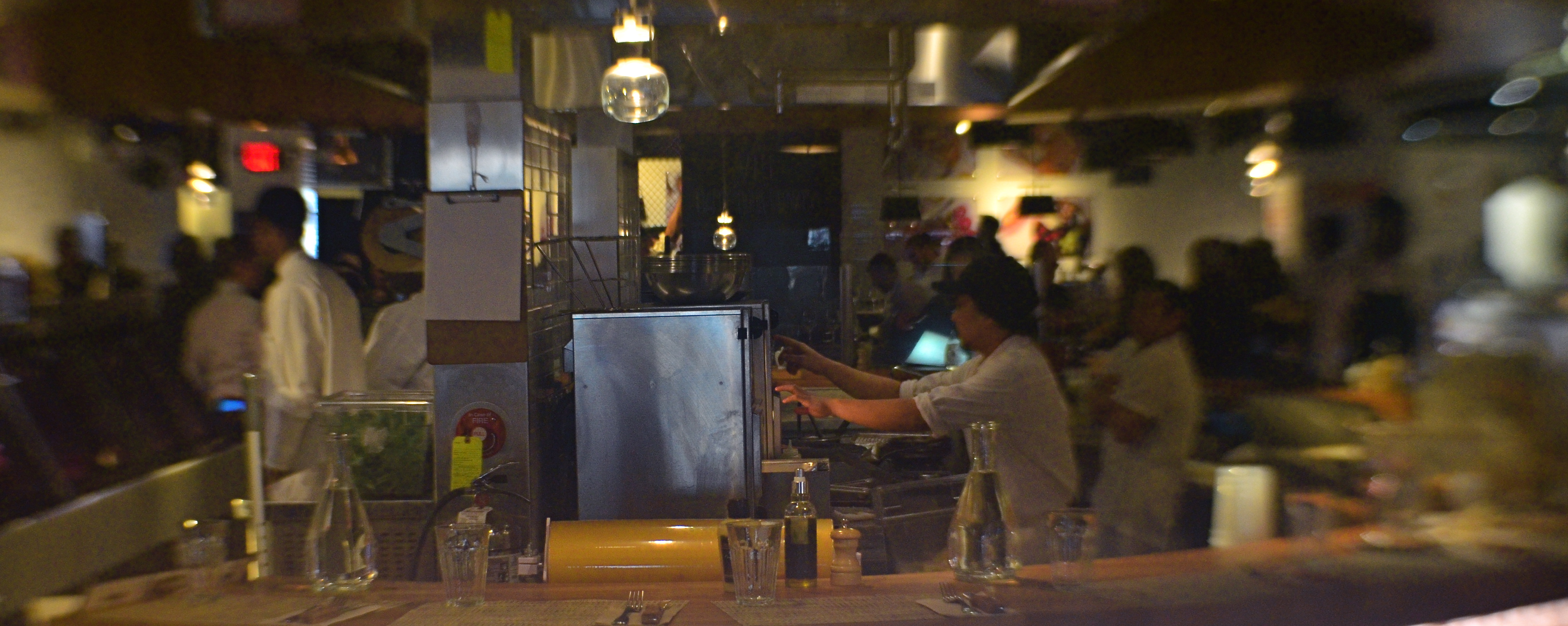
….and two more lattes, 2016, shots on a Lensbaby Composer Pro, which allows a sweet spot of sharp focus to be moved anywhere in the frame the shooter desires.
Changing the messaging of a photographic story by using focus to isolate some elements and downplay others has always called for real practical knowledge of the workings of lenses and how they create focus as an effect. Recently, digital manipulation has allowed shooters to re-order the focal priorities of a shot after it’s taken, and in just the past few years, commercially available specialty lenses have allowed photographers to pre-select where and when focus will occur in an image, using it as interpretively as color or exposure.
I like to use the Lensbaby family of variable-focus lenses for what I call “flexible freeze” situations, times when focus can be massaged to create the illusion of speed. In the above shot, taken in a high-volume cafe, the small center of tight focus fans out to a near streaky quality at the outer edges of the picture. No one person is rendered sharp enough for features to register, or matter. What’s important here is the sensation of a busy lunch rush, which actually would be diminished if everything was in uniform focus.
Sharpness is certainly desirable in most cases for a strict re-creation of literal reality, but photography has never merely been a recording process. Focus can produce useful abstractions or atmospheres in a shot, so long as the effect serves the story. If it doesn’t help the image speak better, even a flexible freeze can quickly become a tiresome gimmick. Matching tools to goals is what good photography does best.
 thenormaleye
ALL THAT REMAINS
By MICHAEL PERKINS
THE HISTORY OF PHOTOGRAPHY IS ALSO THE HISTORY OF A STRANGELY INTIMATE DANCE WITH DEATH, a fascination with its look, its effects, its ability to transform both man and materials, mood and matter. From the first images of combat in the mid-nineteenth century to today’s Instagram chronicles of turmoil and trauma, we have tried to testify about how the world changes when we, or others like us, pass out of existence. The process is a constant rug-of-war between intimacy and publicity, between the glare of public destruction and the privacy of inner oblivion. And the pictures that result are arguments, quarrels with ourselves, which can never truly be settled.
There seems to have been a shift over the past few decades in how we grieve, or at least in the visual vocabulary of that grief that we choose to put on display. The quiet graveside memorials of eras past seems to have been supplanted by increasingly public vigils. We cry our tears in front of each other now, and the creation of instantaneous, group-generated shrines has become a bizarre kind of performance art, as visible as graffiti, and as personal as each man’s ending. Whether it takes the form of mountains of teddy bears stacked around an accident site or candle-lit collages of mementos offering mute testimony from well-meaning strangers, mourning is now something we experience globally, tribally. John Donne’s 1624 sentiment that “every man’s death diminishes me” seems, in the present day, eerily prescient.
Flags, plaques, praise, prizes. Does all this add up to a life?
I recently drove past an improvised memorial for a deceased high school student. I knew nothing of his life beyond what his friends decided to collect to mark its passing. And so, visually, I was presented with a puzzle. What specific articles can be used to symbolize a life? Conversely, what should be excluded? How does an object that says something for one person presume to speak for he who has been silenced?
I made the shot you see here in as plain and reportorial a fashion as I could, shooting it head-on, in the manner of Walker Evan’s iconic images of signs and posters from the 1930’s. The only interpretive factor here, really, is the light in which I chose to shoot, deciding that sunset would help boost texture in the shot, and, incidentally, serve as a kind of metaphor. Make of that what you will.
Some pictures don’t need people in them to speak loudly for them. Today’s collectively assembled registries of loss are, in themselves, interpretive statements, not unlike paintings, editorials, or eulogies. Acknowledging them in pictures seems less like invasion and more like reportage, since they are clearly designed to be seen, to bear witness. The fact that they are anonymous makes them intriguing. The fact that they are so intensely personal makes them photographically essential.
Share this:
June 26, 2016 | Categories: Americana, Available Light, Composition, Conception, Documentary | Tags: Commentary, editorial photography, photojournalism, popular culture, trends | Leave a comment