A KISS ON VETERAN’S DAY
 By MICHAEL PERKINS
A PICTURE, WHEN IT TRULY COMMUNICATES, isn’t worth a thousand words. The comforting cliché notwithstanding, a great picture goes beyond words, making its emotional and intellectual connection at a speed that no poet can compete with. The world’s most enduring images carry messages on a visceral network that operates outside the spoken or written word. It’s not better, but it most assuredly is unique.
Most Veteran’s Days are occasions of solemnity, and no amount of reverence or respect can begin to counterbalance the astonishing sacrifice that fewer and fewer of us make for more and more of us. As Lincoln said at Gettysburg, there’s a limit to what our words, even our most loving, well-intended words, can do to consecrate that sacrifice further.
But images can help, and have acted as a kind of mental shorthand since the first shutter click. And along with sad remembrance should come pictures of joy, of victory, of survival.
Of a sailor and a nurse.
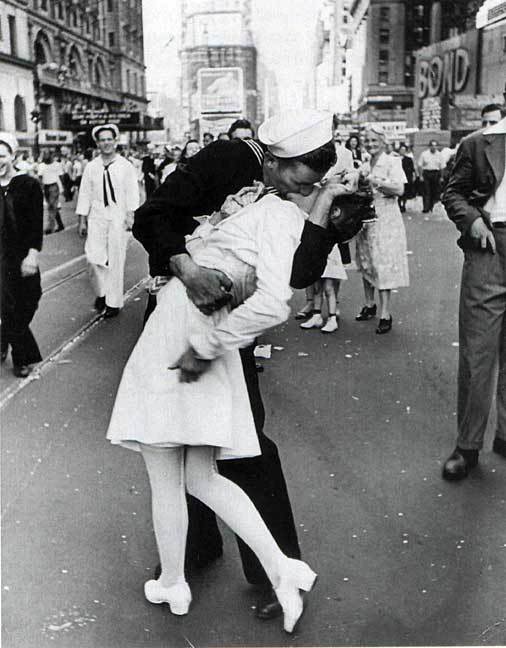
Alfred Eisenstaedt, the legendary photojournalist best known for his decades at Life magazine, did, on V-J day in Times Square in 1945, what millions of scribes, wits both sharp and dull, couldn’t do. He produced a single photograph which captured the complete impact of an experience shared by millions, distilled down to one kiss. The subjects were strangers to him, and to this day, their faces largely remain a mystery to the world. “Eisie”, as his friends called him, recalled the moment:
In Times Square on V.J. Day I saw a sailor running along the street grabbing any and every girl in sight. Whether she was a grandmother, stout, thin, old, it didn’t make a difference. I was running ahead of him with my Leica, looking back over my shoulder, but none of the pictures that were possible pleased me. Then suddenly, in a flash, I saw something white being grabbed. I turned around and clicked the moment the sailor kissed the nurse. If she had been dressed in a dark dress I would never have taken the picture. If the sailor had worn a white uniform, the same. I took exactly four pictures. It was done within a few seconds.
Those few seconds have been frozen in time as one of the world’s most treasured memories, the streamlined depiction of all the pent-up emotions of war: all the longing, all the sacrifice, all the relief, all the giddy delight in just being young and alive. A happiness in having come through the storm. Eisie’s photo is more than just an instant of lucky reporting: it’s a toast, to life itself. That’s what all the fighting was about anyway, really. That’s what all of those men and women in uniform gave us, and still give us. And, for photographers the world over, it is also an enduring reminder from a master:
“This, boys and girls, is how it’s done.”
PENCIL VS. INK
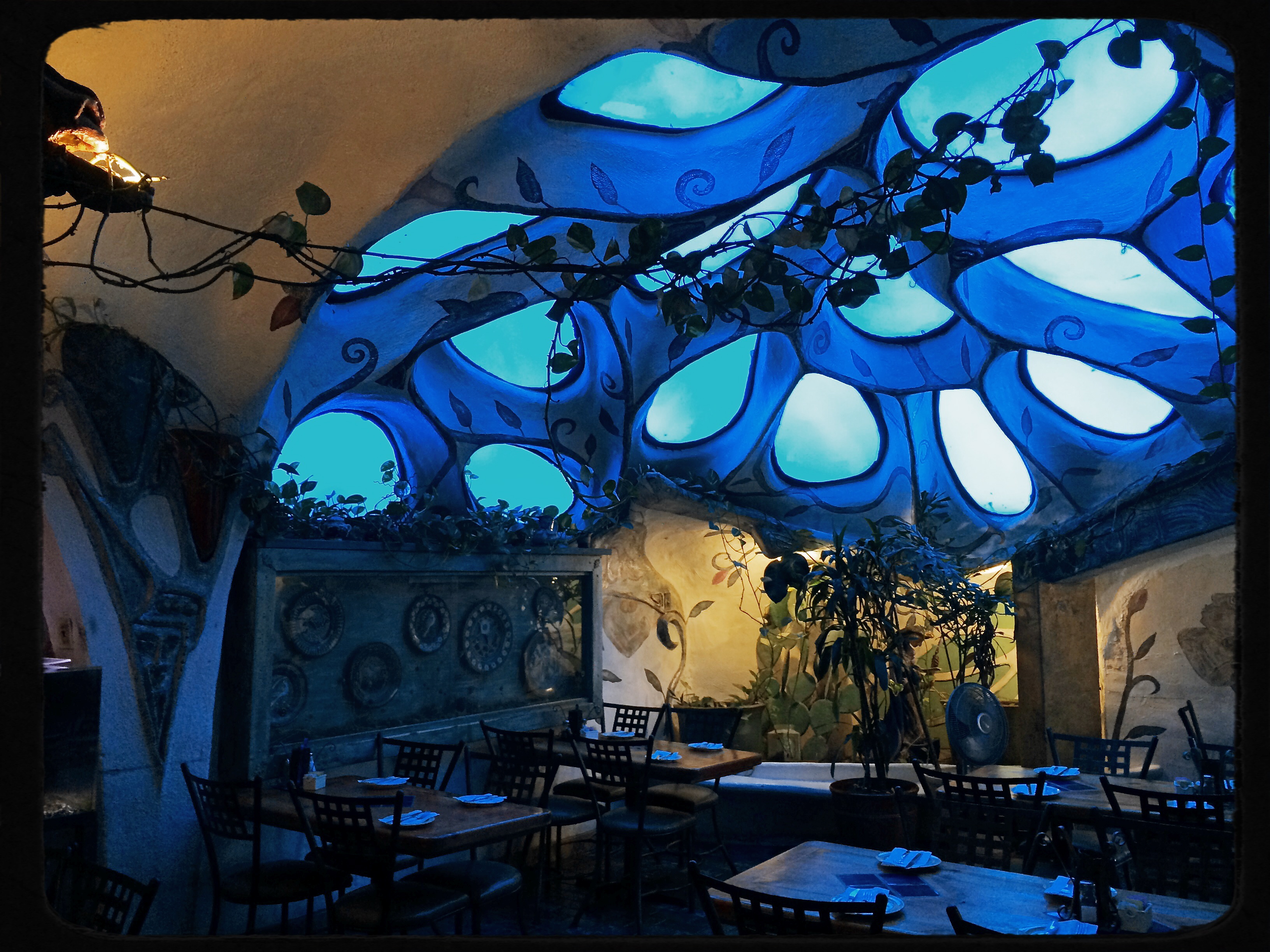
This iPhone capture is more of a preliminary sketch than a final rendering, since the camera adds too much noise in low light. I’ll return with a Nikon to get this “right”.
By MICHAEL PERKINS
RAISED AS THE SON OF AN ILLUSTRATOR WHO WAS ALSO A PHOTOGRAPHER, I have always been more comfortable with the idea of the photographic image as a work-in-progress rather than as a finished thing. That is, I bring a graphic artist’s approach to any project I do, which is to visualize an idea several different ways before committing myself to the final rendering. Call if sketching, roughing, rehearsing…..whatever…but, both on the page/canvas and the photograph, I see things taking shape over the space of many trial “drafts”. And, just as you don’t just step up and draw a definitive picture, you usually can’t just step up and snap a fully realized photo. I was taught to value process over product, or, if you will, journey over destination.
This belief was embodied in my dad’s advice to lay down as many pencil lines as possible before laying in the ink line. Ink meant commitment. We’re done developing. We’re finished experimenting. Ready to push the button and, for better or worse, live with this thing. Therefore the idea of a sketch pad, or preliminary studies of a subject, eventually led to a refined, official edition. This seems consistent with people like Ansel Adams, who re-imagined some of his negatives more than half a dozen times over decades, each print bearing its own special traits, even though his source material was always the same. Similarly, “studies” in music served as miniature versions of themes later realized in full in symphonies or concertos.
The photo equivalent of a sketch pad, for me in 2014, is the phone camera. It’s easy to carry everywhere, fairly clandestine, and able to generate at least usable images under most conditions. This allows me to quickly knock off a few tries on something that, in some cases, I will later shoot “for real” (or “for good”) with a DSLR, allowing me to use both tools to their respective strengths. The spy-eye-I-can-go-anywhere aspect of iPhones is undeniably convenient, but often as not I have to reject the images I get because, at this point in time, it’s just not possible to exert enough creative control over these cameras to give full voice to everything in my mind. If the phone camera is my sketch pad, my full-function camera is my ink and brush. One conceives, while the other refines and commits.
You write things like this knowing full well that technology will make a monkey out of you at its next possible opportunity, and I actually look forward to the day when I am free of the bulk and baggage of what are, at least now, better cameras overall. But we’re not there yet, and may not be for a while. I still make the distinction between a convenient camera and a “real” camera, and I freely admit that bias. A Porsche is still better than a bicycle, and the first time you’re booked as a pianist into Carnegie Hall, your manager doesn’t insist that they provide you with a state-of-the-art….Casio. It’s a Steinway or the highway.
THE GEOMETRY OF VIEW
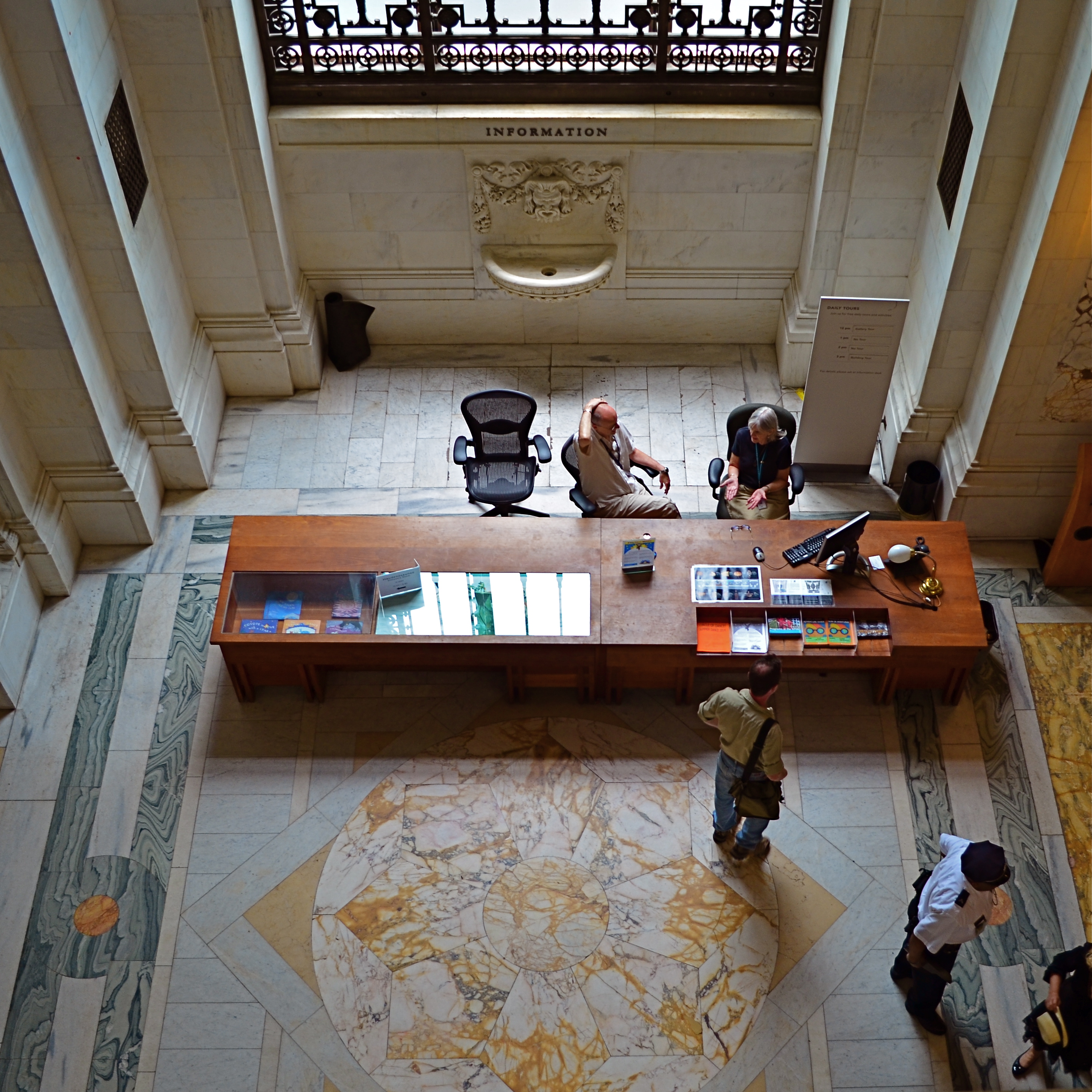
Information, Please, 2014. 1/60 sec., f/3.5, ISO 160, 18mm.
By MICHAEL PERKINS
ONE OF THE BEST WAYS TO APPREHEND THE OVERALL DESIGN OF A SPACE, be it a midtown skyscraper or a suburban cathedral, is to see it the way the designer originally envisioned it; as a logical arrangement of spaces and shapes. Sometimes, viewing the layout of floors, lobbies, or courtyards from the top-down, or “bird’s-eye” view of the original design sketches is especially helpful, since it takes our eye far enough away from a thing to appreciate its overall conception. It’s also not a bad thing for a photographer to do when trying to capture common spaces in a new way. Move your camera, change your view, change the outcome of your images.
The overarching vision for a place can be lost at ground, or “worker bee” level, in the horizontal plane along which we walk and arrange our viewpoint. Processing our understanding of architecture laterally can only take us so far, but it almost seems too simple to suggest that we shift that processing just by changing where we stand. And yet you will invariably learn something compositionally different just by forcing yourself to visualize your subjects from another vantage point.
I’m not suggesting that the only way to shake up your way of seeing big things is to climb to the top floor and look down. Or descend to the basement and look up, for that matter. Sometimes it just means shooting a familiar thing from a fresh angle that effectively renders it unfamiliar, and therefore reinvents it to your eye. It can happen with a different lens, a change in the weather, a different time of day. The important thing is that we always ask ourselves, almost as a reflex, whether we have explored every conceivable way to interpret a given space.
Each fresh view of something re-orders its geometry in some way, and we have to resist the temptation to make much the same photographs of a thing that everyone else with a camera has always done. We’re not in the postcard business, so we’re not supposed to be in the business of assuring people with safe depictions of things, either. Photography is about developing a vision, then ripping it up, taping it back together out-of-order, shredding that, and assembling it anew, again and again. In a visual medium, any other approach will just make us lazy and make our art flat and dull.
ONE IS THE LONELIEST NUMBER
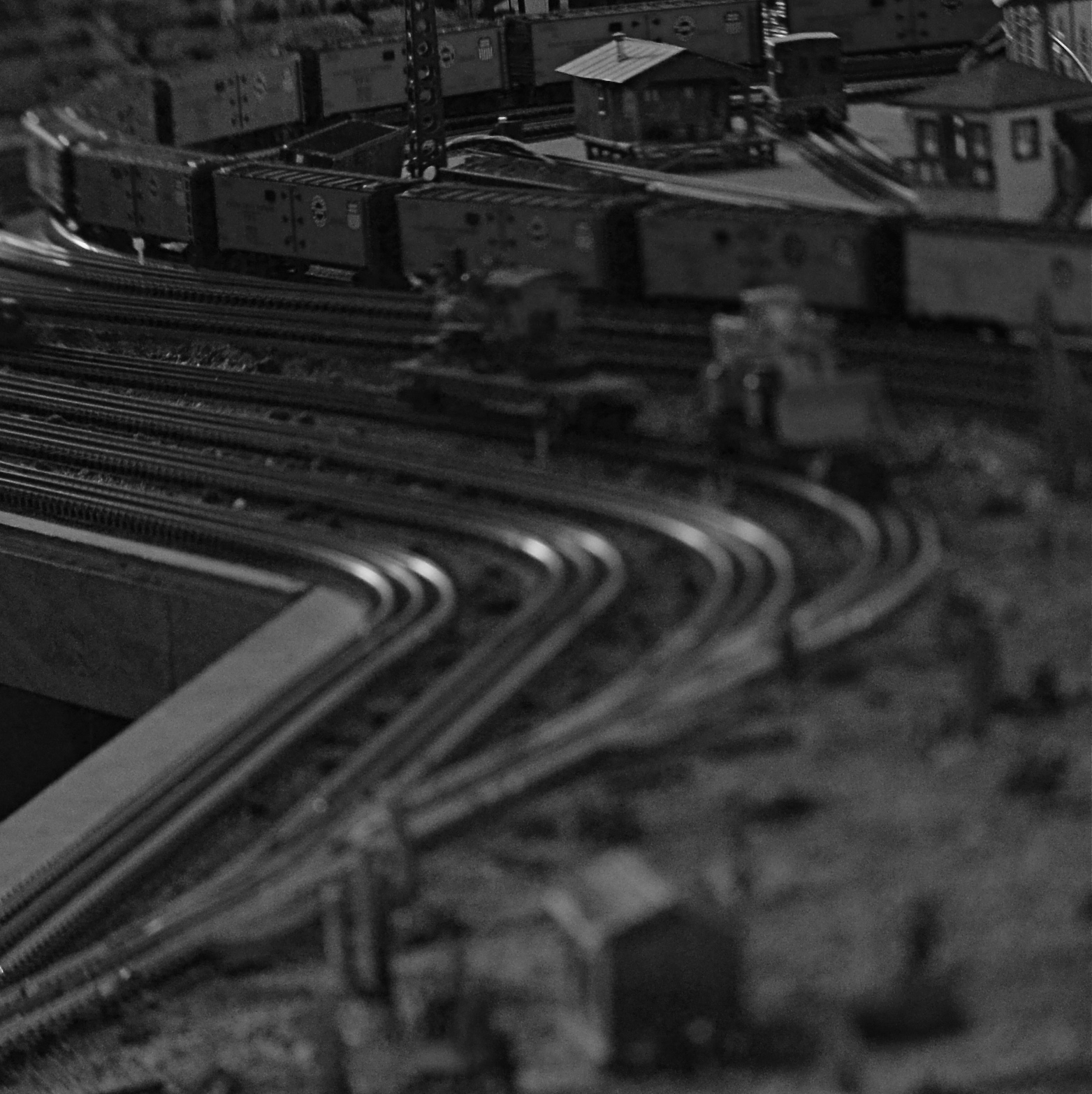
Midnight In The Switch Yard, 2013. Shot with a $90 Lensbaby tilt-shift attachment (don’t call it a lens). 1/60 sec., f/5.6, ISO 100, about 50mm.
By MICHAEL PERKINS
EVER SEE A MASSIVE KITCHEN WHICH STILL SEEMS STRANGELY CRAMPED, all because its counter space is crammed with too many single-task devices? You know what I mean. The congestive collection of chromed, shiny gadgets that perform really cool things, but only one thing,apiece. The bread machines. The Olive-coring pokey gizmos. The cheese slicers. Many of them were last year’s hot under-the-tree item, and just as many are soon consigned to the attic, the garage, or (sob) the garage sale. Some people approach cooking as if it’s an art. Others see it as all about the widgets.
You see where I’m heading. Some of these same kind of people, once they buy a camera, amass a mountain of photographic toys, all over-specialized, all amazing in their way, in the service of making pictures. Lots of these playthings have a kind of World’s Fair/Oh Wow novelty quality to them, and, in the short term, are mesmerizing. Few of them transform, or even form, your style as a photographer.
I’ve written before of the “tilt-shift” attachments commercially sold under the name Lensbaby. Mount one on your camera body and you can pivot the lens head up, down, or sideways to selectively keep sharp focus in parts of your images, choosing which parts to fuzz out of focus. Lensbabys are a cheap alternative to a dedicated tilt-shift lens, just as many lens adapters are a cheap alternative to a dedicated fisheye. In both cases, they deliver acceptable (not good) versions of effects that most people will only use occasionally. They are hard to use precisely and require a ton of practice to deliver the desired result. Oh, and did I mention that it has a fixed f/5.6 aperture? Good times. Like threading a needle in the dark? You’ll love Lensbaby.

Long Life, 2014. Shot with a $.99 iPhone tilt-shift app. Making a bad picture on purpose needn’t be expensive.
Lensbaby has benefited from the fact that (a) most of us want to do some kind of freaky thing occasionally, and (b) most of us won’t do the freaky things with enough regularity to justify shelling out, as the French say, ze beeg bux. But witness the speed of technology. Now, instead of investing anywhere from $90 to $350 for a Lensbaby, itself a cheapo compromise from a real tilt-shot lens, you can purchase an iPhone tilt-shift app for (wait for it) $0.99.
That’s a scant seven years after the introduction of the first Lensbaby, and, although the apps obviously don’t address the needs of DSLR cameras, you run into two inconvenient truths. (1) Most people will never desire this particular photo effect regardless of what camera it’s achieved on, and (2) the niche for tilt-shift photography, even for DSLR shooters, is smaller than the list of high school chess club presidents who also became prom kings.
The point? When it comes to a single-function photo toy,wait until the technology delivers that puppy to you at the bottom-line price. One is the loneliest number, speshfully when it comes to paying large coin for a mere novelty.
THE LADDER

By MICHAEL PERKINS
PHOTOGRAPHIC “MASTER THEORIES” ARE ONLY SLIGHTLY LESS PLENTIFUL than donuts at an AA meeting. I can’t hope to add any fresh shimmer to the bright shiny ideas on picture-making that have already been burnished by time, but I do believe that total photography is very tied to total development as a human being. Sounds like a mountaintop audience with the Maharishi, I know, but I think that, as we limit ourselves as people, so do we limit our ability to effectively interpret or record the world around us. This is not the stuff of master theses, for sure, but when it comes to photography as a way of life, I think all the wisdom you need boils down to a three-rung ladder, arranged thus:
TOP RUNG: LIVE MORE THAN YOU READ. Have direct, personal experiences that truly involve you. Do not vicariously re-live other people’s experiences and call that a life. Get your eyes off the screen, your ears out from under the Dr. Dre Beats, and your hands into the dirt. Learn concepts that call upon you to stretch. Try things that hurt. Taste stuff with strange ingredients. Learn to listen to ideas you think you’ll hate. Certainly, academic learning and secondary experiences have their value. We can’t all trek to Katmandu or scale Everest. But our grasp can certainly exceed what’s on Nickelodeon, a simple truth that brings us to:
MIDDLE RUNG. READ MORE THAN YOU SHOOT. You cannot possibly learn everything about photography by merely going out and doing. You have over two centuries of history, art, philosophy and example to absorb, even if your own style eventually goes rogue. You need influences. You need teachers. The shooters that went before you left wheels for you to roll on. Don’t try to re-invent those wheels; learn to steer by them. And do not limit your reading to photography. You cannot shoot what you cannot appreciate, and you cannot appreciate what you know nothing about. Learn the world, thus earning your right to have a point of view. And, finally, we have:
BOTTOM RUNG: SHOOT MORE THAN YOU THINK YOU NEED TO. Certainly shoot more often than when you “have something to shoot”. Shoot when you’re dry. Shoot when you’re bored. Shoot when you’re wired/angry/amazed/frightened/joyful. Be okay looking like a fool for an idea. Most of all, be willing to take more lousy shots than the next ten guys put together. Think of all those bum images as the thick leaves of Christmas paper swaddling your best pictures. You gotta tear away all the layers to get to your shiny toys.
If these three rungs seem grossly over-simplified to you, try them for about forty years and get back to me. Photography cannot evolve unless we refine the person who clicks the shutter. None of these steps are guaranteed to produce immortal images. But you sure as hell can’t create greatness without them.
WHEN TEXTURE IS THE TALE
By MICHAEL PERKINS
THOSE WHO BELIEVE THAT SUBJECT MATTER IS KING IN PHOTOGRAPHY ARE FACED OFF in an endless tennis match with those who believe that only impressions, not subjects, are the heart of the art. Go away for fifty or sixty years and they are still volleying: WAP! a photograph without an objective is a waste of time! WAP! who needs an object to tell a story? Emotional impact is everything! And so on. Pick your side, pick your battle, the argument isn’t going anywhere.
Thing is, my assertion is that you don’t actually have to choose a side. Just let the assignment at hand dictate whether subject or interpretation is your objective. There are times when the object itself provides the story, from a venerable cathedral to an eloquently silent forest. And there are times when mere color, light patterns, or texture are more than enough to tell your tale.

Set Your Face Like Flint, 2014. Shot wide at 18mm, cropped to square format. 1/100 sec., f/5.6, ISO 100.
I find, for example, that texture is one of my best friends when it comes to conveying a number of important things. The passage and impact of time. The feel and contour of materials, as well as the endless combinations and patterns they achieve through aging and weathering. A way to completely redefine an object by getting close enough to value its component parts instead of viewing it as a whole. This is especially true as I try to refine my approach to images of buildings. I find that breaking the overall structure into smaller, more manageable sections helps to amplify texture, to make it louder and prouder than it might be if a larger scene just included the entire building among other visual elements. Change the distance from your story and you change the story itself.
This Massachusetts barn has tons of character whether seen near or far, but if I frame it to eliminate anything but the raw feel of the wood, it demands attention in a completely different way. It asks for re-evaluation.Contrast the rough-sawn wood with the hard red of the windows,and, again, you’ve boosted the effect of the coarser texture. Opposing textures create a kind of rudimentary tug-of-war in a picture, and the more stark the contrasts, the more dramatic the impact.
Traditional, subject-driven story telling will dictate that you show the entire barn, maybe with surrounding trees and a rolling hill or two. Abstracting it a little in terms of color, distance and texture just tell the story in a distinct way. Your camera, your choice.
ROLL PLAYING
By MICHAEL PERKINS
I RECENTLY CAME ACROSS AN ARTICLE IN WHICH A PHOTOGRAPHER BEMOANED the insane volume of images being shot in the digital era. His point was that, while we used to be tightly disciplined in the “budgeting” of shots back in the days of film (in which we had a fixed limit on our shots of 24 or 36 frames), we crank away an infinite number of shots today in short order, many of them near duplicates of each other, flooding the universe with a torrent of (mostly) bad pictures. Apparently, he posits, it is because we can shoot and re-shoot without fear of failure that we make so many mediocre images.
He takes it further, proposing that, as a means of being more mindful in the making of our photos, that we buy a separate memory card and shoot a total of, say, two “rolls” of pics, or 72 total images, forcing ourselves to keep every image, without deletions or retakes, and live with the results for good or ill. I have all kinds of problems with this romantic but basically ill-conceived stunt.
Our illustrious writer and I live on different sides of the street. He seems to believe that the ability to shoot tons of images leads to less mindful technique. I believe the exact opposite.
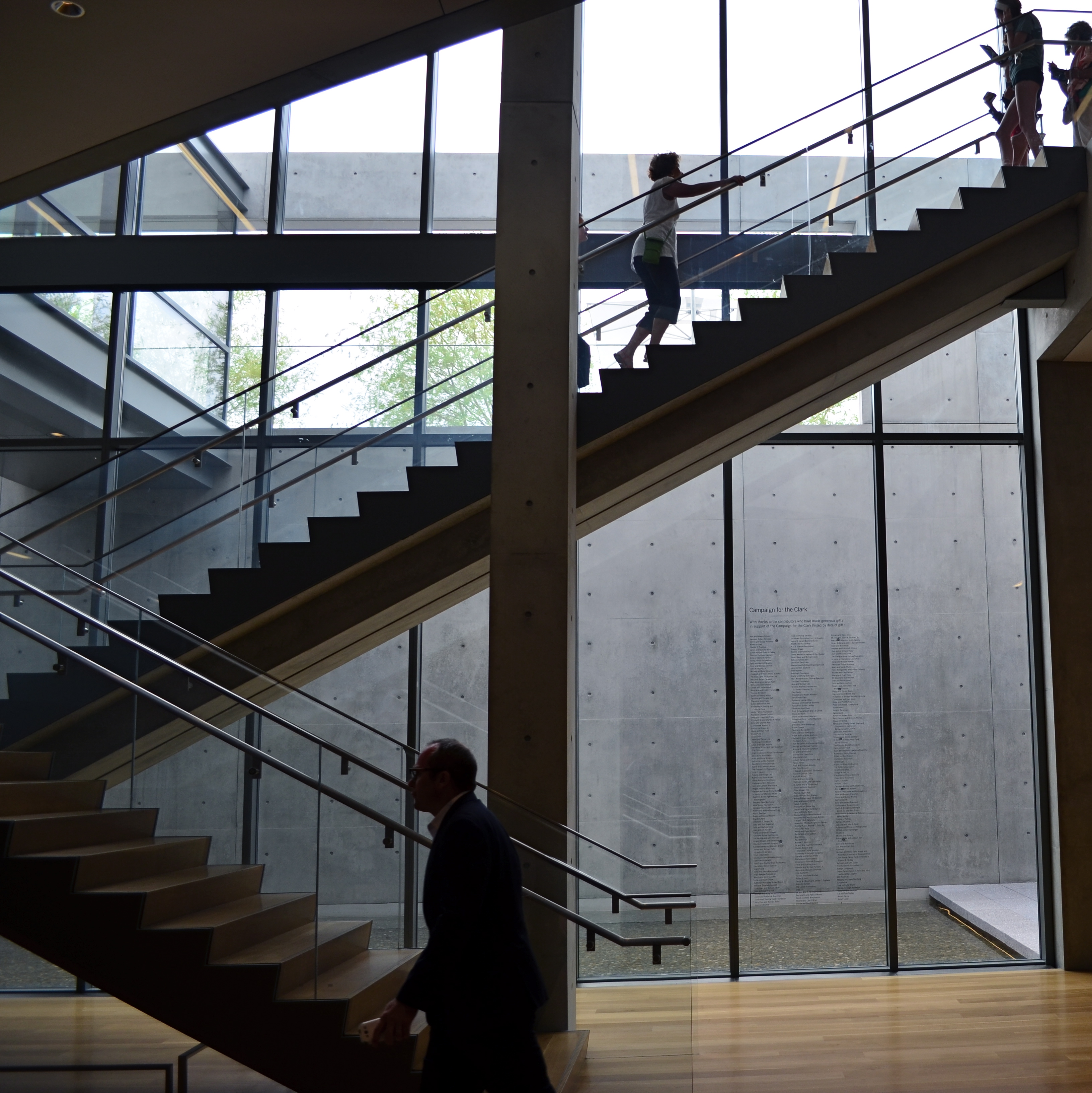
Not the hardest shot in the world, but in the film era, I might never have guessed how best to nail it. In digital, I was free to approach the right solution over a series of practice shots.
When you are free, via digital photography, to experiment, to correct your errors on the fly, you suddenly have the ability to save more shots, simply because you can close in on the best method for those shots much faster, and at a fraction of the cost, of film. You collapse a learning curve that used to take decades into the space of a few years. One of the things that used to separate great photographers from average ones was the great shooters’ freedom, usually from a financial standpoint, to take more bad (or evolving) images than the average guys could afford to. Of course, really bad photographers can go for years merely continuing to take more and more lousy shots, but the fact is, in most cases, taking more photos means learning more, and, often, eventually making better pictures.
Apparently, our illustrious writer believes that you can only be photographically self-aware if you are constantly reminded how few total frames you’re going to be able to shoot. I truly appreciate the goal of self-reliant, experience-based photography he wants to promote. But I contend that it’s not that we make too many pictures, but that we keep too many. It’s the skill of editing, that unemotional, ice-cold logic in deciding how few of our pictures are “keepers”, that is needed, not some nostalgic longing for the strictures of film.
Hey, of course we over-share too many near-identical frames of our latest ham sandwich. Of course Instagram is as clogged as a sink trap fulla hair with millions of pictures that should never see the light of day. But that’s not because we can shoot pictures too easily. It’s because we don’t grade our output on a stern enough curve. As it gets easier to shoot, it should get tougher to meet muster.
THE PICTURES I HATE MOST
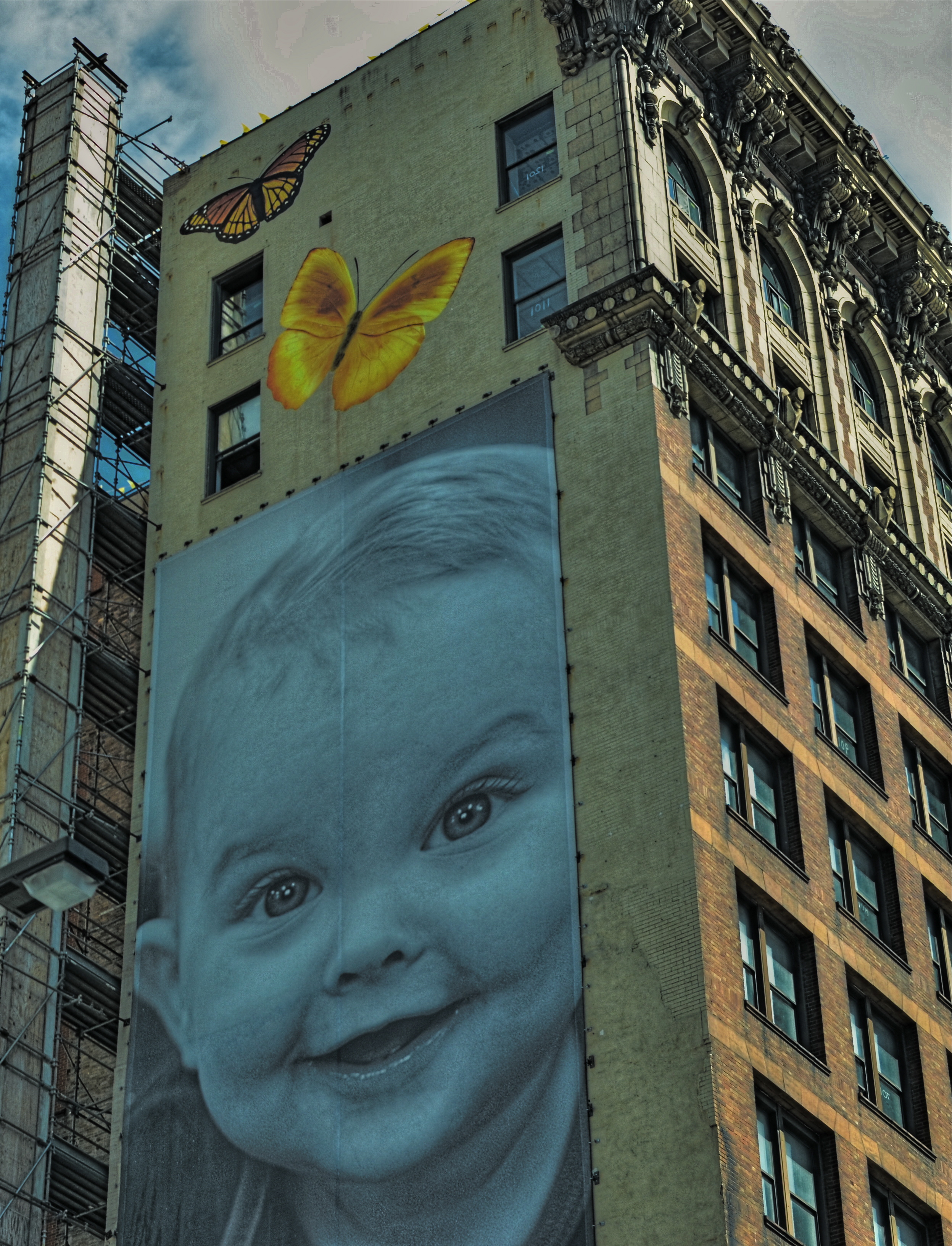
Even the pictures you attempt that come up short can teach you more than the ones you never make.
By MICHAEL PERKINS
IN MY CHILDHOOD, I FIRST HEARD THE BIBLICAL PARABLE OF THE SHEPHERD who, upon finding that one of his flock of one hundred sheep had gone missing, forsook the other ninety-nine to undertake a desperate search for the single lost lamb. It was, certainly, a touching story, with its image of a father who would mourn over the loss of even the most wayward of his flock. And, although it didn’t occur to me at the time, it also came to serve as an early model for my idea of a photographer.
It’s not really that big a stretch. Like the shepherd, shooters always mourn the loss of the one that got away, or in terms of photographs, the shot that was never made. The one angle we forgot to foresee, the light we failed to read, the fleeting truth we neglected to capture. For sure, the photos you attempted and botched really do smart, a lot. A lot a lot. However, there is no pain like the emotional toothache caused by the shots that, for whatever reason, you never even tried to make. These aren’t “lost” images, since they never actually existed, but that doesn’t mean that their absence is any less poignant. One great recent examination of why we fail to shoot is found in a recent collection of essays by Will Steacy called Photographs Not Taken. Check out a capsule review of it here.
I lament the pictures I never made far more than the ones I have attempted and whiffed, since in most cases the contexts that surrounded those non-existent pics are, themselves, no longer, whether we’re talking about missed sunrises or final visits with loved ones. To be sure, re-dos are often off the table even for many of the pictures we did take, but, for some human reason, we mourn more intensely the ones that might have been. Worse yet, even failed images have some teaching value, whereas you learn zilch from the dances that you sat out.
This forum has never been about merely posting my greatest hits for the world to drool over. That is scrapbooking, and serves no purpose. Any honest examination of why we make images has to pause to grieve about failed chances, to sniffle a bit over the things we aimed at and missed. It sometimes has to be about pictures that I hate, and the ones I hate most are the ones I had neither the vision nor the nerve to create.
SOMETHING FROM NOTHING
By MICHAEL PERKINS
THE EVERLASTING CIVIL WAR BETWEEN ARTISTS THAT BEGAN IN THE TWENTIETH CENTURY, the aesthetic wrestling match between natural depictions of subjects and deliberate abstraction of them, will probably rage as long as mini-pundits like myself can crawl to the keyboard to contribute their own particular chicken scratchings on the subject. Painting kinda started this argument, and, of course, photography has kept fanning the flame. You gotta admit, that, whatever your philosophy, it’s fun to walk through galleries and watch people on either side of the brawl wrinkle their noses and furrow their brows trying to see something in the crap that the other team has hung on the walls. It’s New Yawk thin-crust versus Shee-cago deep-dish. It’s Ginger versus Mary Ann. It’s Connery versus Moore.
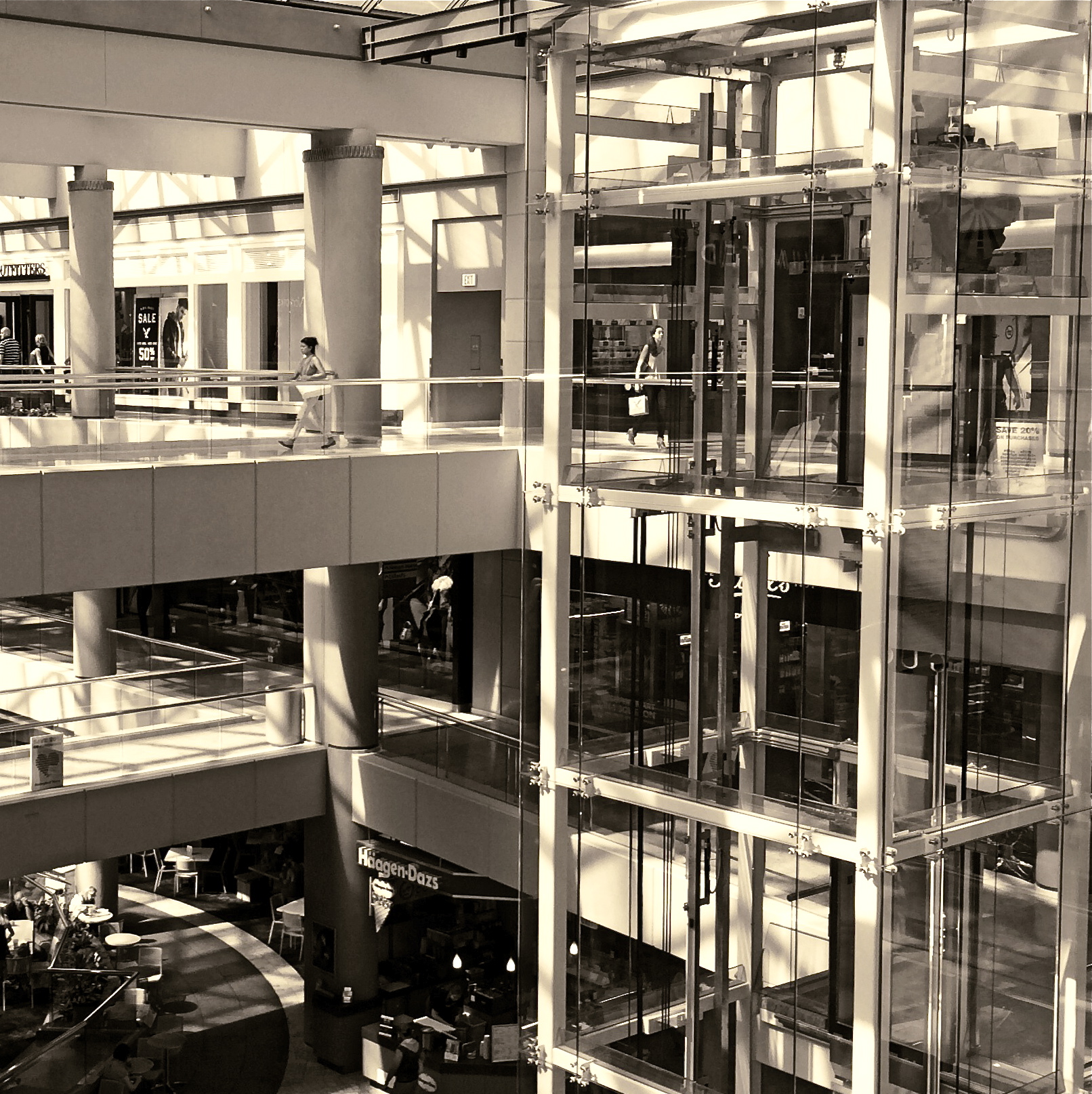
Thing is, there is a definite time in a photographer’s life when a picture is both a literal record of something in the “real” world and a cracked-mirror tweaking of it that makes that thing something else. The most obvious transfer is the one from color to b&w, whereby we decide that some tones are gaudy and others are truth-tellers, but to whom and why? Post-processing, which re-jiggers the balance of tones or the priority of colors, takes the process a step further, in that we are keeping the essence of the thing pictured but changing every visual element of it in some way. It’s still the thing but, same time, it’s no longer the thing.
Man, I’m starting to sound like a first-year graduate student teaching from his own book……
The image above was generally the result of trying to take a familiar thing (a multi-level mall) and erase most of its obvious visual markers. I found that if I obliterated the colors, signs and other details that cued my brain to see the mall in the standard fashion, then added a particular kind of monochrome (in this case, an app that replicated the old platinum process for making prints), the underlying structure, reduced to shadows, counter-shadows, and reflections, would allow the pattens in the frame to take center stage, minus the distractions of the “real” bits. It’s basically stripping things away until you have nearly nothing, and then adding back dabs until you have a different, hopefully new something.
Of course, the real test of whether this is anything would be if I could manage to get the image framed and mounted on a wall in one of those “argument” galleries, so that I could finally hear the one sentence that convinces artists that they just may be onto something:
“I don’t get it.”
ABSOLUTES
By MICHAEL PERKINS
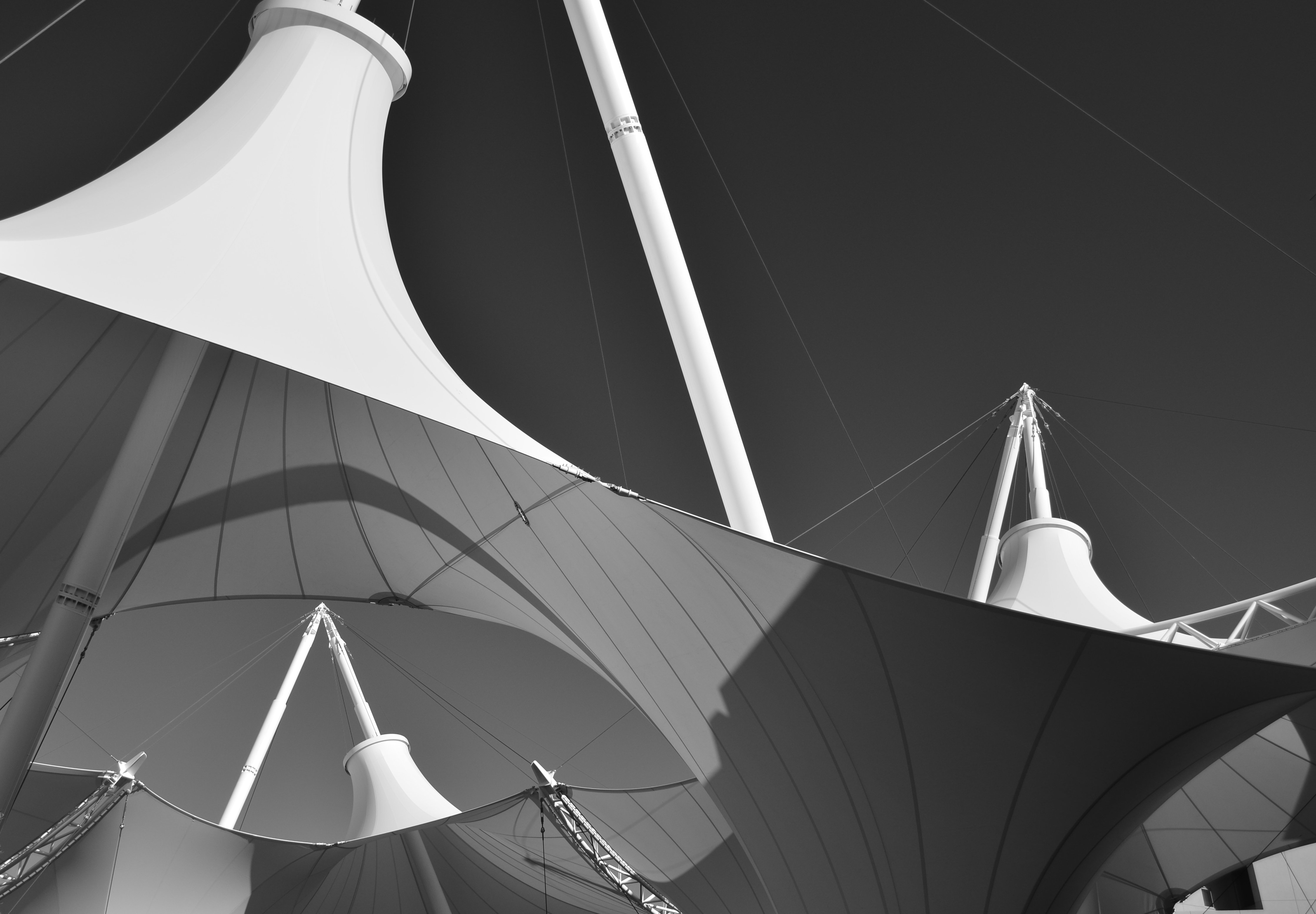
“PHOTOGRAPHY DEALS EXCLUSIVELY WITH APPEARANCES” remarked Duane Michals years ago, “but, nothing is what it appears to be.” That’s a remarkably clear summation of the terms under which, with greater regularity, I approach things with my camera. In over fifty years of clicking away, I have never really felt like my work was reportage, or the recording of “reality”, but rather the use of reality like another paint brush or tube of color towards the more general goal of making a picture. What I wind up with certainly “appears” like something, but it’s not really a literal representation of what I saw. It is the thing I pointed the lens at, but, if I am lucky, it’s got some other extra ingredient that was mine alone. Or so I hope.
This idea that appearances are just elements in the making of something personal seems to be borne out on those photo “field trips” where instructors take a small mob of shooters out onto the street, all of them assigned to photograph the same subject or scene. Seldom is there a consistent result as these half dozen noobs frame up a common object, a phenomenon which argues for the notion of photography as interpretation, not just the making of a visual record. Consider: if the machine really were all, every one of the students’ images should look remarkably alike, but they generally don’t. How could they, when the mystery link in every shooter’s work flow has to be the “filter” of his or her own experiences? You show how a thing appears, but it doesn’t match someone else’s sense of what it is. And that’s the divine, civil argument our vision has with everyone else’s, that contrast between my eye and your brain that allows photographs to become art.
I think that it’s possible to worry about whether your photograph “tells a story” to such a degree that you force it to be a literal narrative of something. See this? Here’s the cute little girl walking down the country lane to school with her dog. Here’s the sad old man sitting forlornly on a park bench. You can certainly make images of narrowly defined narratives, but you can also get into the self-conscious habit of trying to bend your images to fit the needs of your audiences, to make things which are easy for them to digest.Kinda like Wonder Bread for the eye.
As photographers, we still sweat the answer to the meaningless question, “what’s that supposed to be?”, as if every exposure must be matched up with someone who will validate it with an approving smile. Thing is, mere approval isn’t true connection….it’s just, let’s say, successful marketing. Make a picture in search of something in yourself, and other seekers will find it as well.
UNDER-PERFORMING
By MICHAEL PERKINS
DURING THE GOLDEN AGE OF SLIDE FILM, I KNEW PLENTY OF PHOTOGRAPHERS who feared the unforgiving quality of the medium. The way that, with the educated guessing involved in many exposures, it was all or nothing. Prints. coming from a negative, could be created and re-created almost endlessly, but reversal film was, with few exceptions, a lot harder to massage. The processed slide was, for most shooters, the end of the argument. You either nailed it or….
Slide shooters became a kind of breed apart, since we had to work harder to coax good results out of our chosen medium. Slide film was, for the most part, a lot slower than daylight print film, so that, on some days, merely framing a shot in shade meant you could reduce your subject to a Dutch painting, mood-wise. A few of us played to that bias as well, deliberately under-lighting shots to boost color or isolate key subjects in the frame….making them “pop.” Others created strange effects by cross-processing, giving the lab instructions that ran counter to the recommended developing for a given film. And a lot of us became self-taught illumination geeks in a desperate attempt to get enough light to the film, causing our families to recoil at the approach of our monstrous flashguns. Their retinas died for our sins.
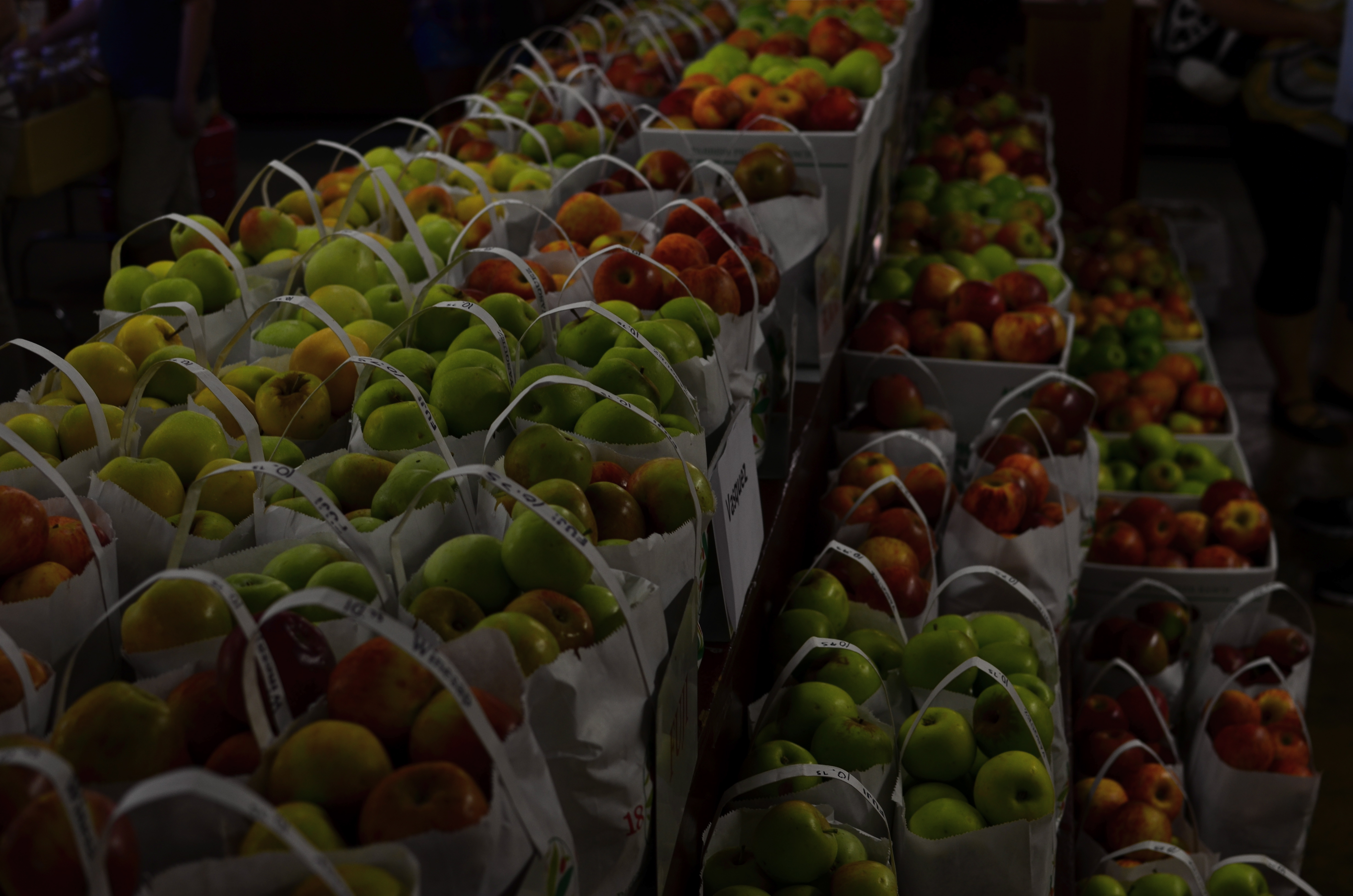
Yield, 2014. 1/30 sec., f/4, ISO 100, 35mm.
Now we’re at a place where the camera is really the film, and that film can be made immediately, accurately responsive to nearly any lighting situation. Digital sensors have all but eliminated the need for spot flashes at all, and, as for rendering mood, if you can visualize it, you can pretty much shoot it. At a recent visit to an apple orchard gift shop (hey, it’s autumn!) I came upon an immense table of green and red apple varieties arranged in ready-to-buy bags. The light in the place was pretty meager to start with, but there was still enough of it to over-crowd the shot with background clutter….jars of jams, counters of candies, jugs of cider, peeps, etc. I wanted the warm colors of the apples to carry the entire image, so I started to think like a slide photographer and deliberately under-exposed the shot. That didn’t mean shutting down the aperture beyond f/4, since the place was fairly dark already, but merely leaving my ISO at its lowest setting, thereby telling the sensor not to suck in any additional light. I didn’t have much depth of field, but the somewhat gauzy quality at the rear and sides actually added to the warm nostalgia of the shot, so I kept it.
Again, digital makes it possible to try a lot of approaches to a task within the space of a few minutes, while the moment is there to be seized. You don’t have to physically consume film, shooting twenty frames with different settings and bearing the cost of processing them all in the hope that “the one” is in there somewhere. Cause and effect are compressed into a shorter, workable space, and success increases. To an old slide man, this is salvation of the first order. Now we manipulate the medium instead of the other way around. Man.
RAMPING UP
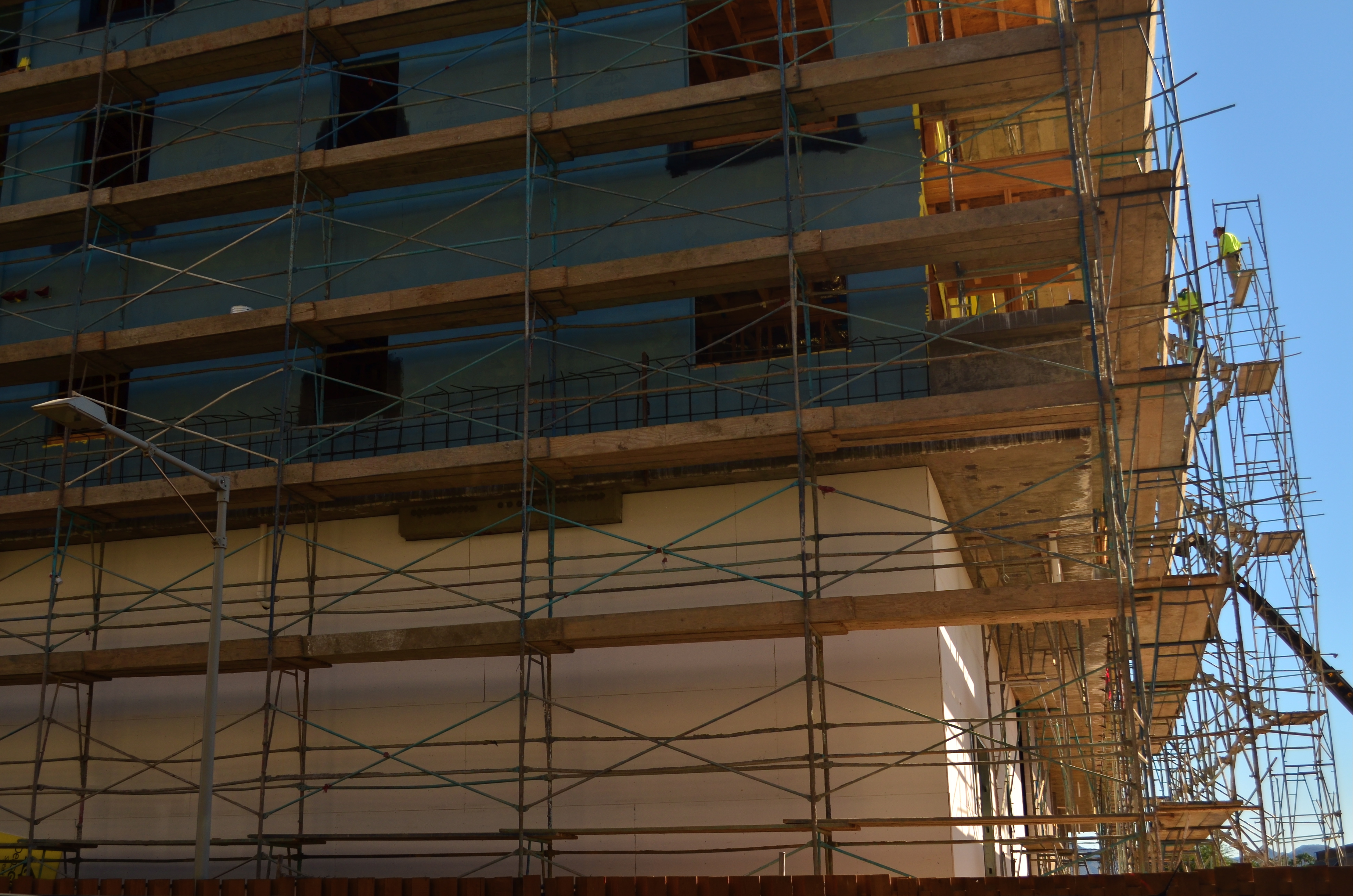
The North Face, 2014. 1/250 sec., f/5.6, ISO 100, 24mm.
By MICHAEL PERKINS
IN THE IMAGINARY PHOTOGRAPHY BOOKSHELF OF MY MIND THERE ARE HUNDREDS OF VOLUMES that speak of nothing else except the exquisite light of early morning, the so-called “golden hour” in which a certain rich warmth bathes all. You’ve read endless articles and posts on this as well, so nothing I can cite about the science or aesthetic aspects of it can add much. However, I think that there is a secondary benefit to shooting early in the day, and it speaks to human rhythm, a factor which creates opportunities for imaging every bit as vital as the quality of available light.
Cities and communities don’t jolt awake in one surge: they gently creep into life, with streets gradually taking on the staging that will define that day. The first signs could be the winking on of lights, or the slow, quiet shuffle of the first shift of cleaners, washers, trimmers and delivery workers. First light brings the photographer a special relationship with the world, as he/she has a very private audience with all the gears that will soon whirr and buzz into the overall noise of the day. You are witness to a different heartbeat of life, and the quieter pace informs your shooting choices, seeping into you in small increments like a light morning dew. You are almost literally forced to move slower, to think more deliberately, and that state always makes for better picture making.
Some atmospheres, like libraries or churches, retain this feel throughout the entire day, imposing a mood of silence (or at least contemplation) that is also conducive to a better thought process for photography, but in most settings, as the day wears on, the magic wears off. Early day is a distinctly different day from the one you’ll experience after 9am. It isn’t merely about light, and, once you learn to re-tune your inner radio for it, you can find yourself going back for more.
This is no mere poetic dreaminess. The more nuances you experience as a living, breathing human, the more you have to pour into your photography. Live fuller and you’ll shoot better. That’s why learning about technical things is no guarantee that you’ll ever do anything with a camera beyond a certain clinical “okay-ness”. On the other hand, we see dreamers who are a solid C+ on the tech stuff deliver A++ images because their soul is part of the workflow.
SOMETIMES THE MAGIC WORKS…
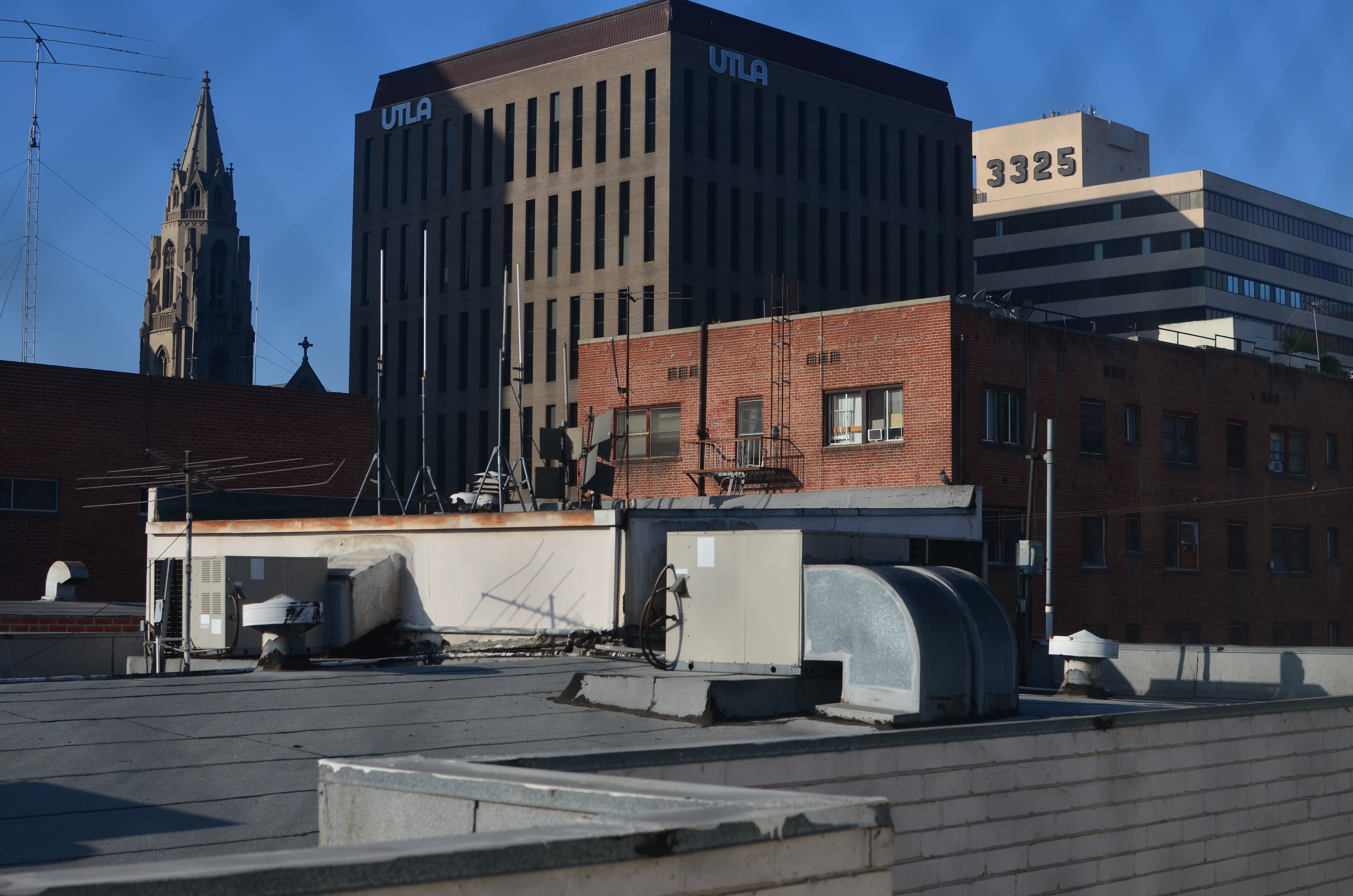
Early morning in L.A., shot through a hotel wind with a polarizing filter up front of the lens.
By MICHAEL PERKINS
THE DIGITAL ERA IN PHOTOGRAPHY HAS SMASHED DOWN THE DOORS TO WHAT WAS ONCE A FAIRLY EXCLUSIVE CLUBHOUSE, a select brotherhood (or sisterhood) of wizards who held all the secrets of their special science. The wizzes got great results and created “art. The rest of us slobs just took snapshots.
Today, the emphasis in photographic method has shifted from understand, study and do, to do, understand and, maybe study. We are now a nation of confident what-the-hellers. Try it, and if it don’t work, try something else. In some ways, this is a shift away from intellect and toward instinct. We are all either a little less technically aware of why the magic works, or completely indifferent to the underlying processes at work. You can all huddle together and decide whether this is a good thing.
Which, by way of introduction, is a way of saying that sometimes you do something that flies in the face of science or sense and it still works out. To illustrate, let us consider the humble polarizing filter, which, for me, is more important than many of the lenses I attach it to. It richens colors, cuts reflections, and eliminates the washed-out look of shots taken in intense daylight sun, as well as taming the squinty haze caused by smog. Or, if you want the Cliff’s Notes version, it makes skies blue again.
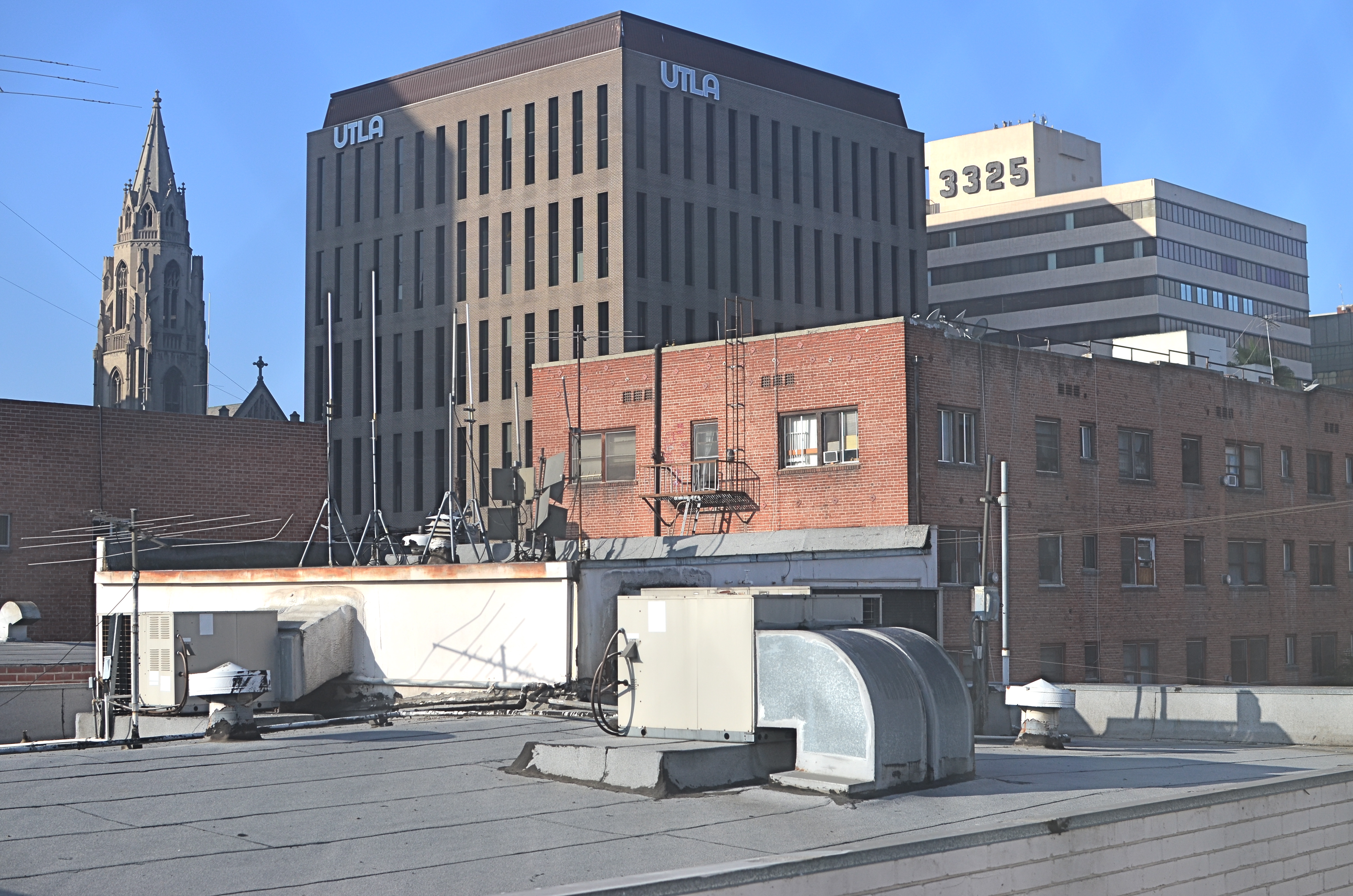
Without the filter, also through the window. Haze City.
Now there is a “proper” way to get top results with a polarizer. Make an “L” with your index finger and thumb, finger pointing straight up. UP in this example is the position of the sun overhead, and your thumb, about 90 degrees opposed to your finger, roughly represents your camera’s lens. The closer to 90 degrees that “L” is, the more effective the filter will be in reducing glare and boosting color. Experts will tell you that using a polarizer any other way will deliver either small or no results. That’s it. Gospel truth, science over superstition, settled argument.
That’s why I can’t explain the two pictures in this post, taken just after sunrise, both with and without the filter. In the first, seen at left, Los Angeles’ morning haze is severe, robbing the rooftop image of contrast and impact. In the second, shown above, the sky is blue, the colors are intense and shadows are really, well, shadows. But consider: not only is the sun too low in the sky for the filter’s accepted math to work, I am standing inside a hotel room, and yet the filter still does its duty, and all is right with the world. If I had followed and obeyed package directions, this shot should not have worked. That means if I were to pre-empt myself, defaulting to what is scientific and “provable”, and ignoring my instinct, I would not even have tried this image. The takeaway: perhaps I need to preserve just enough of the ignorant noobie I once was, and let him take the wheel sometimes, even if the grown-up in me says it can’t be done.
The yin and yang wrestling match between intellect and instinct is essential to photography. Too much science and you get sterility. Too much gut and you get garbage. As usual,the correct answer is provided by what you are visualizing. Here. Now. This moment.
RELIEF OF PAINFUL G.A.S.
Eight years and three cameras ago. 1/125 sec., f/7.1, ISO 100, 13.7mm.
By MICHAEL PERKINS
HE’S YOUR DAD, YOUR UNCLE, YOUR WACKY SITCOM NEIGHBOR: the guy who has every ratchet,widget and wrench in the Sears Craftsman catalogue, yet who is, strangely, incompetent at any task more complex than the replacement of a light bulb. If he could just get that table saw, that router, he could finally tackle that pet project with real zest. But heck, he explains, I don’t have the right extender, the extra power supply, the magical whatsit that just came out this year. In reality, this guy is not a handyman, he’s an actor playing the part of a handyman. He’s Batman with a utility belt big enough to spill over a city block. He’s a gadget addict.
Now, transfer all that imagery from fix-it toys to optical toys, and you can understand the disease that photographers call G.A.S—-Gear Acquisition Syndrome.
There is no vaccine or twelve-step program for some types of shooters for whom the next lens, the up-and-coming accessory will make all the difference, and catapult their photography from mundane to miraculous. And none of us, even the most rigidly discipline, is completely immune to the siren song of the bright and shiny plaything. Sadly, G.A.S. often sidetracks us for months or even years, taking us off the path of practice and hard work with the tools we have as we wait for the toys we want. It doesn’t seem to impress us that people are making extraordinary pictures with cameras that are, basically, crap. Similarly, It doesn’t seem to faze us to know that people lugging around fifty pounds of lens changes and thousands of dollars in Leica-like bodies are often coming home with a portfolio of poop to show for their efforts. G.A.S., once its fever envelops our tiny minds, creates the hallucination that photography is about equipment. Sure, and Mark Twain wrote better after he graduated from notepads to a typewriter.
It’s almost too simple a truth that practice makes perfect, practice with limited lenses and sad little cameras, practice with nothing to focus on but how well we can teach ourselves to see. G.A.S. fogs up our thinking, making photography a destination (oh, once I get that German glass!) instead of a journey (wonder what I can make happen with what I have). It’s magical thinking. The camera becomes a talisman, a magic monkey’s paw, Harry Potter’s wand. Real, serious development is delayed while we wait for machines to appear and deliver us.
Oddly, looking backwards can often help us move forwards. Now, follow me here a moment. Ever go through the ghostly Shoebox of Shoots Past to find that you actually nailed a biggie on the day that you had bad weather, a lousy subject and a disposable $10 camera? Of course you have. But, wait….how could you take a good picture with all the wrong gear? Because something in you knew how to make that picture, with or without the ease and convenience conferred by better equipment. And the more you developed your eye, the more often you could make a picture that good, on purpose, time after time. As an example, the image at left is eight years and three cameras ago for me. I could certainly shoot it better today, but, even with more primitive machinery, I got most of what I wanted with what I had on hand that day. You have pictures just like this. Yes, you do.
I’m not saying that tools aren’t great, but if your shelves are overfilled (and your wallet is over-depleted) due to Gear Acquisition Syndrome, it’s best to ask how much in the way of toys you really need. None of it can take a great picture unless your mind and your eye are on the steering committee. Ansel Adams’ claim that the most important part of a camera was “the twelve inches behind it” is gospel. Get religion and become a believer, o my brothers.
WAIT FOR IT…..
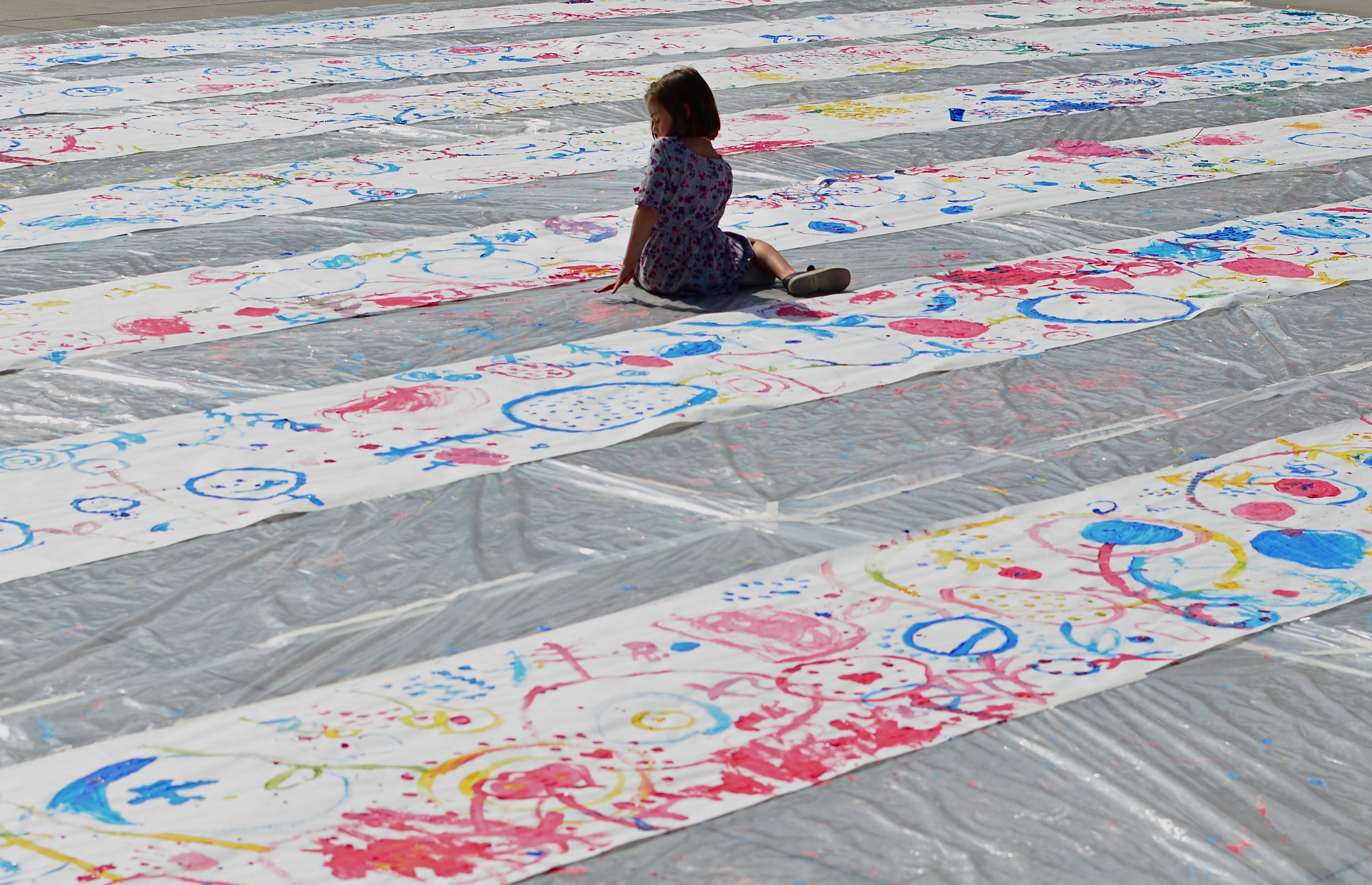
She came from nowhere, and saved the day: 1/1000 sec., f/5.6, ISO 100, 35mm.
by MICHAEL PERKINS
SUNDAY MORNINGS AT THE LOS ANGELES COUNTY MUSEUM OF ART ARE A GAGGLE OF GIGGLES, a furious surge of activity for, and by, little people. Weekly craft workshops at LACMA are inventive, inclusive, and hands-on. If you can cut it, fold it, glue it, paint it, or assemble it, it’s there, with booths that feature encouraging help from slightly larger people and smiles all around. It is a fantastic training ground as well for photographing kids in their natural element.
A recent Sunday featured the rolling out of long strips of art paper into rows along one of the common sidewalks, with museum guides on bullhorn exhorting the young to create their own respective visions with paint and brush. The event itself was rich in possibility, as a hundred little dramas and crises unfolded along the wide, white canvasses. Here a furrowed brow, there an assist from Mom. Fierce concentration. Dedication of purpose. Sunshaded Picassos-in-waiting weighing the use of color, stroke, concept. A mass of masters, and plenty of chances for really decent images.
Most of these events are as fast as they are furious, and so, during their brief duration, you can go from photographic cornucopia to….where did everybody go? Sometimes it’s over so quickly that it’s really tempting to treat the entire thing like low-hanging fruit: a ton of kids pass before your eyes in a few minutes’ time, and you have only to stand and click away. Thing is, I’m a lifelong believer in arriving early and leaving late, simply because the unexpected bit of gold will drop into your lap when you troll around before the beginning or after the end of things. In the case of this museum “paint-in”, the participants scampered on to the next project in one big sweep, leaving their artwork behind like a ruined battlefield. And then, miracle of miracles, one lone girl wandered into the near center of this huge Pollack panorama and sat herself down. The event was over but the vibe was revived. I whispered thank you, photo gods, and framed to use the paintings as a visual lead-in to her. It couldn’t have been simpler, luckier, or happier.
When the “stage” on public events is being either set or struck, there are marvelous chances to peer a bit deeper.People are typically relaxed, less guarded. The feel of everything has an informality, even an intimacy. And sometimes a small child brings the gift of her spirit into the frame, and you remember why you keep doing this.
AS THE WORLD TURNS
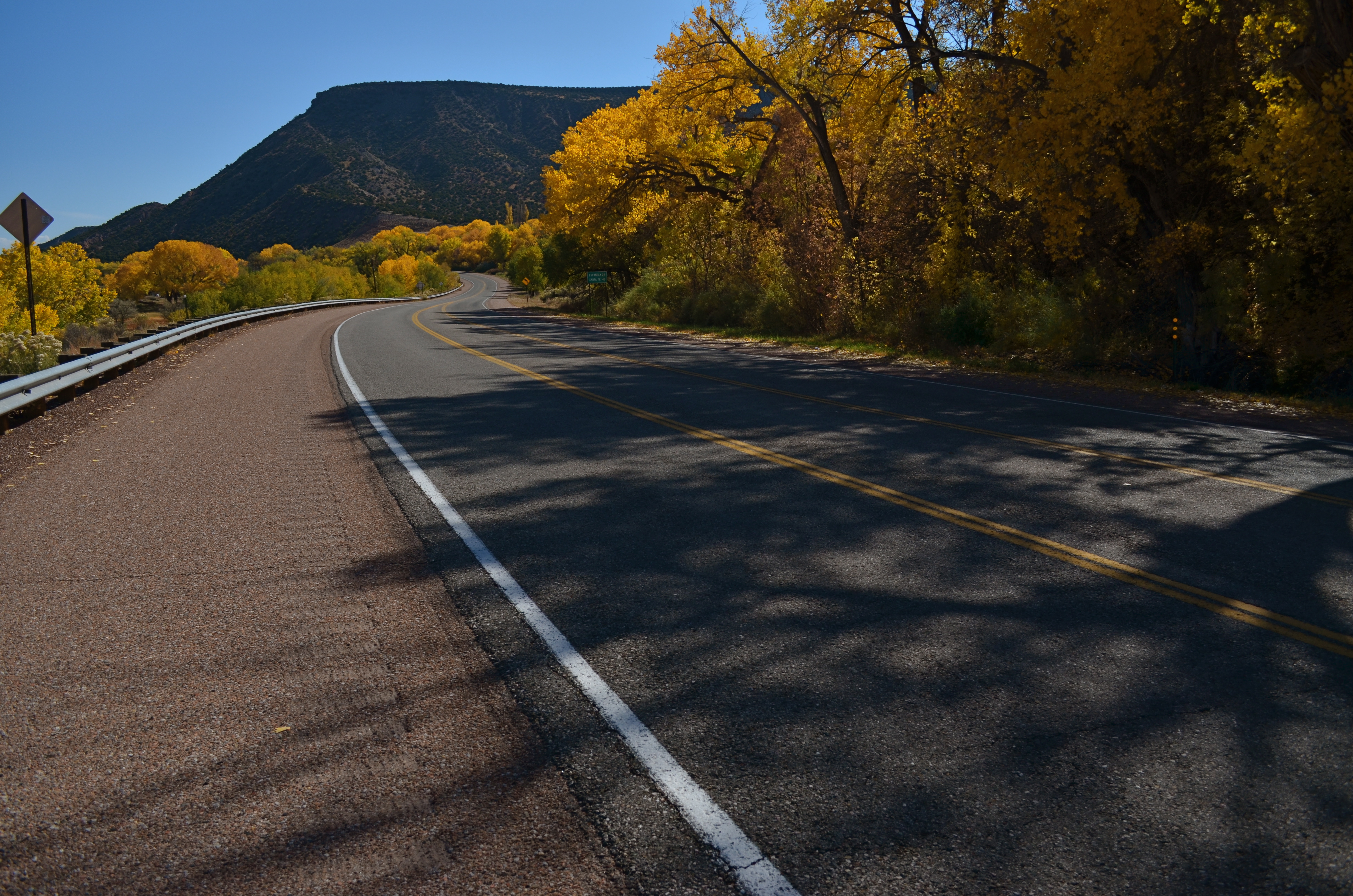
Abiquiu, New Mexico, 2013. The southwest U.S. does autumn on the soft pedal.
By MICHAEL PERKINS
—-That country where it is always turning late in the year. That country where the hills are fog and the rivers are mist; where noons go quickly, dusks and twilights linger, and midnights stay. That country composed in the main of cellars, sub-cellars, coal-bins, closets, attics, and pantries faced away from the sun. That country whose people are autumn people, thinking only autumn thoughts. Whose people passing at night on the empty walks sound like rain.—–Ray Bradbury
AUTUMN IS SNEAKY IN THE SOUTHWEST. Much of the low desert regions may never betray the transformation that is rotating the color wheel in most of the rest of the world, and then, suddenly, there is the shock of red, the blaze of orange, the yellow of golden apples. Many of our trees do not shed, and there are parts of Arizona, California and New Mexico where you could snap a landscape and challenge anyone to guess in which month it was taken. But, as I say, there are surprises.
There are fruits that fall and go back to the earth. There are strange and alien breeds of gourd popping up as invaders at farmers’ markets. And with these visitations come remembrance, and the chance for the camera to recall all the unrealized dreams, misty dawns, evening cold snaps and afternoons of quiet contemplation that accompanies fall so hypnotically in the rest of the country. We here in the southwest have our autumn reverie doled out in small spoonfuls, but it penetrates just the same. The shadows grow longer. The memory uncorks its vintages. The world turns, and there is that slow rhythm of life winding down.
I only long for my midwestern roots but briefly each year. I can still feel the earth turning when some inner clock tells me it’s time. Sometimes I can’t look out my window and find evidence of what my atoms know to be true. And sometimes I get a moment to steal.
That’s what cameras are for. To remind us how to be, at least in glimpses, autumn people.
THE SHORT AND WINDING ROAD
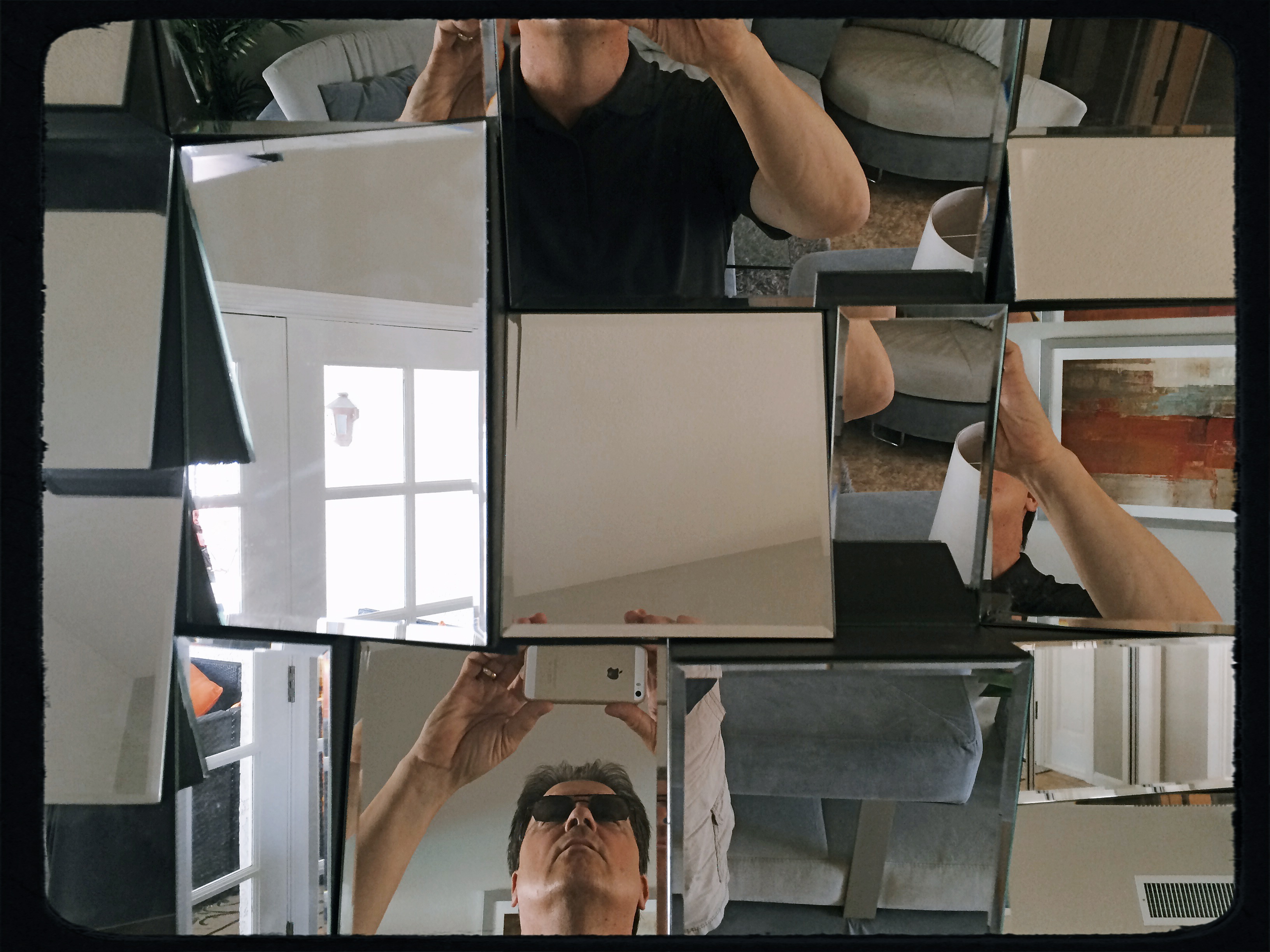
There is no tradition in photography. There is only now.
By MICHAEL PERKINS
PHOTOGRAPHY USED TO LITERALLY BE A MATTER OF MATH. Formulating formulae for harnessing light, predicting the reactivity of chemicals, calculating the interval between wretched and wonderful processing. And all that math, measured in materials, apprenticeship, and learning curves, was expensive. Mistakes were expensive. The time you invested to learn, fail, re-learn, and re-fail was expensive. All of it was a sustained assault on your wallet. It cost you, really cost you, in terms a math whiz could relate to, to be a photographer.
Now, the immediacy of our raw readiness to make a picture is astounding. Well, let’s amend that. To anyone picking up their first camera in the last thirty years, it’s pretty astounding. For those who began shooting ten years ago, it’s kinda cool. And for those falling in love with photography now, today, it’s……normal. Let’s pull that last thought out in the sunshine where we can get a good look at it:
For those just beginning to dabble in photography, the instantaneous gratification of nearly any conceptual wish is normal. Expected. No big deal. And the price of failure? Nil. Non-existent. Was there ever a time when it was a pain, or an effort just to make a picture, you ask Today’s Youth? Answer: not to my knowledge. I think it and I do it. If I don’t like it, I do it again, and again, faster than you can bolt down a burger on a commuter train. It’s just there, like tap water. How can I not be, why should I not be, absolutely fearless?
To take it further, Today’s Youth can learn more in a few months of shooting than their forebears could glean in years. And at an immeasurably small percentage of the sweat, toil, tears and financial investment. They can take a learning curve of rejected photos and failed concepts that used to be a long and winding road for pa and grandpa and compress it into a short and straight walk to the mailbox. And they are not sentimental, since they will not be spending enough time with any technology of any kind long enough to develop a weepy attachment for it, or for “how things used to be”. DSLR? Four-Thirds? Point and Shoot? Hey, anything that lets them take a picture is a camera. Make it so they can flap their eyelash and capture an image, and they’re in.
For some of us, hemmed in by experience, the limits of our technical savvy, and yes, our emotions, photography can be a somewhat formal experience. But for the many coming behind us, it’s just a reflex. A wink of the eye. Any and everything is an extension of their visual brain. Any and everything leads to a picture.
These new shooters will stop at nothing, will quake at nothing, will be awed by nothing, except ideas. They will be bold, because there is no reason not to be. They will take chances, since that, from their vantage point, is the only logical course. Photography is dead, long live photography.
The great awakening is at hand.
NO ORIGIN
 By MICHAEL PERKINS
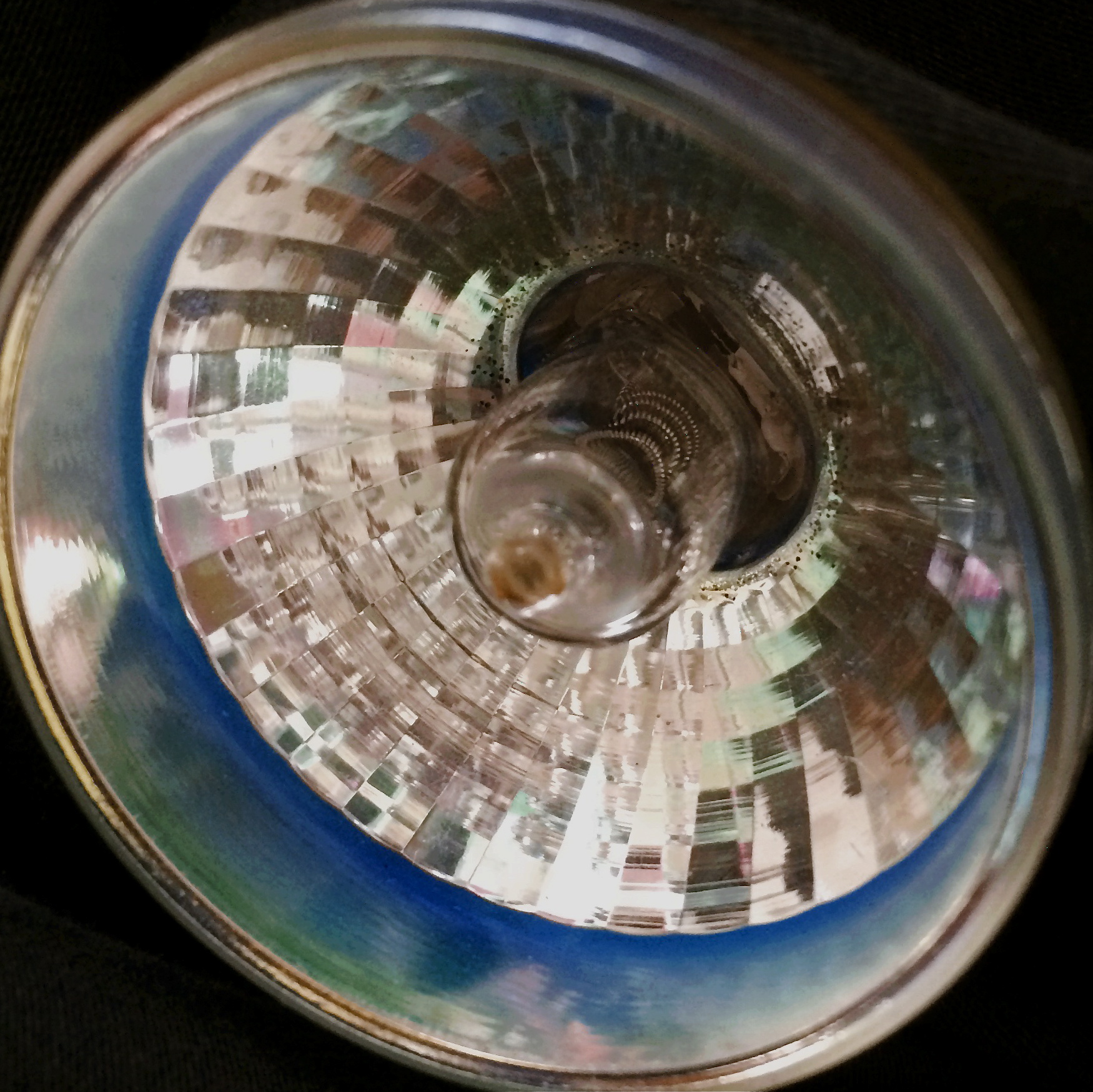
WE ALL REMEMBER ONE OF OUR FIRST VIEWS OF THE MICROSCOPIC WORLD, the intricate latticework of an enlarged snowflake crystal, in all its startling elegance. My own initial glimpse came during the projection of a well-worn 16mm film on a cinder-block wall in a small elementary-school science classroom. From that point forward, I could never hear certain words…design, order, mathematics, or, later on, Bach, without also seeing that snowflake in my mind. Funnily enough, the only thing that didn’t conjure up that delicate crystal were the words snow, snowfall, or snowflake. In some way, the enlarged pattern had become something apart unto itself, a separate thing with no origin, no pre-assigned purpose or definition. It was just a pure visual experience, devoid of context, complete and distinct.
I still experience that thrill when using a camera to remove the context from everyday objects, forcing them to be considered free of “backstory” or familiarity. I love it when people react to a photograph of light patterns that just “are”, without bringing to it the need to have the thing explained or placed in any particular setting. The easiest way to do this is through magnification, since many things we consider commonplace are, when isolated and amplified, ripe with details and patterns, that, at normal size, are essentially invisible to us. Another way to do it is to take away the things that the subject is normally seen as part of, or adjacent to. Again, magnification does much of this for us, allowing us to frame a single gear inside a machine or zone in on one connection in larger universes of function.
However this viewpoint is obtained, it can be very freeing because you are suddenly working with little more than the effect of light itself. You arrive at a place where a photographic image needn’t be about anything, where you’re working in simple absolutes of shape and composition. At the same time, you’re also conferring that freedom on your viewers, since they are also released from the prison of literalism. They can admire, even love, a pure composition for no relatable reason, just as we all did with our old stencil kits and Spirographs.
This all takes us full circle to our earliest days, and one of the first experiences any of us had as designers. Remember being told to fold a piece of construction paper in half, then half again, then half again? Recall being invited to randomly cut away chunks from the perimeter of that square, any way we wanted? Remember the wonder of unfolding it to see our cuts mirrored, doubled, cubed into a stunning design?
Remember what the teacher said when we unveiled our masterpieces?
Oh, look, class, she said, you’ve made a snowflake.
DON’T TAKE THAT TONE WITH ME
By MICHAEL PERKINS
I BELIEVE THAT THE SINGLE BIGGEST REASON FOR THE FAILURE OF A PHOTOGRAPHIC COMPOSITION may all boil down to the same problem. I call it “over-sampling”, or, more simply, the presence of too much visual information in a frame. It can be as simple as including too many trees in a landscape or framing to include crowded sky clutter in an urban scene, but it’s not always how many objects are crowded into an image. It can be something as basic as asking the eye to figure out where to look. And sometimes, the very fact that a picture is in color can diminish its ability to clearly say, here: look here.
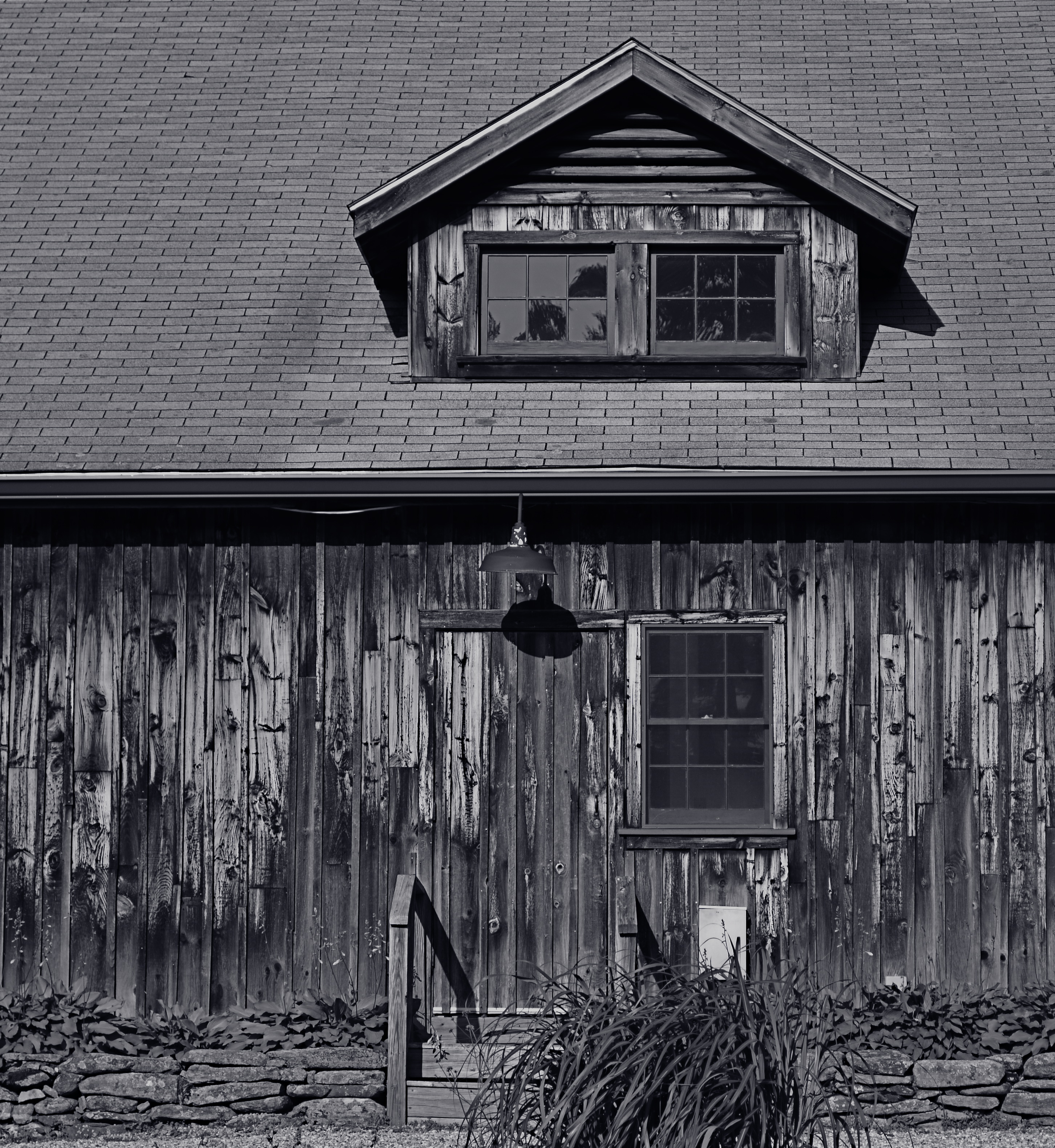
Color would have added nothing to this image. In fact, it would have detracted from its impact. 1/400 sec., f/5.6. ISO 100, 55mm.
Great photographs have their own gravitational pull and center. They draw people in and direct their gaze to specific places. This tends to be a single focus, because, the more there is to see in an image, the greater the tendency is in the viewer to wander around in it, to blunt the impact of the picture as the eye looks for a central nexus of interest. In my own experience, I find that the use of color in a photograph is justified by whether it helps keep things simple, creates readable signposts that lead the eye to the principal message of the image. Color, just like the objects in a frame, can explode with a ton of separate messages that defeat the main message, sending the viewer all over the place, trying to decode all that vivid information. Color itself can become clutter.
Sometimes the focus of an image is not an object, i.e., a building or a face, but an overall feel that is more emotionally immediate within a narrow range of blacks and greys. The kind of black and white makes a huge difference as well, and anyone who has spent a lot of time processing monochrome images knows that there is no one true black, no pure, simple white. As to actual shooting procedure, I will be so certain that only B&W will work for a given subject that I make the master shot itself in mono, but, more frequently, I shoot in color first and make a dupe file for comparison. This is another amazing advantage of digital imaging; you simply have more choices.
One of the by-products of color photography‘s adoption into mass culture through magazines and faster films in the mid-20th century was, for many people, a near-total abandonment of monochrome as somehow “limited” compared to those glorious, saturated Kodachromian hues. Thing is, both color and black and white have to be vetted before being used in a photograph. There can’t be a general rule about one being more “lifelike” or “natural”, as if that has anything to do with photography. Tools either justify their use or they don’t. You don’t drive a screw with a hammer.
FISHING FRIDAYS?
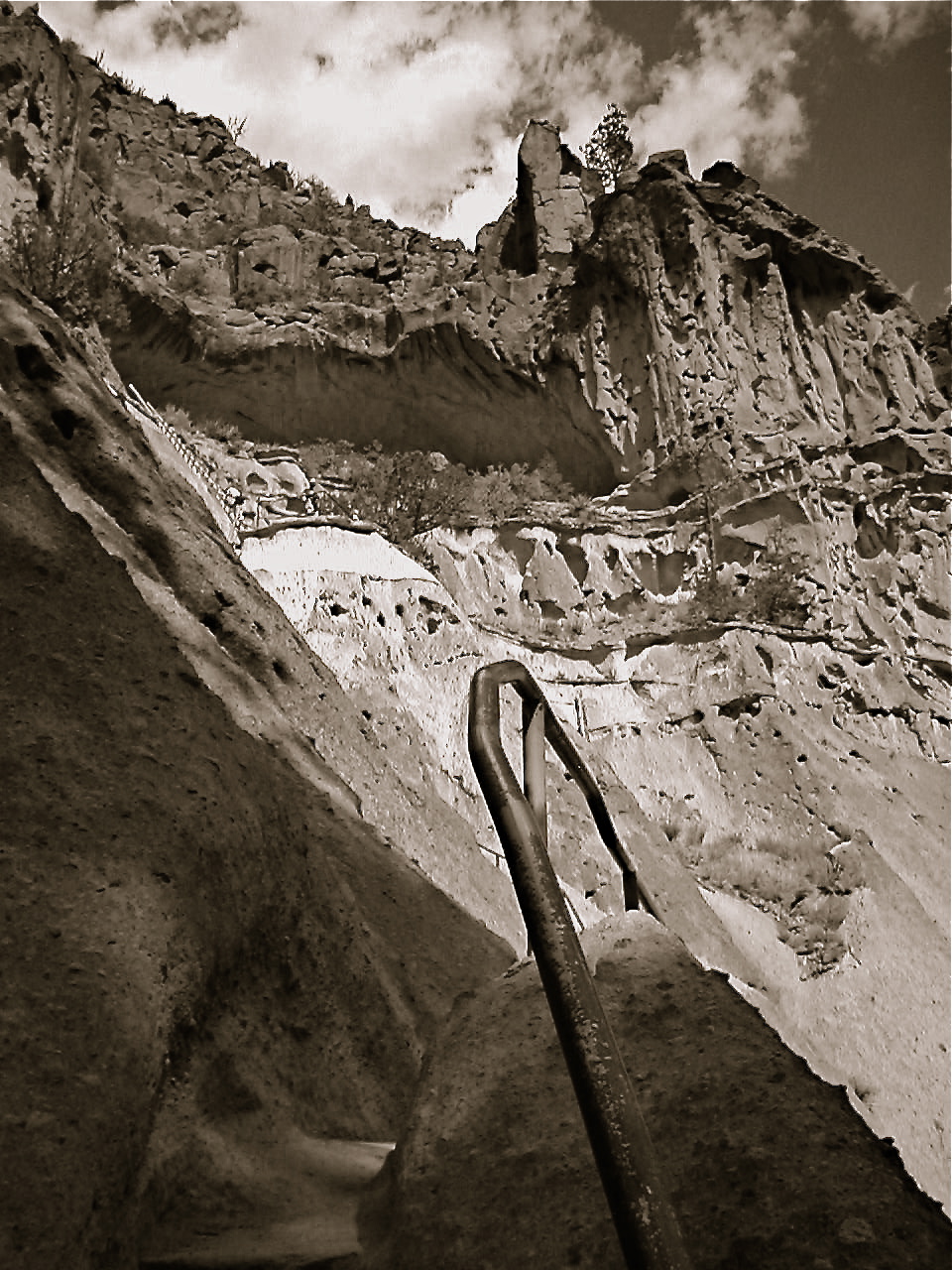
Bandolier National Monument, New Mexico, nearly ten years and four cameras ago. Did the shot achieve everything I was seeking? Hardly. Still, it emerges now as a qualified success rather than an outright dud.
By MICHAEL PERKINS
I HAVE NEVER PARTICIPATED IN THE STRANGE NEW RITUAL known as “Throwback Thursday”, the terminally adorable craze involving the online resurrection of antique photos of oneself or friends, the purpose of which is apparently to celebrate our poor tonsorial and wardrobe choices of bygone days. I keep most historic depictions of myself under lock and key for a reason, and making myself look retroactively more idiotic than I am already, well, someone needs to explain to me where the “fun” part comes in. Just because I was once stupid enough to sport a shag cut doesn’t mean a record of that sad choice constitutes entertainment in the interweb age.
As a photographer, however, I can certainly see the wisdom of re-evaluating the images themselves, meaning how they were shot, or whether, under the microscopes of time and wisdom, they deserve to be aesthetically exonerated. Humane anglers have always practiced the “throw the small ones back” rule when fishing, the idea being that, given a chance, a minnow might grow into a respectable catch, and I think it’s normal to revisit old photos from time to time, as a record of one’s growth. I would even argue that a “Fishing Friday” each week would be good for the needful habit of self-editing, or just learning to see, no less than spending one’s Thursdays with painful reminders that hot pants really aren’t a fashion statement.
Yes, I am an aging crank. And yes, I do believe, as Yogi Berra once said, that nostalgia ain’t what it used to be. But I also believe in learning from one’s photographic mistakes, and reviewing old prints and slides actually does give you a pretty reliable timeline on your development. As a matter of fact, I am on record as believing that failures are far more instructive than successes when it comes to photography. You study and ache and cogitate over failures, whereas you seldom question a success at all. Coming up short just nags at you more, and the surprising thing about latter-day re-examinations of your photographic work is that you will also find things that actually worked, shots that, for some reason, you originally rejected.
Recently, the Metropolitan Art Museum mounted a show of Garry Winogrand’s amazing street work drawn from the hundreds of thousands of images that he shot but never processed or saw within his own lifetime. His is an extreme case, but, even at our end of the craft, we generate so many photos over a lifetime that we are constantly challenged to have a true sense of what we did even last year, much less decades ago. When we “throw back” to images of our dear departed dog blowing out his birthday candles, we should also shovel into the past for the instructive, potentially revelatory work that might be lurking in other shoeboxes. It’s free education.

