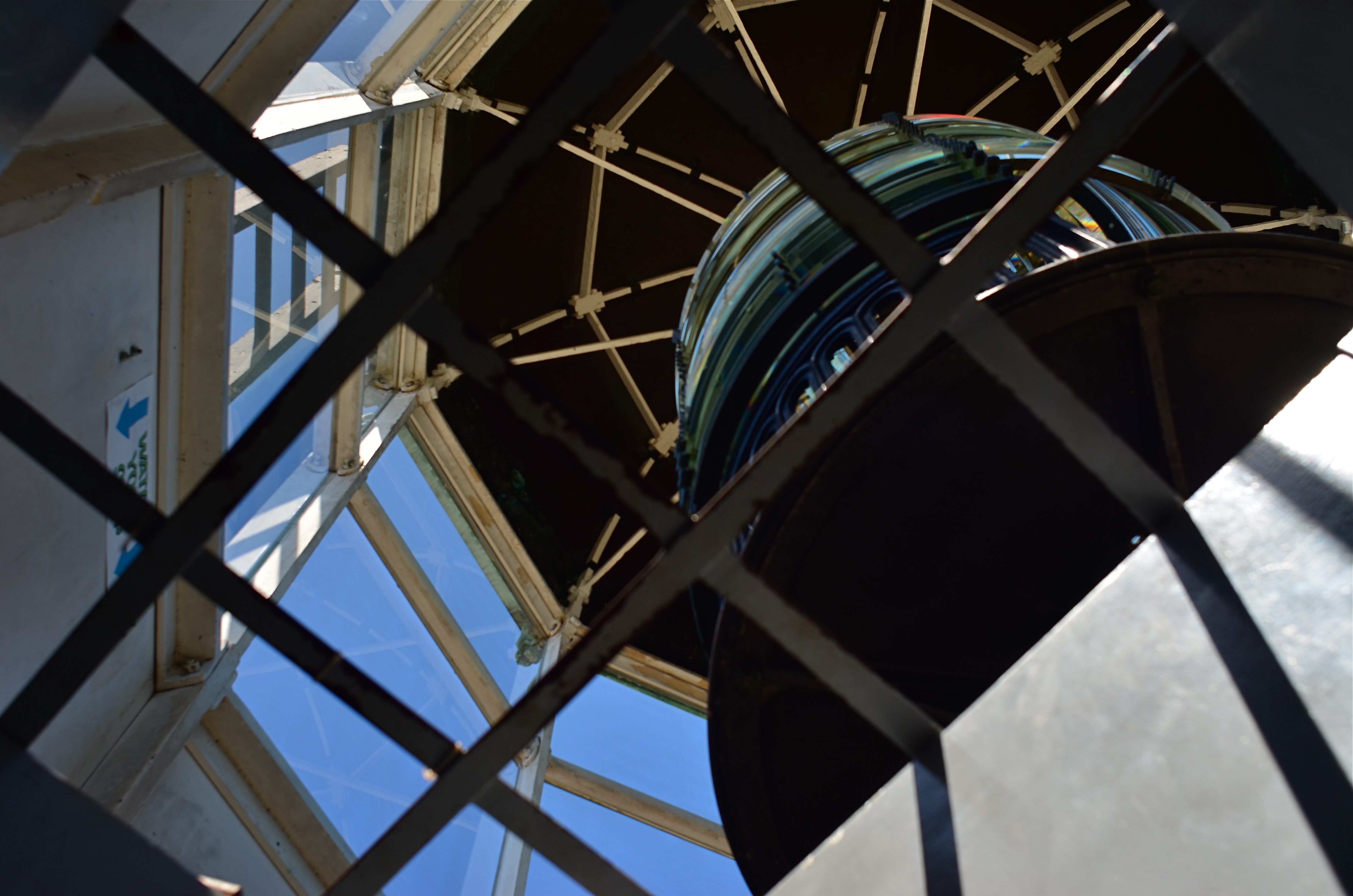
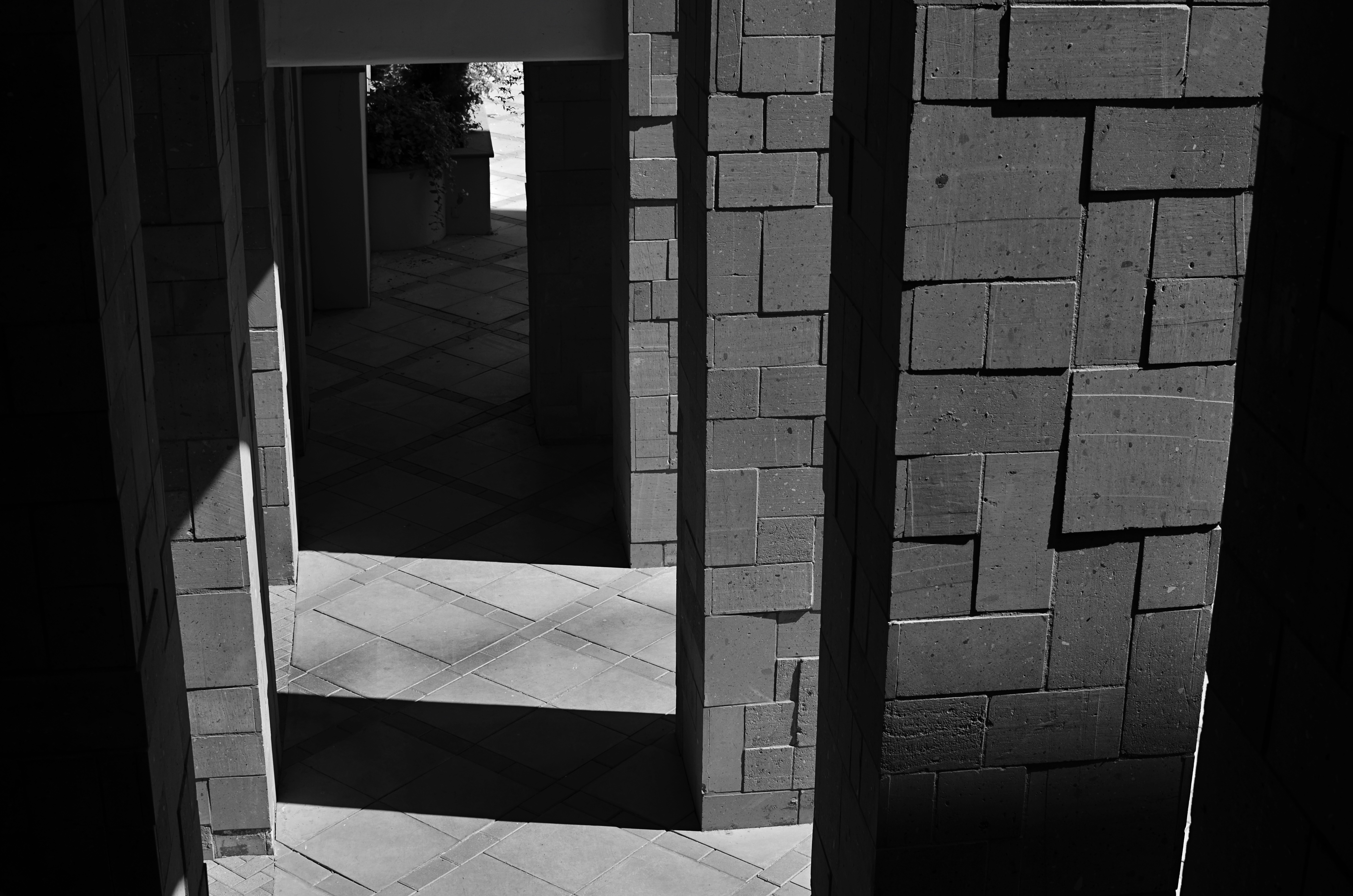
“I want to marry a lighthouse keeper…” 1/125 sec., f/3.5, ISO 100, 24mm.
By MICHAEL PERKINS
PHOTOGRAPHERS INSTINCTIVELY SEEK OUT VARIATION. We spend so much time looking at so much of the world that a lot of it starts to sort itself into file folders of things, patterns, or places, pre-sorting our pictures into this or that category. Sunsets: see Nature. Famous Buildings: a sub-set of Travel. And so on, until we are fairly starved for some visual novelty to shock us out of our slumber and spur us on to new ways of seeing.
One of the things that settles most readily into sameness is the human dwelling. Most of us live in some kind of basic four-walls, bedroom-kitchen-bath sequence, making our living spaces fairly predictable as subject matter. By way of awe and admiration, the real geniuses of, magazine illustration, to me, have always been the “house beautiful” photographers, since they must spend year after year making Mr.& Mrs. J.D. Gotmore’s McMansions seem unique and bold. That said, there is something about nearly everyone’s castle that might be distinctive, even revelatory, about the people who live within. It’s all in your approach.
I love to explore the places where people are forced to improvise living spaces either near or as part of their work, places that usually exist in stark isolation as compared to the crush of crowded urban centers. In the above image, I was allowed to climb to a small viewing angle of the beacon room atop a coastal lighthouse in San Diego, and, perhaps because I was limited to a shooting stance below the surface of the room’s floor, the resulting photo further exaggerated the confined, angular working space, which sits above living areas further down the house’s twisty central staircase.
These areas pose more questions than they answer. What is it like to have this building be your entire world for long stretches of time? What kind of person can do this work? What is the center of this unusual story? The blurring of boundaries between working and living areas is among the most novel material a photographer can tackle, since it contains one of the things he craves most….mystery.
 thenormaleye
ANTHROPOGRAPHY
Tuning up: a fiddler runs a few practice riffs before a barn dance in Flagstaff, Arizona.
By MICHAEL PERKINS
WRITING CLICHE NUMBER 5,218 STATES THAT YOU SHOULD WRITE about what you know. Mine your own experience. Use your memories and dreams as a kickoff point for the Great American Novel, or, at least, the Okay American E-book. But while the “know-it-do-it” school of technique offers writers a pretty sound foundation for scribblers, photographers need to learn how to leave their native nests and fly into unknown country. The best pictures sometimes are where you, comfortably, aren’t.
Caperin’ up a storm, by golly.
Shooting an event or lifestyle that is completely outside yourself confers an instantaneous objectivity of sorts to your pictures, since you don’t have any direct experience with the things you’re trying to capture. You’re forced to pretty much go instinctive, since you can’t draw on your memory banks. This is certainly true of combat photographers or people dropped down into the middle of fresh disasters, but it also works with anything that’s new to you.
Take square-dancing. No, I mean it. You take square-dancing, as in, I’d rather be covered in honey and hornets than try to master something that defines “socially awkward” for yours truly. I can’t deny that, on the few occasions that I’ve observed this ritual up close, it obviously holds infinite enjoyment for anyone who isn’t, well, me. But being me is the essential problem. I not only possess the requisite two left feet, I am lucky, on some occasions to even be ambulatory if the agenda calls for anything but a rote sequence of left-right-left. Again, I concede that square-dancers seem almost superhumanly happy whenever doing their do-si-doing, and all props to them. Personally, however, I can cause a lot less damage and humiliation for all concerned if I bring a camera to the dance instead of a partner.
Shooting something you don’t particularly fancy yourself is actually something of an advantage for a photographer. It allows you to just dissect the activity’s elements, using the storytelling techniques you do know to show how the whole thing works. You’re using the camera to blow apart an engine and see its working parts independently from each other.
In either writing or shooting, clinging to what you know will keep your approach and your outcomes fairly predictable. But when photography meets anthropology, you can inch toward a little personal growth. You may even say “yes” when someone asks you if you care to dance.
Or you could just continue to maintain your death grip on your camera.
Yeah, let’s go with that.
Share this:
Posted by Michael Perkins | September 25, 2015 | Categories: Americana, Black & White, Candid, Conception, iPhone, Musical Instruments | Tags: Composition, crowds, Entertainment, Music, social commentary | Leave a comment